Roti in English:
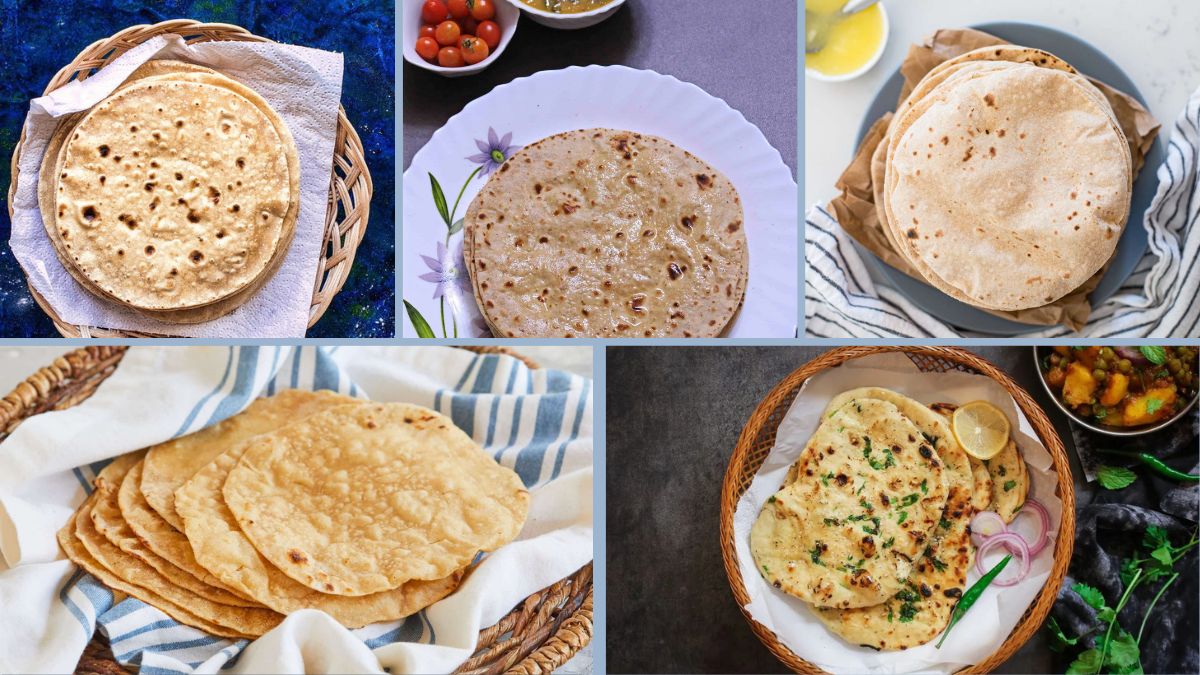
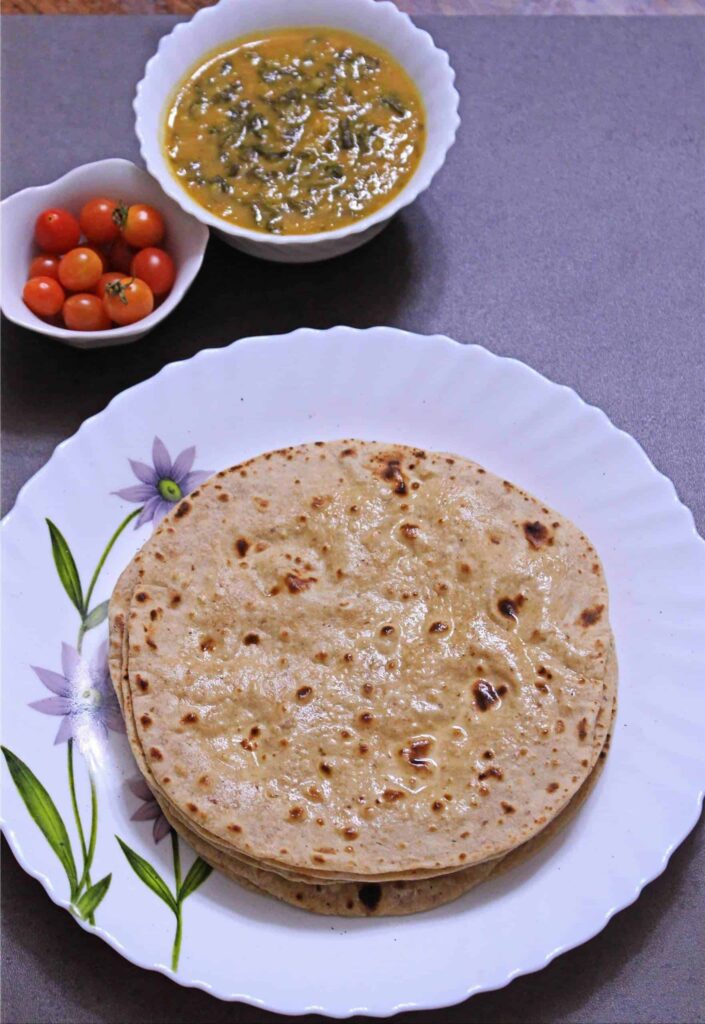
Roti is one of the most essential and traditional Indian foods, eaten daily by millions across the country. In English, roti is most commonly called “Indian flatbread” or “unleavened flatbread.” It is made by kneading whole wheat flour (atta) into dough, rolling it flat, and cooking it on a hot pan (tawa) without yeast or baking powder.
While people in the West might compare it to a tortilla, roti is softer, lighter, and healthier. It is eaten with dal, vegetables (sabzi), or curries, and is a symbol of home-cooked comfort food.
What Is Roti Called in English?
The most accurate English name for roti is:
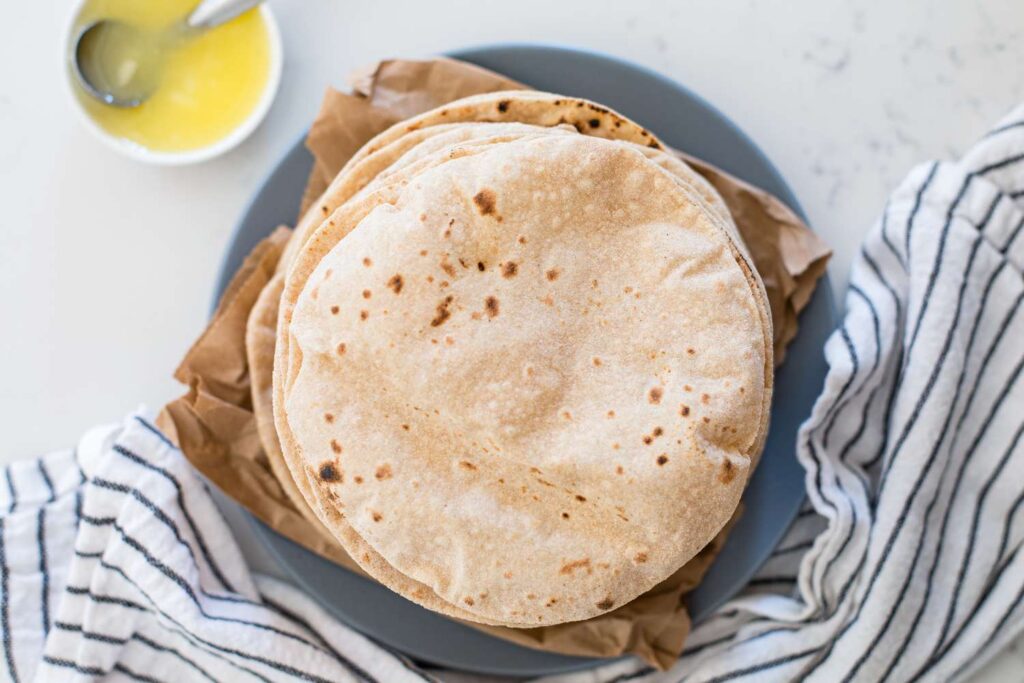
Unleavened Indian flatbread
Roti is different from breads that rise, as it contains no yeast. When cooked properly, it puffs up slightly due to steam, giving it a soft and chewy texture. It’s a staple food in Indian households and is often referred to simply as “flatbread” in menus outside of India.
Types of Roti in English
Just like dosa, roti comes in many varieties across India. Each has its own name and slight difference in ingredients or preparation. Here are some popular types of roti and their English meanings:
• Plain Roti in English –
“Whole wheat flatbread”
This is the standard roti made with atta (whole wheat flour), water, and sometimes a little salt.
• Chapati in English –
“Thin soft flatbread”
Chapati is another common form of roti, often used interchangeably. It is rolled thinner and is very soft when cooked.
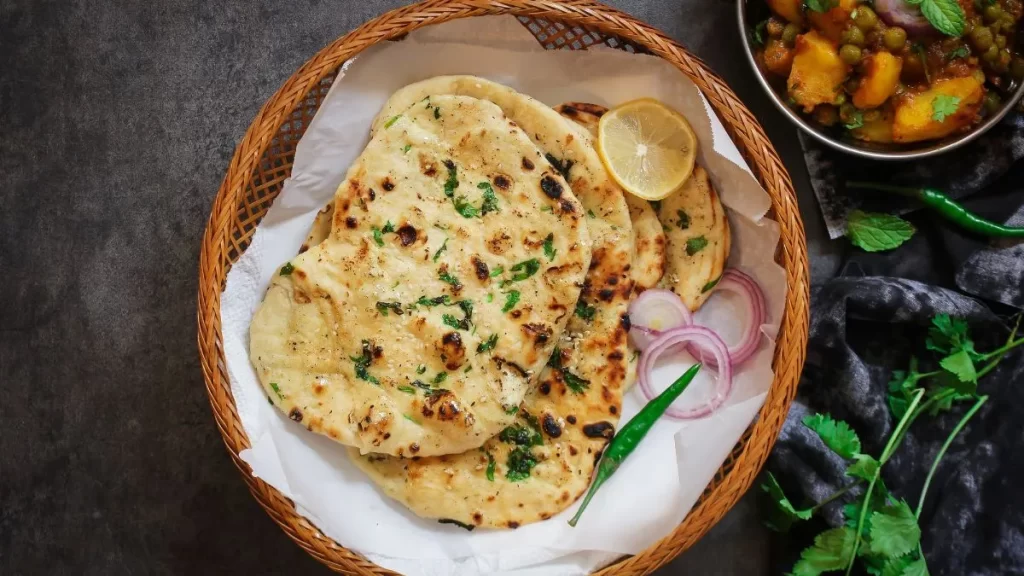
• Tandoori Roti in English –
“Tandoor-baked flatbread”
Cooked in a traditional clay oven (tandoor), it has a smoky flavor and crispy edges.
• Missi Roti in English –
“Spiced gram flour flatbread”
Made with besan (chickpea flour), wheat flour, and spices. It has a yellow color and strong flavor.
• Bajra Roti in English –
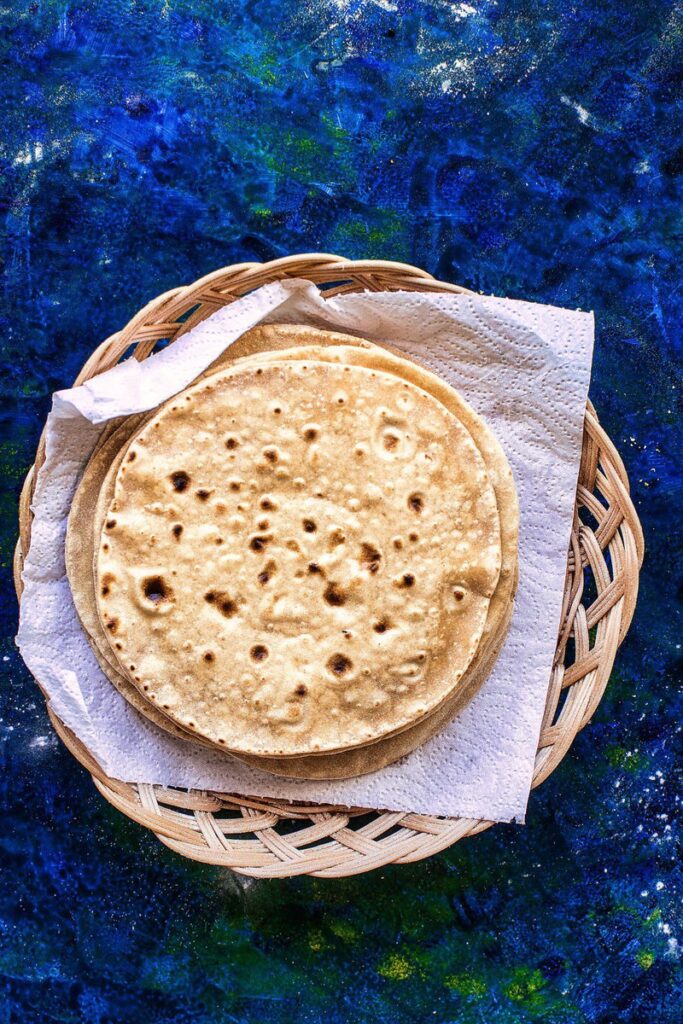
“Pearl millet flatbread”
Popular in Rajasthan and Gujarat, this roti is made using bajra (millet) flour and is dense and hearty.
• Makki di Roti in English –
“Cornmeal flatbread”
Famous in Punjabi cuisine, especially with sarson da saag. It is made from maize flour.
• Roomali Roti in English –
“Handkerchief-thin flatbread”
Very thin, soft, and large – it resembles a handkerchief in appearance and texture.
Roti Recipe in English
How to Make a Simple Roti:
- Ingredients:
- 2 cups whole wheat flour (atta)
- ¾ cup water (adjust as needed)
- A pinch of salt (optional)
- Method:
- Mix flour and water to form a soft dough.
- Let it rest for 15–30 minutes.
- Divide into small balls, roll into circles using a rolling pin.
- Cook on a hot flat pan (tawa) until both sides are golden brown.
- Optional: Apply a bit of ghee or butter after cooking.
This soft, round bread is now ready to serve with any Indian curry or vegetable.
What is Roti Eaten With?
Roti is versatile and can be paired with almost any Indian dish. Some popular combinations include:
- Dal Roti – Roti with lentil curry.
- Sabzi Roti – Roti with dry or gravy-based vegetables.
- Paneer Roti – With rich paneer dishes like butter paneer or palak paneer.
- Chicken or Mutton Curry – A favorite in North Indian non-veg meals.
- Roti with Pickle and Yogurt – A simple, delicious everyday meal.
Health Benefits of Roti
High in Fiber – Made from whole wheat, roti helps digestion and keeps you full.
Low in Fat – When cooked without ghee or oil, it’s very low in calories.
Good Source of Energy – Complex carbs in wheat provide long-lasting energy.
Supports Digestion – Unlike white bread, roti supports a healthy gut.
Ideal for Diabetics – When made with atta, bajra, or jowar, it has a low glycemic index.
Interesting Facts About Roti
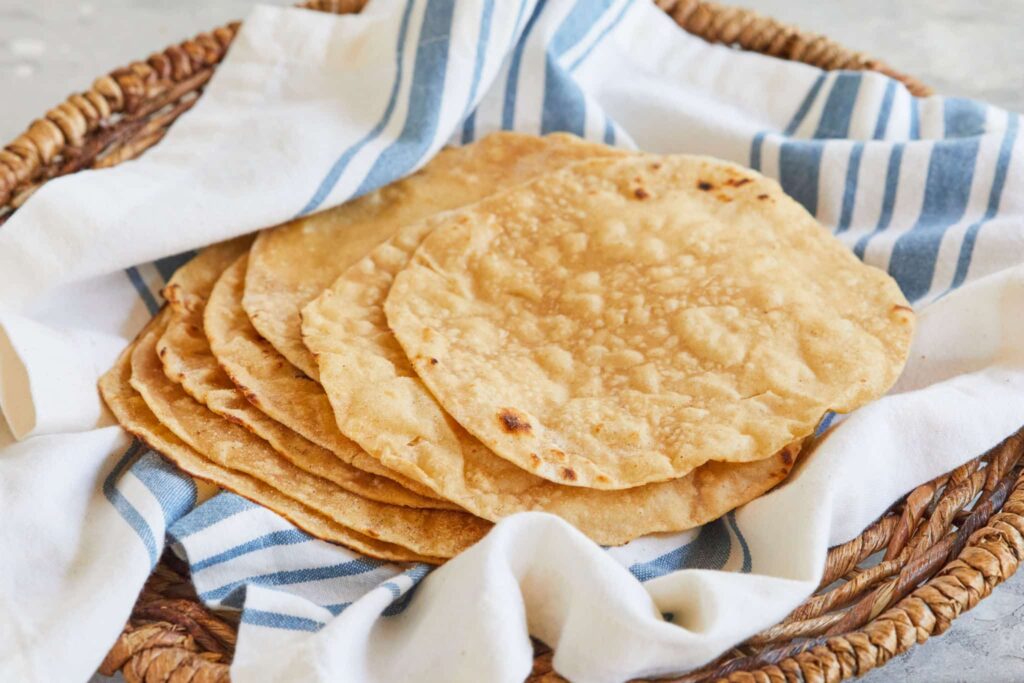
- Roti is one of the oldest breads in human history, especially in the Indian subcontinent.
- It is known by different names: phulka, chapati, rotli, poli depending on region and language.
- In Indian culture, sharing roti is a sign of family and community—a symbol of equality and togetherness.
- Unlike Western bread, roti is usually made fresh for every meal and not stored for long periods.
Final Thoughts
So, what is roti called in English?
The simplest and most accurate name is “Indian unleavened flatbread.” While this captures the preparation method, what makes roti truly special is its deep connection to Indian homes and traditions. Whether served with dal, curry, or just a dollop of ghee, roti is a humble yet powerful part of India’s culinary identity.