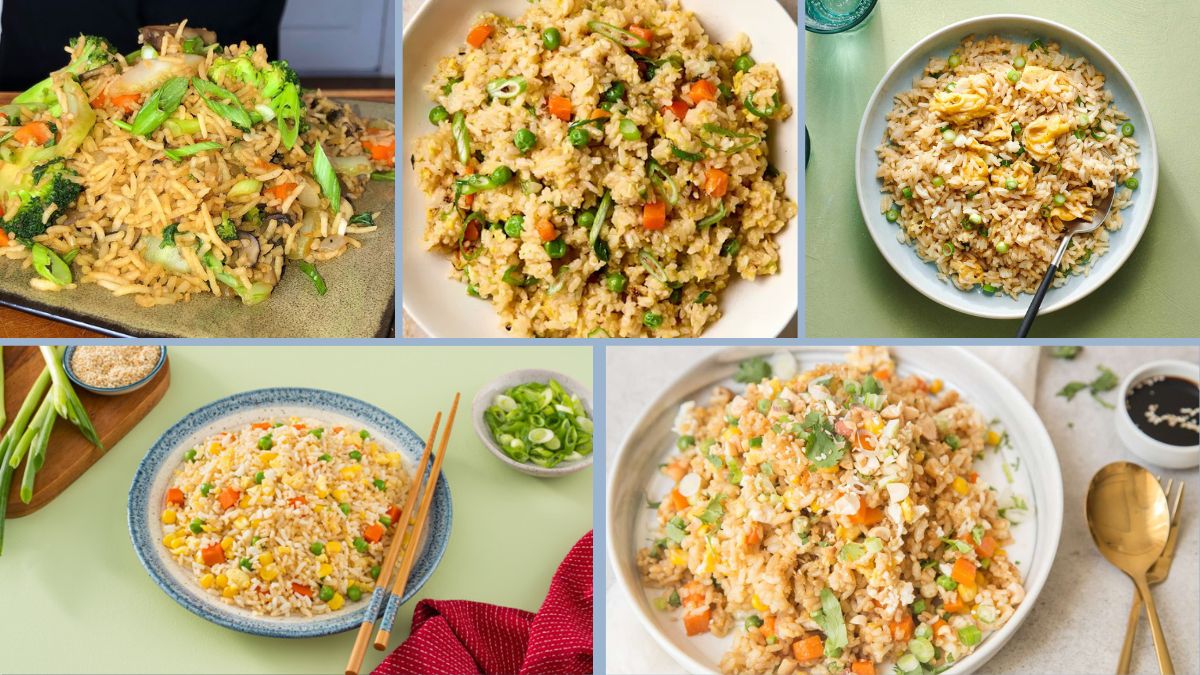
Vegetable Fried Rice is one of the most beloved dishes across cultures. Whether served as a main course or a flavorful side, it is known for its quick preparation, minimal ingredients, and universal appeal. In its simplest form, vegetable fried rice is a combination of cooked rice, fresh vegetables, and aromatic seasonings — stir-fried together to create a wholesome and delicious meal.
What makes this dish exceptional is its versatility and ease. You don’t need exotic ingredients or professional skills — just a few pantry staples and some creativity. Moreover, it is an ideal way to use leftover rice and reduce kitchen waste. This guide outlines a foolproof 5-step method to prepare vegetable fried rice without hassle, using only vegetarian ingredients.
Step 1: Gathering the Ingredients and Preparation
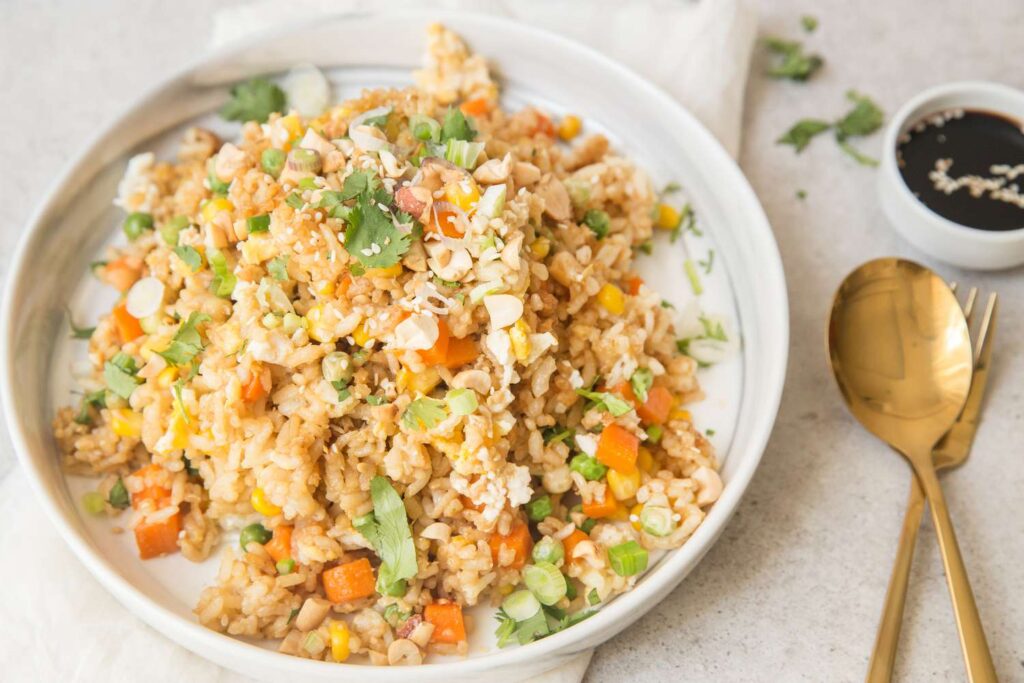
Before you start cooking, it’s essential to prep your ingredients. This makes the process smooth and ensures that all vegetables are evenly cooked, without overcooking or burning.
Essential Ingredients:
- Cooked rice – 2 to 3 cups (preferably leftover or cold rice)
- Vegetable oil or sesame oil – 2 tablespoons
- Ginger – 1 teaspoon, finely chopped
- Garlic – 1 tablespoon, finely chopped
- Green chili – 1 (optional)
- Spring onions – ½ cup, finely chopped (use both white and green parts)
- Mixed vegetables – 1½ to 2 cups, finely chopped
- Options include:
- Carrots
- French beans
- Bell peppers (red, yellow, green)
- Sweet corn
- Green peas
- Cabbage
- Zucchini (optional)
- Options include:
Seasonings:
- Soy sauce – 1 to 2 teaspoons (choose a naturally brewed, vegetarian version)
- Vinegar – 1 teaspoon (rice vinegar or white vinegar)
- Black pepper – ½ teaspoon (freshly ground)
- Salt – to taste
Preparation Tips:
- Chop all vegetables into small, uniform pieces for even cooking.
- Use day-old rice for best texture. Freshly cooked rice tends to be too soft and may turn mushy.
- Keep ingredients ready near the stove; the stir-frying process is quick and requires constant attention.
Step 2: Cooking the Vegetables
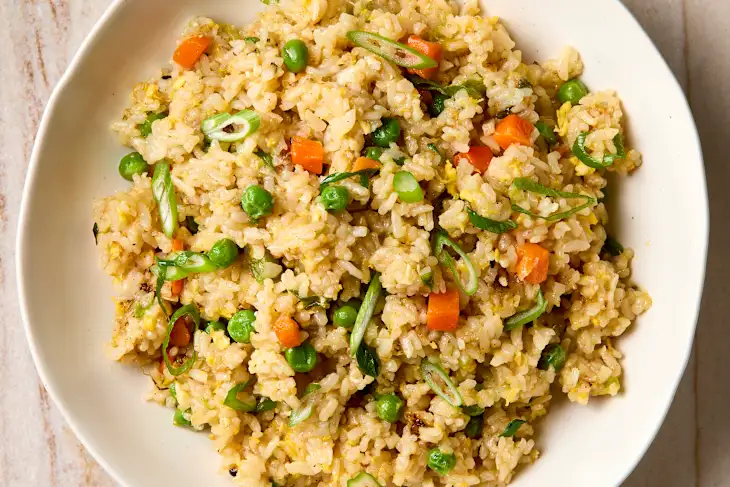
Cooking the vegetables correctly is crucial to maintain their crunch, color, and nutritional value.
Instructions:
- Heat a wok or large pan over high heat. Add 2 tablespoons of oil.
- Once the oil is hot (but not smoking), add the chopped garlic, ginger, and green chili. Stir-fry for 30 seconds until fragrant.
- Add the white part of the spring onions. Sauté for another 30 seconds.
- Now add the chopped vegetables starting with the firm ones like carrots and beans. Gradually add bell peppers, corn, and peas.
- Stir-fry on high heat for 3 to 5 minutes. The vegetables should be cooked yet crisp.
Pro Tip: Do not overcook. The key to restaurant-style fried rice is cooking on high heat with constant stirring to avoid steaming the vegetables.
Step 3: Adding the Rice and Combining Flavors
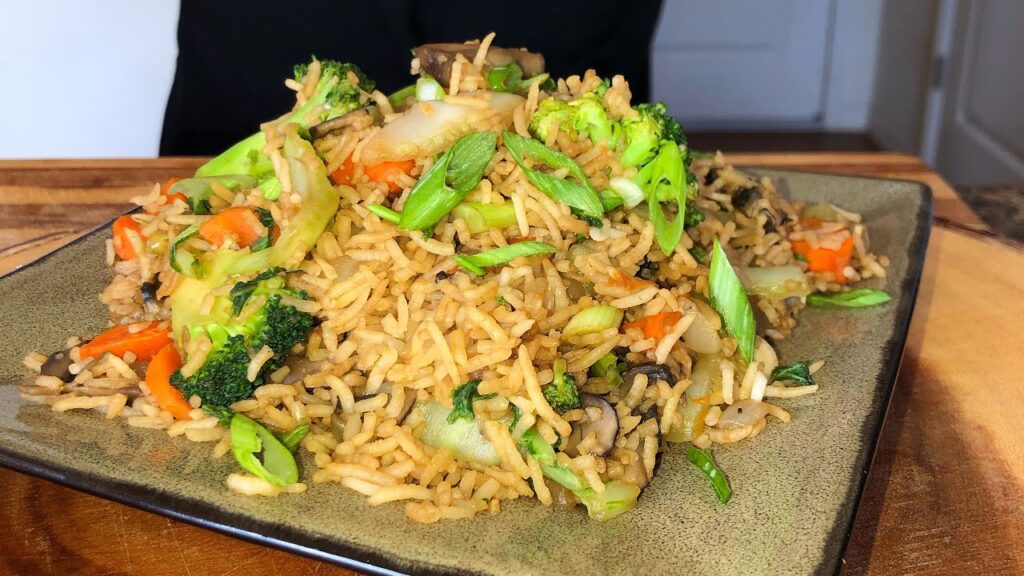
Once the vegetables are cooked to your liking, it’s time to introduce the rice and create the flavor profile of the dish.
Instructions:
- Lower the heat slightly and add the cooked rice to the wok.
- Gently break up the rice using a spatula or fork to avoid clumps.
- Add soy sauce, vinegar, black pepper, and a little salt. Remember, soy sauce already contains salt, so adjust accordingly.
- Toss or stir the mixture gently to coat the rice evenly with the seasonings and vegetables.
- Increase the heat and stir-fry for 2 to 3 minutes until the rice is heated through and slightly crisped at the bottom.
Optional Add-ins:
- Toasted sesame seeds for extra flavor and crunch
- Chili sauce or sriracha for added heat
- Crushed peanuts or cashews for texture
Step 4: Finishing Touches and Garnishing
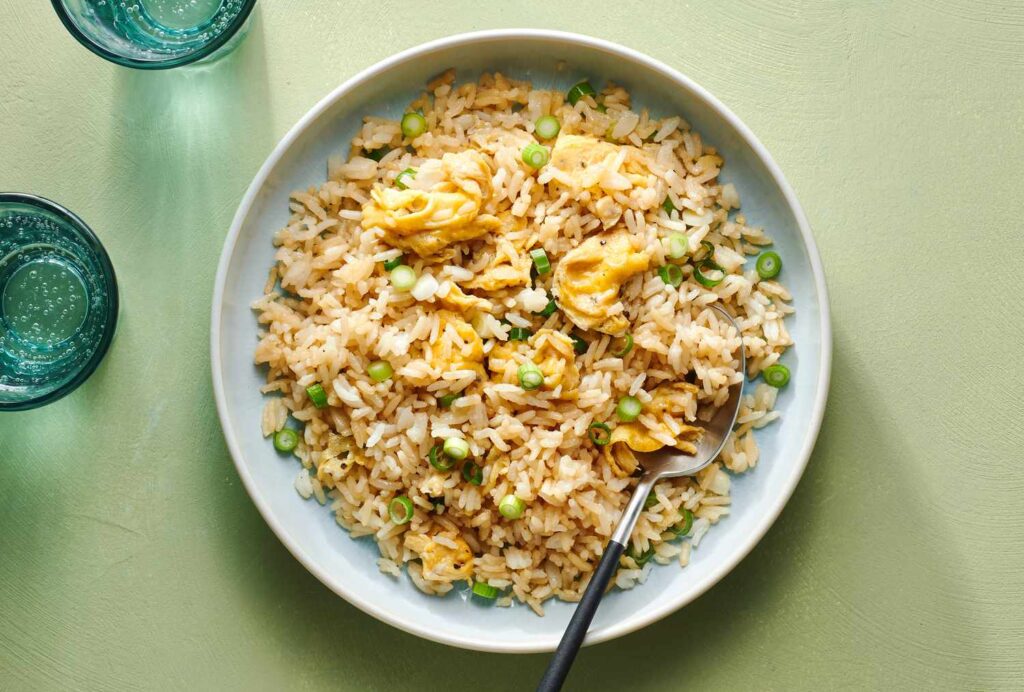
Final touches make a huge difference in transforming a simple vegetable fried rice into a memorable dish.
Instructions:
- Turn off the heat and add the green part of the spring onions.
- For a glossy finish, you can drizzle a teaspoon of sesame oil at the end.
- Mix gently and let the rice sit for a minute to allow flavors to meld.
Garnishing Ideas:
- Chopped coriander (optional, though more common in Indian-style fried rice)
- Fresh lime wedges
- A sprinkle of crushed red pepper flakes
These finishing elements not only enhance the flavor but also elevate the presentation, making the dish perfect for dinner nights or casual gatherings.
Step 5: Serving and Storage
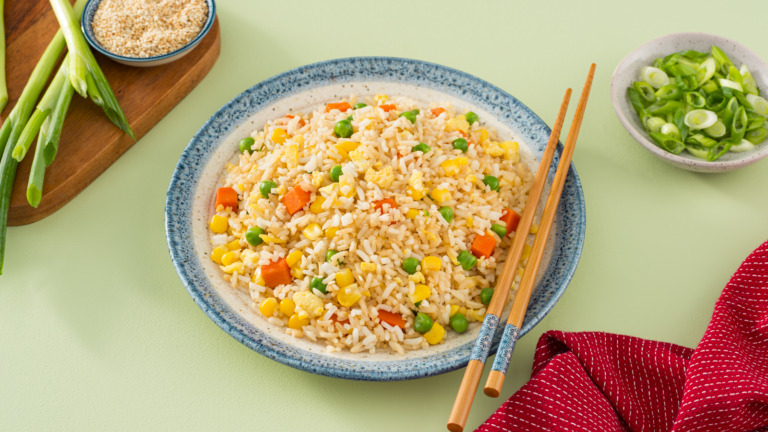
Vegetable fried rice is best served hot, fresh off the wok. However, it also stores well, making it ideal for meal prep or packed lunches.
Serving Suggestions:
- Serve as a main course with manchurian, chili paneer, or tofu stir-fry.
- As a standalone dish, pair it with a light soup like hot and sour soup or clear vegetable broth.
- Serve with a side of cucumber salad or kimchi for a fusion twist.
Storage Tips:
- Refrigerate leftover fried rice in an airtight container for up to 2-3 days.
- Reheat in a pan or microwave. Add a splash of water or soy sauce while reheating to restore moisture.
Why This Recipe Works Without Hassle
This recipe is designed to eliminate complexity while maximizing flavor and nutrition:
- Time-Efficient: Total cooking time is under 30 minutes.
- One-Pan Cooking: Minimal cleanup with just one wok or skillet.
- Budget-Friendly: Uses basic, everyday ingredients.
- Fully Vegetarian: No meat, eggs, or seafood.
- Highly Customizable: Adapt the veggies, seasonings, or even add tofu for protein.
Whether you are a student, a working professional, or a home cook, this recipe delivers taste and convenience in one satisfying bowl.
Nutritional Benefits of Vegetable Fried Rice
Vegetable Fried Rice is not just tasty — it’s also nutritionally balanced when prepared with the right ingredients:
| Component | Benefit |
|---|---|
| Vegetables | High in fiber, vitamins A, C, K, and antioxidants |
| Rice | Provides carbohydrates for energy |
| Garlic & Ginger | Boost immunity and digestion |
| Soy Sauce (Low-Sodium) | Adds flavor without too many calories |
| Minimal Oil Use | Keeps the dish light and heart-friendly |
To make it even healthier:
- Use brown rice or quinoa instead of white rice.
- Add plant-based protein like tofu, edamame, or tempeh.
- Cut down on sodium by using low-salt soy sauce or coconut aminos.
Conclusion: The Ultimate Weeknight Winner
Vegetable Fried Rice is proof that you don’t need elaborate ingredients or long hours in the kitchen to enjoy a satisfying meal. With just five easy steps, you can prepare a vibrant, flavorful dish that’s packed with nutrition, free from animal products, and utterly hassle-free.
Whether you’re cooking for one or feeding a family, this dish is an excellent choice for busy evenings, lazy weekends, or even lunchbox meals. It’s also a great way to introduce more vegetables into your diet without sacrificing taste or convenience.
So the next time you’re wondering what to make for dinner, open your fridge, grab some veggies, and whip up this simple yet delicious vegetable fried rice — your taste buds (and your schedule) will thank you.