
Vegetable stew is a timeless dish, loved across cultures for its comforting warmth and rich flavors. When paired with the creamy texture and subtle sweetness of coconut milk, it transforms into a luscious, nourishing meal perfect for any season. This article presents a detailed, easy-to-follow 6-step recipe for making a hearty vegetable stew with coconut milk. The recipe is completely vegetarian, focusing on fresh, wholesome ingredients that provide both nutrition and delight the palate.
Introduction: Why Vegetable Stew With Coconut Milk?
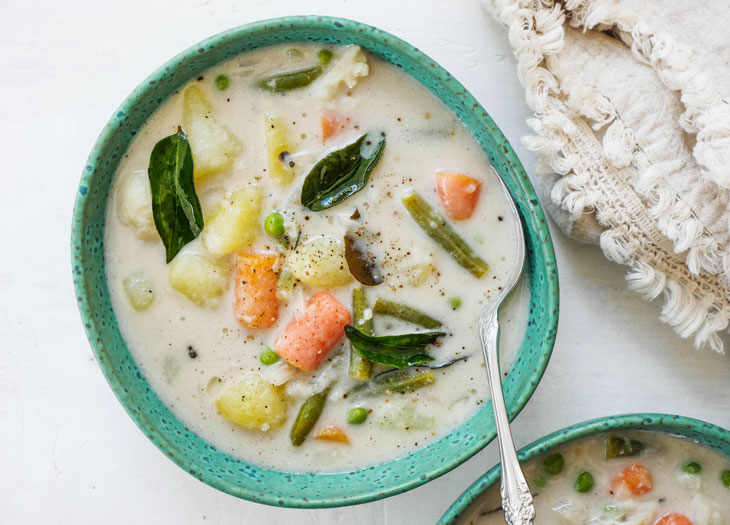
Vegetable stews are celebrated for their versatility, nutritional density, and ability to bring out the natural sweetness and textures of fresh produce. Coconut milk adds a luxurious creaminess and a tropical flavor profile, which complements the earthiness of root vegetables and the slight bitterness of leafy greens. The resulting stew is both hearty and light, rich in fiber, vitamins, and minerals, and perfect for anyone seeking a wholesome, plant-based meal.
Step 1: Selecting the Right Vegetables
The heart of this stew is its vegetables. Choosing a balance of root vegetables, leafy greens, and aromatics is crucial for a layered and satisfying flavor.
- Root vegetables: Carrots, potatoes, sweet potatoes, and parsnips offer natural sweetness and bulk.
- Cruciferous vegetables: Cauliflower and broccoli add texture and nutrition.
- Leafy greens: Spinach, kale, or collard greens contribute color, vitamins, and a slight bitterness that balances the sweetness.
- Aromatics: Onion, garlic, and ginger bring warmth and depth.
- Other options: Bell peppers and zucchini add freshness and variation.
Using seasonal vegetables enhances flavor and keeps the dish fresh and exciting. Aim for about 6-7 cups of chopped vegetables in total to make a large, filling stew.
Step 2: Preparing the Base and Aromatics
A good stew starts with a well-seasoned base. Sautéing the aromatics properly is key to building depth.
- Onion: Finely chop and sauté in a tablespoon of olive oil until translucent.
- Garlic: Mince and add, cooking until fragrant but not burnt.
- Ginger: Grated fresh ginger adds a subtle spicy warmth.
- Spices: Ground turmeric, cumin, coriander, and a pinch of smoked paprika enhance flavor complexity. Adding fresh or dried herbs like thyme or bay leaf is also recommended.
The slow sauté process unlocks the natural sugars in these ingredients and infuses the oil with flavor, which will then permeate the entire stew.
Step 3: Adding Vegetables and Building Layers of Flavor

After the aromatics are ready, add the harder vegetables like carrots, potatoes, and cauliflower. Stir well to coat the vegetables with the aromatic base.
Pour in vegetable broth or water to cover the vegetables partially. This liquid will help soften the vegetables during simmering and extract their flavors into the stew.
At this stage, also add salt, pepper, and optional chili flakes to adjust the heat level.
Allow the mixture to simmer gently for about 20-30 minutes until the vegetables are tender but still hold their shape.
Step 4: Incorporating Coconut Milk and Leafy Greens
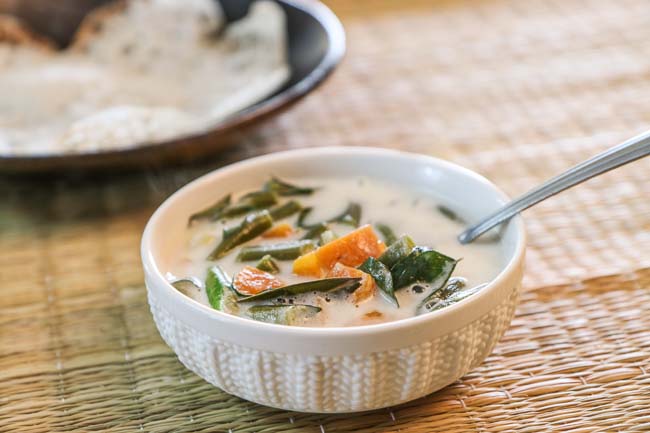
Once the vegetables are soft, it’s time to enrich the stew with coconut milk.
- Add one can (approximately 400 ml) of full-fat coconut milk to the pot.
- Stir gently to combine, allowing the stew to turn creamy and slightly thickened.
- Now add the leafy greens (spinach, kale, or collard greens). These will wilt quickly in the hot stew and add vibrant color and nutrients.
Simmer for an additional 5-10 minutes. Coconut milk not only adds creaminess but also provides healthy fats that improve the absorption of fat-soluble vitamins from the vegetables.
Step 5: Final Seasoning and Adjustments
Taste the stew and adjust seasoning as needed.
- Add more salt or pepper if required.
- A squeeze of fresh lemon or lime juice brightens the flavors and balances the richness of the coconut milk.
- For a touch of sweetness, a teaspoon of maple syrup or agave nectar can be added.
- Fresh herbs such as chopped cilantro or parsley sprinkled on top provide freshness and aroma.
This final step ensures the stew has a balanced profile of sweet, savory, tangy, and spicy notes.
Step 6: Serving Suggestions and Storage
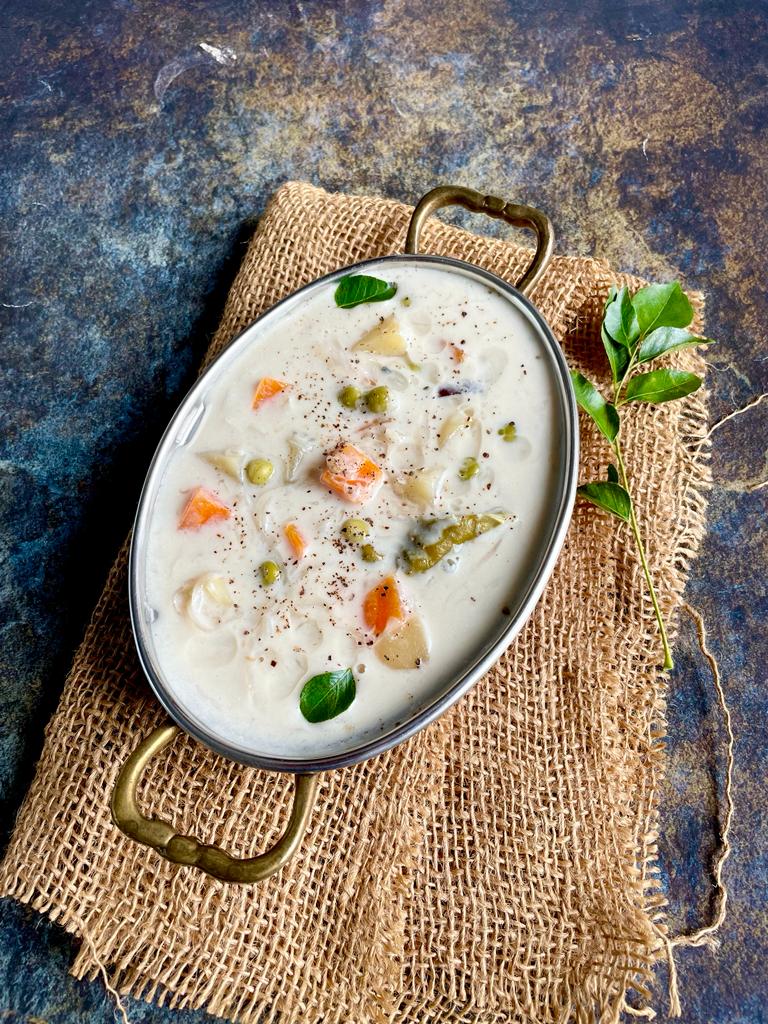
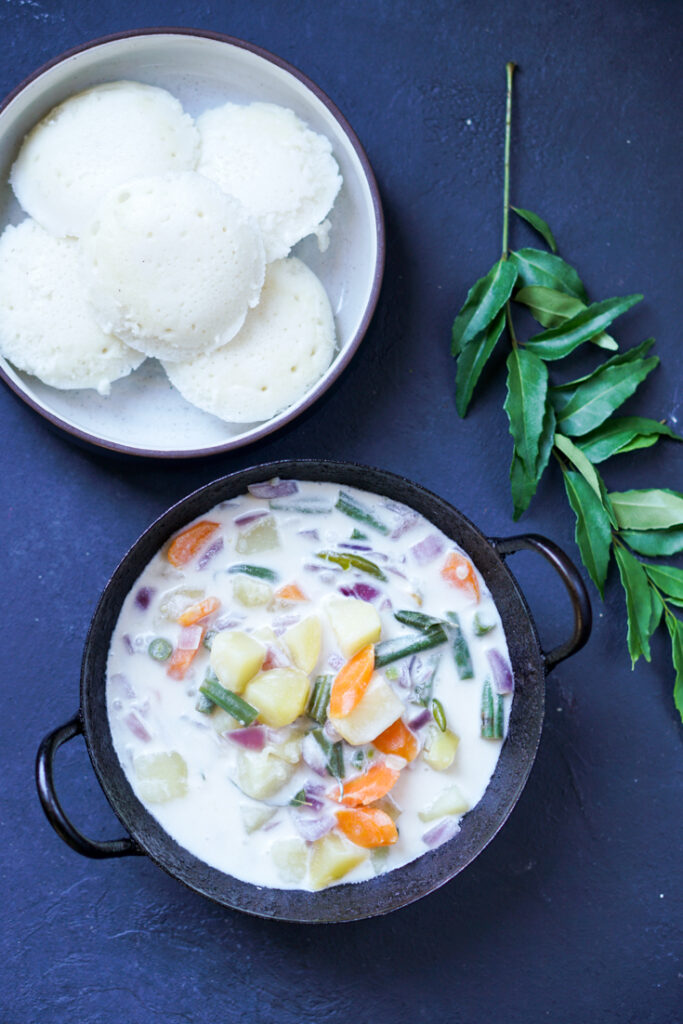
Vegetable stew with coconut milk can be served on its own as a wholesome, warming meal or paired with:
- Steamed rice or quinoa for a filling bowl.
- Crusty whole-grain bread for dipping.
- A side of roasted nuts or seeds for added texture and protein.
The stew keeps well in the refrigerator for up to 4 days and freezes beautifully for up to 3 months, making it a convenient option for meal prep.
Nutritional Benefits of This Hearty Vegetable Stew
This recipe is packed with nutrients:
- Fiber: Root vegetables and leafy greens provide dietary fiber essential for digestive health.
- Vitamins and minerals: Carrots offer vitamin A, leafy greens contribute vitamin K, calcium, and iron, and coconut milk adds magnesium and potassium.
- Healthy fats: Coconut milk contains medium-chain triglycerides (MCTs) known to support metabolism.
- Antioxidants: Spices like turmeric and garlic add powerful antioxidants that help reduce inflammation.
Conclusion
This 6-step recipe for hearty vegetable stew with coconut milk is a simple, nutritious, and delicious meal perfect for vegetarians and anyone looking to enjoy a wholesome plant-based dish. The balance of fresh vegetables, warming spices, and creamy coconut milk creates a stew that is both comforting and exciting to the palate.
Whether you’re cooking for yourself, your family, or preparing meals ahead of time, this stew promises satisfaction, health benefits, and a celebration of fresh, natural flavors. Give it a try, customize it to your taste, and enjoy the warmth and nourishment it brings to your table.