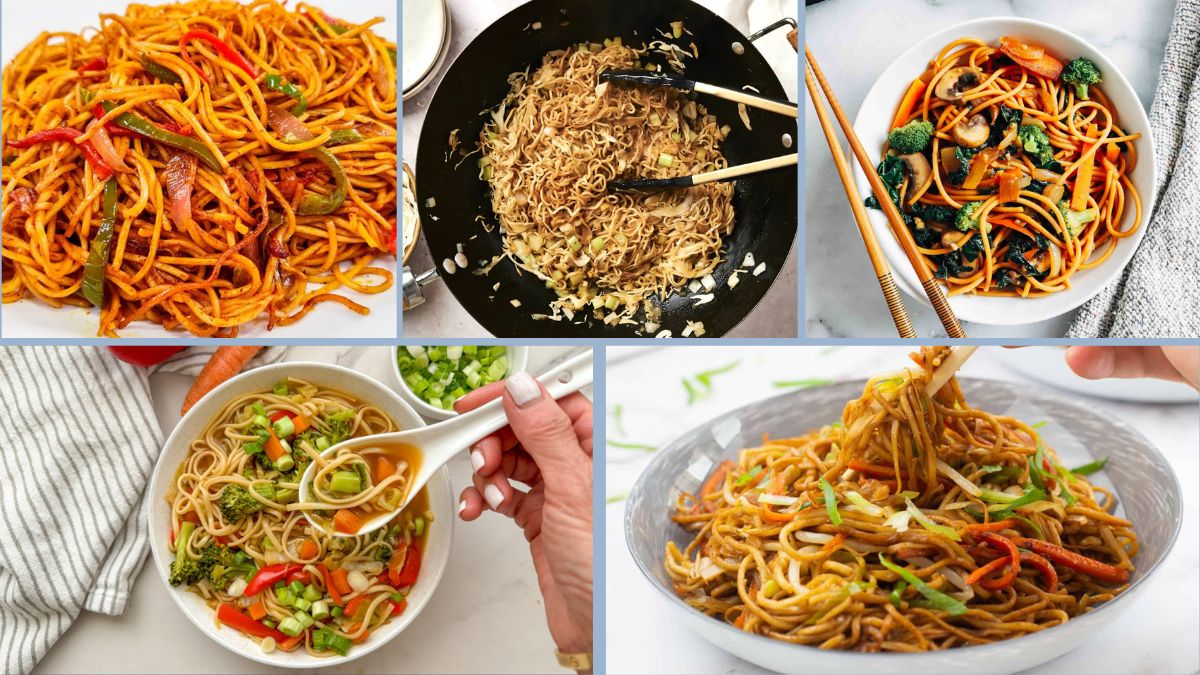
Veg Chow Mein is a beloved Indo-Chinese dish that brings together the crunch of fresh vegetables and the savory taste of stir-fried noodles. This vibrant, quick, and healthy meal has become a staple in many households, restaurants, and street food stalls across India and beyond. Its appeal lies not only in its delightful flavors and textures but also in its flexibility, allowing you to customize it with your favorite seasonal vegetables.
This article presents an 8-step recipe for preparing delicious, aromatic, and flavorful vegetarian Chow Mein at home, with no non-vegetarian ingredients involved. From selecting fresh veggies to mastering the perfect stir-fry technique, each step is designed to guide you toward a perfect bowl of Chow Mein that’s both nutritious and satisfying.
Step 1: Choosing the Right Noodles
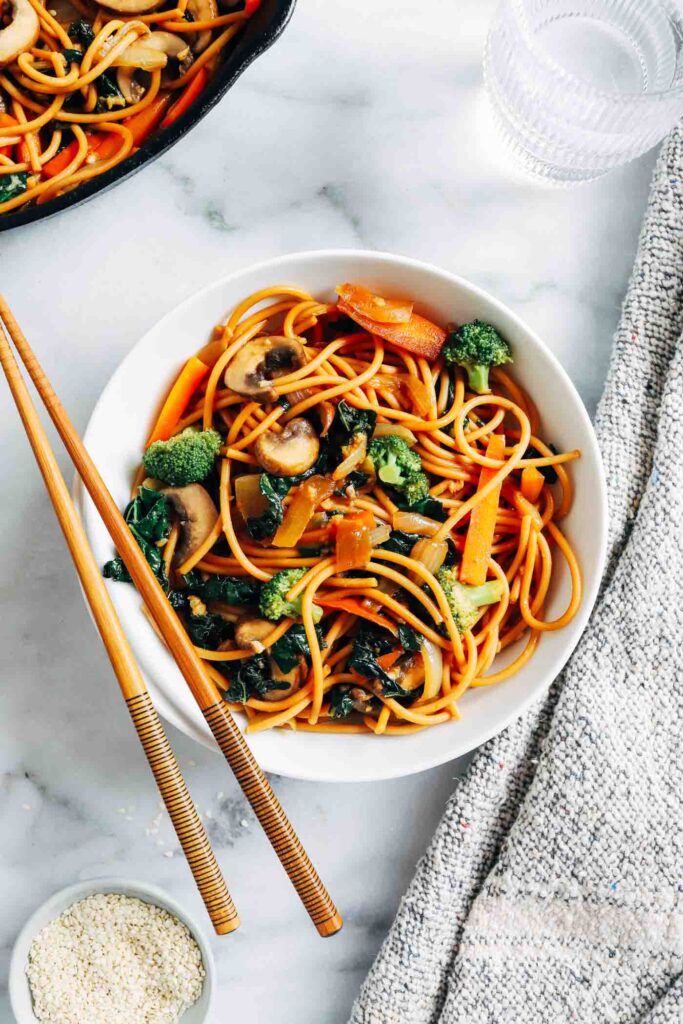
The foundation of any great Chow Mein is the noodles. For a traditional texture and taste, use thin or medium-thick eggless noodles made from refined wheat flour or whole wheat, depending on your preference. These noodles are widely available in most grocery stores.
Before cooking, rinse the noodles under cold water after boiling to stop the cooking process and prevent them from sticking together. Set aside.
Step 2: Selecting Fresh Seasonal Vegetables
Veg Chow Mein shines when made with a colorful mix of fresh, crunchy vegetables. Choose a variety of textures and flavors to keep the dish interesting:
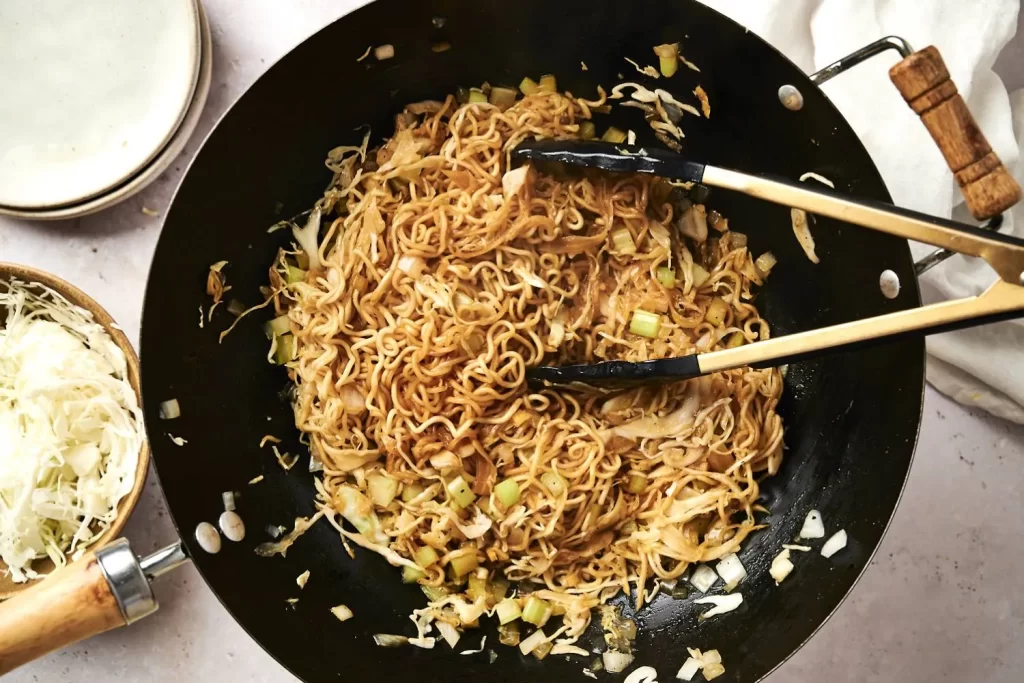
- Carrots (julienned or thinly sliced)
- Bell peppers (red, yellow, green)
- Cabbage (thinly shredded)
- Spring onions (green and white parts separated)
- Beans or snow peas
- Baby corn
- Mushrooms (optional)
- Broccoli florets
Using seasonal vegetables not only enhances the taste but also ensures maximum nutrition and sustainability.
Step 3: Preparing the Vegetables and Aromatics
Wash and cut the vegetables uniformly for even cooking. Julienne or thinly slice them to maintain a crunchy texture after stir-frying.
For aromatics:
- Finely chop garlic and ginger.
- Slice green chilies if you prefer some heat.
These aromatics will infuse your Chow Mein with a fragrant, savory base.
Step 4: Making the Sauce
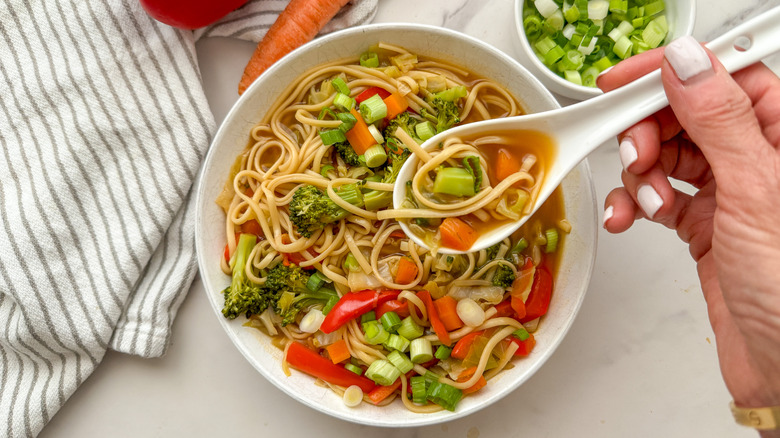
The sauce is the soul of flavorful Chow Mein. A balanced blend of salty, sweet, tangy, and umami flavors is essential.
Ingredients for the sauce:
- Soy sauce (1.5 to 2 tablespoons)
- Chili sauce or Sriracha (optional, 1 teaspoon for mild heat)
- Vinegar (1 teaspoon, preferably white or rice vinegar)
- Sugar (1 teaspoon to balance flavors)
- Black pepper powder (to taste)
- Cornstarch slurry (1 teaspoon cornstarch mixed with 2 tablespoons water) to thicken the sauce
Mix all ingredients well in a small bowl and keep aside.
Step 5: Cooking the Noodles
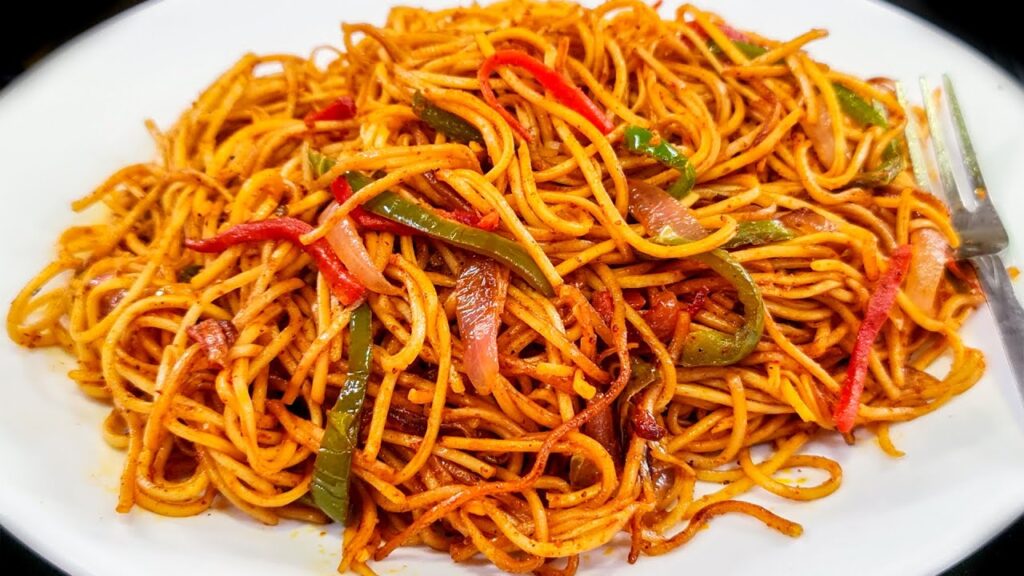
Boil the noodles in salted water as per package instructions, typically 2-3 minutes for thin noodles. Avoid overcooking to maintain their firm texture.
Drain and rinse with cold water immediately to stop cooking and prevent stickiness. Toss with a few drops of oil to keep them separate. Set aside.
Step 6: Stir-Frying the Vegetables
- Heat 2 tablespoons of oil (preferably vegetable or sesame oil) in a large wok or skillet on high heat.
- Add mustard seeds (optional) and wait until they pop.
- Add chopped garlic, ginger, and green chilies; sauté for 30 seconds until fragrant.
- Add harder vegetables first—carrots, beans, broccoli, and baby corn—stir-fry for 2-3 minutes.
- Add softer vegetables like bell peppers, cabbage, mushrooms, and spring onion whites; cook for another 2 minutes.
- Keep the vegetables crunchy by cooking on high heat and stirring continuously.
Step 7: Combining Noodles with Vegetables and Sauce
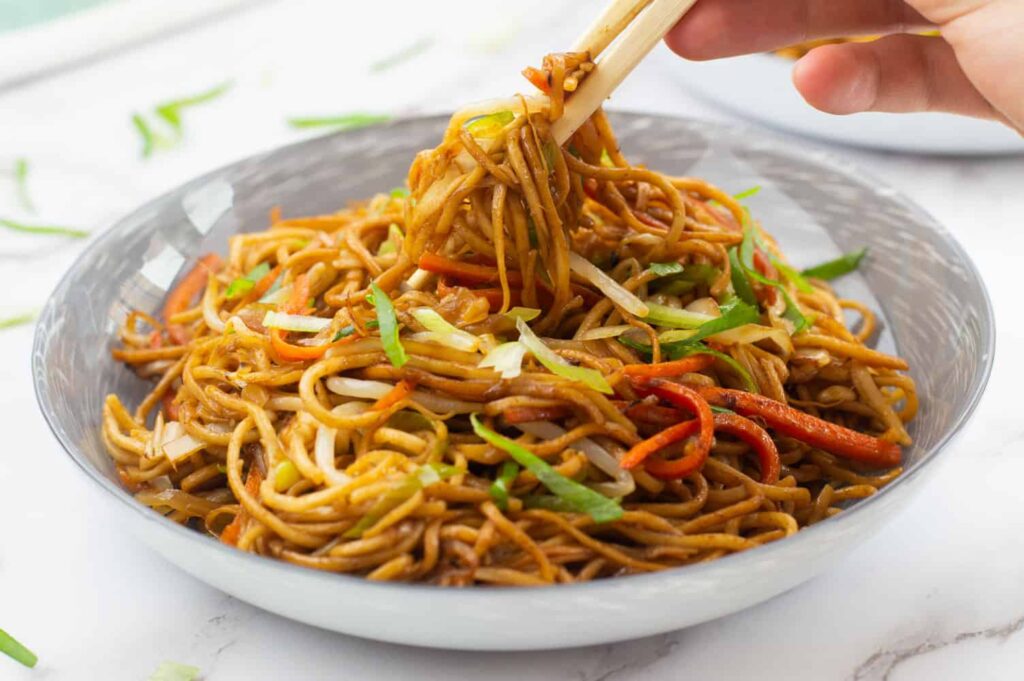
- Add the cooked noodles to the wok with vegetables.
- Pour the prepared sauce over the noodles.
- Toss gently but thoroughly to coat noodles and vegetables with the sauce evenly.
- Cook for 1-2 minutes, allowing the sauce to thicken slightly and absorb into the noodles.
- Add spring onion greens and toss once more for freshness.
Step 8: Garnishing and Serving
Your flavorful veg Chow Mein is now ready!
- Garnish with freshly chopped spring onion greens or coriander.
- Sprinkle some toasted sesame seeds for added texture and aroma.
- Serve hot with a side of chili sauce or soy sauce.
This dish pairs well with fried rice or as a standalone meal for lunch or dinner.
Nutritional Benefits and Tips
- Rich in fiber and vitamins: Fresh vegetables provide essential nutrients.
- Good source of carbohydrates: Noodles give quick energy.
- Low in fat: Stir-frying with minimal oil keeps the dish light.
- Gluten considerations: Use gluten-free noodles if needed.
Tips for Perfect Veg Chow Mein:
- Cook vegetables on high heat to retain crunch and color.
- Avoid overcooking noodles to prevent mushiness.
- Adjust sauce ingredients to taste, balancing sweetness, saltiness, and tang.
- Use fresh ginger and garlic for authentic aroma.
- Don’t overcrowd the wok to ensure even cooking.
Conclusion
Veg Chow Mein is a quick, flavorful, and nutritious meal that can be effortlessly prepared at home using this 8-step recipe. By focusing on fresh ingredients, a balanced sauce, and proper cooking techniques, you can enjoy restaurant-style Chow Mein that’s wholesome and purely vegetarian.
This versatile dish is perfect for busy weekdays, special occasions, or when you crave a delicious Indo-Chinese fusion treat. With these steps, you’re well-equipped to create a dish that satisfies both the palate and the body, celebrating the best of home-cooked vegetarian cuisine.