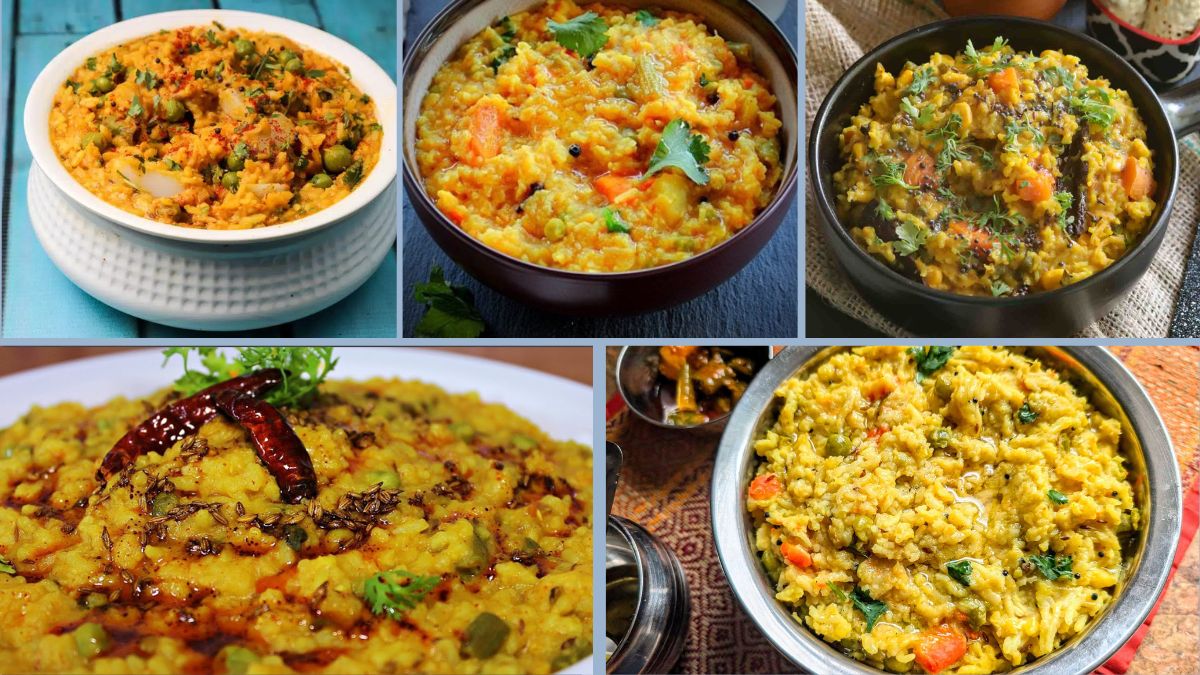
In today’s fast-paced lifestyle, the need for meals that are both nourishing and effortless has become increasingly important. Vegetable khichdi, a wholesome combination of rice, lentils, and vegetables, perfectly fits this requirement. It is a comforting, easily digestible dish widely appreciated across households, especially on lazy days when cooking elaborate meals is not an option. Known for its simplicity, high nutritional value, and versatility, vegetable khichdi can be prepared in a few easy steps without compromising on taste. This article presents a comprehensive guide to making vegetable khichdi in five easy steps, emphasizing its health benefits, flavor profiles, and practical cooking tips.
Introduction to Vegetable Khichdi
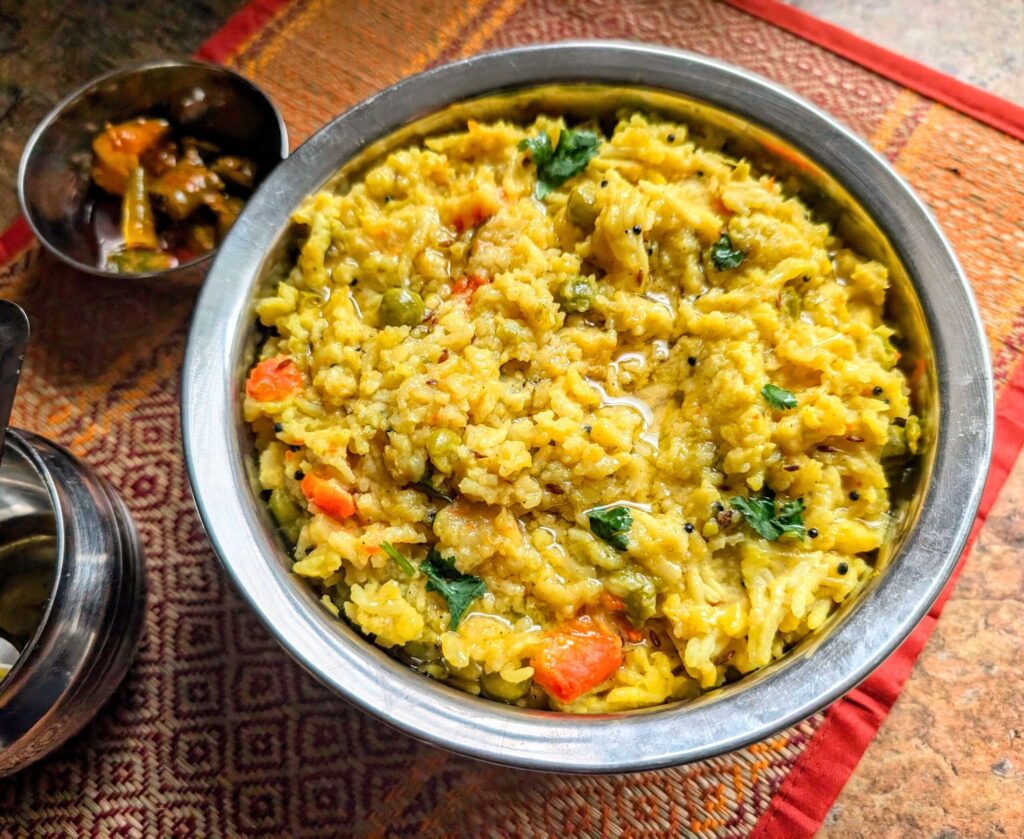
Khichdi is often referred to as a “complete meal” because it combines essential macronutrients: carbohydrates from rice, proteins from lentils, and fibers, vitamins, and minerals from vegetables. Traditionally, it is prepared with a mild tempering of spices and ghee, making it gentle on the digestive system while being flavorful. Its one-pot preparation makes it ideal for individuals seeking minimal effort in cooking without sacrificing nutrition.
The vegetarian nature of khichdi ensures that it is suitable for all age groups and dietary preferences. By incorporating a variety of seasonal vegetables, it can be customized for taste, texture, and nutrient content, making it a versatile option for both everyday meals and special occasions.
Ingredients Required
Before starting, gather the following ingredients for a wholesome vegetable khichdi:
Main Ingredients:
- 1 cup rice (preferably basmati or short-grain)
- ½ cup moong dal (yellow split lentils)
- 2 cups mixed vegetables (carrots, peas, beans, cauliflower, capsicum)
- 1 medium onion, finely chopped
- 1–2 green chilies, slit
- 1 teaspoon ginger-garlic paste
Spices and Seasoning:
- ½ teaspoon turmeric powder
- ½ teaspoon cumin seeds
- 1–2 tablespoons ghee or oil
- Salt to taste
- Fresh coriander leaves for garnish
Optional Ingredients:
- A pinch of asafoetida (hing) for better digestion
- Lemon wedges or pickle as accompaniments
Step 1: Preparing the Ingredients
The first step in creating a perfect vegetable khichdi is proper preparation. Wash the rice and moong dal thoroughly to remove excess starch and impurities. Soaking the rice and lentils for 15–20 minutes can reduce cooking time and ensure a softer, fluffier texture.
Wash, peel, and chop all vegetables into small, uniform pieces. Uniform chopping ensures even cooking and enhances the overall presentation of the dish. Preparing the vegetables in advance is crucial for a smooth and hassle-free cooking process, especially on lazy days when minimal effort is desired.
Step 2: Tempering the Spices
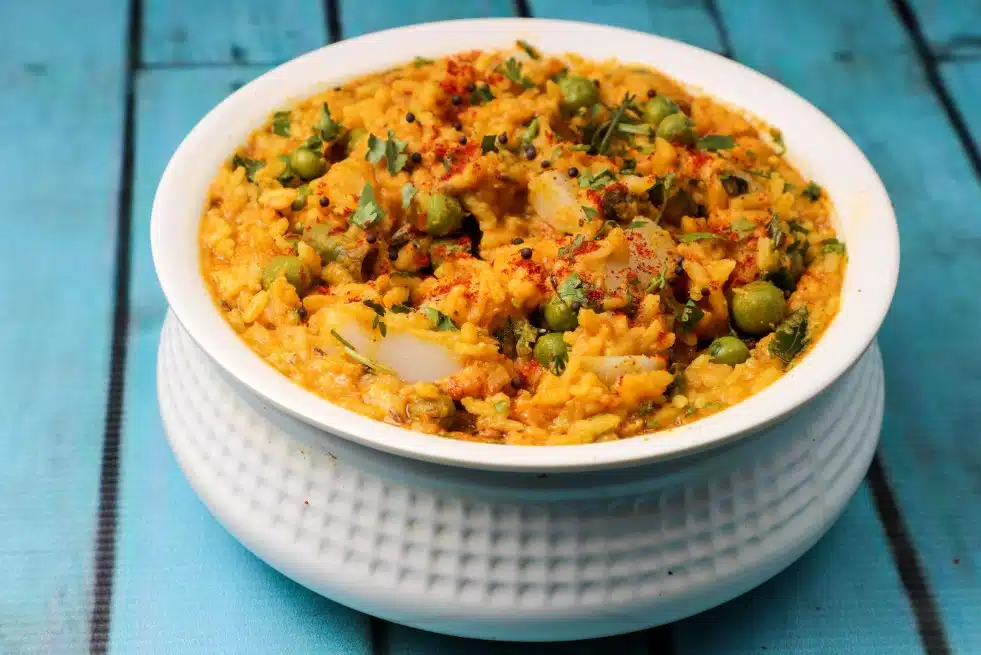
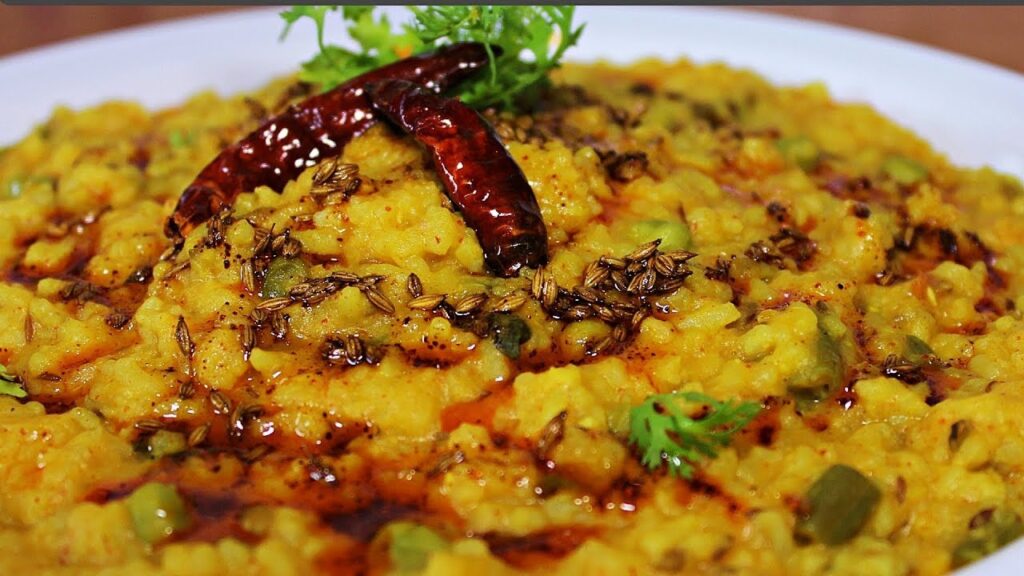
Tempering, or “tadka,” is an essential step that infuses the khichdi with aromatic flavors. Heat ghee or oil in a deep pan or pressure cooker. Add cumin seeds and let them sizzle until fragrant. If using asafoetida, add it at this stage. Next, add finely chopped onions and green chilies, sautéing them until the onions turn translucent.
Incorporate the ginger-garlic paste and sauté briefly until the raw smell disappears. This tempering not only adds flavor but also improves digestibility. A well-tempered base forms the backbone of a tasty khichdi, ensuring that every spoonful is aromatic and satisfying.
Step 3: Cooking the Rice, Lentils, and Vegetables
After preparing the tempering, it’s time to combine the main ingredients. Add the soaked rice and moong dal to the pan and sauté for 1–2 minutes to coat them with the spices. This step enhances flavor and prevents the rice from becoming mushy.
Add chopped vegetables and turmeric powder, followed by water. The standard water-to-rice-and-lentil ratio is usually 3:1, but it can be adjusted depending on whether you prefer a thicker or more porridge-like consistency. Cover the pan and let the mixture cook.
For pressure cooking, cook for 2–3 whistles on medium heat, then allow the pressure to release naturally. If using a regular pan, simmer on low heat until the rice, lentils, and vegetables are tender and well-cooked. Stir occasionally to prevent sticking or burning at the bottom.
Step 4: Adjusting Consistency and Seasoning
Once the khichdi is cooked, check the consistency. Vegetable khichdi can be served thick or slightly runny, depending on preference. If the mixture is too thick, add a little hot water and simmer for a few more minutes. Taste and adjust salt accordingly.
For enhanced flavor, a small knob of ghee can be added on top just before serving. Garnish with freshly chopped coriander leaves, which add freshness and visual appeal. The simplicity of this step allows for easy customization, making the dish more appealing even on days when effort is minimal.
Step 5: Serving the Khichdi
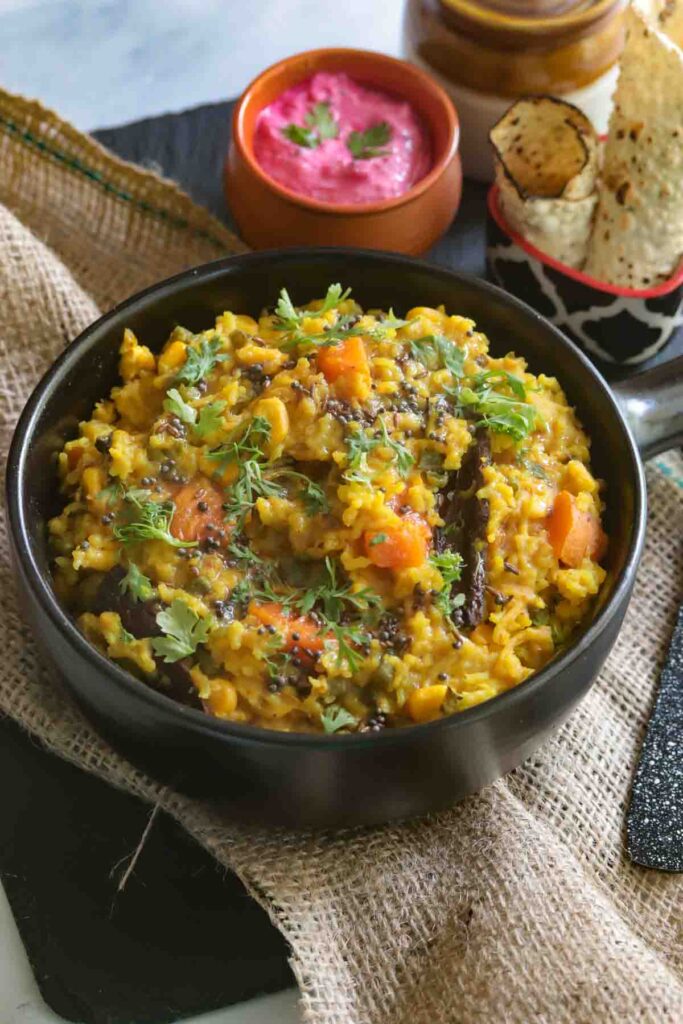
Vegetable khichdi is best enjoyed hot, straight from the pan or pressure cooker. Traditionally, it is served with accompaniments such as yogurt, pickle, or papad, which complement its mild flavor. A squeeze of lemon can enhance taste while adding a subtle tanginess.
For a complete meal, khichdi can also be paired with a side salad or roasted vegetables. Its wholesome nature makes it suitable for breakfast, lunch, dinner, or even a light snack. On lazy days, vegetable khichdi stands out as a comfort food that requires minimal effort while delivering maximum satisfaction.
Nutritional Benefits
Vegetable khichdi is a powerhouse of nutrition. Rice provides carbohydrates for energy, while moong dal is an excellent source of plant-based protein and fiber. The mixed vegetables supply essential vitamins (A, C, K) and minerals (iron, magnesium, potassium), making the dish well-rounded and nutrient-dense.
Using minimal oil or ghee ensures that khichdi remains low in fat, while the inclusion of spices like turmeric and cumin adds antioxidant and anti-inflammatory properties. Its easily digestible nature makes it suitable for all age groups, including children and elderly individuals. For individuals seeking a light, wholesome, and balanced meal, vegetable khichdi is ideal.
Tips for Lazy Day Cooking
- Use a Pressure Cooker or Instant Pot: Reduces cooking time significantly and ensures even cooking.
- Pre-Chopped Vegetables: Keep frozen or chopped vegetables ready for use.
- Batch Cooking: Prepare larger quantities and refrigerate or freeze portions for later use.
- Minimal Cleaning: Using one pot or pressure cooker minimizes cleanup, perfect for lazy days.
- Experiment with Spices: Mild spices ensure comfort, while additional seasonings can enhance flavor as desired.
Conclusion
Vegetable khichdi is the ultimate comfort food for lazy days, combining taste, nutrition, and ease of preparation. By following the five easy steps—preparing ingredients, tempering spices, cooking rice, lentils, and vegetables, adjusting consistency, and serving—you can create a wholesome, satisfying meal in minimal time. Its fully vegetarian composition, high nutritional value, and adaptability make it a favorite across households.
With a little preparation and thoughtful selection of vegetables, khichdi can be transformed into a delightful, nourishing dish that meets the needs of a busy lifestyle. It stands as a testament to the beauty of simplicity in cooking, proving that even on the laziest of days, a wholesome, tasty, and fulfilling meal is just five steps away.