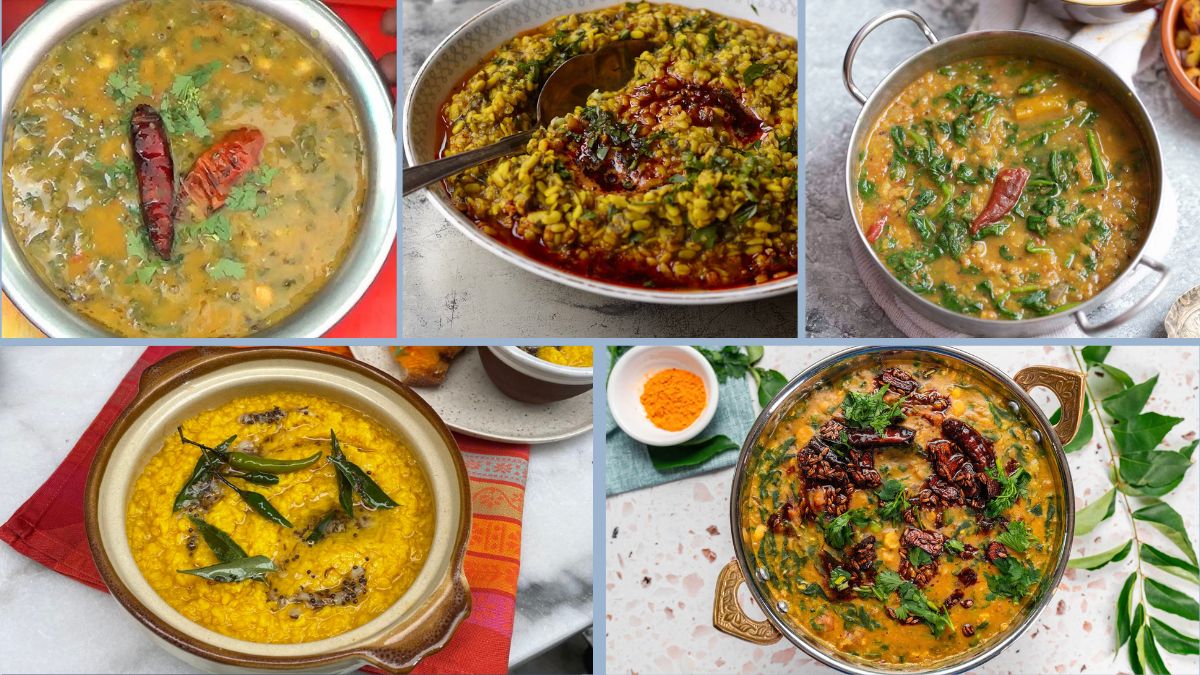
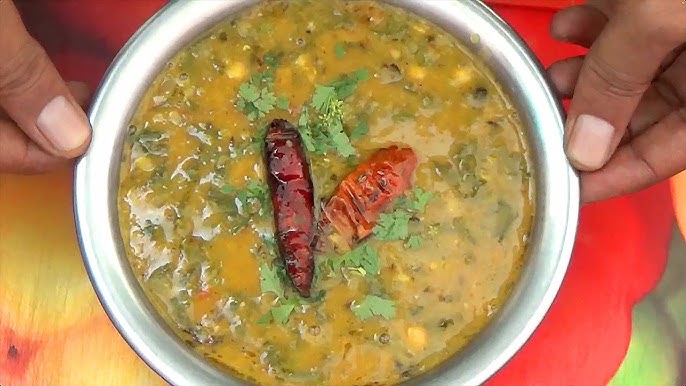
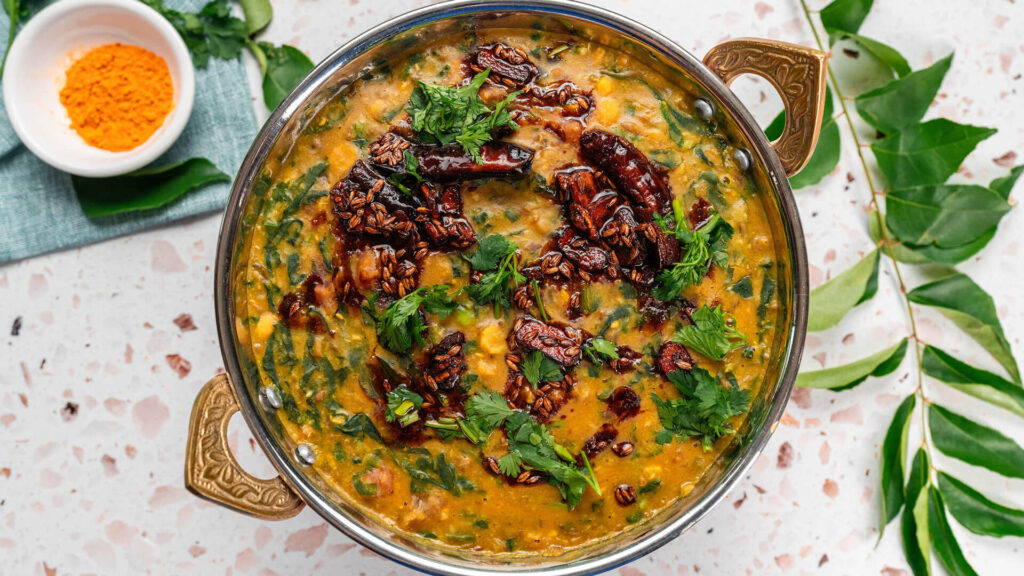
Palak Dal, a fusion of lentils and spinach, is a staple in Indian cuisine known for its high nutritional value and comforting taste. Combining protein-rich dal with iron- and vitamin-packed spinach creates a dish that supports overall health. This paper presents a 6-step method for preparing Palak Dal, focusing on maximizing nutrition, flavor, and digestibility while adhering to vegetarian principles and minimal oil usage.
Introduction
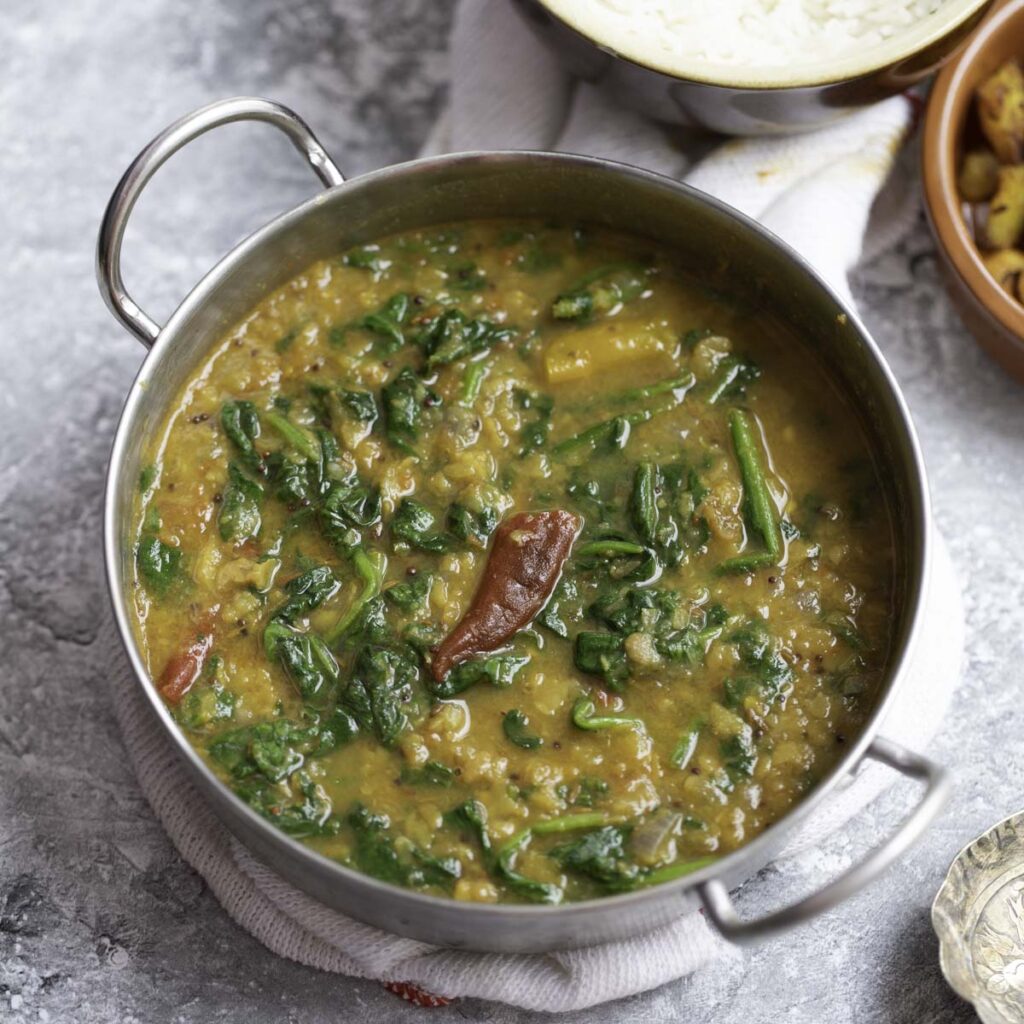
Lentils (dal) are a cornerstone of Indian diets, providing essential protein, fiber, and micronutrients. Spinach (palak), rich in iron, calcium, and antioxidants, complements dal both nutritionally and texturally. The combination forms a balanced, plant-based meal, offering protein, vitamins, minerals, and fiber in one dish.
Palak Dal is versatile—it can be served with rice, roti, or even as a standalone soup. By integrating Indian spices, this dish provides depth of flavor while remaining low in fat and high in health benefits. This paper outlines a 6-step recipe to prepare Palak Dal that is both nutritious and palatable for all age groups.
Step 1: Selecting Quality Ingredients
1a. Lentils
- Toor dal (pigeon peas), moong dal (split green gram), or masoor dal (red lentils) are ideal.
- Rinse thoroughly under running water to remove dust and reduce bitterness.
1b. Spinach
- Use fresh, tender spinach leaves for the best taste and color.
- Wash thoroughly to remove grit and soil.
1c. Aromatics & Spices
- Onions, garlic, and ginger for flavor base
- Tomatoes for tanginess
- Spices: cumin seeds, turmeric, coriander powder, and mild chili powder
- Optional: garam masala for finishing
Tip: Choose fresh, seasonal vegetables and aromatic spices for maximum flavor and nutritional density.
Step 2: Preparing Lentils
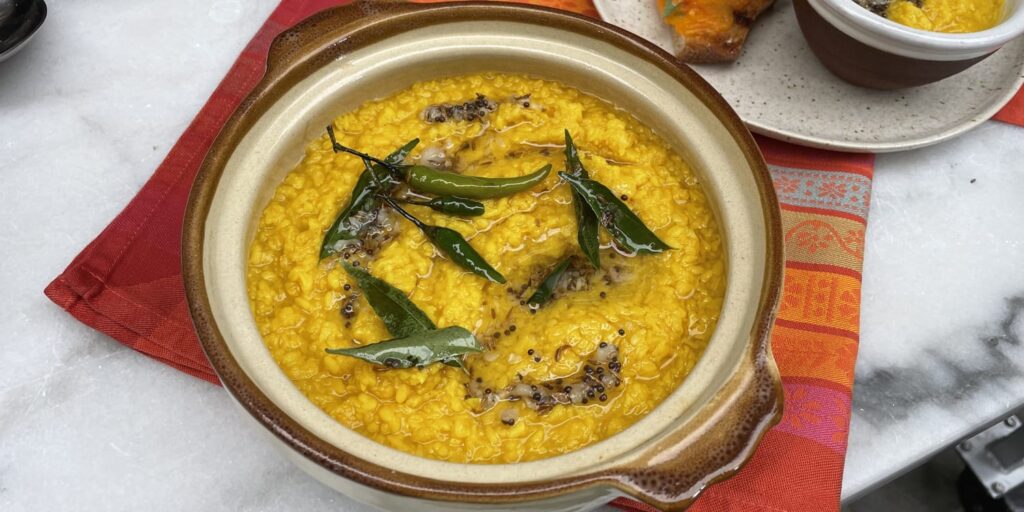
- Rinse lentils thoroughly in cold water 2–3 times.
- Soak for 20–30 minutes (optional for faster cooking and improved digestibility).
- Pressure cook lentils with water, a pinch of turmeric, and salt until soft. Cooking times vary:
- Moong dal: 2–3 whistles
- Toor dal: 4–5 whistles
- Masoor dal: 2–3 whistles
Scientific Note: Pre-soaking reduces anti-nutrients like phytic acid and accelerates cooking while preserving protein and minerals.
Step 3: Preparing Spinach
- Chop spinach finely or roughly, depending on texture preference.
- Blanch spinach in boiling water for 1–2 minutes, then transfer to cold water to retain vibrant green color.
- Drain well to avoid excess water, which may dilute dal flavor.
Tip: Blanching preserves antioxidants like beta-carotene and reduces oxalates, enhancing nutrient absorption.
Step 4: Cooking the Flavor Base
- In a non-stick pan, dry roast cumin seeds until fragrant.
- Add finely chopped onions, garlic, and ginger; sauté until translucent.
- Add chopped tomatoes and cook until soft and pulpy.
- Introduce spices: turmeric, coriander powder, and mild chili powder. Stir well.
Optional: For a richer flavor without oil, add 1–2 teaspoons of water to prevent sticking while sautéing.
Tip: Layering spices in this order enhances aroma and ensures balanced flavor without relying on fat.
Step 5: Combining Dal and Spinach
- Add cooked lentils to the sautéed onion-tomato-spice mixture.
- Mix well and simmer for 5–10 minutes, allowing flavors to meld.
- Add chopped/blanched spinach and cook for an additional 3–5 minutes.
- Adjust water for desired consistency—thick dal for dipping, thinner for soup-like consistency.
Scientific Note: Simmering dal and spinach together allows the exchange of flavors while retaining heat-sensitive vitamins in the spinach.
Step 6: Finishing and Serving
- Adjust seasoning with salt, black pepper, and optional garam masala.
- Garnish with fresh coriander leaves for aroma and visual appeal.
- Serve hot with steamed rice, roti, or as a hearty standalone meal.
Optional: Add a squeeze of lemon juice to enhance iron absorption from spinach and provide a bright, fresh flavor.
Nutritional Benefits
- Protein: Lentils are a rich plant-based protein source.
- Fiber: Supports digestion and provides satiety.
- Vitamins & Minerals: Spinach contributes iron, calcium, magnesium, vitamin A, C, and folate.
- Antioxidants: Spinach and turmeric provide anti-inflammatory and antioxidant compounds.
- Low Fat: Minimal or no oil maintains health-conscious preparation.
This combination ensures a well-rounded, nutrient-dense meal suitable for children, adults, and older adults.
Common Mistakes and How to Avoid Them
| Mistake | Effect | Correction |
|---|---|---|
| Overcooking lentils | Mushy texture, loss of protein | Pressure cook only until soft but intact |
| Adding spinach too early | Loss of color and nutrients | Add near the end of cooking |
| Skipping aromatics | Flat flavor | Always sauté onion, garlic, and spices for depth |
| Excess water | Diluted taste | Adjust water gradually for desired consistency |
| Over-spicing | Too pungent | Use mild spices, adjust to taste |
Conclusion
Palak Dal represents a nutritionally balanced, comforting, and flavorful dish suitable for modern vegetarian diets. By following these 6 structured steps—selecting quality ingredients, cooking lentils properly, preparing spinach, building a spiced flavor base, combining components carefully, and finishing thoughtfully—home cooks can prepare dal that is soft, tasty, and nutrient-rich.
This recipe demonstrates that vegetarian meals can be both wholesome and flavorful, offering protein, vitamins, and minerals while avoiding excessive fat. Palak Dal is an ideal addition to everyday meals, lunchboxes, or special occasions, providing a healthy, practical, and delicious solution for plant-based diets.