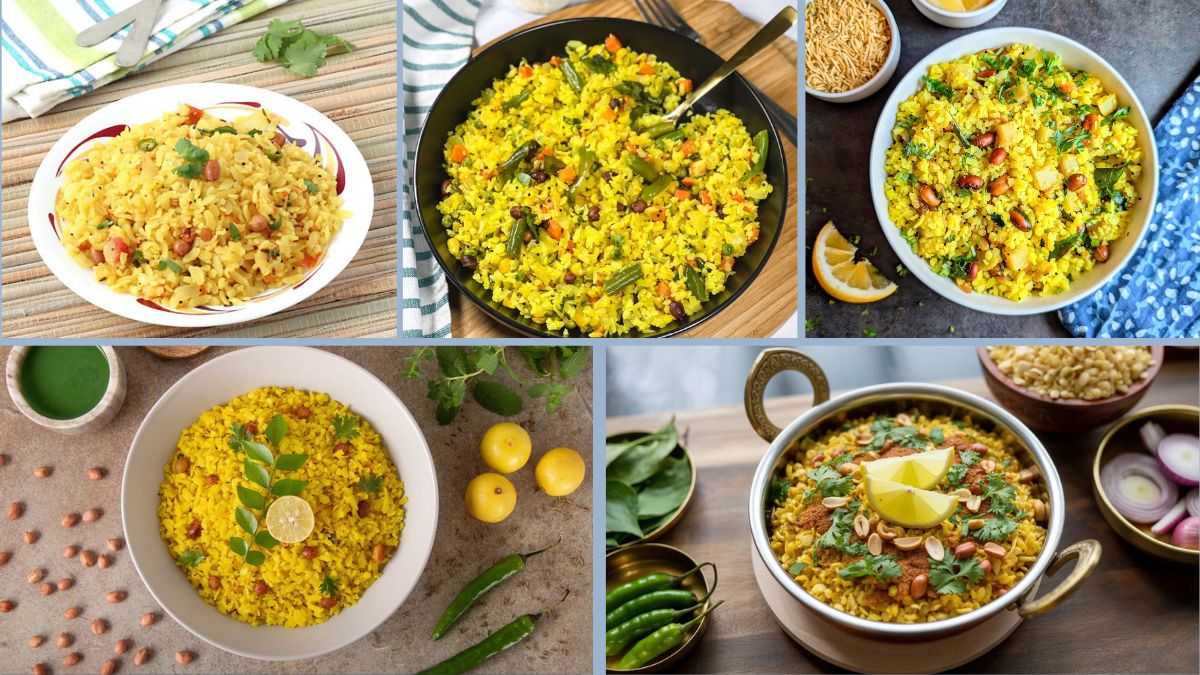
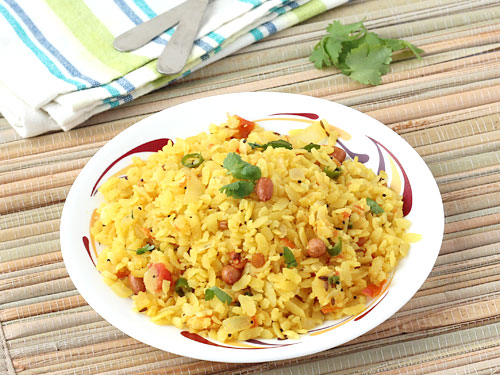
Poha is a traditional Indian breakfast dish made from flattened rice, widely popular across Maharashtra, Madhya Pradesh, Gujarat, and other regions. Light, nutritious, and easy to digest, veg poha is an ideal choice for a quick morning meal. Its combination of soft flattened rice, fresh vegetables, and subtle spices provides energy, fiber, and essential vitamins, making it a wholesome start to the day.
Unlike heavy breakfasts that can make you feel lethargic, veg poha is light yet filling, making it suitable for all age groups. This article presents a 6-step guide to preparing veg poha, emphasizing health, taste, and efficiency. It also explores nutritional benefits, ingredient variations, and tips for maintaining optimal texture and flavor.
Why Choose Veg Poha for Breakfast?
- Quick and Easy: Ready in under 20 minutes, perfect for busy mornings.
- Light yet Filling: Provides sustained energy without feeling heavy.
- High in Fiber: Vegetables and poha together aid digestion.
- Customizable: Add seasonal vegetables, nuts, or sprouts for variety.
- Healthy Alternative: Minimal oil and plant-based ingredients keep it heart-friendly and vegetarian.
Ingredients
Main Ingredients
- 2 cups poha (flattened rice)
- 1 medium onion, finely chopped
- 1 small carrot, finely grated or chopped
- ½ cup green peas, boiled or steamed
- 1 small capsicum (bell pepper), finely chopped
- 2 green chilies, finely chopped (optional)
- 2 tablespoons roasted peanuts
- 2 tablespoons fresh coriander leaves, chopped
For Seasoning
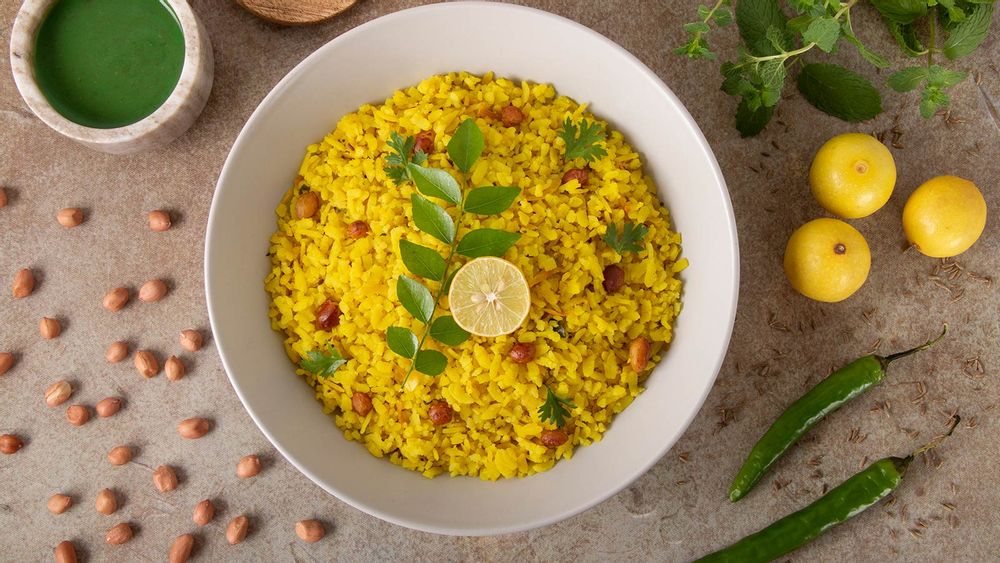
- 1 tablespoon oil (optional, can use water for oil-free version)
- ½ teaspoon mustard seeds
- ½ teaspoon cumin seeds
- 1 pinch asafoetida (hing)
- 8–10 curry leaves
- ½ teaspoon turmeric powder
- Salt, to taste
- Juice of ½ lemon
Optional Garnish
- Fresh coriander leaves
- Grated coconut
- Sev (for occasional indulgence)
6-Step Guide to Making Veg Poha
Step 1: Rinse and Soak Poha
- Place the flattened rice in a sieve and rinse under cold water for 2–3 minutes until soft.
- Drain excess water and let it sit in the sieve for 5 minutes.
- Sprinkle a pinch of salt and turmeric powder over the poha and mix gently.
Tip: Do not over-soak; poha should remain soft but not mushy. Light fluffiness ensures better texture.
Step 2: Prepare the Vegetables
- Finely chop onions, capsicum, and green chilies.
- Grate or chop the carrot into small pieces.
- Boil or steam the green peas if not pre-cooked.
- Keep all vegetables ready in separate bowls for quick cooking.
Pro Tip: Seasonal vegetables like beans, corn, or zucchini can be added to enhance nutrition and color.
Step 3: Temper the Spices
- Heat oil in a non-stick pan or kadhai. For oil-free cooking, use a teaspoon of water instead.
- Add mustard seeds and cumin seeds, letting them splutter.
- Add curry leaves and a pinch of asafoetida for aroma.
- Sauté for 30–40 seconds on low-medium heat.
Tip: Proper tempering releases the natural flavors of the spices and makes the poha aromatic.
Step 4: Cook the Vegetables
- Add onions and green chilies to the tempered spices. Sauté until onions turn translucent.
- Add grated carrot, capsicum, and green peas.
- Cook for 2–3 minutes, stirring gently. Vegetables should retain some crunch for better texture and nutrition.
Step 5: Mix Poha and Season
- Add the soaked poha to the pan with the cooked vegetables.
- Gently mix to coat the poha evenly with the spices and vegetables.
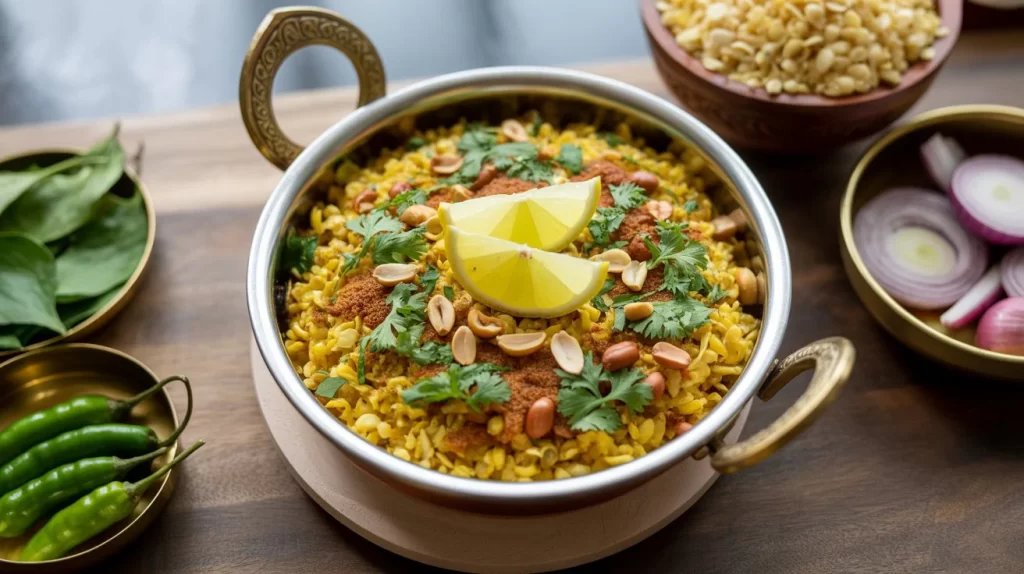
- Sprinkle roasted peanuts and chopped coriander leaves.
- Adjust salt to taste. Cover and cook on low heat for 2 minutes to allow flavors to blend.
Optional: Add a squeeze of lemon juice for tanginess, enhancing taste and boosting vitamin C content.
Step 6: Serve Hot
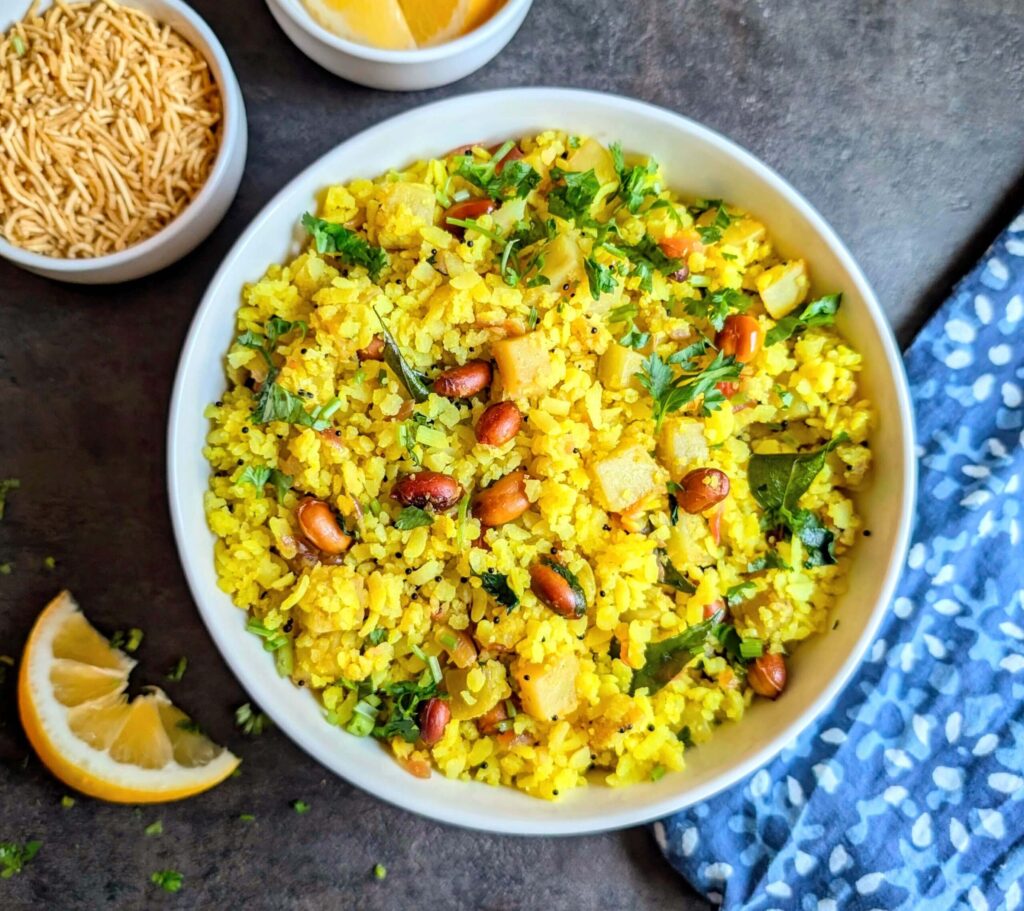
- Transfer the veg poha to a serving plate.
- Garnish with extra coriander leaves, grated coconut, or sev for a festive touch.
- Serve immediately with a cup of tea, coffee, or fresh juice for a wholesome breakfast.
Tip: Poha tastes best when served fresh; reheating can make it slightly soggy.
Nutritional Benefits of Veg Poha
- Energy-Rich: Flattened rice provides easily digestible carbohydrates.
- High in Fiber: Vegetables and peanuts enhance digestive health.
- Low in Fat: Using minimal oil keeps it heart-friendly.
- Vitamin-Packed: Capsicum, carrot, and coriander leaves provide vitamins A, C, and K.
- Protein Boost: Peanuts add a small amount of plant-based protein.
Variations to Make Veg Poha Interesting
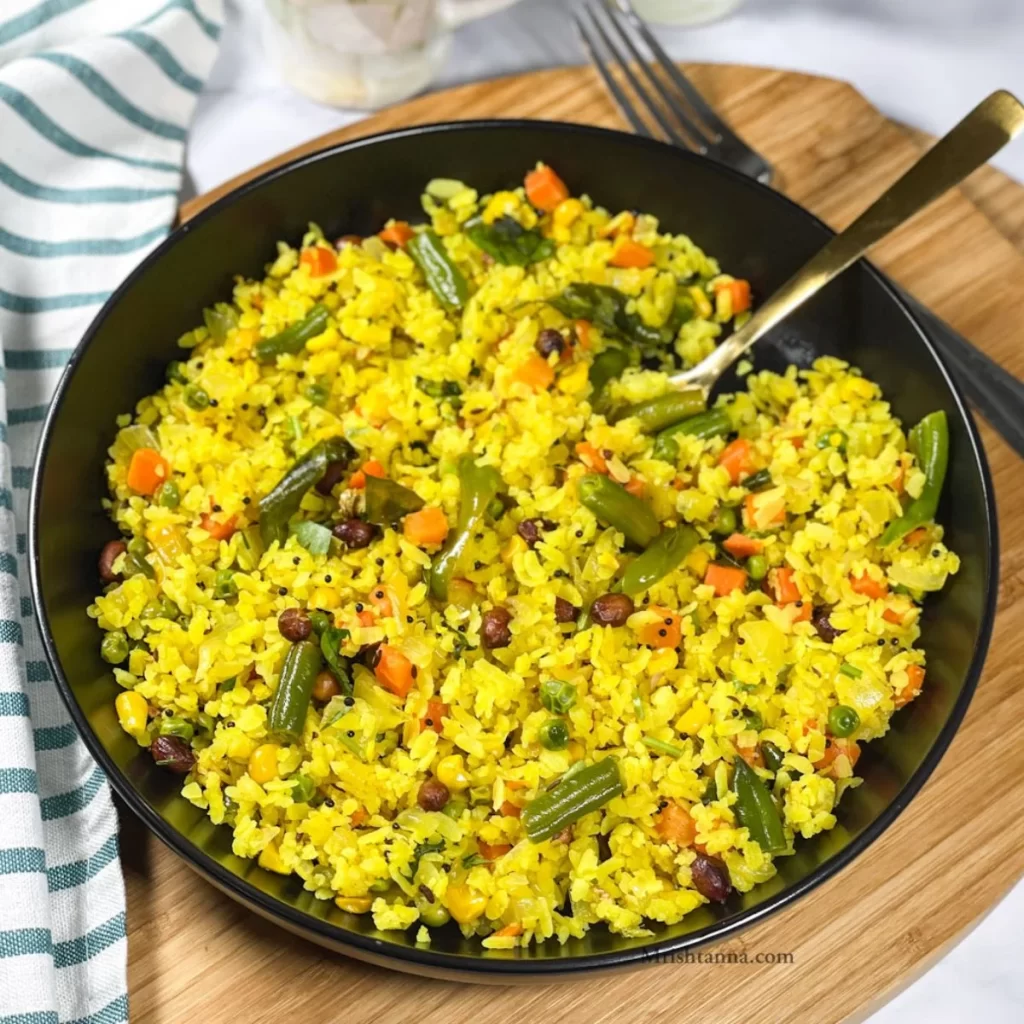
- Sprouted Poha: Mix sprouts with poha for added protein and crunch.
- Cheese Poha: Sprinkle low-fat grated cheese for a kid-friendly version.
- Spicy Poha: Increase green chilies or add red chili flakes for heat.
- South Indian Twist: Add grated coconut and curry leaves for traditional flavor.
- Mixed Vegetable Poha: Include zucchini, corn, beans, or spinach for extra nutrition and color.
Tips for Perfect Veg Poha
- Use fresh poha and check for uniform size to ensure even cooking.
- Avoid overcooking the vegetables to retain color, crunch, and nutrients.
- Fluff poha gently with a spatula to prevent it from turning mushy.
- Adjust spices according to taste and tolerance, especially for children.
- Serve immediately for best texture; leftovers can be reheated on low heat with a sprinkle of water.
Conclusion
Veg poha is an excellent example of how a traditional Indian breakfast can be healthy, quick, and flavorful. With its combination of lightly spiced flattened rice, fresh vegetables, and minimal oil, it offers a perfect balance of energy, fiber, and vitamins.
By following this 6-step guide, anyone can prepare a satisfying and nutritious breakfast in less than 20 minutes. Whether for busy mornings, family meals, or light brunches, veg poha is versatile, customizable, and suitable for all age groups.
This recipe not only promotes mindful eating but also demonstrates that wholesome, vegetarian meals can be convenient, tasty, and visually appealing—perfectly aligned with modern healthy lifestyles.