
Mushroom curry is a beloved vegetarian dish in Indian cuisine, celebrated for its rich flavors, creamy texture, and aromatic spices. Mushrooms not only absorb the spices beautifully but also provide a meaty texture, making this curry hearty and satisfying. This guide focuses on a purely vegetarian mushroom curry, using fresh ingredients and traditional Indian spices without any non-vegetarian additions.
Perfect for lunch or dinner, mushroom curry can be paired with steamed rice, roti, or naan, offering a wholesome, protein-rich, and fiber-filled meal. This article presents a 7-step method to make mushroom curry, emphasizing health, taste, and ease of preparation, while also exploring its nutritional benefits, ingredient variations, and serving suggestions.
Why Choose Mushroom Curry?
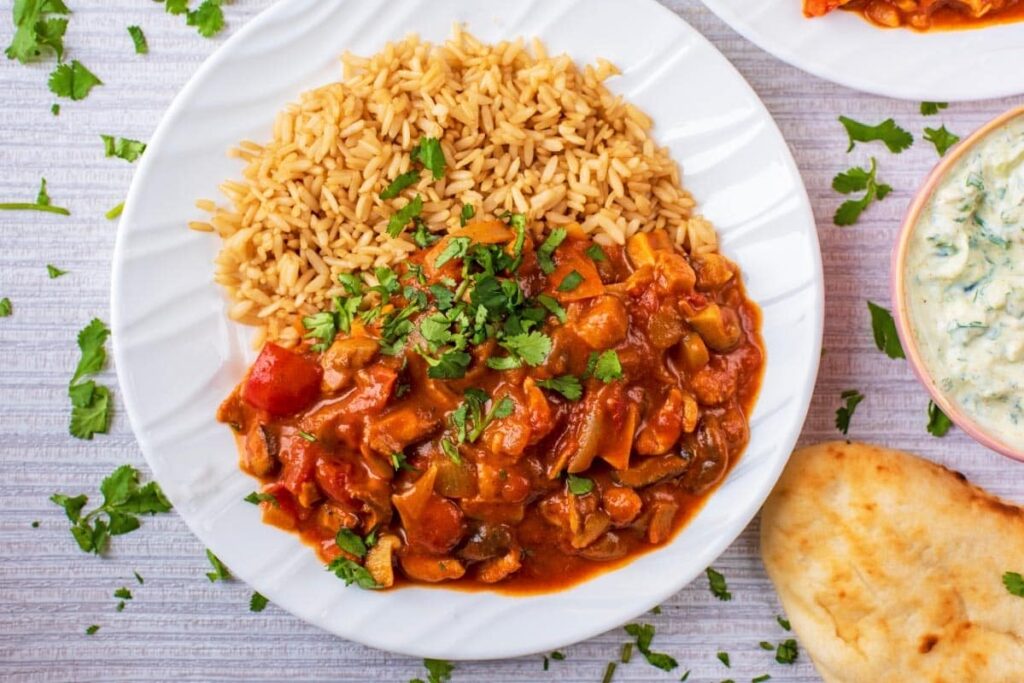
- Rich in Nutrients: Mushrooms are a good source of protein, fiber, B-vitamins, and antioxidants.
- Low in Calories: Ideal for a healthy diet without compromising on taste.
- Quick to Cook: Ready in under 30 minutes, making it suitable for weeknight meals.
- Versatile: Pairs well with rice, flatbreads, or can be eaten as a side dish.
- Flavorful and Aromatic: Indian spices enhance the taste and create a comforting meal.
Ingredients
Main Ingredients
- 250–300 grams fresh mushrooms, cleaned and sliced
- 1 medium onion, finely chopped
- 1 medium tomato, finely chopped
- 1 small capsicum (optional), diced
- 1 teaspoon ginger-garlic paste
- 2 green chilies, slit (optional)
- 2 tablespoons fresh coriander leaves, chopped
Spices and Seasoning
- 1 teaspoon cumin seeds
- ½ teaspoon turmeric powder
- 1 teaspoon coriander powder
- ½ teaspoon red chili powder (adjust to taste)
- ½ teaspoon garam masala
- Salt, to taste
- 2 tablespoons oil or water for sautéing (oil-free option possible)
Optional Ingredients for Creaminess
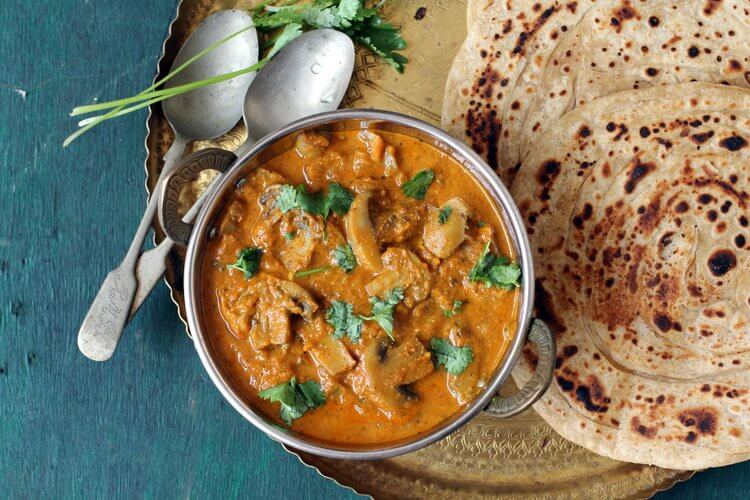
- ¼ cup fresh cream or cashew paste
- 1 teaspoon lemon juice
Step-by-Step Guide to Mushroom Curry
Step 1: Prepare the Mushrooms
- Wash mushrooms gently to remove any dirt. Pat dry with a kitchen towel.
- Slice mushrooms uniformly for even cooking.
- Set aside for later use.
Tip: Avoid soaking mushrooms in water; they absorb moisture, which can make the curry watery.
Step 2: Heat and Temper Spices

- In a non-stick pan or kadhai, heat oil or water on medium flame.
- Add cumin seeds and allow them to splutter.
- Add curry leaves (optional) and sauté for a few seconds.
Pro Tip: Proper tempering releases essential oils from the spices, enhancing the aroma and flavor of the curry.
Step 3: Sauté Onions and Aromatics
- Add finely chopped onions and green chilies to the pan.
- Sauté until onions turn translucent.
- Add ginger-garlic paste and cook for 1–2 minutes until the raw smell disappears.
Tip: Sautéing the aromatics correctly is key to a flavorful base for the curry.
Step 4: Add Tomatoes and Spices
- Mix in chopped tomatoes and cook until they soften and blend into a smooth mixture.
- Add turmeric powder, coriander powder, red chili powder, and salt.
- Cook on low heat for 2–3 minutes, stirring occasionally, until the oil slightly separates from the masala.
Step 5: Cook the Mushrooms
- Add sliced mushrooms (and capsicum if using) to the masala.
- Stir well to coat mushrooms with the spices.
- Cover and cook for 5–7 minutes on medium heat, stirring occasionally, until mushrooms are tender and release their juices.
Tip: Do not overcook mushrooms; they should remain soft but not soggy.
Step 6: Add Creaminess and Finish
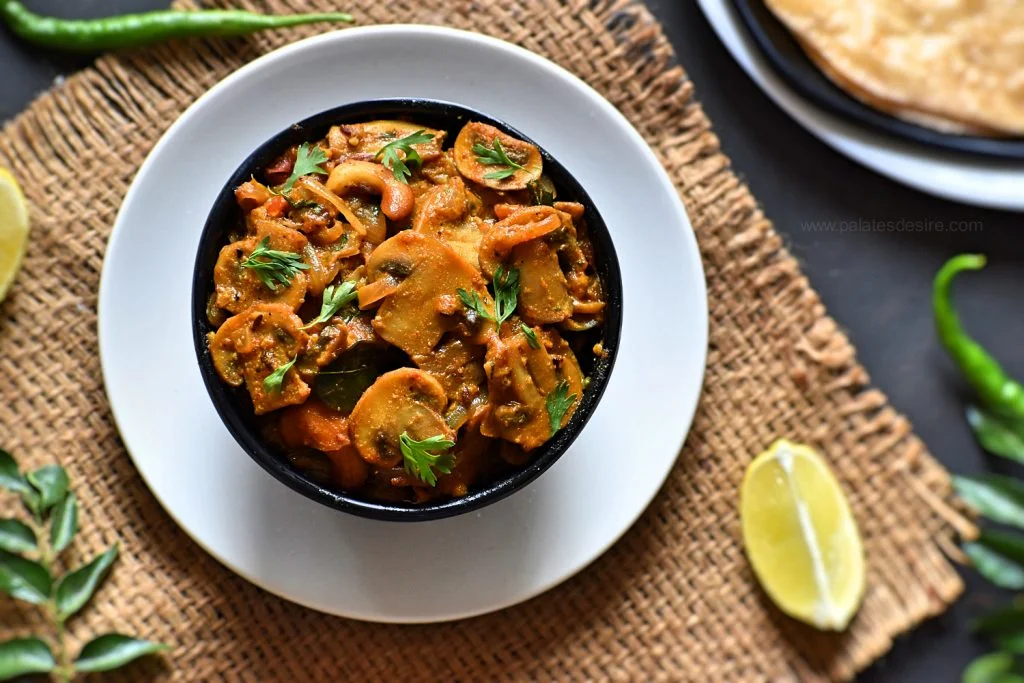
- For a richer curry, add fresh cream or cashew paste at this stage. Mix well to incorporate.
- Sprinkle garam masala and stir gently.
- Adjust seasoning and add lemon juice for a subtle tang.
Optional: Garnish with fresh coriander leaves for freshness and aroma.
Step 7: Serve Hot
- Transfer the mushroom curry to a serving bowl.
- Serve with steamed basmati rice, roti, naan, or paratha.
- Pair with a side of yogurt or salad for a complete, balanced meal.
Tip: Mushroom curry tastes best when served fresh but can be reheated gently on low heat.
Nutritional Benefits of Mushroom Curry
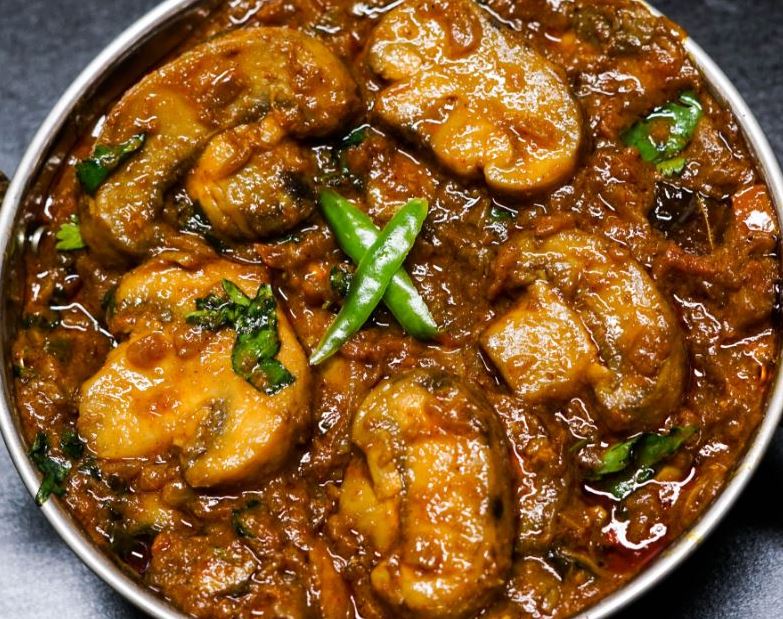
- High in Protein and Fiber: Mushrooms provide plant-based protein and fiber for digestive health.
- Rich in Antioxidants: Supports immunity and overall wellness.
- Low in Fat and Calories: Ideal for heart-friendly and weight-conscious diets.
- Vitamin-Rich: Mushrooms contain B-vitamins, selenium, and potassium.
- Balanced Meal Option: Paired with rice or roti, it provides carbohydrates, protein, and micronutrients in one dish.
Variations for Mushroom Curry
- Spicy Mushroom Curry: Increase chili powder or add finely chopped green chilies.
- Coconut-Based Curry: Use coconut milk instead of cream for a South Indian twist.
- Paneer and Mushroom Combo: Add cubed paneer for extra protein and texture.
- Tomato-Free Version: Use yogurt or cashew paste as the base for a creamier texture.
- Mixed Vegetable Curry: Add bell peppers, peas, or carrots for additional nutrition.
Tips for Perfect Mushroom Curry
- Use fresh, firm mushrooms for best results.
- Avoid over-soaking or washing mushrooms excessively to prevent watery curry.
- Adjust spices according to personal taste and heat tolerance.
- Use a non-stick pan to minimize oil and prevent sticking.
- Cook mushrooms on medium heat to retain texture and flavor.
Conclusion
Mushroom curry with Indian spices is a healthy, flavorful, and versatile vegetarian dish that fits perfectly into daily meals. By following this 7-step guide, anyone can prepare a restaurant-style curry at home using simple ingredients and techniques.
This dish not only celebrates the flavors of Indian spices but also provides a nutrient-rich, low-fat, and protein-packed option for vegetarians. Perfect for family meals, festive dinners, or quick weekday lunches, mushroom curry proves that vegetarian cuisine can be both indulgent and wholesome.
Enjoy this aromatic, hearty mushroom curry with your favorite accompaniments and elevate your everyday meals!