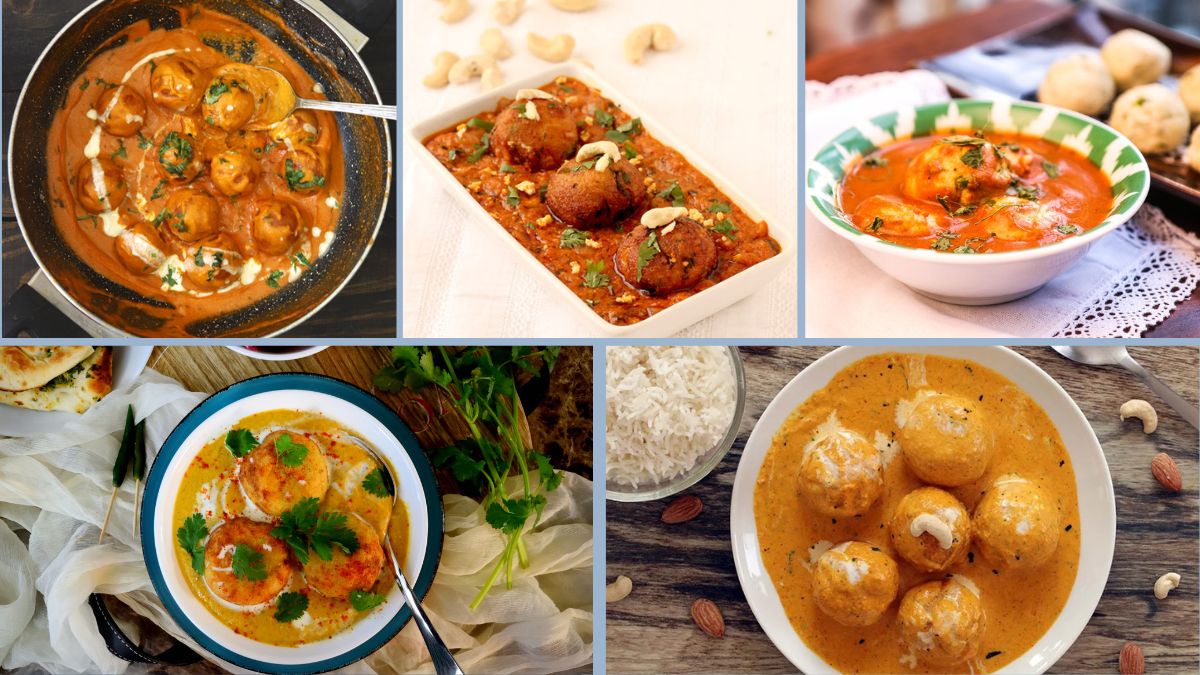
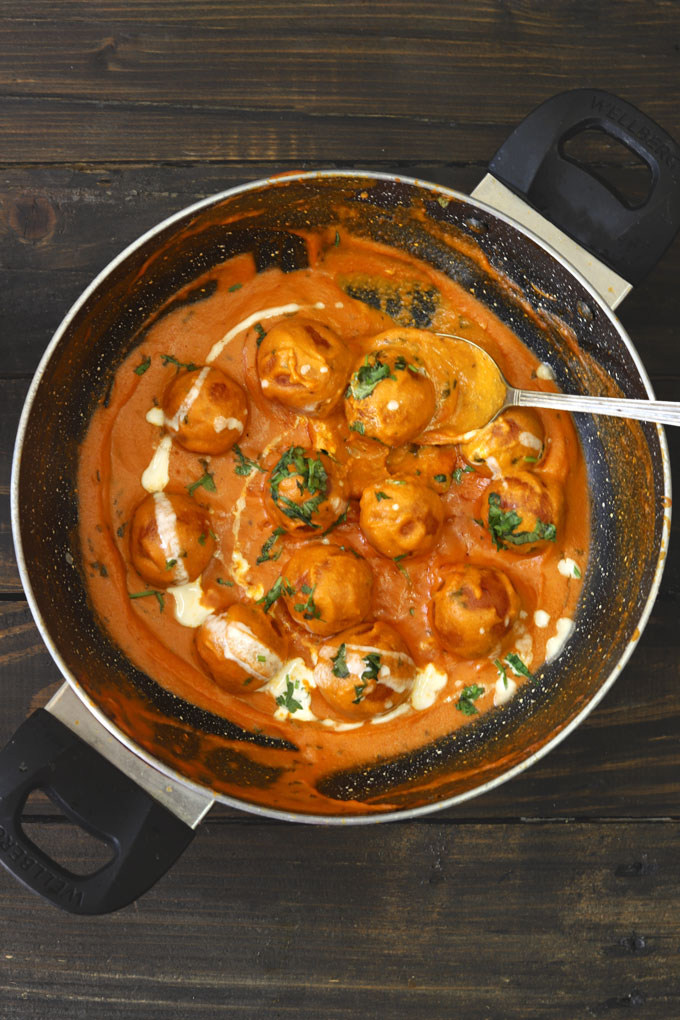
Paneer kofta is a classic Indian delicacy loved for its rich, creamy texture and indulgent flavor. Traditionally, koftas (paneer balls) are deep-fried, which adds crispiness but also increases oil content. For health-conscious individuals or those aiming for a lighter meal, paneer kofta without deep frying is the perfect solution.
This article provides a 7-step guide to making vegetarian paneer kofta that is soft, flavorful, and cooked with minimal oil. Along with the preparation steps, we will explore the nutritional benefits, serving ideas, cultural context, and tips to ensure the koftas remain moist and delicious without deep frying.
Step 1: Gather Ingredients
Fresh, high-quality ingredients are essential for perfect paneer kofta:
For the Kofta:
- 200 g paneer, grated
- ½ cup boiled and mashed potatoes
- 2–3 tbsp cornflour or all-purpose flour (for binding)
- 1–2 green chilies, finely chopped (optional)
- 1 tsp ginger-garlic paste
- 1 tsp garam masala
- 2 tbsp finely chopped coriander leaves
- Salt to taste
For the Gravy:
- 2 medium onions, finely chopped or pureed
- 2 medium tomatoes, pureed
- 1 tsp ginger-garlic paste
- 1 tsp cumin seeds
- ½ tsp turmeric powder
- 1 tsp red chili powder
- ½ tsp coriander powder
- ½ tsp garam masala
- ½ cup fresh cream or cashew paste (optional for creaminess)
- 1–2 tsp oil for sautéing
- Salt to taste
- Fresh coriander leaves for garnish
Step 2: Prepare the Kofta Mixture
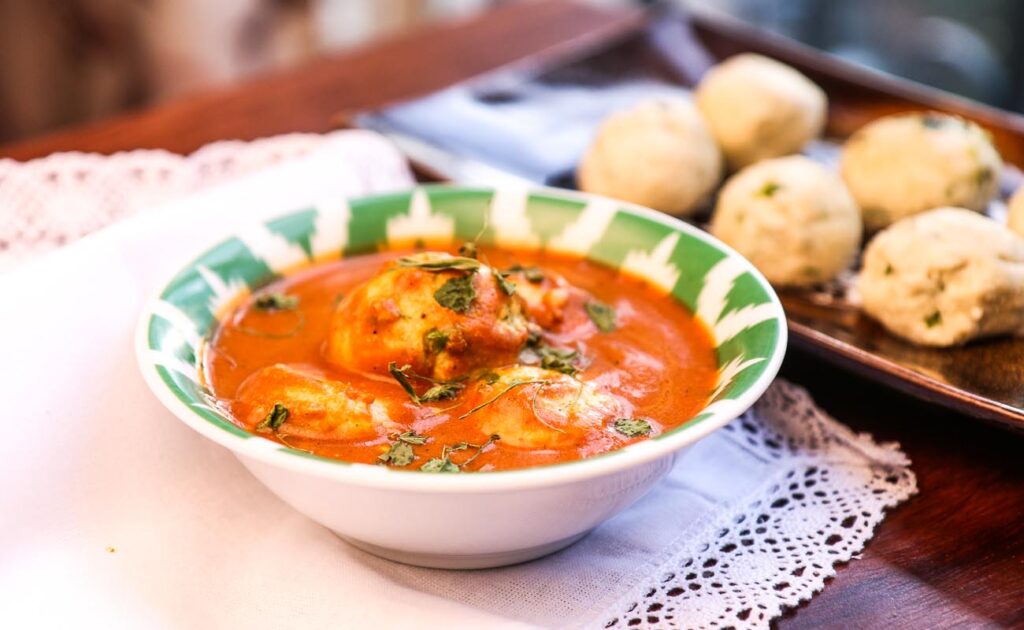
- In a mixing bowl, combine grated paneer and mashed potatoes.
- Add cornflour, chopped green chilies, ginger-garlic paste, garam masala, coriander leaves, and salt.
- Mix well until the mixture is uniform and holds together.
Tip: If the mixture is too sticky, add a little extra cornflour. If too dry, a teaspoon of milk helps bind it.
Step 3: Shape the Koftas
- Divide the mixture into small portions, roughly the size of a golf ball.
- Roll each portion gently into smooth, round balls.
- Keep them uniform in size to ensure even cooking.
For extra softness, refrigerate the shaped koftas for 10–15 minutes before cooking.
Step 4: Cook the Koftas Without Deep Frying
Instead of deep frying:
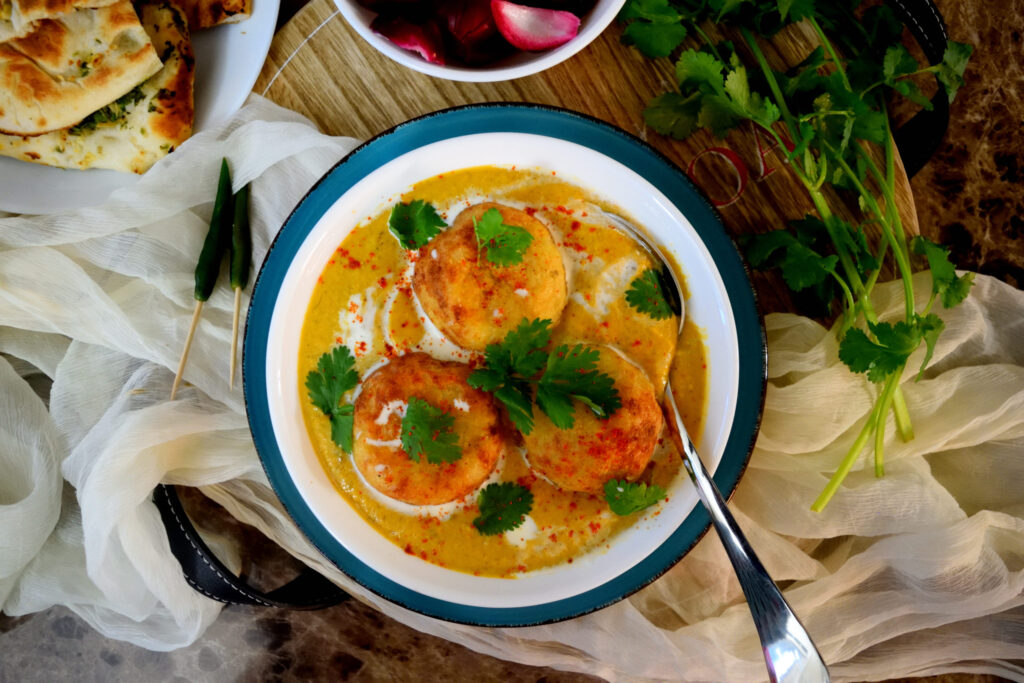
- Heat a non-stick pan or tawa and add 1–2 tsp oil.
- Place the koftas carefully and cook on medium heat, turning gently to brown all sides.
- Alternatively, koftas can be baked in a preheated oven at 180°C for 15–20 minutes, turning halfway, until golden brown.
This method retains the texture and flavor while reducing oil consumption significantly.
Step 5: Prepare the Gravy
- Heat oil in a pan and add cumin seeds; let them splutter.
- Add finely chopped onions or onion paste and sauté until golden brown.
- Add ginger-garlic paste and sauté for a minute.
- Pour in tomato puree and cook until the oil separates.
- Add turmeric, red chili powder, coriander powder, and salt; cook for 2–3 minutes.
- Optionally, blend the mixture for a smooth consistency.
- Stir in cream or cashew paste for richness and simmer for a few minutes.
Step 6: Combine Koftas with Gravy
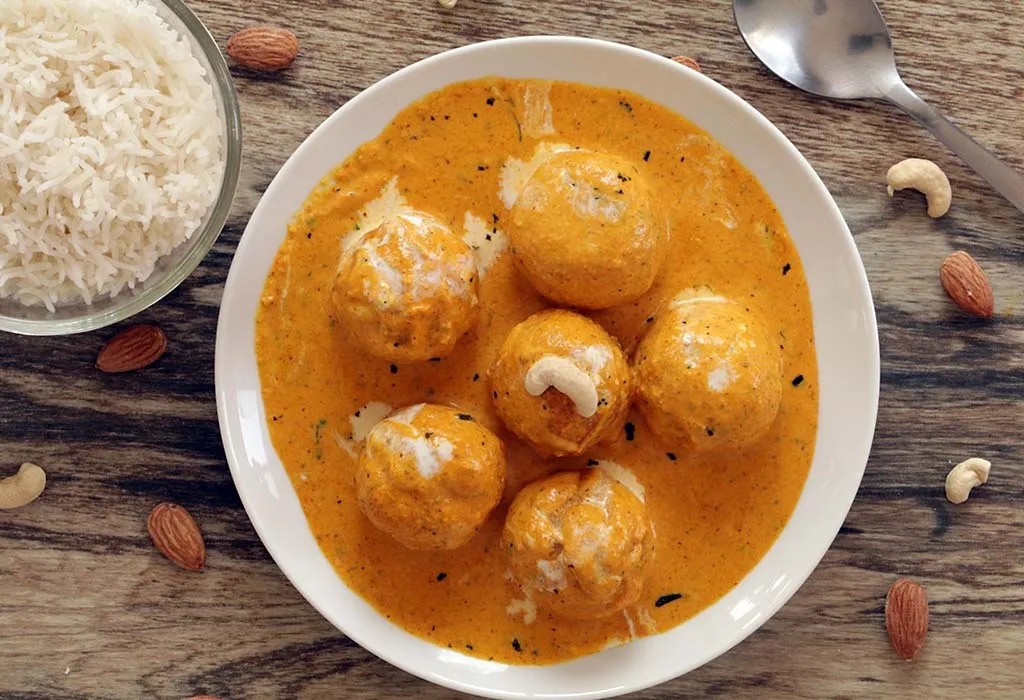
- Gently add the cooked koftas into the gravy just before serving.
- Let them simmer for 2–3 minutes to absorb the flavors without breaking.
- Avoid overcooking the koftas in the gravy to maintain their shape.
Tip: Serve the koftas immediately with steamed rice, pulao, or Indian bread.
Step 7: Garnish and Serve
- Garnish with fresh coriander leaves or a drizzle of cream.
- For a festive touch, sprinkle lightly roasted cashew pieces or pomegranate seeds on top.
- Pair with naan, roti, or jeera rice for a wholesome, vegetarian meal.
Nutritional Benefits
Paneer kofta without deep frying is a healthier alternative that retains the nutritional benefits of its ingredients:
- Paneer: Excellent source of protein and calcium, supporting bone health.
- Potatoes: Provide complex carbohydrates and potassium.
- Vegetables and Spices: Boost digestion and add antioxidants.
- Minimal Oil Cooking: Reduces fat intake while retaining flavor.
- Cashew or Cream: Adds richness in moderation, enhancing texture without excessive calories.
Each serving is high in protein, moderate in carbs, and lower in unhealthy fats, making it suitable for a balanced diet.
Cultural Significance
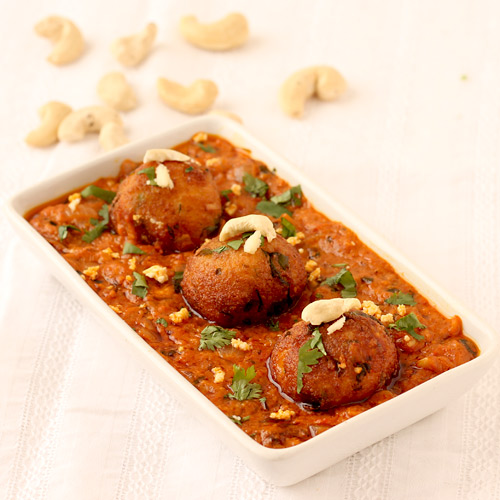
Paneer kofta has roots in Mughlai cuisine and is a staple at Indian festive occasions, weddings, and family gatherings. Traditionally served with rich gravies, it embodies the luxurious flavors of North Indian cuisine. Modern adaptations, like shallow frying or baking, make it accessible to health-conscious individuals while preserving its cultural essence.
The dish represents a fusion of tradition and mindful cooking, showing that classic recipes can be adapted without compromising taste or authenticity.
Common Mistakes to Avoid
- Koftas falling apart: Ensure the mixture is well-bound with cornflour and properly chilled before cooking.
- Overcooked koftas: Cook gently to maintain shape and softness.
- Gravy too thin or bland: Cook tomato-onion base properly and adjust spices.
- Skipping cream/cashew paste: Helps balance the spice and provides a luxurious texture.
- Overcrowding the pan: Cook koftas in batches for even browning.
Variations to Try
- Spinach Paneer Kofta: Add finely chopped spinach to the kofta mixture for extra nutrition.
- Stuffed Kofta: Fill with a small cube of paneer or nuts for a surprise inside.
- Tomato-Based Gravy: Replace cream with fresh tomato puree for a tangier version.
- Baked Kofta: Fully bake for an oil-free option suitable for diet-conscious meals.
Conclusion
This 7-step guide to cook paneer kofta without deep frying shows that indulgence and health can coexist. By using paneer, mashed potatoes, aromatic spices, and a rich gravy, you can enjoy a flavorful, soft, and vegetarian dish without the excess oil of traditional deep frying.
Perfect for family dinners, festive occasions, or special lunches, this recipe delivers the authentic taste of Indian cuisine while keeping it lighter and healthier. Paneer kofta proves that with careful preparation and creativity, classic dishes can be enjoyed in a modern, mindful way—without compromising on flavor, tradition, or satisfaction.