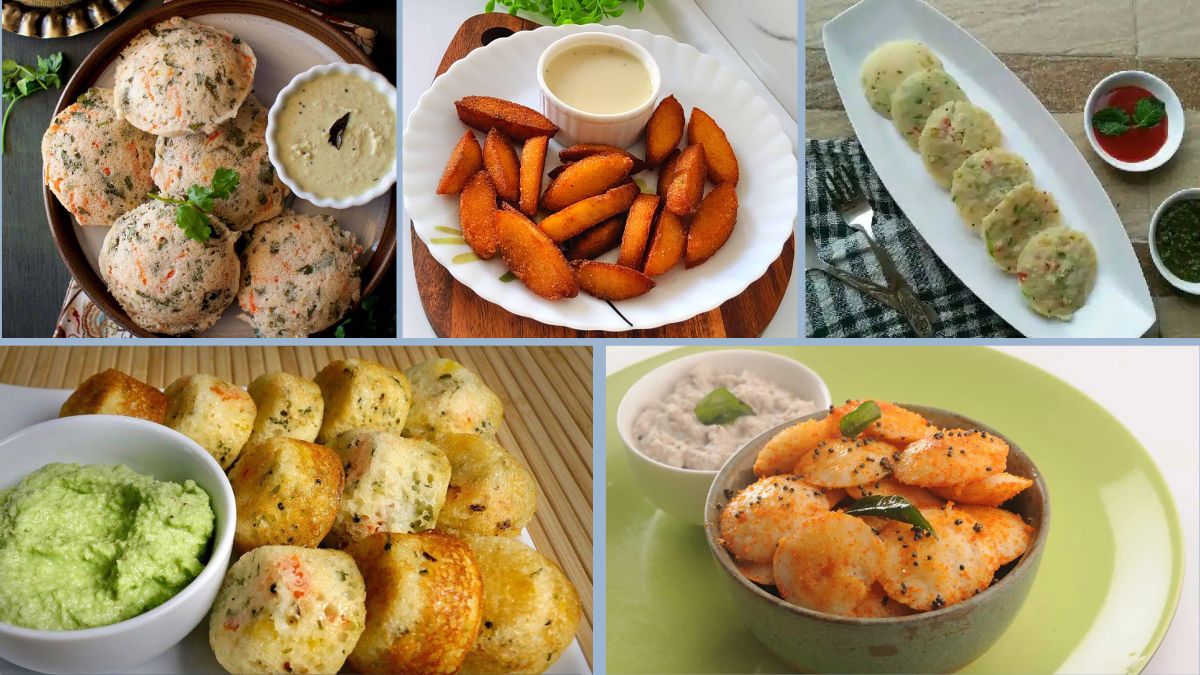
Idli is one of the most celebrated breakfast items in India, particularly in South Indian cuisine. Soft, fluffy, and mildly tangy, traditional idlis are steamed from a fermented rice and urad dal batter, making them highly digestible and naturally nutritious. However, South Indian households often seek a variation to add crunch, flavor, and excitement to idlis without compromising on health.
Vegetable Idli Fry without Oil is one such innovative dish. By incorporating chopped vegetables, minimal spices, and creative cooking techniques, this recipe transforms everyday idlis into a savory, satisfying snack or side dish—without relying on deep-frying or excess oil. This article presents a 5-step guide for preparing this healthy, delicious dish, complete with nutritional insights, cultural context, serving suggestions, and expert tips.
Why Vegetable Idli Fry Without Oil?
The motivation for making oil-free vegetable idli fry is both nutritional and practical:
- Low-Calorie Option – Traditional deep-fried snacks are calorie-dense. This method reduces fat content while retaining flavor.
- Nutritious Upgrade – Adding vegetables increases fiber, vitamins, and minerals.
- Digestive Friendly – Steamed idlis retain their softness and are light on the stomach.
- Quick and Convenient – Ideal for breakfast, tea-time snacks, or even lunchboxes.
- Vegetarian and Wholesome – Completely plant-based, suitable for all ages.
Key Ingredients
For preparing 4 servings of vegetable idli fry, gather the following ingredients:
- Idlis – 6–8, preferably leftover or fresh, cut into cubes or slices
- Carrot – ½ cup, finely chopped or grated
- Beans – ½ cup, finely chopped
- Capsicum/Bell pepper – ½ cup, finely chopped
- Green peas – ¼ cup
- Coriander leaves – 2 tbsp, chopped
- Green chili – 1–2, finely chopped (optional)
- Ginger – 1-inch piece, grated
- Turmeric powder – ¼ tsp
- Chaat masala or salt – to taste
- Lemon juice – 1 tsp (optional)
- Non-stick spray or a splash of water – for cooking
For Tempering (Optional for flavor):
- Mustard seeds – ½ tsp
- Urad dal – ½ tsp
- Curry leaves – 1 sprig
The 5-Step Guide
Step 1: Prepare the Idlis and Vegetables
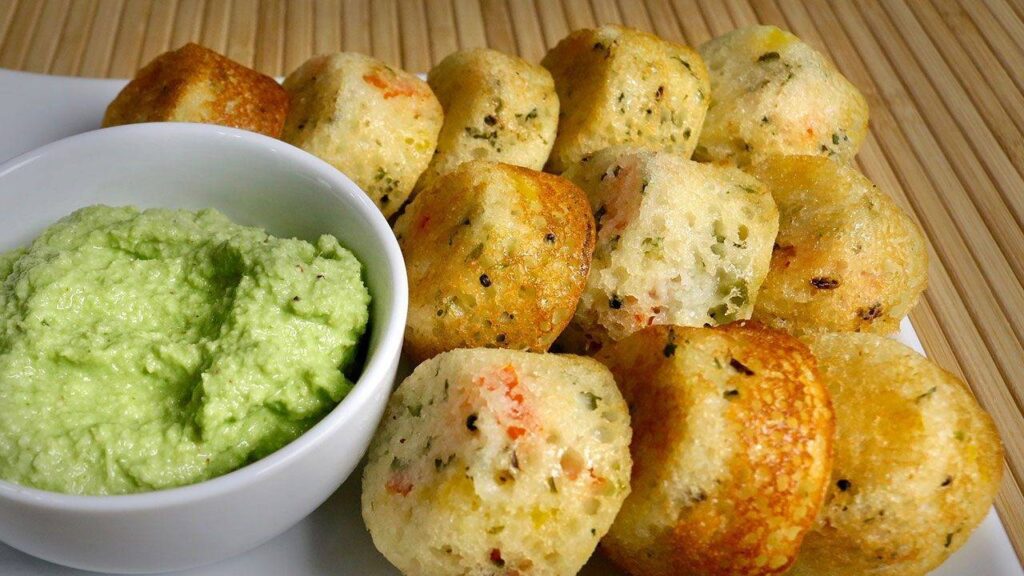
- Cut the idlis into small cubes or bite-sized slices. Leftover idlis work exceptionally well as they hold their shape better.
- Wash and chop the vegetables finely. Grated carrots and thinly chopped beans and capsicum ensure even cooking.
- Keep the ingredients ready to streamline the stir-frying process.
Step 2: Make the Tempering (Optional but Flavorful)
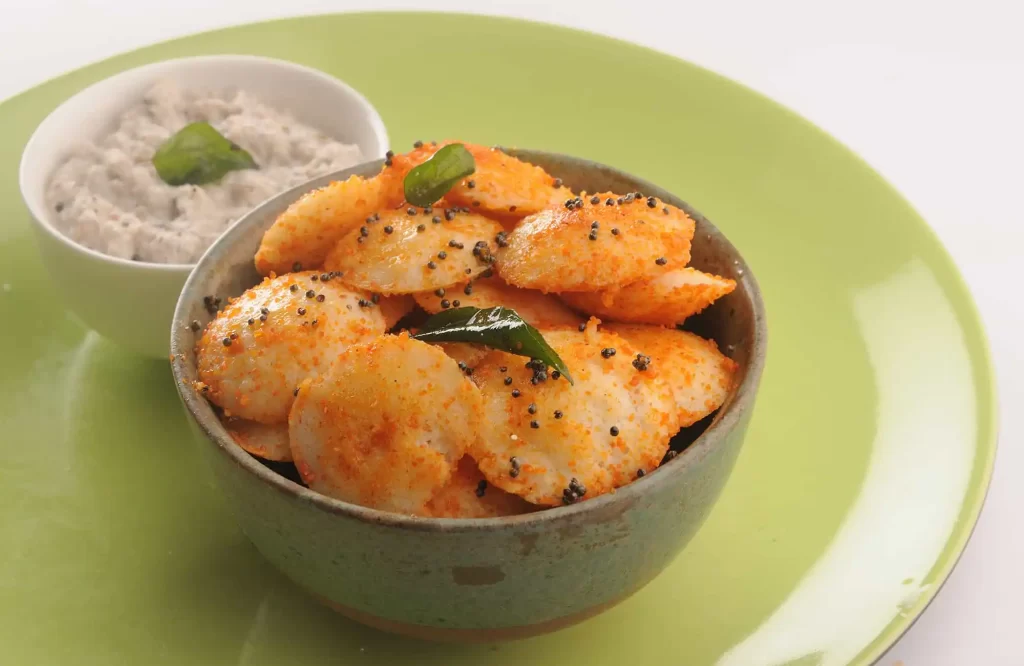
- In a non-stick pan or skillet, lightly heat a splash of water or spray the pan with non-stick spray.
- Add mustard seeds, urad dal, and curry leaves. Allow the mustard seeds to splutter and the urad dal to turn golden.
- This tempering infuses a mild, aromatic flavor into the dish without using oil.
Step 3: Sauté the Vegetables
- Add chopped vegetables to the tempered pan.
- Stir on medium heat, adding small amounts of water intermittently to prevent sticking.
- Sprinkle turmeric and salt, stirring gently until the vegetables soften but retain a slight crunch.
- This method ensures the vegetables retain their nutrients and natural color while developing a subtle flavor.
Step 4: Add Idlis and Cook
- Add the cubed idlis to the vegetable mixture.
- Gently toss and mix, allowing the idli pieces to absorb flavors from the spices and vegetables.
- Cook for 5–7 minutes, stirring occasionally. The idlis will slightly crisp at the edges without losing their softness inside.
- Optional: sprinkle chaat masala or a dash of lemon juice to enhance taste.
Step 5: Garnish and Serve
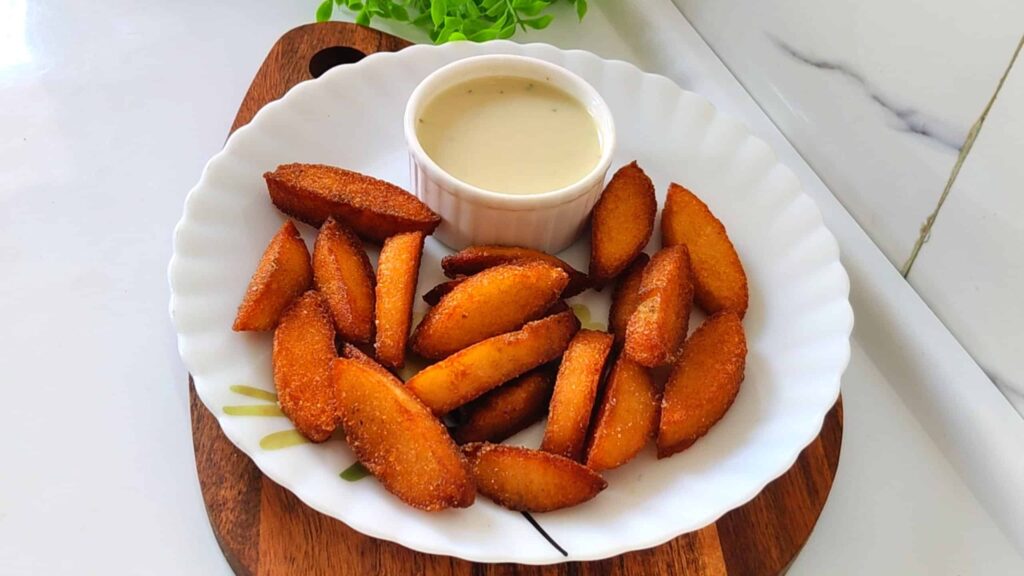
- Transfer the vegetable idli fry to a serving plate.
- Garnish generously with freshly chopped coriander leaves for aroma and freshness.
- Serve immediately while warm, as it tastes best fresh.
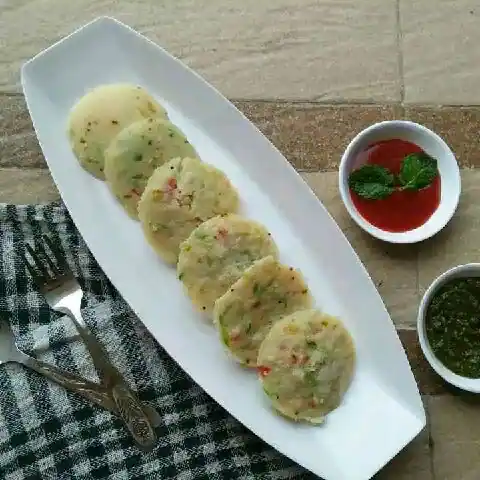
This oil-free vegetable idli fry pairs well with coconut chutney, tomato chutney, or plain yogurt for a wholesome, satisfying meal.
Serving Suggestions
Vegetable idli fry is versatile and can be adapted for various meals:
- Breakfast – Serve with coconut or tomato chutney for a nutritious start.
- Evening Snack – Pair with herbal tea or spiced buttermilk.
- Lunchbox Item – A light, protein-and-fiber-rich option for school or office lunches.
- Party Starter – Serve in small bowls with a sprinkle of lemon juice and chaat masala for a flavorful appetizer.
Nutritional Benefits
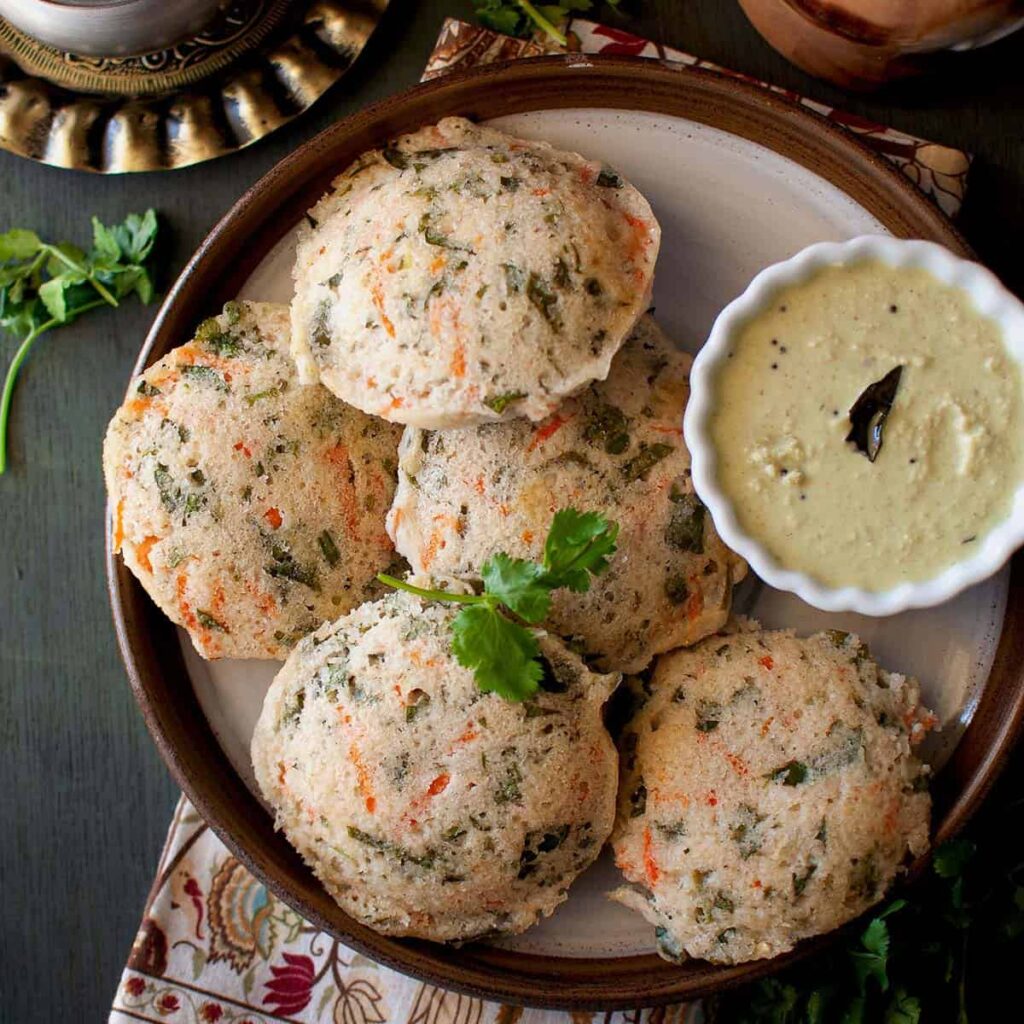
The dish combines the wholesome goodness of idlis with nutrient-rich vegetables:
- Idlis – Steamed rice and urad dal batter offers carbohydrates, protein, and is easily digestible.
- Vegetables – Carrots, beans, peas, and capsicum provide fiber, vitamins (A, C, K), and antioxidants.
- Spices – Turmeric, mustard seeds, and curry leaves support digestion and add flavor without calories.
- Chaat Masala & Lemon – Enhance taste naturally without additional fats.
Approximate nutrition per serving (1 cup of vegetable idli fry):
- Calories – 150–180 kcal
- Protein – 5–6 g
- Carbohydrates – 28–30 g
- Fat – <1 g
- Fiber – 4–5 g
This makes it suitable for weight management, heart-healthy diets, and diabetic-friendly meal plans.
Cultural Significance
Idli is a dish deeply rooted in South Indian culinary culture. Traditionally a breakfast staple, it is celebrated for its simplicity, digestibility, and versatility:
- Traditional Breakfast – Steamed idlis have been a cornerstone of Tamil, Kannada, and Kerala cuisine for centuries.
- Festive Innovation – Transforming idlis into an oil-free fry aligns with modern health-conscious trends while preserving cultural roots.
- Child-Friendly Dish – Adding vegetables makes it appealing for kids, increasing their daily vegetable intake.
- Sustainable Practice – Using leftover idlis reduces food waste while creating a new dish.
Expert Tips for Perfect Vegetable Idli Fry
- Use Non-Stick Cookware – Prevents sticking without the need for oil.
- Cook on Medium Heat – Avoid high heat, which can cause the idli to become mushy or burn.
- Cut Idlis Uniformly – Ensures even cooking and a consistent texture.
- Vegetable Size – Finely chopped or grated vegetables cook faster and blend better with idli.
- Moisture Control – Small amounts of water while cooking prevent sticking and maintain softness.
- Flavor Enhancers – Lemon juice, fresh coriander, or a pinch of chaat masala elevates taste without extra calories.
Comparison: Traditional Fried vs. Oil-Free Vegetable Idli Fry
| Feature | Traditional Fried Idli Fry | Oil-Free Vegetable Idli Fry |
|---|---|---|
| Cooking Method | Deep-fried in oil | Non-stick or water sautéed |
| Calories | 250–300 per serving | 150–180 per serving |
| Fat Content | High (absorbed oil) | Negligible (<1 g) |
| Digestibility | Heavy and oily | Light, easy to digest |
| Nutritional Value | Moderate | High (due to added vegetables) |
| Texture | Crisp but oily | Slightly crisp edges, soft inside |
This comparison highlights why oil-free vegetable idli fry is an excellent choice for health-conscious individuals and families.
Conclusion
The Vegetable Idli Fry without Oil demonstrates that traditional comfort food can be reinvented in a healthy and delicious way. By following the 5-step guide—preparing idlis and vegetables, tempering, sautéing, cooking, and serving—you can create a dish that is light, flavorful, and nutritious.
This dish exemplifies a modern approach to Indian cooking: preserving traditional flavors while adapting to contemporary health requirements. It is ideal for breakfast, snacks, or even light meals, and it introduces vegetables into the diet in a simple, tasty, and creative manner.
Whether for a quick family breakfast, a tea-time snack, or a festive twist on leftovers, this oil-free vegetable idli fry is a testament to how simple ingredients, minimal oil, and thoughtful preparation can produce a dish that is satisfying, healthy, and culturally rich.