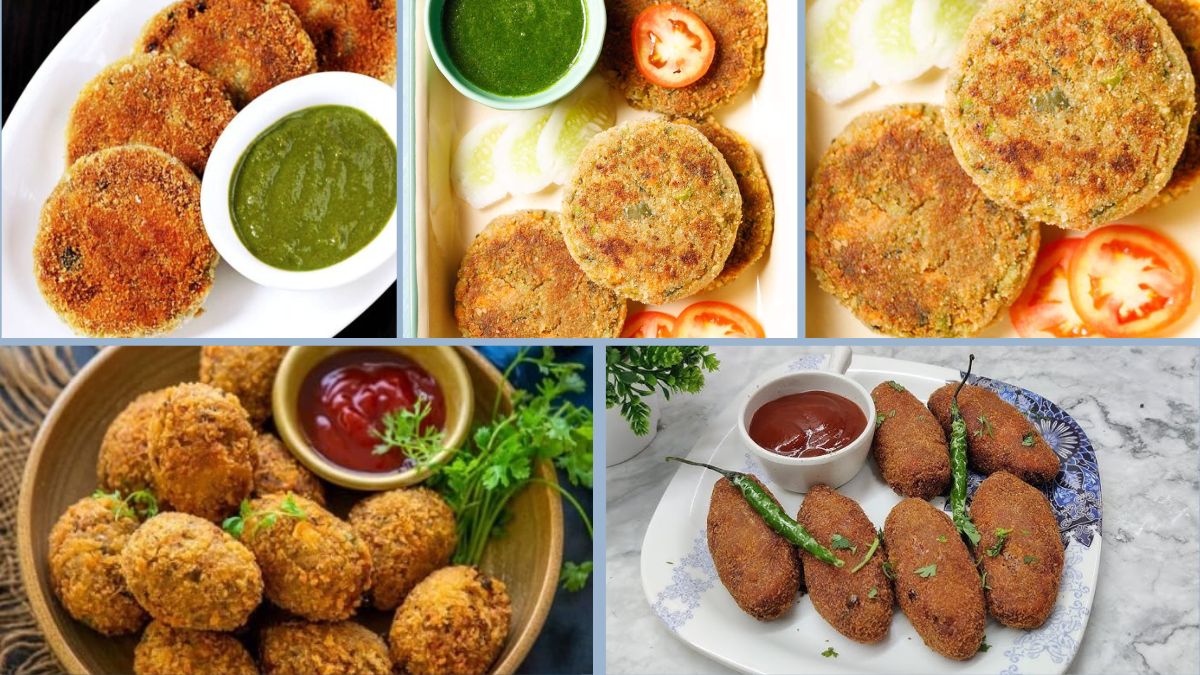
Evening snacks hold a special place in Indian households. They provide a pause between meals, energize the body, and offer an opportunity to enjoy flavorful, wholesome food. Among the many snacks that have become beloved across generations, vegetable pattice stands out. Crispy on the outside, soft and flavorful on the inside, vegetable pattice is a versatile, vegetarian snack that combines mashed potatoes, mixed vegetables, and aromatic spices.
This article presents a 5-step guide to making vegetable pattice for evening snacks, offering a detailed explanation of ingredients, preparation techniques, nutritional benefits, serving suggestions, and cultural significance.
Why Vegetable Pattice?
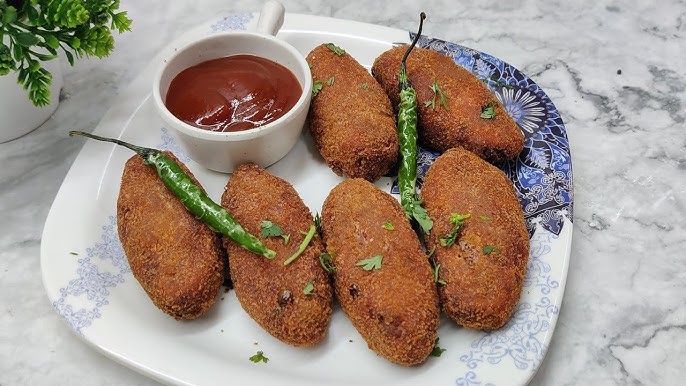
Vegetable pattice is popular for several reasons:
- Wholesome Ingredients – Combines potatoes, mixed vegetables, and spices, making it a nutrient-rich snack.
- Vegetarian-Friendly – Completely plant-based, suitable for all ages.
- Crispy Yet Soft – The contrast in textures makes it highly appealing.
- Versatile – Can be served with chutneys, ketchup, or yogurt-based dips.
- Easy to Prepare – Ready in under 40 minutes, ideal for busy households.
Key Ingredients
For 4 servings of vegetable pattice, gather the following ingredients:
For the Potato-Vegetable Mixture
- Boiled potatoes – 4 medium, mashed
- Carrot – ½ cup, finely grated
- Green beans – ½ cup, boiled and chopped
- Green peas – ½ cup, boiled
- Capsicum – ½ cup, finely chopped
- Onion – 1 medium, finely chopped
- Green chili – 1, finely chopped (optional)
- Ginger – 1 tsp, grated
- Coriander leaves – 2 tbsp, chopped
- Salt – to taste
- Black pepper powder – ¼ tsp
- Chaat masala – ½ tsp
- Cornstarch or bread crumbs – 2–3 tbsp (for binding)
For Coating
- Bread crumbs – ½ cup
- Water – 2–3 tbsp (to help coating stick)
Optional Spices for Extra Flavor
- Garam masala – ¼ tsp
- Red chili powder – ¼ tsp
The 5-Step Recipe

Step 1: Prepare the Vegetable Mixture
- Boil potatoes, green beans, and peas until tender.
- Mash the potatoes in a large bowl until smooth.
- Add grated carrot, chopped beans, green peas, capsicum, and finely chopped onion.
- Mix in green chili, ginger, coriander leaves, salt, pepper, chaat masala, and optional spices.
- Add cornstarch or bread crumbs to bind the mixture.
- Ensure the mixture is firm enough to shape into patties.
Tip: Avoid over-mashing vegetables; some texture enhances the bite.
Step 2: Shape the Pattice
- Take a small portion of the mixture and flatten it gently into round or oval patties, about 1–1.5 inches thick.
- Keep them uniform in size to ensure even cooking.
- Set the shaped patties aside on a plate lined with parchment paper.
Tip: Lightly wet your hands to prevent sticking while shaping the patties.
Step 3: Coat the Pattice
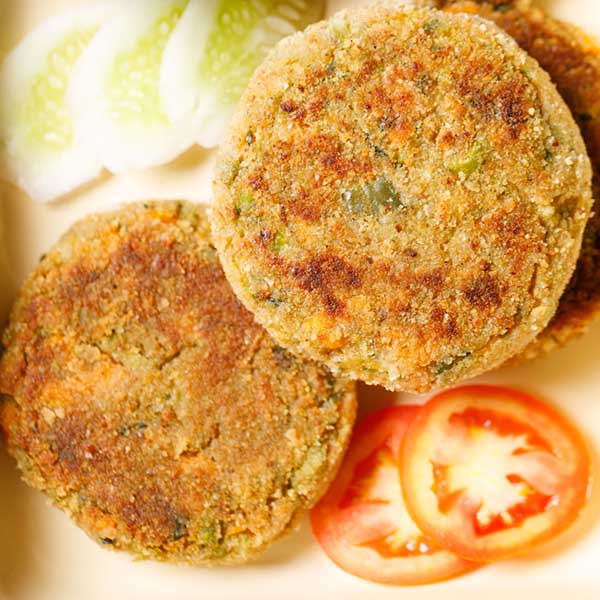
- Prepare a shallow dish with water and another with bread crumbs.
- Dip each patty lightly in water, then coat evenly with bread crumbs.
- Ensure the coating is consistent, as it provides the crispy outer layer during cooking.
Optional: For added flavor, mix a pinch of chili powder or dried herbs into the bread crumbs.
Step 4: Cook the Pattice
- Preheat a non-stick pan or skillet.
- Place patties gently on the pan and dry-fry on medium heat, turning occasionally.
- Cook until both sides are golden brown and crispy.
- Alternatively, bake in a preheated oven at 180°C (350°F) for 15–20 minutes, flipping halfway.
Tip: Using minimal oil or dry-frying keeps the snack healthy while maintaining crispness.
Step 5: Serve with Accompaniments
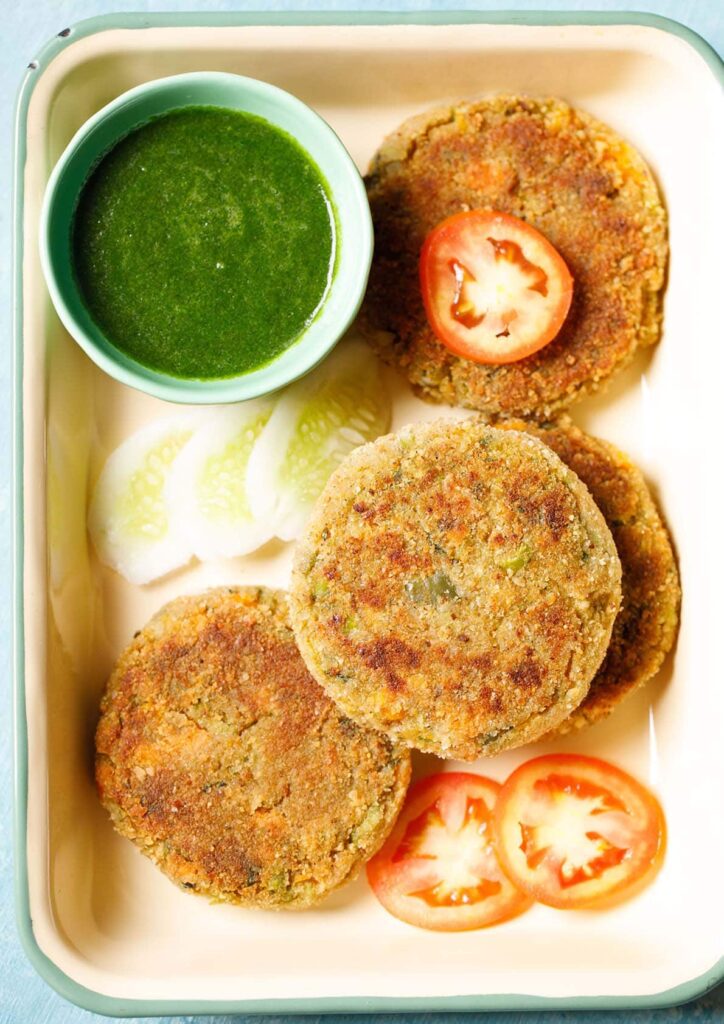
- Arrange the cooked pattice on a serving plate.
- Serve hot with green chutney, tamarind chutney, ketchup, or yogurt-based dips.
- Garnish with fresh coriander or a light sprinkle of chaat masala for added flavor.
Tip: Serve immediately for maximum crispness; leftovers can be reheated in an oven or air fryer.
Serving Suggestions
Vegetable pattice is versatile and can be presented in multiple ways:
- As an Evening Snack – Pair with tea, coffee, or a light lemonade.
- For Kids’ Lunchbox – Mildly spiced, easy to pack, and nutritious.
- Party Appetizer – Serve with assorted dips in small portions.
- Meal Accompaniment – Combine with roti, salad, or rice for a wholesome mini-meal.
Nutritional Benefits
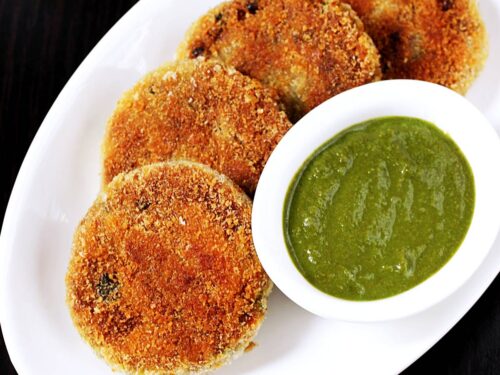
Vegetable pattice combines the goodness of potatoes with the nutritional power of mixed vegetables and spices:
- Potatoes – Provide complex carbohydrates for energy.
- Vegetables – Carrot, beans, peas, and capsicum supply fiber, vitamins (A, C, K), and antioxidants.
- Spices – Support digestion, enhance metabolism, and add flavor without calories.
- Low-Fat Cooking – Baking or dry-frying reduces oil intake while keeping the snack flavorful.
Approximate nutrition per serving (2 pattice with accompaniments):
- Calories – 180–220 kcal
- Protein – 4–5 g
- Carbohydrates – 30–32 g
- Fat – 2–3 g (if dry-fried)
- Fiber – 5 g
This makes vegetable pattice a balanced snack for children, adults, and health-conscious individuals alike.
Cultural Significance
Vegetable pattice is a modern adaptation of traditional Indian snacks like aloo tikki, reflecting the innovation in Indian home cooking:
- North Indian Influence – Derived from street-food favorites, often served with chutneys.
- Adaptation for Health – Oven-baking or dry-frying meets contemporary health-conscious standards.
- Vegetarian Preference – Aligns with India’s largely plant-based culinary culture.
- Snack Culture – Highlights the importance of evening snacks in Indian households, bridging meals and enhancing social gatherings.
Expert Tips for Perfect Vegetable Pattice
- Uniform Size – Ensures even cooking and attractive presentation.
- Binding – Proper use of cornstarch or bread crumbs prevents crumbling.
- Spice Balance – Mild spices for kids, bold flavors for adults; adjust to preference.
- Dry-Frying or Baking – Healthier alternatives to deep-frying while keeping crispiness.
- Fresh Vegetables – Use seasonal vegetables for optimal taste and nutrition.
- Serve Immediately – Retains crisp texture; reheating in an oven preserves crunch.
- Creative Variations – Add paneer, sweet corn, or mashed peas for flavor diversity.
Comparison: Traditional Aloo Tikki vs Vegetable Pattice
| Feature | Traditional Aloo Tikki | Vegetable Pattice |
|---|---|---|
| Main Ingredients | Potatoes | Potatoes + Mixed Vegetables |
| Texture | Soft, mildly crisp | Crispy outside, soft inside |
| Cooking Method | Frying | Dry-frying or baking |
| Nutritional Value | Moderate | Higher fiber and vitamins |
| Flavor Profile | Simple, potato-centric | More complex, vegetable-rich |
| Serving | Chutney or yogurt | Variety of dips and garnishes |
Vegetable pattice elevates traditional aloo tikki by adding nutrition, flavor, and health-conscious cooking techniques.
Conclusion
Vegetable pattice for evening snacks exemplifies how traditional comfort food can be adapted to meet modern tastes and nutritional needs. By following the 5-step guide—preparing the vegetable mixture, shaping patties, coating, cooking, and serving—you can create a snack that is healthy, flavorful, and visually appealing.
This dish is perfect for family evenings, children’s lunchboxes, social gatherings, or festive occasions. With its crispy exterior, soft vegetable-packed interior, and versatility in serving, vegetable pattice reflects the essence of Indian culinary creativity: simple, wholesome, and enjoyable for all.
It demonstrates that even everyday snacks can be transformed into nutritious, vegetarian delights without compromising on taste or appeal. Whether for a quick bite, a party platter, or a wholesome addition to a meal, vegetable pattice offers a satisfying, guilt-free indulgence that resonates with both tradition and modern culinary sensibilities.