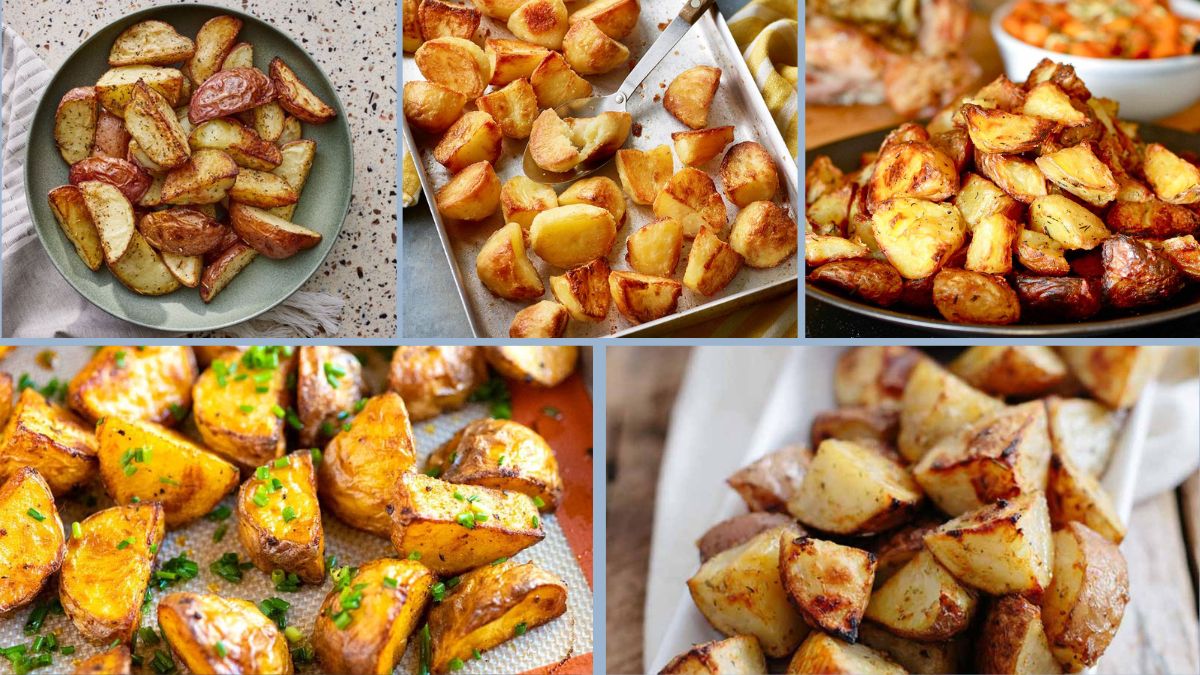
Roast potatoes are a beloved staple in many vegetarian meals, celebrated for their golden exterior and fluffy interior. Yet, achieving the perfect balance of crispy edges and soft, tender centers can be challenging. Many home cooks struggle with potatoes that turn out either soggy, burnt, or undercooked.
This article unveils 5 essential secrets to mastering perfectly crispy roast potatoes every time, using simple techniques and vegetarian-friendly ingredients. This guide is designed to be both practical and scientifically informative, ideal for culinary enthusiasts, researchers in food science, and anyone interested in elevating their cooking skills.
Why Focus on Crispy Roast Potatoes?
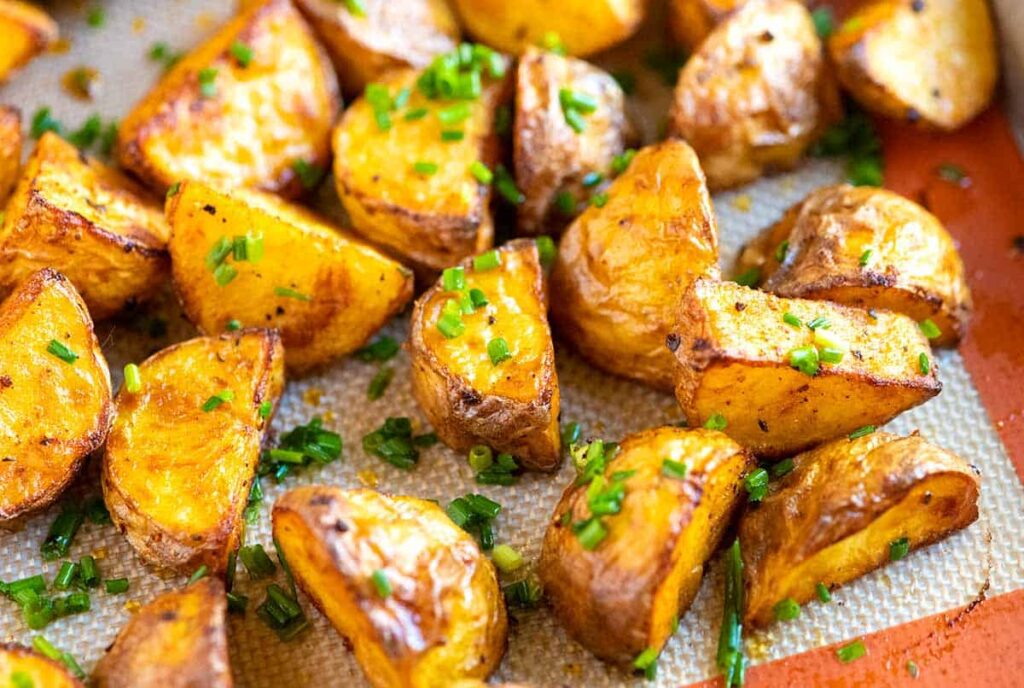
- Texture Contrast: The crispy exterior combined with the soft interior creates a delightful mouthfeel.
- Flavor Enhancement: Roasting caramelizes the potato’s natural sugars, boosting flavor.
- Versatility: Roast potatoes complement a wide range of vegetarian dishes.
- Nutritional Balance: Roasting uses less oil than frying, retaining nutrients and reducing fat content.
Understanding Potato Types
Choosing the right potato is the foundation of crispy roasting:
- Starchy Potatoes: Varieties like Russet or King Edward have high starch and low moisture, ideal for roasting.
- Waxier Potatoes: Such as Red or New potatoes, hold shape better but may not crisp as well.
Starchy potatoes tend to produce fluffier interiors and crisper exteriors when roasted properly.
Secret 1: The Perfect Potato Cut
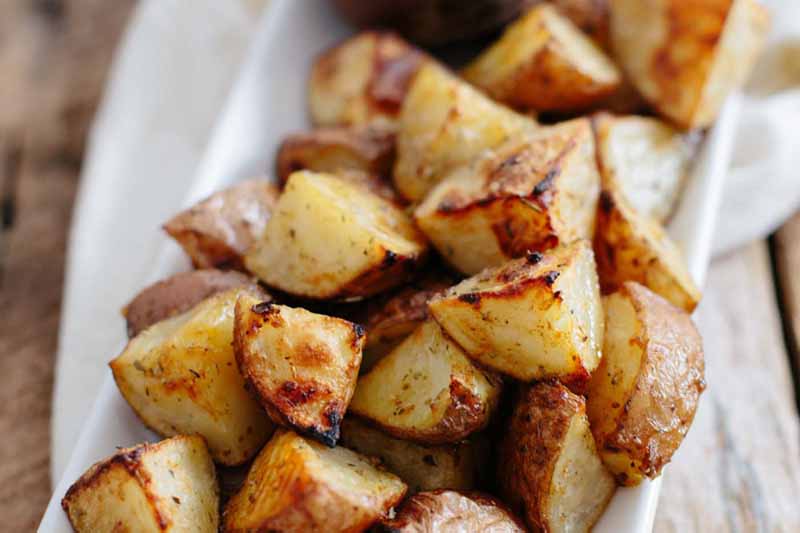
The shape and size of potato pieces influence cooking time and texture.
- Uniform Pieces: Cut potatoes into evenly sized chunks (about 2 inches) to ensure even cooking.
- Rough Edges: Slightly rough or jagged edges increase surface area for crispiness.
- Avoid Too Small Pieces: Smaller cuts can burn before the interior cooks fully.
Secret 2: Parboil for Softness
Parboiling is a crucial step to ensure tender interiors without sacrificing crispiness.
- Boil peeled potato chunks in salted water for 8-10 minutes until the edges start to soften but the core remains firm.
- Drain thoroughly to remove excess water, preventing soggy potatoes.
- After draining, give the potatoes a gentle shake in the colander to roughen their surface—this helps create a crispy crust when roasted.
Secret 3: Preheat Your Roasting Tray and Use the Right Oil
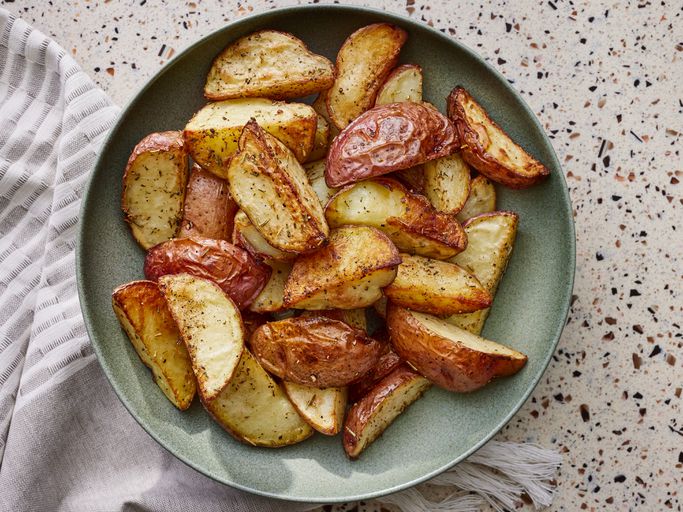
- Preheat the Tray: Place your baking tray with oil in the oven during preheating (around 200°C or 400°F). This step helps the potatoes sizzle and start crisping immediately when added.
- Choose High-Smoke Point Oils: Use oils like vegetable oil, sunflower oil, or light olive oil that withstand high temperatures without burning.
- Generous Oil Coating: Toss the potatoes thoroughly in hot oil to coat evenly, which enhances crispiness.
Secret 4: Season Generously and Use Herbs
Proper seasoning not only adds flavor but also contributes to the crust texture.
- Salt: Essential for drawing moisture out and enhancing flavor.
- Herbs: Rosemary, thyme, and sage complement roast potatoes beautifully and can be added fresh or dried.
- Garlic: Roasted garlic cloves or garlic powder add a savory depth.
- Pepper and Spices: Black pepper or smoked paprika provide warmth and subtle heat.
Add seasoning after parboiling and before roasting for best results.
Secret 5: Roast at High Heat and Turn Regularly
- High Temperature: Roast potatoes at 200-220°C (400-425°F) for a crispy crust. Lower temperatures produce softer results.
- Turn Often: Turn potatoes every 15-20 minutes during roasting to ensure even browning and prevent burning on one side.
- Cooking Time: Total roasting time is about 45-60 minutes, depending on potato size and oven.
Additional Tips for Perfect Roast Potatoes
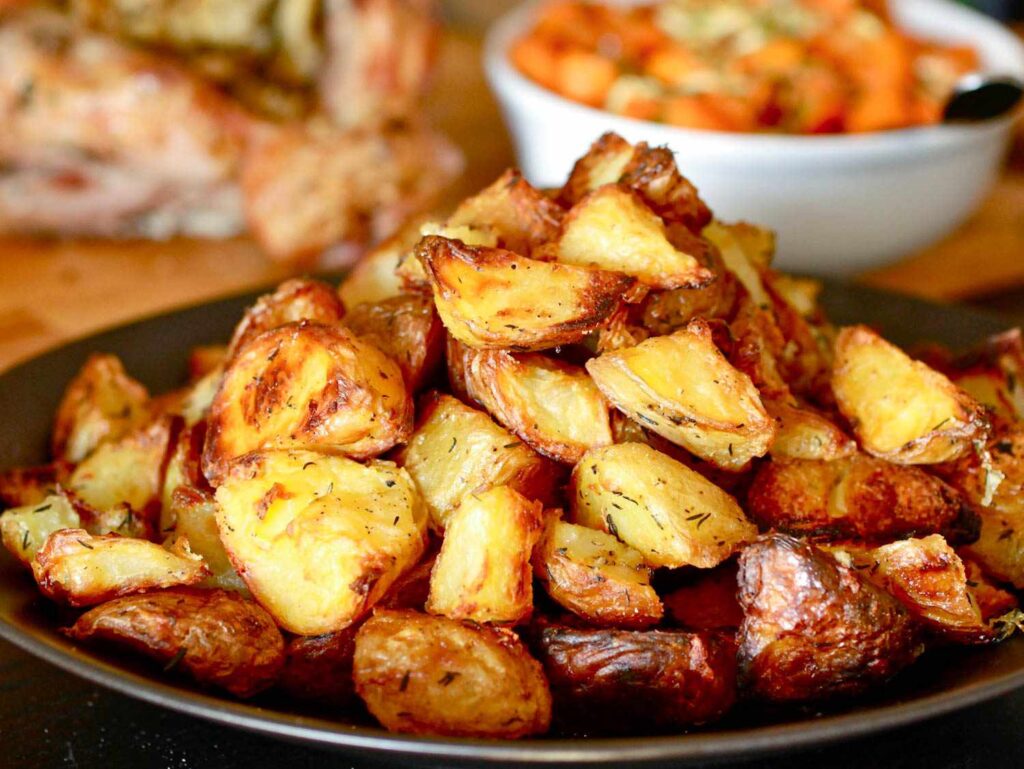
- Avoid Overcrowding: Leave space on the tray to allow hot air to circulate, which helps crisp all sides.
- Use a Heavy Baking Tray: Thick metal trays distribute heat evenly.
- Finish with a Sprinkle: After roasting, toss potatoes with a little more salt or fresh herbs to refresh flavors.
Nutritional Benefits of Roast Potatoes
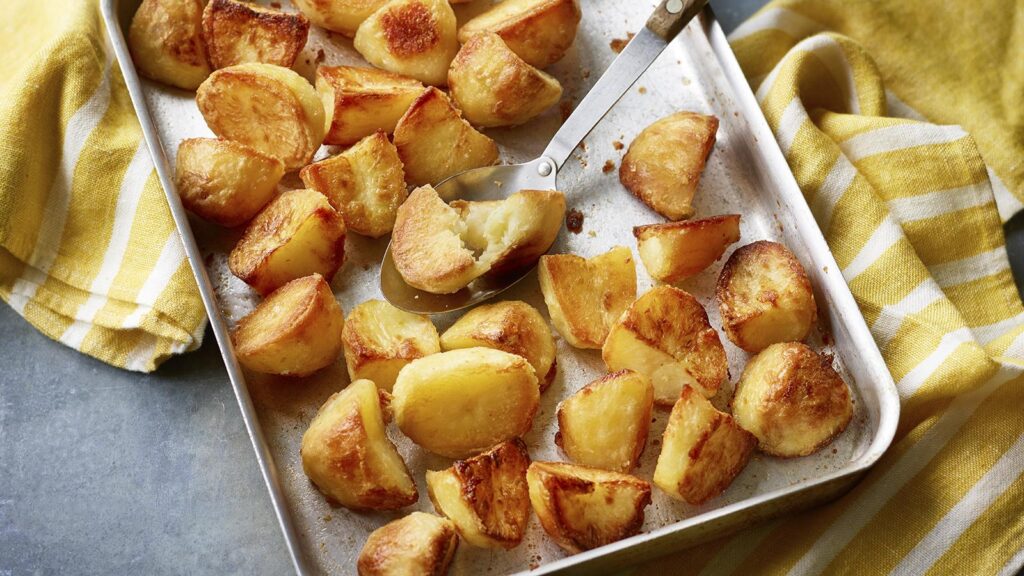
- Low Fat: Roasting uses less oil than frying, reducing calorie content.
- Rich in Carbohydrates: Provides energy with a lower glycemic impact when eaten with fiber-rich vegetables.
- Vitamin C and Potassium: Important for immune function and heart health, retained during roasting.
- Gluten-Free and Vegan: Naturally suitable for most dietary needs.
Conclusion
Mastering the art of crispy roast potatoes is about understanding the science behind texture, heat, and flavor. The **5 secrets—perfect cut, parboiling, preheated oil, seasoning, and high heat roasting—**combine to create an irresistibly crispy outside with a fluffy inside, perfect for vegetarian meals.
This guide not only elevates your home cooking but also provides a solid foundation for culinary research into roasting techniques, ingredient interactions, and textural optimization in plant-based foods.
For those interested in exploring further, sensory evaluation and nutritional analysis of roasted potatoes prepared with these methods can provide valuable data on consumer preferences and health impacts.