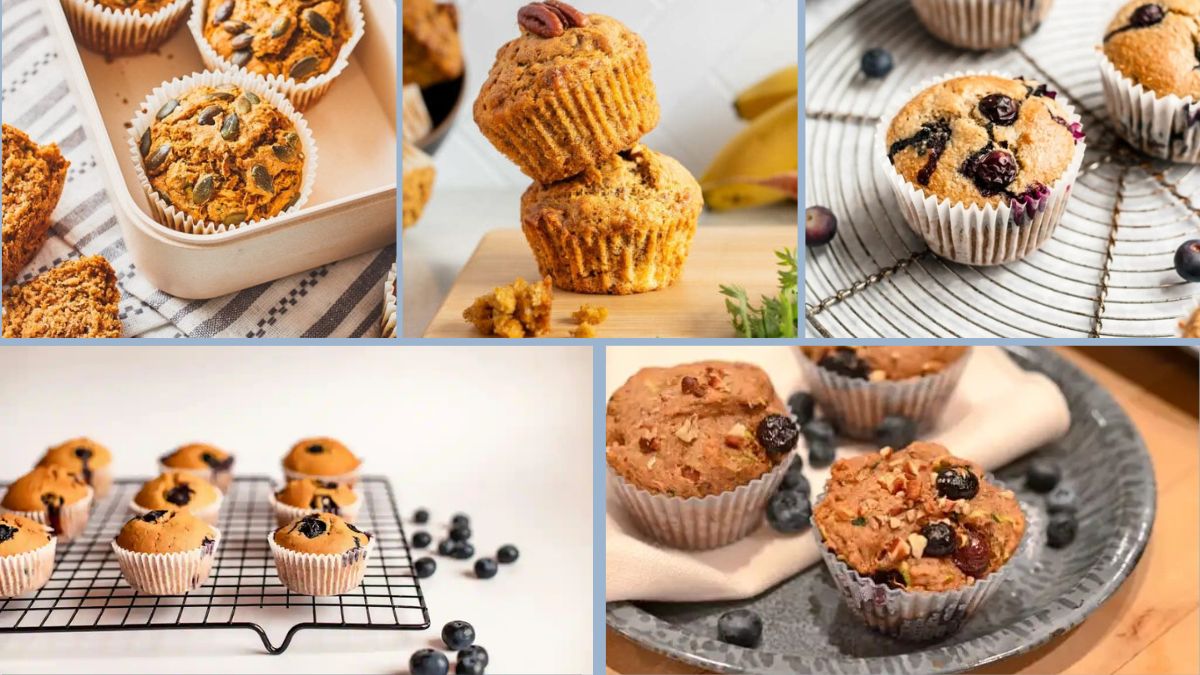
Vegan baking has gained immense popularity as more people embrace plant-based diets for health, ethical, and environmental reasons. However, baking vegan muffins that are both light and airy presents unique challenges. Traditional muffins rely on eggs and dairy to provide structure, moisture, and lift. Without these ingredients, achieving the perfect muffin texture requires a nuanced understanding of alternative ingredients and techniques.
This article offers 6 expert tips to help bakers create vegan muffins that are fluffy, moist, and delightfully airy, using only plant-based ingredients. Designed for culinary students, food scientists, and vegan baking enthusiasts, this guide explores ingredient functions, substitution strategies, and baking techniques to elevate your vegan muffin recipes.
Why Focus on Vegan Muffins?
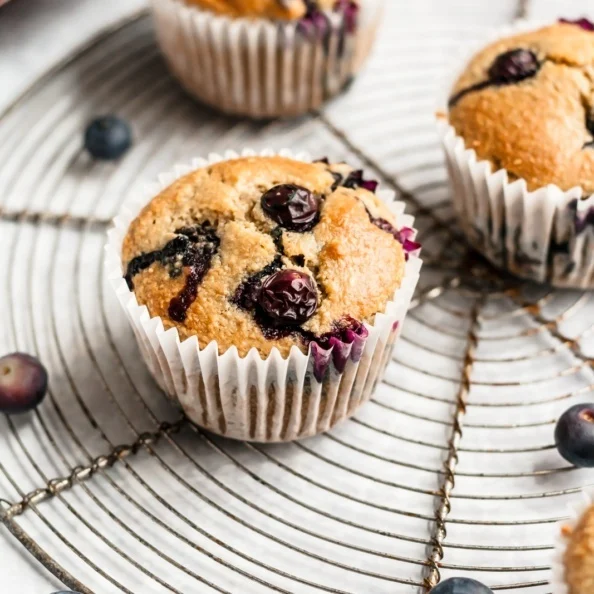
- Plant-Based Nutrition: Vegan muffins can be rich in fiber, vitamins, and antioxidants, especially when incorporating whole grains, fruits, and nuts.
- Ethical and Sustainable: Free from animal products, vegan muffins support ethical eating and reduce environmental impact.
- Allergy-Friendly: Ideal for those with dairy or egg allergies.
- Creative Baking: Encourages experimentation with diverse ingredients like flaxseeds, aquafaba, and plant milks.
Ingredients Overview

Key ingredients for vegan muffins include:
| Ingredient | Role | Vegan Alternatives |
|---|---|---|
| Flour | Structure | All-purpose, whole wheat, gluten-free |
| Baking powder/soda | Leavening | Same as traditional recipes |
| Plant-based milk | Moisture | Almond, soy, oat, coconut |
| Sweeteners | Sweetness | Cane sugar, maple syrup, agave |
| Oil or vegan butter | Fat for tenderness | Coconut oil, vegetable oil, vegan margarine |
| Egg replacers | Binding and leavening | Flaxseed meal, chia seeds, applesauce, aquafaba |
| Flavorings | Enhances taste | Vanilla, cinnamon, citrus zest |
| Add-ins | Texture and nutrition | Nuts, seeds, dried or fresh fruits |
Tip 1: Use Effective Egg Substitutes
Eggs provide structure, moisture, and leavening in muffins. In vegan baking, substitutes must mimic these functions:
- Flaxseed or Chia Seeds: Mix 1 tablespoon of ground flaxseed or chia seeds with 3 tablespoons of water; let sit for 5-10 minutes until gel-like. This mixture binds ingredients and adds omega-3s.
- Aquafaba: The viscous water from cooked chickpeas can be whipped to mimic egg whites’ leavening and moisture properties. Use 3 tablespoons aquafaba to replace one egg.
- Applesauce or Mashed Banana: Adds moisture and slight sweetness, though it may produce denser muffins.
Using the right substitute is crucial for achieving lightness and binding.
Tip 2: Incorporate Proper Leavening Agents
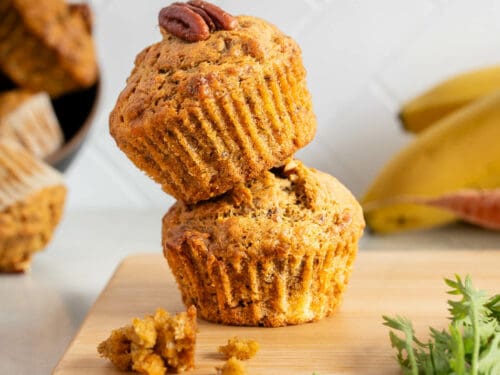
Leavening agents create air pockets that give muffins their rise and fluffiness.
- Baking Powder and Baking Soda: Ensure they are fresh and used in correct proportions.
- Vinegar or Lemon Juice: React with baking soda to produce carbon dioxide, enhancing lift in vegan muffins.
- Avoid Overmixing: Combine wet and dry ingredients just until mixed to retain air bubbles.
Tip 3: Choose the Right Flour and Combine with Starches
Flour type affects texture significantly.
- All-Purpose Flour: Commonly used, provides good structure.
- Whole Wheat Flour: Adds nutrition but can produce denser muffins; best blended with all-purpose flour.
- Starches: Adding a small portion of cornstarch or arrowroot powder lightens the crumb by reducing gluten formation.
Experimenting with flour blends optimizes softness and airiness.
Tip 4: Maintain Moisture with Plant-Based Milks and Fats
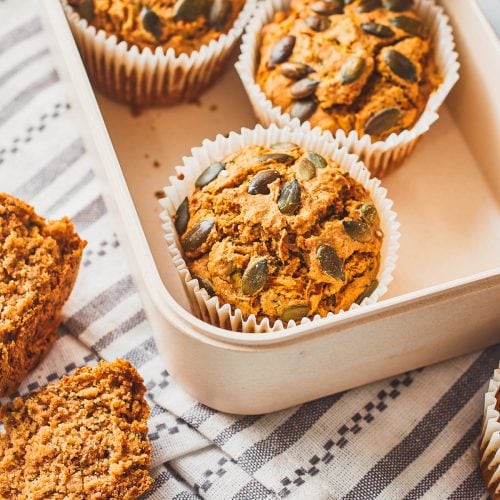
Moisture balance prevents dry or crumbly muffins.
- Plant-Based Milks: Almond, oat, soy, or coconut milk provide liquid and subtle flavor. Use unsweetened versions to control sweetness.
- Fats: Incorporate oils like coconut or vegetable oil for tenderness. Vegan butter alternatives can add richness.
- Avoid Overbaking: Bake until just done to retain moisture.
Tip 5: Master Mixing Techniques for Air Incorporation
The mixing method impacts muffin texture:
- Creaming: In vegan baking, oil is often used instead of butter, but creaming oil with sugar still incorporates some air.
- Folding: Gently fold wet and dry ingredients to avoid deflating batter, preserving trapped air bubbles.
- Whipping Aquafaba: For recipes using aquafaba, whipping it separately into soft peaks before folding in increases airiness.
Tip 6: Optimal Baking Temperature and Timing
Correct baking temperature ensures muffins rise fully and develop a tender crumb.
- Moderate Heat: Bake muffins at 175–190°C (350–375°F) for even cooking without drying out.
- Preheat Oven: Ensures consistent temperature from the start.
- Avoid Opening Oven Door: Prevents temperature drops that hinder rising.
- Use a Toothpick Test: Insert a toothpick in the center; if it comes out clean, muffins are done.
Additional Tips for Flavor and Texture Enhancement
- Add Natural Flavorings: Vanilla extract, cinnamon, nutmeg, or citrus zest brighten the flavor.
- Include Textural Elements: Chopped nuts, seeds, or dried fruit add crunch and nutritional value.
- Use Sweeteners Wisely: Maple syrup or agave can add moisture and subtle sweetness but adjust liquid quantities accordingly.
- Cooling: Let muffins cool completely on a wire rack to set crumb structure.
Nutritional Benefits of Vegan Muffins
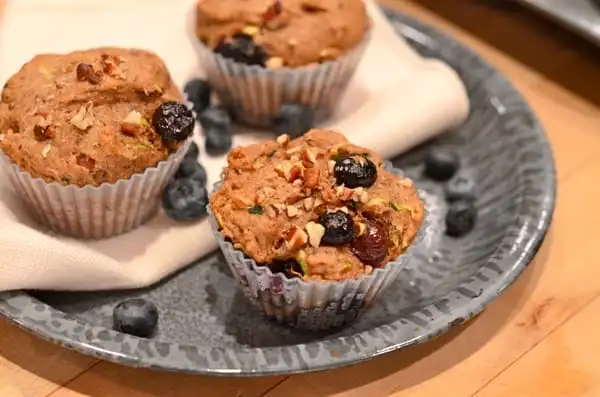
- High in Fiber: Especially when whole grains and nuts are included.
- Cholesterol-Free: Using no animal products benefits heart health.
- Rich in Plant Proteins and Healthy Fats: From seeds, nuts, and plant milks.
- Antioxidant-Rich: Spices and fruits contribute vitamins and phytochemicals.
Conclusion
Baking light and airy vegan muffins is both an art and science. Understanding ingredient functions, proper substitutions, and baking techniques unlocks the potential for delicious, fluffy muffins that everyone can enjoy.
The **6 tips presented—egg substitutes, leavening agents, flour selection, moisture management, mixing methods, and baking control—**create a roadmap to consistent success in vegan baking. These insights are valuable for home bakers, culinary professionals, and food scientists exploring plant-based baking innovations.
This knowledge can also inspire further research into ingredient interactions, texture optimization, and nutritional enhancement in vegan bakery products.