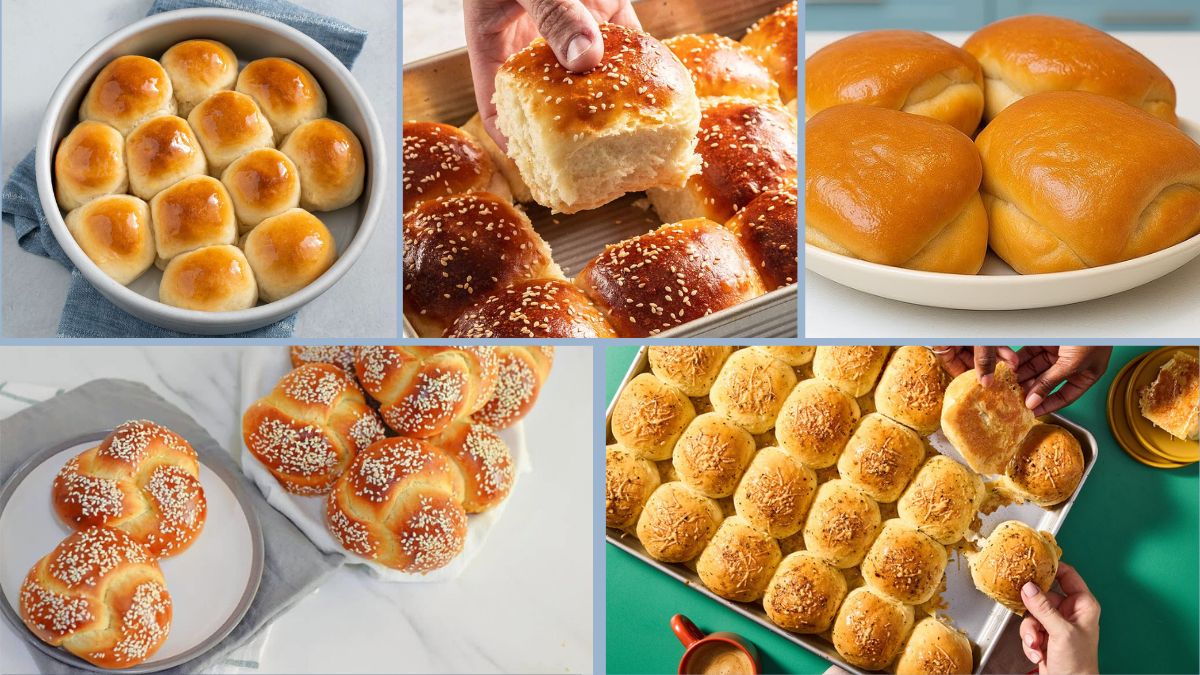
Few things evoke the comfort of home like the aroma of freshly baked dinner rolls. Soft, fluffy, and golden brown, these pillowy breads are perfect companions to soups, curries, and holiday meals. While traditional recipes often rely on eggs or dairy for richness and structure, it’s entirely possible—and delicious—to bake soft and fluffy dinner rolls using only vegetarian ingredients.
This article presents 9 tested secrets to help home bakers, culinary students, and food science researchers create irresistibly soft, egg-free dinner rolls with a light crumb and buttery flavor. With an emphasis on method and ingredient functionality, this guide aims to bridge traditional baking techniques with modern vegetarian values.
Why Focus on Eggless, Vegetarian Dinner Rolls?
- Dietary Inclusivity: Suitable for vegetarians and those with egg allergies.
- Plant-Based Alternatives: Promotes sustainability without sacrificing quality.
- Customizable: Pairs well with a variety of savory or sweet dishes.
- Research Value: Offers insight into gluten development, fermentation, and texture science.
Basic Ingredients Overview (Vegetarian & Eggless)
| Ingredient | Purpose | Notes |
|---|---|---|
| All-purpose or bread flour | Provides structure and gluten | Bread flour yields more chewiness |
| Yeast (dry active or instant) | Leavens the dough | Ensure it’s fresh and active |
| Sugar | Feeds the yeast and adds slight sweetness | Optional based on taste |
| Salt | Enhances flavor and controls yeast | Essential even in small amounts |
| Plant-based milk | Moisture and richness | Almond, soy, oat, or coconut milk |
| Plant-based butter or oil | Tenderness and flavor | Softens crumb, adds richness |
| Warm water | Activates yeast and hydrates dough | Temp: 38–43°C (100–110°F) |
Secret 1: Use Bread Flour for Better Structure
Although all-purpose flour works fine, bread flour—which has a higher protein content—yields more gluten development, resulting in chewier, fluffier rolls. Gluten traps air from yeast fermentation, which expands during baking and creates a soft, airy texture.
Pro Tip: A 50/50 blend of bread and all-purpose flour can offer the best of both worlds—softness and structure.
Secret 2: Activate Yeast Properly
Soft dinner rolls depend on well-risen dough. If using active dry yeast, dissolve it in warm water with a pinch of sugar and wait 5–10 minutes until it becomes frothy. This step ensures the yeast is alive and ready to leaven your dough.
If using instant yeast, you can skip this proofing step, but using warm liquid is still essential for activation.
Avoid: Water that is too hot—it can kill the yeast.
Secret 3: Add Plant-Based Milk for Moisture and Tenderness
Milk (even plant-based) enriches the dough by adding protein and fat, which contribute to a tender crumb and enhanced flavor. Almond, oat, or soy milk are great choices. Coconut milk, while richer, can be used in moderation for a hint of sweetness and fat.
Dough Hydration: The right liquid ratio makes the dough soft and pliable but not sticky.
Secret 4: Include a Healthy Fat (Butter or Oil)
Fats coat the gluten strands, making them more flexible and giving the rolls their soft texture. You can use:
- Vegan butter for a traditional flavor
- Neutral oil like canola or sunflower for a cleaner taste
- Olive oil for Mediterranean-style dinner rolls
Add fat after the first knead to avoid interfering with gluten development early on.
Secret 5: Knead Until Smooth and Elastic
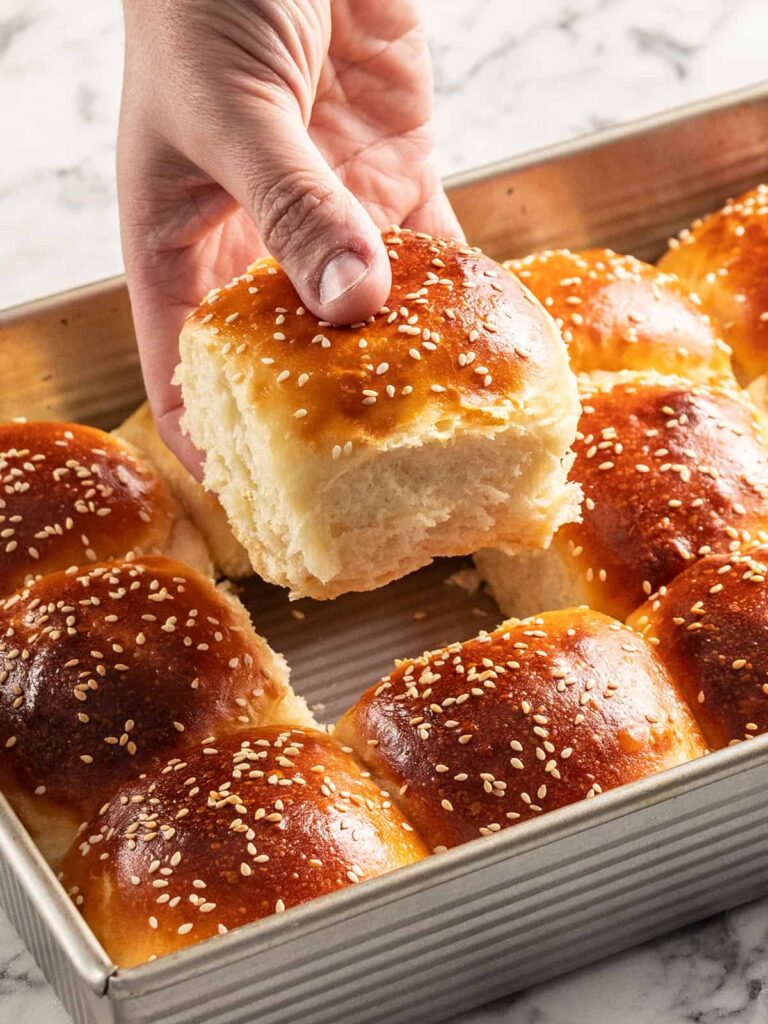
Kneading develops gluten and distributes air evenly through the dough. A well-kneaded dough should:
- Stretch without tearing
- Feel soft and springy
- Form a smooth, round ball
Manual kneading takes about 10–12 minutes, while a stand mixer can do it in 7–8 minutes with a dough hook.
Windowpane Test: Stretch a small piece of dough—if it forms a thin, translucent membrane, it’s ready.
Secret 6: Let the Dough Rise in a Warm, Moist Environment
Fermentation is where your dough gains most of its volume and flavor. For a successful first rise:
- Cover the dough with a damp towel or plastic wrap
- Place in a warm, draft-free area (ideal temp: 24–27°C or 75–80°F)
- Let rise until doubled, usually 1 to 1.5 hours
Don’t Rush: Under-proofed dough leads to dense rolls.
Secret 7: Shape Rolls Gently and Evenly
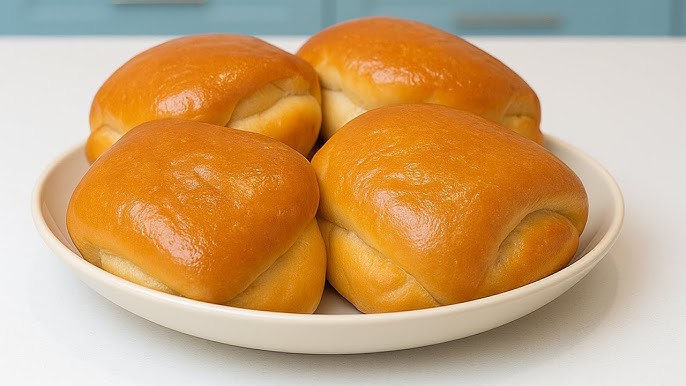
After the first rise, punch down the dough gently to release gas and divide into equal portions (typically 12 for a standard 9×13 pan). Form smooth balls by tucking dough under and pinching the seam at the bottom.
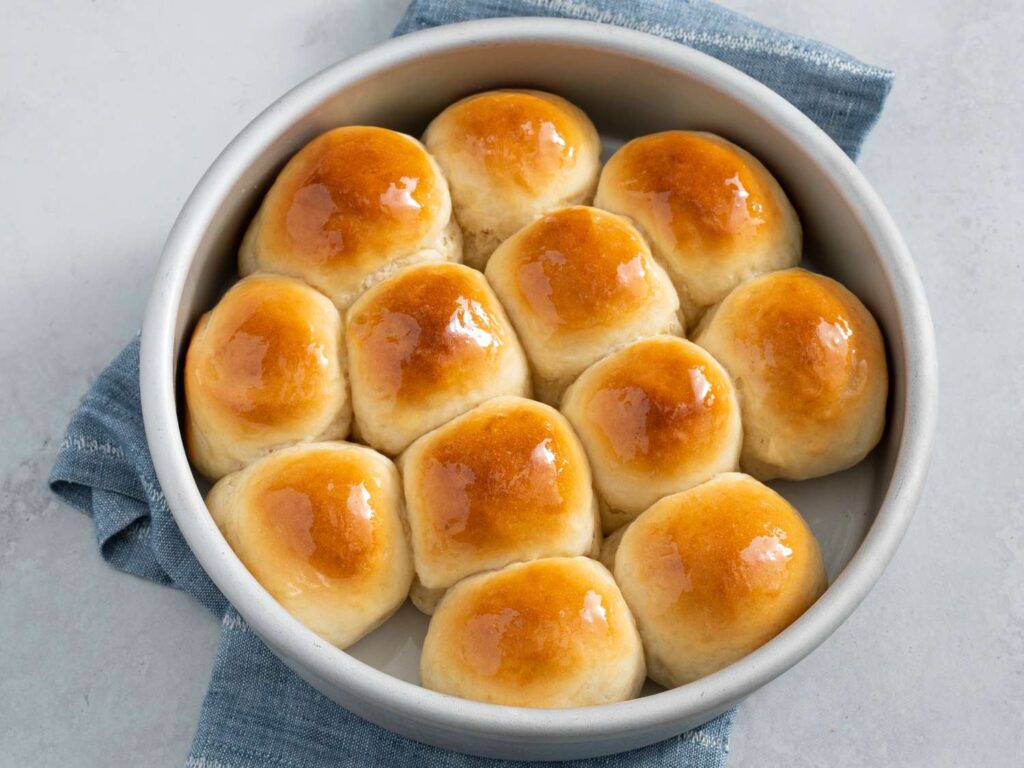
Place rolls close together in the pan so they touch slightly during the second rise—this promotes softer sides as they bake.
Secret 8: Allow a Full Second Rise
The second proofing (or “final rise”) is crucial for lightness. Let shaped rolls rise for another 30–45 minutes, covered loosely.
They should look puffy and nearly double in size again before going into the oven.
Tip: Don’t skip or cut short the second rise—it determines final volume and fluffiness.
Secret 9: Bake at the Right Temperature and Brush for Golden Color
- Bake at 180–190°C (350–375°F) for 20–25 minutes, or until golden on top.
- For a soft crust, brush with plant-based milk before baking.
- For added shine and buttery flavor, brush with melted vegan butter immediately after baking.
Check doneness: Tap the bottom of a roll—it should sound hollow. Internal temp: 88–93°C (190–200°F).
Optional Additions for Flavor and Texture
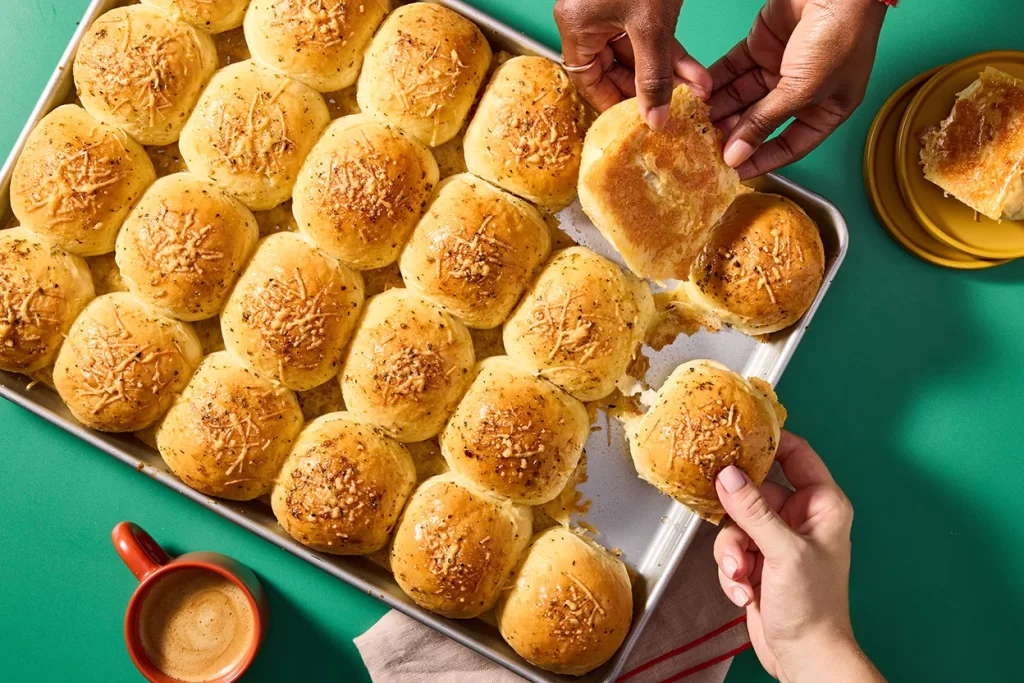
- Garlic-Herb Rolls: Mix minced garlic and herbs into the dough or brush on top
- Sweet Rolls: Add cinnamon or raisins and increase sugar slightly
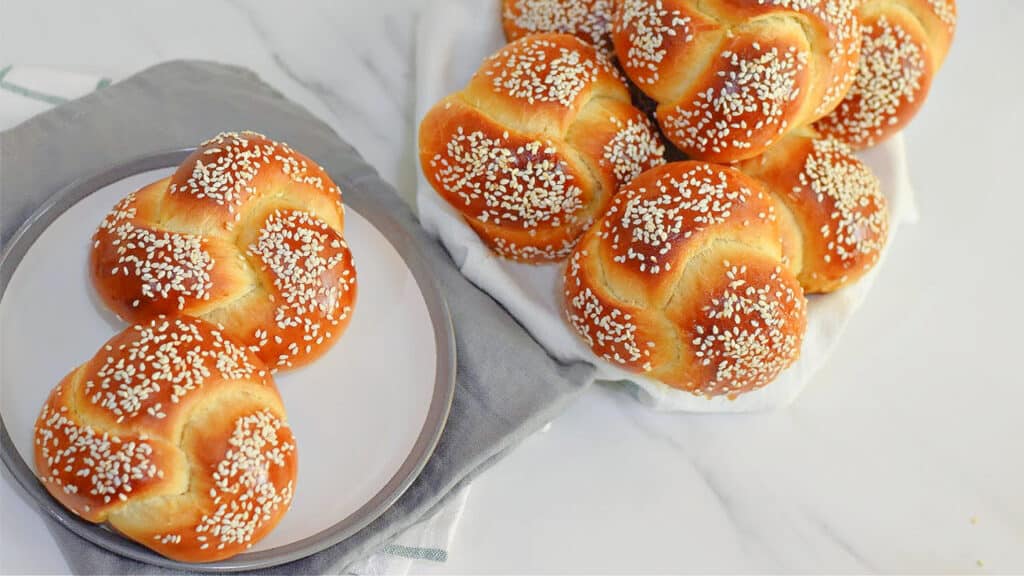
- Seeded Topping: Sprinkle sesame, poppy, or nigella seeds after brushing with milk
These variations can diversify your roll offerings while keeping the base recipe vegetarian.
Nutritional Snapshot (Per Roll Estimate)
| Nutrient | Approx. Amount |
|---|---|
| Calories | 120–150 kcal |
| Carbohydrates | 20–25g |
| Protein | 3–5g |
| Fat | 4–6g |
| Saturated Fat | <1g (plant-based) |
| Cholesterol | 0mg (egg-free, dairy-free) |
| Fiber | 1–2g (use whole wheat for more) |
Note: Can be made healthier with whole wheat flour or low-glycemic sweeteners.
Conclusion
Soft, fluffy dinner rolls are a staple in many cuisines, and with a few strategic adjustments, they can be fully vegetarian, egg-free, and utterly delicious. Whether you’re baking for a special occasion, contributing to academic research in food science, or simply perfecting your home baking skills, these **9 secrets—ranging from ingredient selection to proofing and baking technique—**are your blueprint for success.
By understanding the science behind each element—gluten development, yeast fermentation, dough hydration, and fat distribution—you’ll unlock consistent results in both taste and texture. Even without eggs or dairy, you can enjoy light, airy dinner rolls that rival any traditional version.