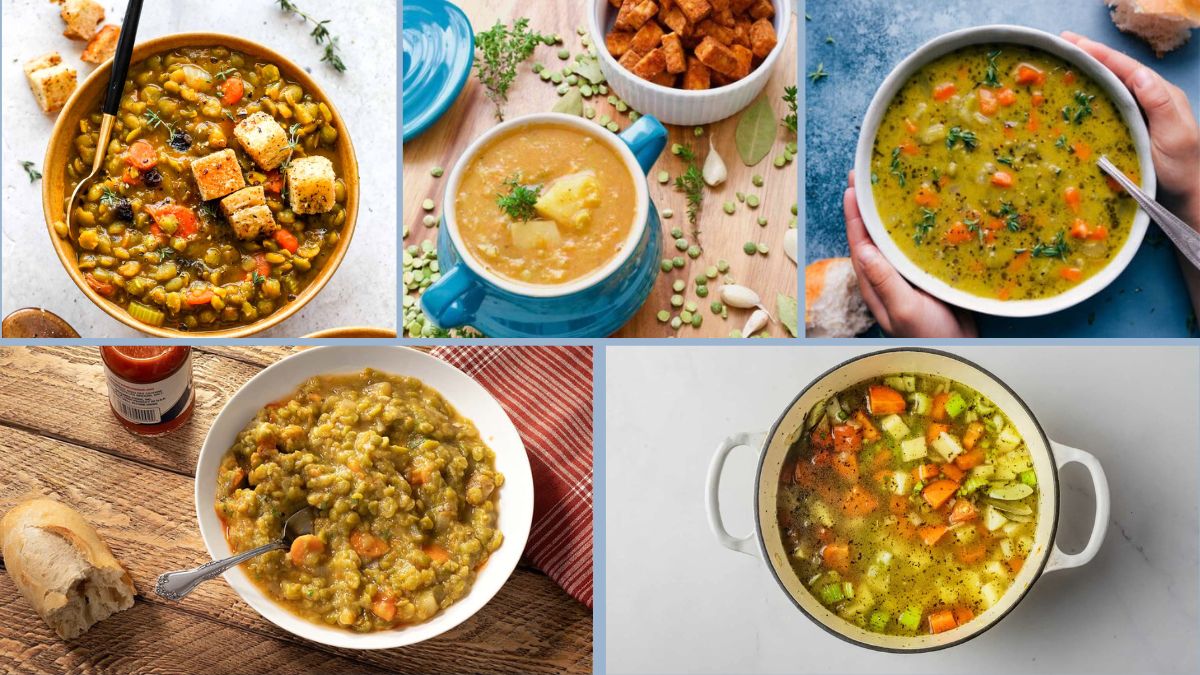
Dutch cuisine is often celebrated for its simplicity and heartiness, shaped by centuries of cold winters and agricultural traditions. Among its most iconic dishes is erwtensoep, also known as Dutch split pea soup. Traditionally enjoyed during chilly months, this thick, comforting soup is considered so hearty that a spoon should almost stand upright in the pot.
Historically, the dish included smoked sausage, bacon, or ham hocks for richness. But today, with the rise of vegetarian diets and a growing appreciation for plant-based cooking, an equally delicious version can be crafted without meat. With the right techniques, spices, and vegetables, you can prepare a vegetarian Dutch split pea soup that stays authentic to its roots while offering depth, comfort, and nourishment.
Below are five essential steps to making this traditional soup in a plant-based, wholesome way.
Step 1: Selecting and Preparing Split Peas
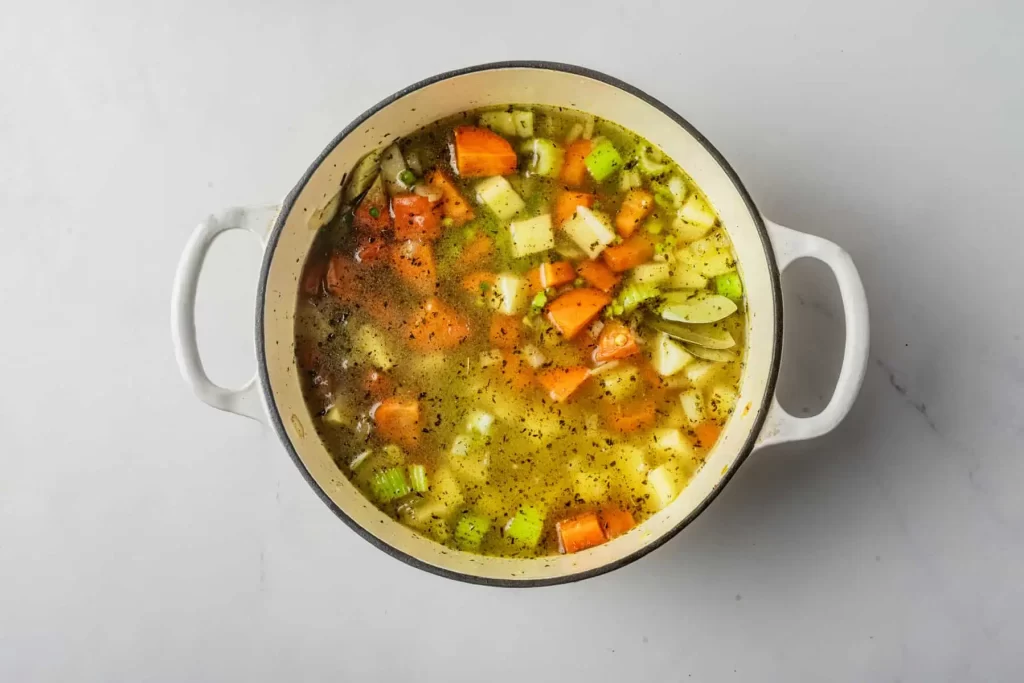
The soul of erwtensoep lies in the humble split pea. Choosing and preparing them properly makes all the difference.
- Type of Peas: Use dried green split peas, which are traditional in Dutch recipes. They break down during cooking, creating the thick, creamy texture that defines the dish. Yellow split peas can be used but will yield a slightly different flavor.
- Rinsing: Always rinse peas under cold water to remove dust or impurities. Unlike beans, split peas do not require overnight soaking, but soaking them for an hour can reduce cooking time.
- Cooking Behavior: During simmering, split peas disintegrate, releasing starches that naturally thicken the broth.
Food Science Insight: Split peas contain soluble fiber (mainly pectin). As they cook, this fiber dissolves into the liquid, producing a smooth, hearty consistency without cream or flour.
Step 2: Building a Flavorful Base
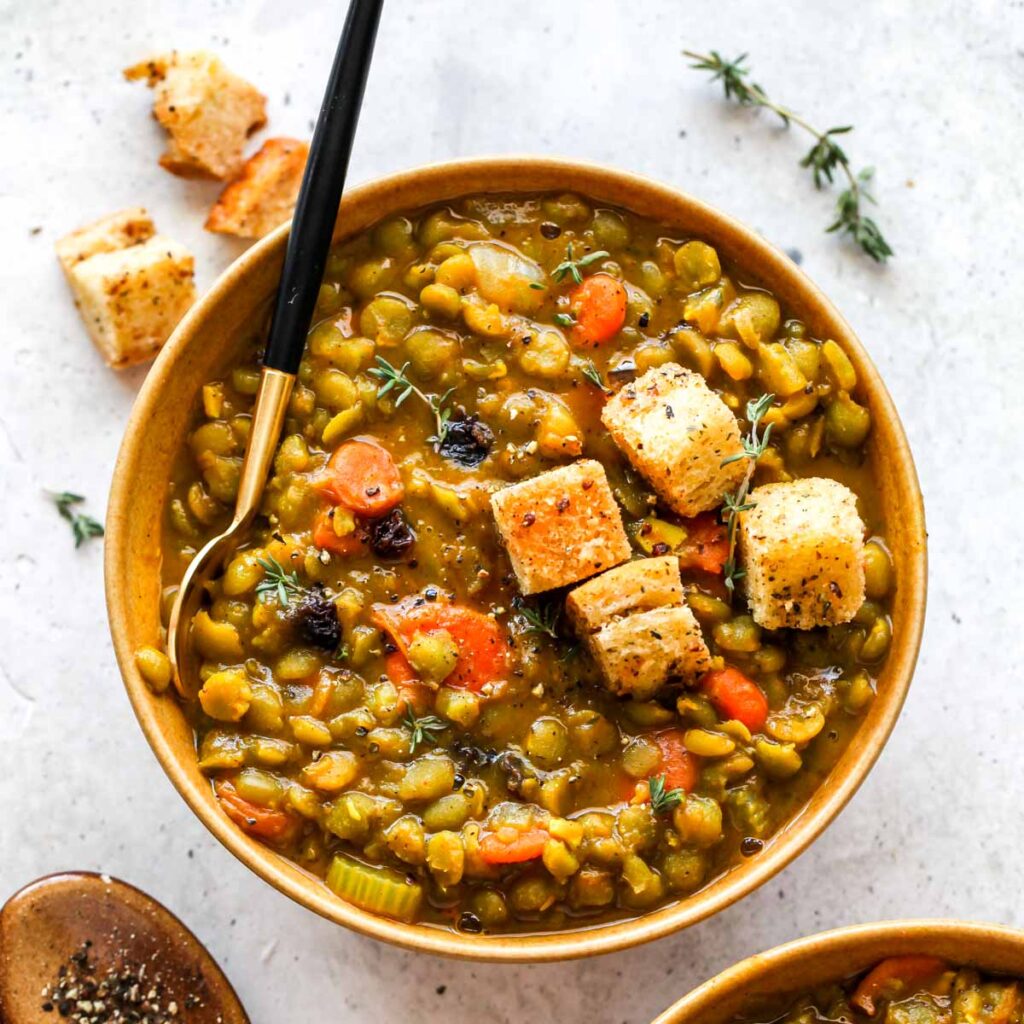
A vegetarian soup needs a robust flavor foundation to compensate for the absence of smoked meats. This is achieved by layering vegetables, herbs, and spices.
- Onion, Leek, and Garlic: These are essential aromatics. Leeks, in particular, are traditional in Dutch recipes and bring a subtle sweetness.
- Celery Root (Celeriac): Another classic ingredient, providing an earthy flavor and creamy body.
- Carrots and Potatoes: Add sweetness and bulk, helping balance the savory depth.
- Fats: Olive oil or coconut oil replaces animal fat, creating a rich mouthfeel.
Technique: Begin by sautéing onions, leeks, garlic, and celery root in oil until softened and aromatic. This process develops a fragrant base that supports the split peas.
Pro Hack: Add a teaspoon of smoked paprika or liquid smoke during this stage. It creates the illusion of traditional smoked meats without compromising vegetarian integrity.
Step 3: Simmering for Depth and Consistency
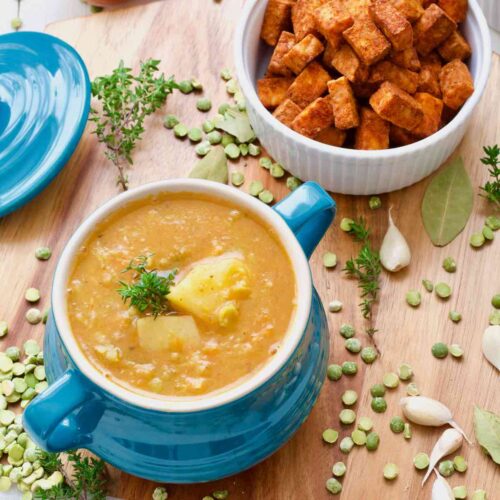
The hallmark of authentic Dutch pea soup is its thickness and slow-simmered depth.
- Liquid Base: Use vegetable broth instead of water for maximum flavor. Homemade broth with roasted vegetables, celery, and bay leaves is ideal.
- Simmering Time: Allow the soup to cook gently for 1–2 hours, stirring occasionally. This slow simmer encourages peas to break down naturally.
- Herbs and Spices: Add bay leaves, thyme, and a pinch of black pepper for authenticity. Mustard seeds or coriander seeds can also enhance complexity.
- Consistency Check: The soup should be very thick—so thick that it resembles porridge. If too thin, simmer uncovered to reduce liquid. If too thick, loosen with a splash of broth.
Science Note: Long, slow cooking not only breaks down peas but also melds flavors. Starches from peas and potatoes absorb surrounding aromas, creating a unified, hearty taste.
Step 4: Adding Vegetables and Vegetarian Substitutes
In traditional Dutch households, erwtensoep often included sausages or ham. For a vegetarian style, creativity is key.
- Vegetable Additions: Add diced carrots, parsnips, or extra celeriac in the last 30 minutes for texture. Leafy greens like kale can be stirred in at the end for freshness.
- Protein Boosts: Smoked tofu, tempeh, or seitan cubes can replace meat, providing chewiness and richness. Marinate them in soy sauce and paprika before adding.
- Grains or Legumes: A handful of barley or lentils can add body and nutritional balance.
Pro Hack: For smoky depth, add roasted mushrooms. Their umami character mimics the meaty backbone of traditional recipes.
Step 5: Finishing Touches and Serving the Dutch Way
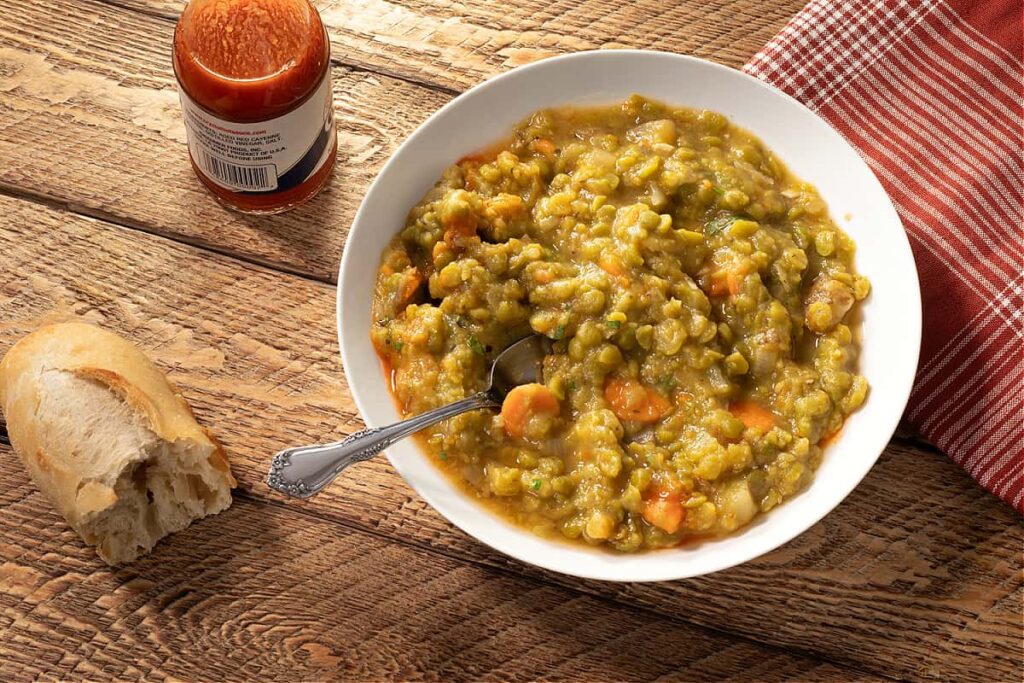
How you finish and serve this soup makes it truly authentic.
- Resting Period: Authentic Dutch split pea soup tastes even better the next day. Allowing it to rest overnight deepens flavors and thickens consistency.
- Final Seasoning: Before serving, remove bay leaves and taste for balance. A splash of apple cider vinegar or lemon juice brightens the dish.
- Traditional Garnishes: Top with fresh parsley or chives. A drizzle of olive oil enhances richness.
- Serving Style: Serve piping hot with roggebrood (Dutch rye bread) or hearty sourdough. For a modern twist, try with vegan garlic bread or toasted whole-grain rolls.
Cultural Note: In the Netherlands, erwtensoep is often enjoyed after ice skating or outdoor winter activities. It’s considered both a meal and a symbol of resilience against cold weather.
Conclusion
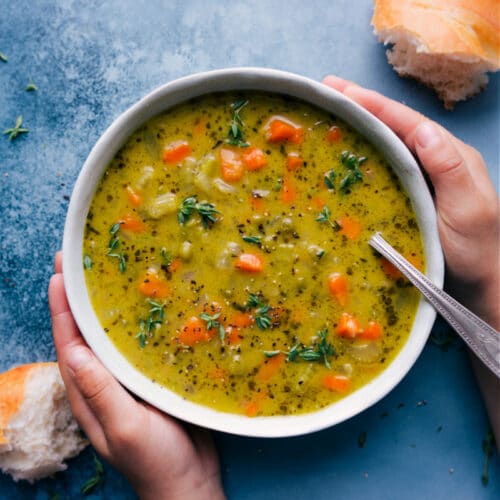
Authentic Dutch split pea soup is much more than a bowl of comfort—it’s a piece of culinary heritage. By carefully applying these five steps—selecting and preparing split peas, building a flavorful base, simmering for depth, adding vegetables and vegetarian substitutes, and finishing with authentic Dutch style—you can create a soup that honors tradition while embracing a plant-based lifestyle.
This vegetarian version demonstrates that richness, heartiness, and satisfaction do not require meat. Instead, the natural starches of split peas, the depth of aromatics, and creative plant-based substitutes deliver the same warming quality that has kept this dish a Dutch classic for centuries.
Whether you enjoy it after a long day, share it with friends on a cold evening, or let it rest overnight for maximum flavor, vegetarian erwtensoep proves that tradition and innovation can coexist beautifully in the kitchen.