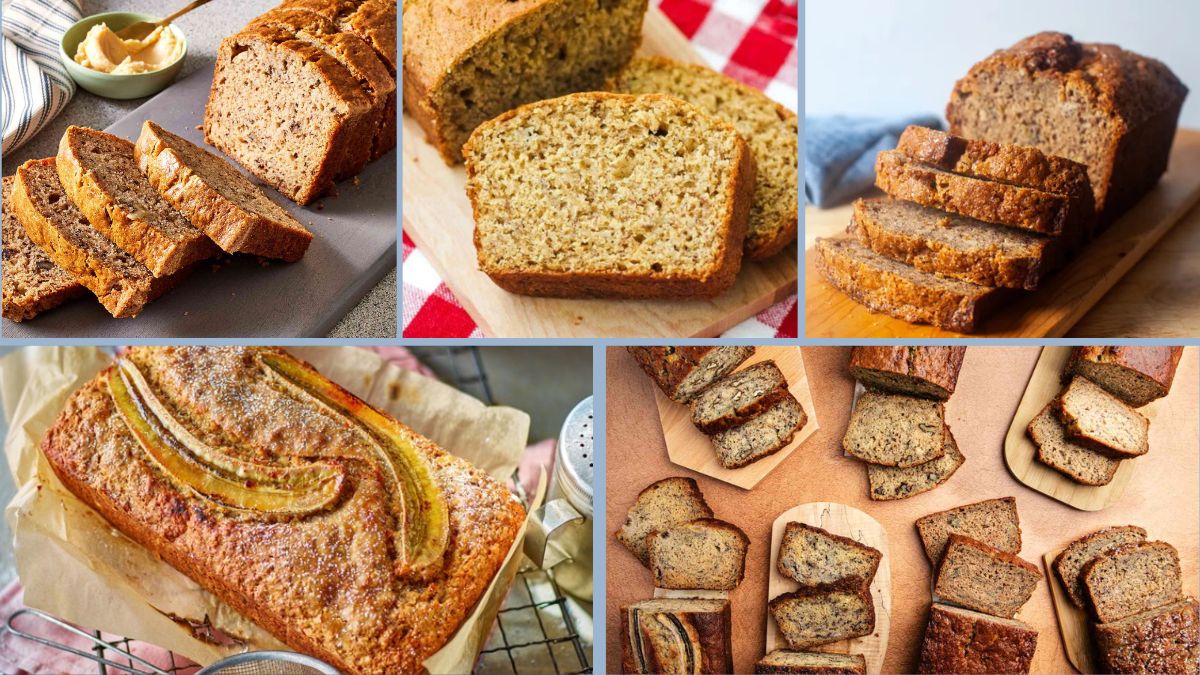
Banana bread has long been one of the most beloved baked goods across kitchens worldwide. Its sweet aroma, moist crumb, and comforting flavor make it a favorite for breakfast, tea-time snacks, or even dessert. Traditionally, many recipes include eggs, butter, or milk to achieve a tender texture. However, with the rise of vegan lifestyles, dietary restrictions, and conscious choices toward plant-based eating, home bakers are now exploring ways to craft banana bread without relying on animal-derived ingredients.
Fortunately, baking banana bread without eggs or dairy is not only possible but can result in an equally delicious, moist, and flavorful loaf. The key lies in understanding how ingredients function, identifying proper substitutes, and mastering small adjustments in technique. Below are seven foolproof tips—grounded in both food science and practical baking knowledge—that will help you achieve perfect banana bread every time, entirely plant-based and free of non-vegetarian components.
1. Choose Overripe Bananas for Natural Binding and Moisture
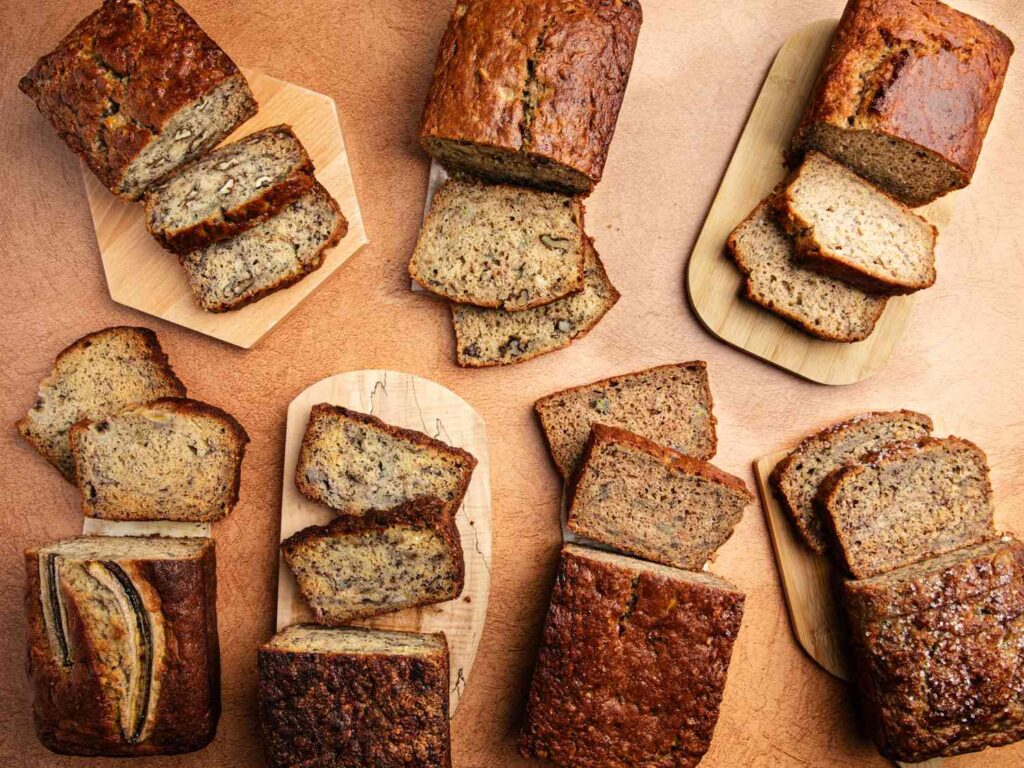
Bananas are the backbone of banana bread, and their ripeness significantly influences texture and flavor. Overripe bananas with dark, speckled skins contain higher sugar content and softer pulp, which naturally acts as a binding agent in the absence of eggs. Their stickiness helps hold ingredients together, while their moisture keeps the loaf soft.
Tip in practice:
- Use bananas that are at least 80–90% brown or black on the peel.
- Mash them thoroughly to avoid lumps, as smooth banana puree distributes evenly throughout the batter.
- A ratio of 3 medium bananas per loaf (approx. 1 to 1 ½ cups mashed) typically works well.
From a food science perspective, bananas supply pectin and starches that mimic the structural properties eggs usually provide. They also enhance sweetness, allowing bakers to slightly reduce added sugar.
2. Replace Eggs with Plant-Based Alternatives
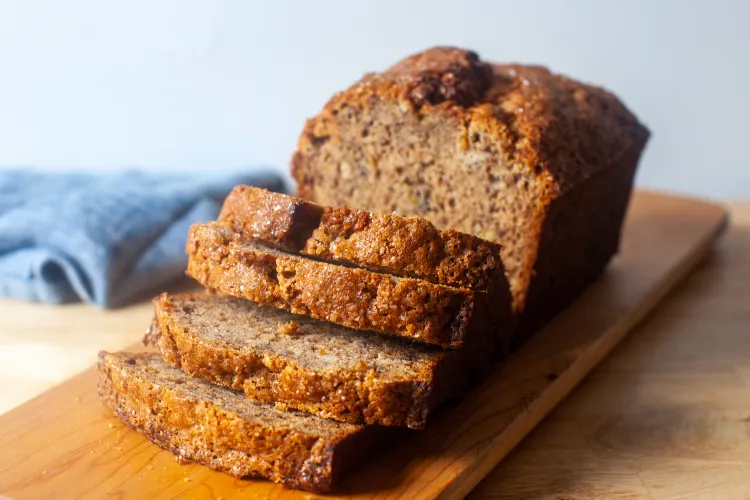
Eggs usually serve as binding agents and leaveners in banana bread. Without them, one must carefully substitute with plant-based options that maintain structure and moisture balance. Several reliable egg replacers work well in banana bread recipes:
- Flaxseed or Chia Seed Gel: Combine 1 tablespoon ground flaxseed or chia seed with 3 tablespoons water, let it sit for 10 minutes until gel-like, and use it as one egg substitute. These seeds not only bind but also add omega-3 fatty acids and fiber.
- Applesauce: ¼ cup unsweetened applesauce per egg is a common substitute. It contributes moisture without altering flavor too much.
- Plant-Based Yogurt: ¼ cup of soy or coconut yogurt provides creaminess and mild tang.
- Commercial Egg Replacers: Products such as Ener-G or Bob’s Red Mill Egg Replacer are designed specifically for baking and provide predictable results.
Food science insight: The fiber in flax and chia creates a mucilage that mimics the viscosity of egg whites, while applesauce relies on natural pectin and sugars for binding. Each substitute may slightly alter the flavor profile, so experiment with your preference.
3. Use Plant-Based Fats for Tenderness
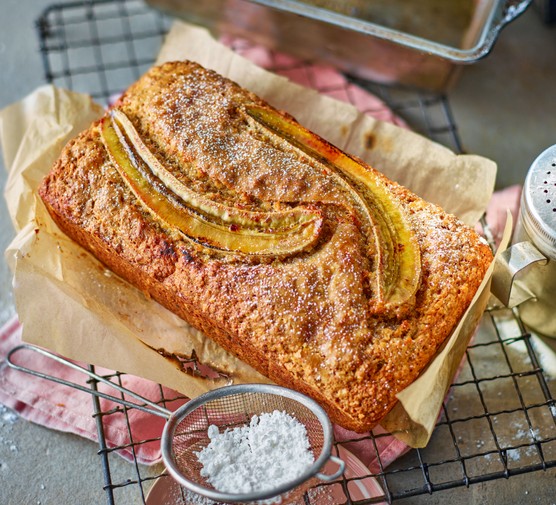
Butter is commonly used in traditional banana bread for richness and moisture. However, plant-based alternatives can replicate the same tenderness:
- Vegetable Oils (Coconut, Sunflower, Canola): Oils contribute directly to moistness since they are 100% fat, unlike butter which contains water. Coconut oil adds subtle flavor, while canola keeps the taste neutral.
- Nut Butters: Almond or peanut butter adds richness and depth of flavor. Use sparingly (1–2 tablespoons) to avoid heaviness.
- Vegan Margarine or Plant Butter: These function almost identically to dairy butter in terms of creaming and texture.
Tip: Use ½ cup oil or plant butter for a standard loaf. If you prefer a lighter texture, substitute half the fat with applesauce. This combination ensures moisture without making the loaf greasy.
4. Enhance Structure with the Right Flour and Mixing Technique
Banana bread requires a balance between tenderness and stability. Too much gluten development from overmixing flour can result in a dense loaf, while too little structure makes it crumbly.
- All-Purpose Flour: The most common choice, providing balanced gluten strength.
- Whole Wheat or Oat Flour: Adds nutrition and earthy flavor but should be blended with all-purpose flour (50:50 ratio) to avoid heaviness.
- Gluten-Free Options: A mix of rice flour, almond flour, and a binder like xanthan gum works for gluten-sensitive bakers.
Mixing Technique:
- Always mix wet and dry ingredients separately before combining.
- Fold gently until just combined—overmixing activates gluten excessively, creating toughness.
Food science explains that flour proteins (glutenin and gliadin) hydrate and form gluten networks. Since eggs are absent, maintaining the correct flour ratio and minimal mixing ensures stability without toughness.
5. Adjust Sweeteners for Depth of Flavor
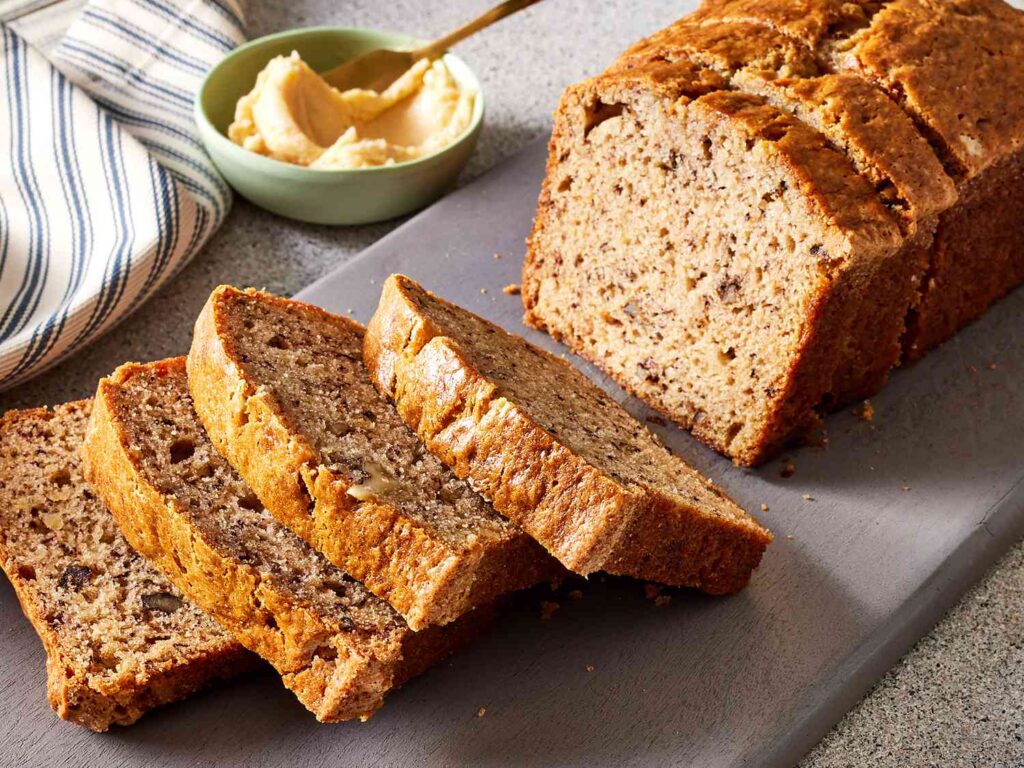
Banana bread thrives on sweetness, but refined sugar is not the only option. Plant-based alternatives can enhance both nutrition and taste:
- Brown Sugar or Coconut Sugar: Adds molasses-like depth and moistness.
- Maple Syrup or Agave Nectar: Introduces a gentle caramel-like sweetness.
- Date Paste: A whole-food sweetener rich in fiber and minerals, ideal for health-conscious bakers.
Note: Liquid sweeteners increase moisture, so reduce other liquids slightly to avoid soggy texture.
Bananas themselves act as natural sweeteners, so bakers can often reduce added sugar by 25–30% compared to traditional recipes.
6. Enhance Flavor with Plant-Based Additions
Banana bread is versatile and easily enhanced with mix-ins and spices. Without dairy or eggs, adding layers of flavor elevates the loaf:
- Spices: Cinnamon, nutmeg, cardamom, and ginger pair beautifully with bananas.
- Nuts and Seeds: Walnuts, pecans, or pumpkin seeds add crunch and protein.
- Chocolate Chips: Use vegan dark chocolate for indulgence.
- Coconut Flakes or Dried Fruits: Offer variety in texture and flavor.
For aroma, a teaspoon of vanilla extract or almond extract can heighten the sensory appeal.
7. Perfect the Baking Process
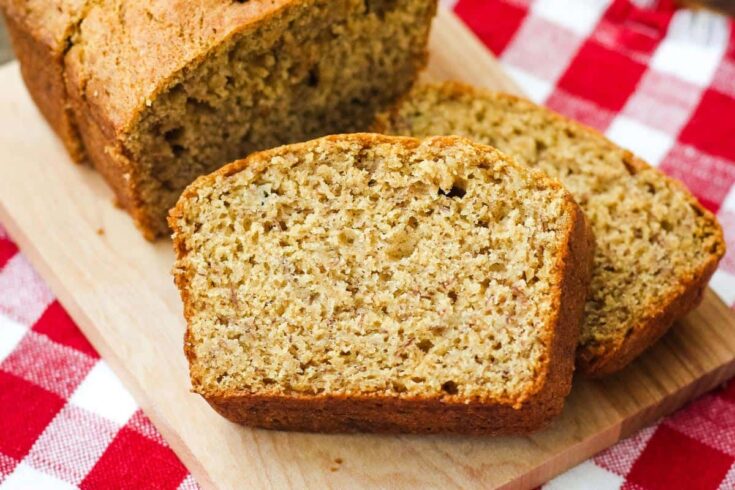
Even with the right ingredients, the baking process determines the final outcome.
- Temperature: Bake at 175°C (350°F) for 50–60 minutes. Lower and slower baking ensures even cooking without a raw center.
- Pan Preparation: Grease the loaf pan with oil or line it with parchment paper for easy removal.
- Testing Doneness: Insert a toothpick in the center—if it comes out mostly clean with a few moist crumbs, the bread is ready.
- Cooling: Allow the loaf to cool in the pan for 10 minutes, then transfer to a wire rack. Cutting too soon leads to crumbling.
Food science notes that during baking, starches gelatinize, proteins (from flour and seeds) set, and sugars caramelize, all of which lock in texture and flavor.
Conclusion
Baking banana bread without eggs or dairy is not only achievable but can be deeply rewarding. By understanding the role of each ingredient and applying thoughtful substitutions, one can create a loaf that is moist, flavorful, and entirely plant-based. From choosing perfectly ripened bananas to mastering egg substitutes and balancing flavors, these seven foolproof tips ensure consistent success in the kitchen.
More than just a recipe, banana bread becomes a symbol of adaptability—showing how tradition can evolve to meet modern dietary needs without sacrificing taste or joy. Whether you are vegan, lactose-intolerant, or simply curious, this approach proves that the heart of baking lies not in rigid rules but in creativity, science, and love for wholesome food.