
Tomato basil soup is a timeless dish, celebrated for its vibrant color, balanced acidity, and comforting creaminess. Served alongside crusty bread or a light salad, it embodies warmth and nourishment. Traditionally, cream or dairy-based thickeners are used to achieve its silky texture. However, with the growing popularity of plant-based diets and lactose-free cooking, it is both possible and delightful to create a creamy tomato basil soup without non-vegetarian ingredients.
By focusing on ingredient selection, cooking technique, and culinary science, home cooks can replicate the depth, creaminess, and aroma of traditional versions while keeping the recipe wholesome and fully vegetarian. This article outlines seven essential steps to prepare the perfect creamy tomato basil soup at home.
Step 1: Selecting Quality Tomatoes

The essence of this soup lies in tomatoes. Their ripeness, sweetness, and acidity define the overall flavor.
- Fresh Tomatoes: Choose ripe, red, juicy tomatoes such as Roma, San Marzano, or plum varieties. Their flesh is meaty, with lower water content and higher natural sugars.
- Canned Tomatoes: A reliable alternative, especially when fresh tomatoes are out of season. Use whole peeled or fire-roasted varieties for deeper flavor.
- Roasting Option: Roasting tomatoes before blending enhances caramelization, reduces sharp acidity, and introduces subtle smokiness.
Food Science Insight: Tomatoes contain natural glutamates, which act as flavor enhancers, creating umami depth. Roasting intensifies this umami while balancing natural acidity.
Step 2: Building a Flavorful Base

Every soup benefits from a strong aromatic foundation. In tomato basil soup, the base is created by sautéing vegetables in fat until fragrant.
- Onions: Provide sweetness and depth once softened.
- Garlic: Adds warmth and pungency that pairs beautifully with basil.
- Carrots or Red Bell Peppers (Optional): Contribute natural sweetness, balancing acidity without adding sugar.
- Fats: Use olive oil or coconut oil as plant-based alternatives to butter. Olive oil enhances Mediterranean authenticity, while coconut oil lends creaminess.
Technique: Heat oil over medium flame, sauté onions until translucent, then add garlic and optional vegetables. Cook slowly to avoid burning, as bitterness negatively impacts the soup.
Step 3: Seasoning and Layering Flavors
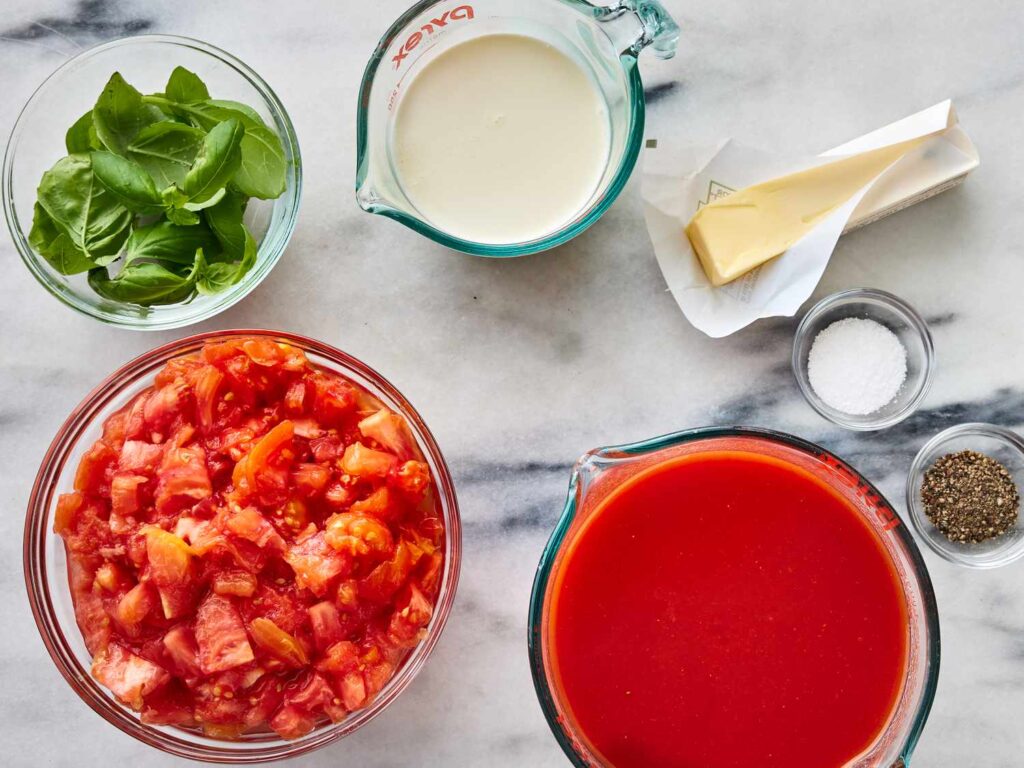
Seasonings elevate simple tomato soup into a culinary masterpiece. The key lies in layering flavors gradually.
- Salt: Essential for enhancing natural sweetness in tomatoes.
- Black Pepper: Adds gentle spice without overpowering.
- Bay Leaf or Thyme: Contribute earthy undertones during simmering.
- Paprika or Red Chili Flakes (Optional): Provide warmth for those who enjoy mild heat.
Pro Hack: Add seasoning in small increments throughout the cooking process. Early salting draws out moisture from vegetables, while finishing with salt fine-tunes balance.
Science Note: Salt suppresses bitterness and accentuates sweetness, while acids from tomatoes stimulate taste buds. Balancing these two ensures harmony.
Step 4: Simmering for Depth

Tomato basil soup develops complexity during a gentle simmer.
- Add Tomatoes: Once aromatics are cooked, stir in fresh or canned tomatoes. Break them down with a spoon or spatula.
- Liquid Base: Vegetable broth enhances flavor more than water. For extra richness, use a splash of coconut milk during simmering.
- Simmering Time: Allow the mixture to simmer for 20–30 minutes, stirring occasionally. This reduces sharp acidity and integrates flavors.
Tip: For a smoother soup, remove the bay leaf before blending.
Food Science Insight: During simmering, water evaporates, concentrating flavors. Cell walls in vegetables break down, releasing pectins that naturally thicken the soup.
Step 5: Achieving Creaminess without Dairy

Creaminess is the hallmark of this soup. While dairy cream is traditional, plant-based alternatives work equally well.
- Coconut Milk or Cream: Adds body and a subtle sweetness. Best for those who enjoy tropical undertones.
- Cashew Cream: Soak cashews, then blend with water until smooth. It mimics dairy cream’s silkiness.
- Oat Cream or Plant Yogurt: Neutral options that provide texture without altering flavor.
Pro Hack: Blend half the soup with the cream base, then mix back into the pot for balance between texture and flavor.
Science Note: Plant fats coat the tongue, creating a sensation of richness and creaminess similar to dairy fats. Cashews, in particular, contain natural emulsifiers that produce smooth blends.
Step 6: Adding Fresh Basil for Aroma
Basil defines this soup’s character, offering freshness that cuts through tomato’s acidity.
- When to Add: Stir in chopped basil leaves at the end of cooking or just before blending. Adding too early causes flavor loss.
- How Much: About ½ cup fresh basil leaves per pot creates balance. For stronger flavor, add a few extra sprigs as garnish.
- Alternative Herbs: Oregano, parsley, or thyme can complement basil but should not replace it entirely.
Science Insight: Basil contains volatile aromatic oils (like eugenol and linalool) that dissipate under prolonged heat. Adding basil late preserves its fragrance.
Step 7: Blending and Serving with Elegance
The final step transforms the soup into a creamy, restaurant-quality dish.
- Blending: Use an immersion blender directly in the pot or transfer in batches to a high-speed blender. Blend until silky smooth.
- Adjusting Consistency: If too thick, add vegetable broth; if too thin, simmer longer.
- Final Seasoning: Taste and adjust with salt, pepper, or a splash of lemon juice for brightness.
- Serving: Ladle into warm bowls, garnish with basil leaves, drizzle olive oil, or sprinkle toasted seeds for crunch.
Pro Hack: Pair with toasted sourdough or vegan grilled cheese for a complete meal.
Conclusion
Cooking creamy tomato basil soup without dairy or animal-based ingredients is not only possible but often more flavorful and health-conscious. By carefully following these seven steps—selecting ripe tomatoes, building a flavorful base, layering seasonings, simmering slowly, choosing plant-based cream, adding basil thoughtfully, and blending to perfection—you can achieve a velvety, aromatic soup that delights every palate.
This recipe highlights how plant-based alternatives can replicate the richness and depth of traditional methods while offering versatility for modern dietary needs. Beyond a simple dish, creamy tomato basil soup symbolizes comfort, adaptability, and the harmony of natural flavors.
So the next time you crave warmth in a bowl, gather fresh tomatoes, basil, and plant-based cream. With these seven steps, you can create a soup that is both timeless and innovative—one that nourishes body and soul.