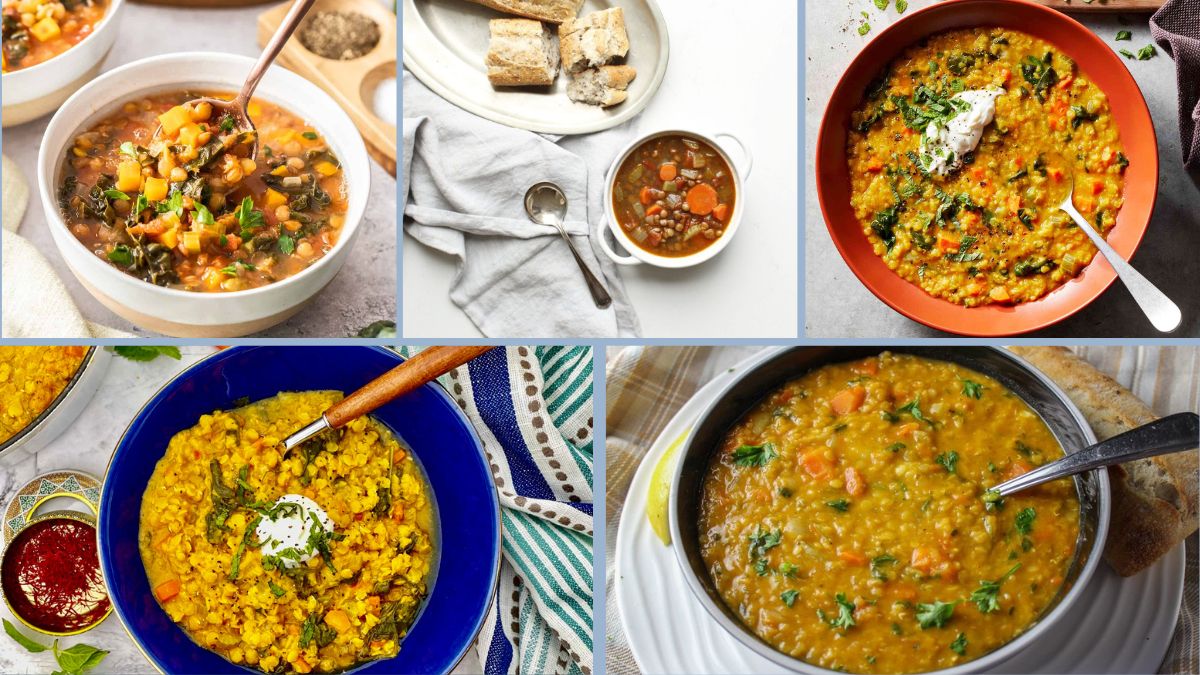
Few dishes capture the essence of home-cooked comfort like a steaming bowl of lentil stew. For generations, this dish has been a symbol of nourishment, economy, and love. Grandmothers around the world have perfected the art of transforming humble lentils and simple vegetables into a flavorful, satisfying stew that warms both the stomach and the soul.
Modern cooks often look to replicate that sense of tradition while making the dish healthier and plant-based. The good news is that a hearty, creamy, and flavorful lentil stew can be created entirely without non-vegetarian ingredients. By paying attention to ingredient selection, seasoning, and cooking methods, you can capture the nostalgic richness of Grandma’s kitchen.
In this article, we’ll uncover seven practical tips to help you make a lentil stew that is nutritious, flavorful, and deeply satisfying.
Tip 1: Choose the Right Lentils for the Job
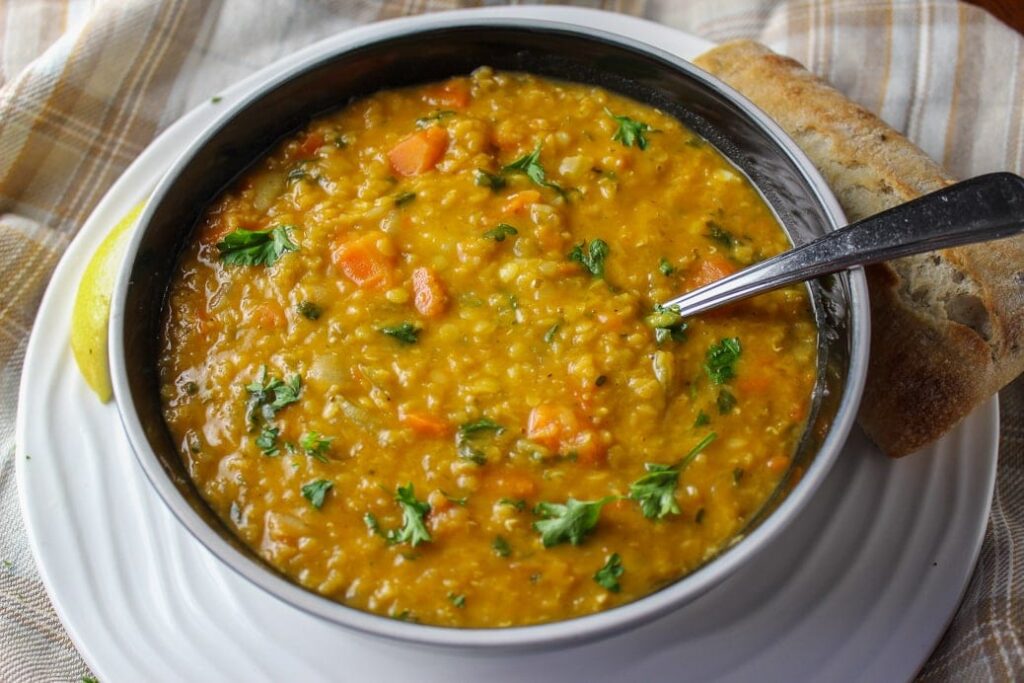
Not all lentils behave the same way in a stew. Understanding their characteristics ensures the perfect texture.
- Brown or Green Lentils: Hold their shape well, ideal for a chunky stew.
- Red or Yellow Lentils: Cook faster and break down easily, giving the stew a creamy texture.
- French Lentils (Puy): Nutty flavor and firm bite, excellent for rustic styles.
Pro Hack: Use a combination—brown lentils for body and red lentils for creaminess. This mimics the layered textures found in traditional recipes.
Food Science Insight: Lentils are rich in protein and soluble fiber. As they simmer, soluble fiber dissolves, naturally thickening the stew without added flour or cream.
Tip 2: Build a Strong Flavor Base with Aromatics
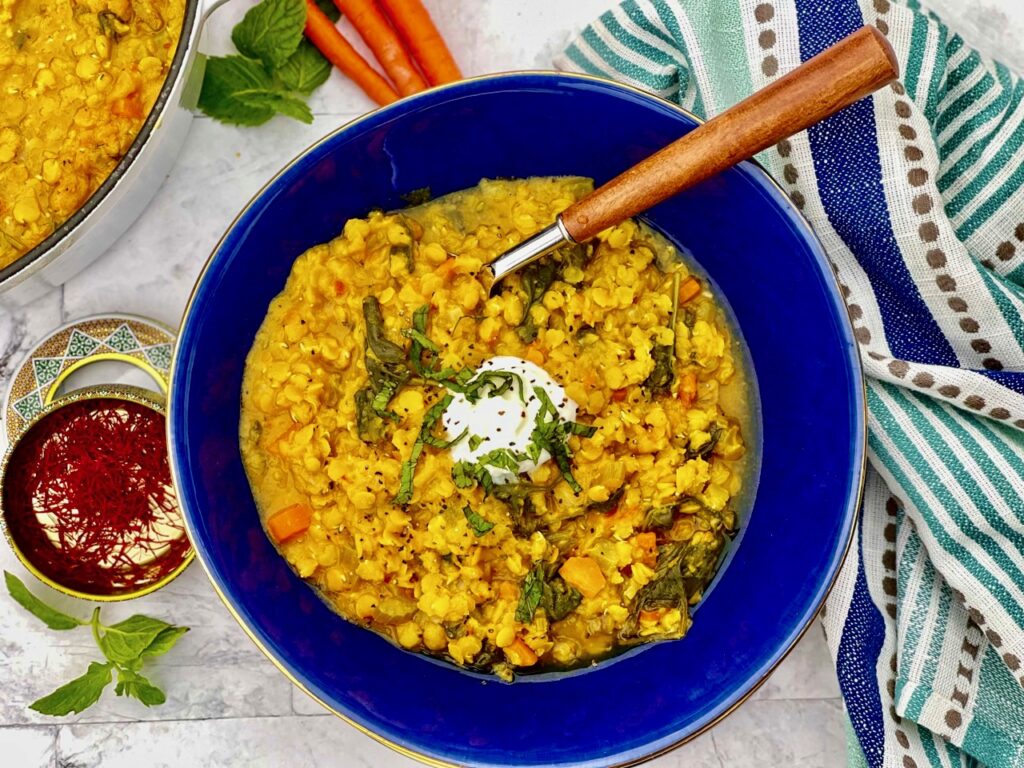
Grandma’s secret often lay in starting simple but smart. Aromatics set the stage for depth.
- Onions: Provide sweetness and umami when sautéed.
- Garlic: Enhances savory notes and warmth.
- Celery and Carrots: The classic mirepoix, balancing sweetness and earthiness.
- Olive or Coconut Oil: Plant-based fats that add richness and help carry flavors.
Technique: Cook onions slowly until golden, then add garlic and carrots. This caramelization step is what creates that “slow-cooked” flavor.
Science Note: Sautéing triggers the Maillard reaction, producing complex flavor compounds that give the stew depth and a savory backbone.
Tip 3: Season Generously and in Layers
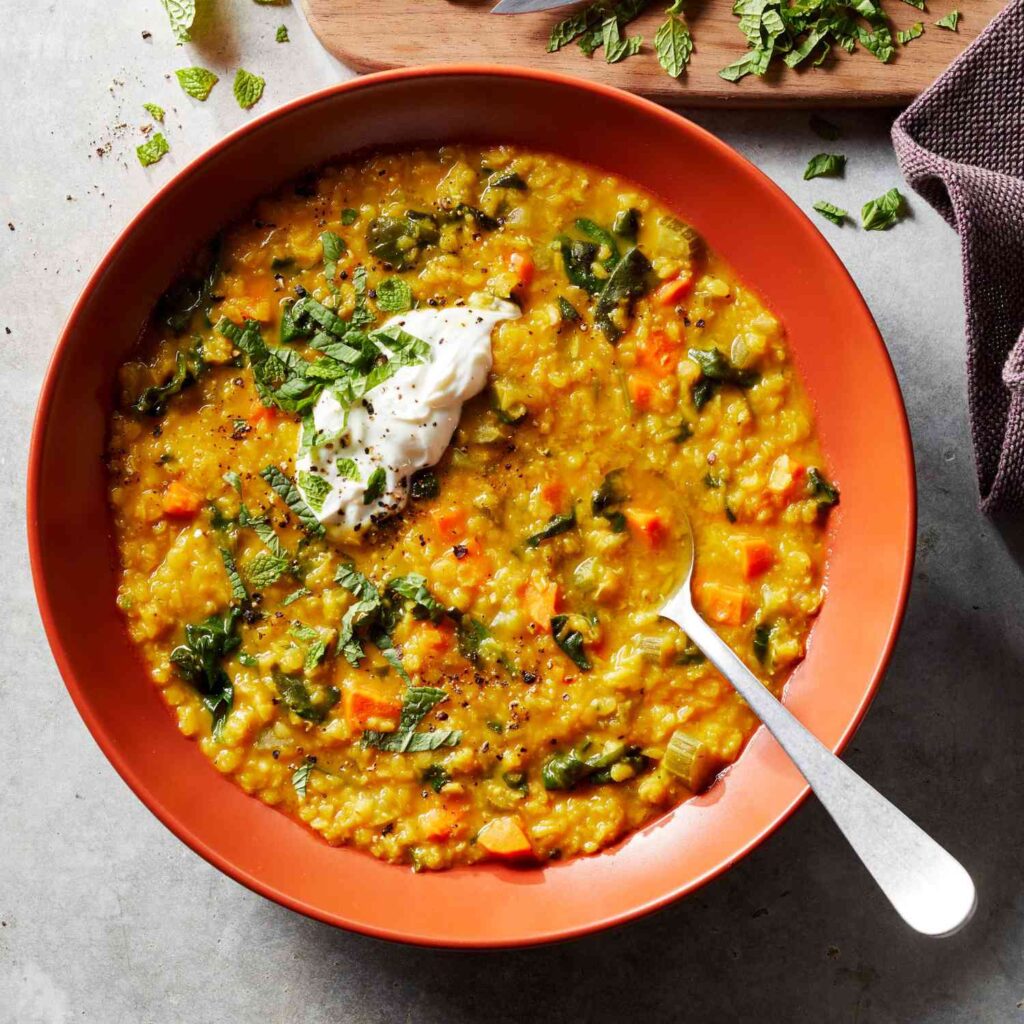
Stews are meant to be bold. Proper seasoning prevents lentils from tasting bland.
- Salt: Add gradually during cooking; early seasoning helps flavors penetrate the lentils.
- Herbs: Thyme, rosemary, and bay leaves add rustic aroma.
- Spices: Smoked paprika, cumin, or turmeric lend warmth and complexity.
- Acidity: A splash of tomato paste or diced tomatoes balances lentil earthiness with brightness.
Pro Hack: Add fresh herbs (like parsley or cilantro) at the end for a pop of freshness, while dried herbs and spices should go in early to infuse the broth.
Tip 4: Choose the Right Cooking Liquid
Liquid determines the depth of flavor in your stew.
- Vegetable Broth: Provides a savory base. Opt for homemade if possible—it tastes fresher and lets you control salt.
- Tomato Base: Tomato paste or purée deepens richness.
- Plant-Based Cream Options: Coconut milk or cashew cream can add silkiness for a “grandma-style” comforting texture.
Science Insight: Lentils absorb the flavors of the cooking liquid. Using broth instead of water ensures every spoonful is infused with depth.
Tip 5: Cook Low and Slow for Depth
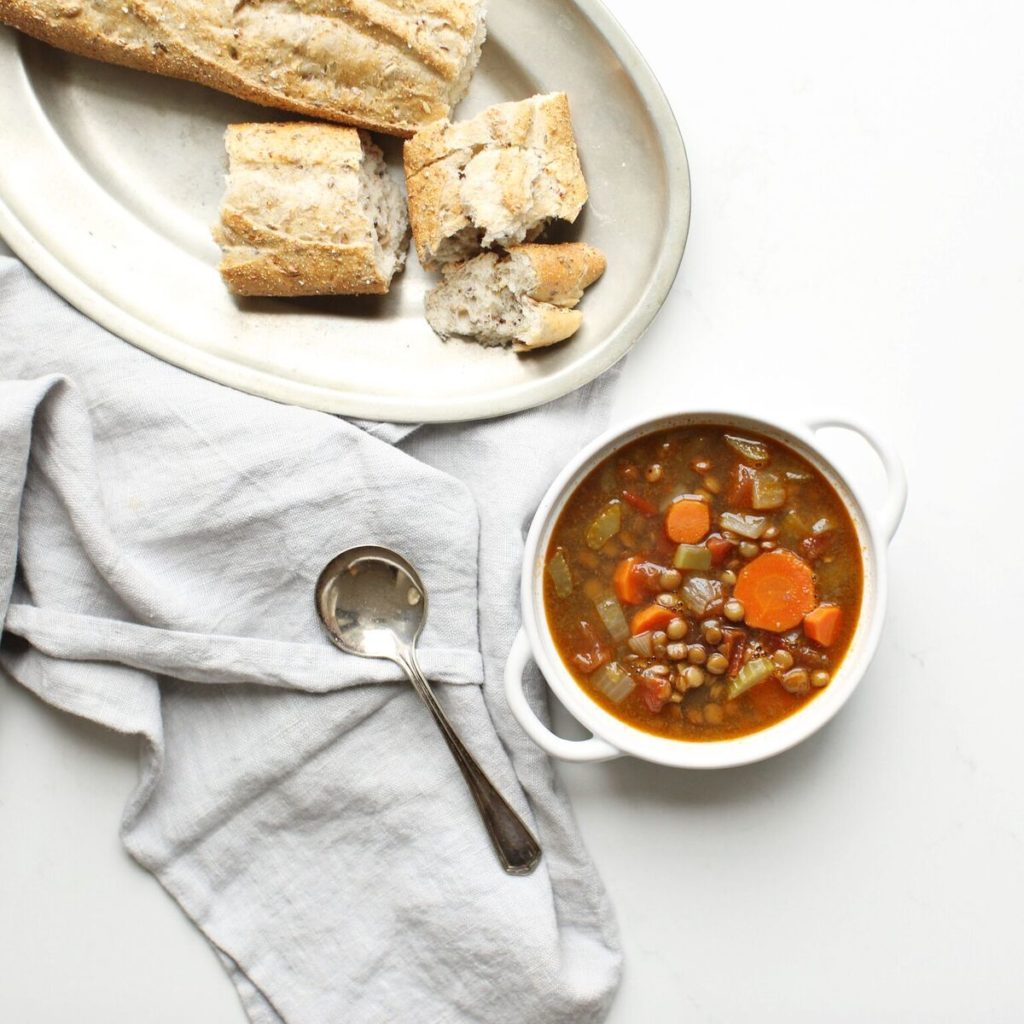
Grandma’s stews often simmered for hours—not out of necessity, but tradition. Modern cooks can capture that flavor through careful timing.
- Simmer, Don’t Boil: A gentle simmer prevents lentils from splitting apart.
- Timing: Brown or green lentils need 30–40 minutes, while red lentils take only 20. Adjust cooking so everything finishes together.
- Layering Vegetables: Add quick-cooking veggies (like zucchini or spinach) near the end to preserve freshness.
Food Science Note: Slow simmering allows starches in lentils to break down gradually, thickening the stew naturally and creating a silky mouthfeel.
Tip 6: Add Vegetables for Variety and Nutrition
Part of Grandma’s magic was making the stew hearty and colorful with seasonal vegetables.
- Classic Additions: Potatoes, carrots, parsnips, or turnips for bulk.
- Leafy Greens: Spinach, kale, or chard add freshness and vitamins.
- Modern Twists: Sweet potatoes or butternut squash for sweetness; mushrooms for umami depth.
Pro Hack: Roast firm vegetables before adding them to the pot. This enhances sweetness and creates flavor contrast.
Nutritional Note: Combining lentils with a rainbow of vegetables boosts fiber, vitamins, and minerals, making the stew both filling and healthful.
Tip 7: Finish with a Touch of Brightness and Texture
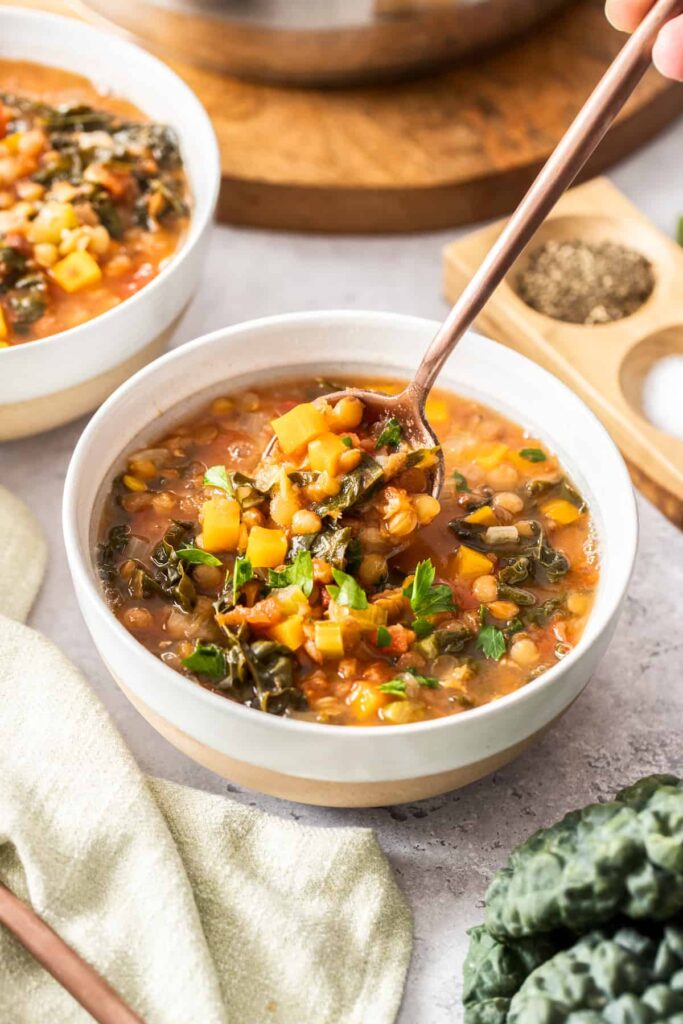
The final flourish distinguishes a good stew from a great one.
- Acidity: A squeeze of lemon or splash of apple cider vinegar just before serving balances richness.
- Fresh Herbs: Sprinkle parsley, cilantro, or dill for brightness.
- Texture Contrast: Top with toasted seeds, nuts, or crispy croutons for crunch.
- Serving Style: Pair with rustic bread or whole-grain flatbreads to complete the meal.
Pro Hack: Drizzle with olive oil before serving for added aroma and a glossy finish—Grandma’s silent trick to elevating the stew.
Conclusion
A hearty lentil stew carries more than nutrition—it carries memory, comfort, and connection to tradition. By following these seven tips—choosing the right lentils, building a strong flavor base, seasoning in layers, selecting the right liquid, simmering slowly, adding vegetables thoughtfully, and finishing with brightness—you can replicate the soulfulness of Grandma’s kitchen.
This plant-based version proves that hearty comfort doesn’t require meat or dairy. Instead, the natural richness of lentils, vegetables, herbs, and plant-based fats creates a dish that is wholesome, filling, and deeply satisfying.
The beauty of lentil stew lies in its adaptability: you can experiment with different lentils, seasonal produce, or spices while still honoring the spirit of tradition. Much like Grandma’s cooking, each pot tells a story—of nourishment, resourcefulness, and the timeless joy of gathering around a warm bowl of stew.