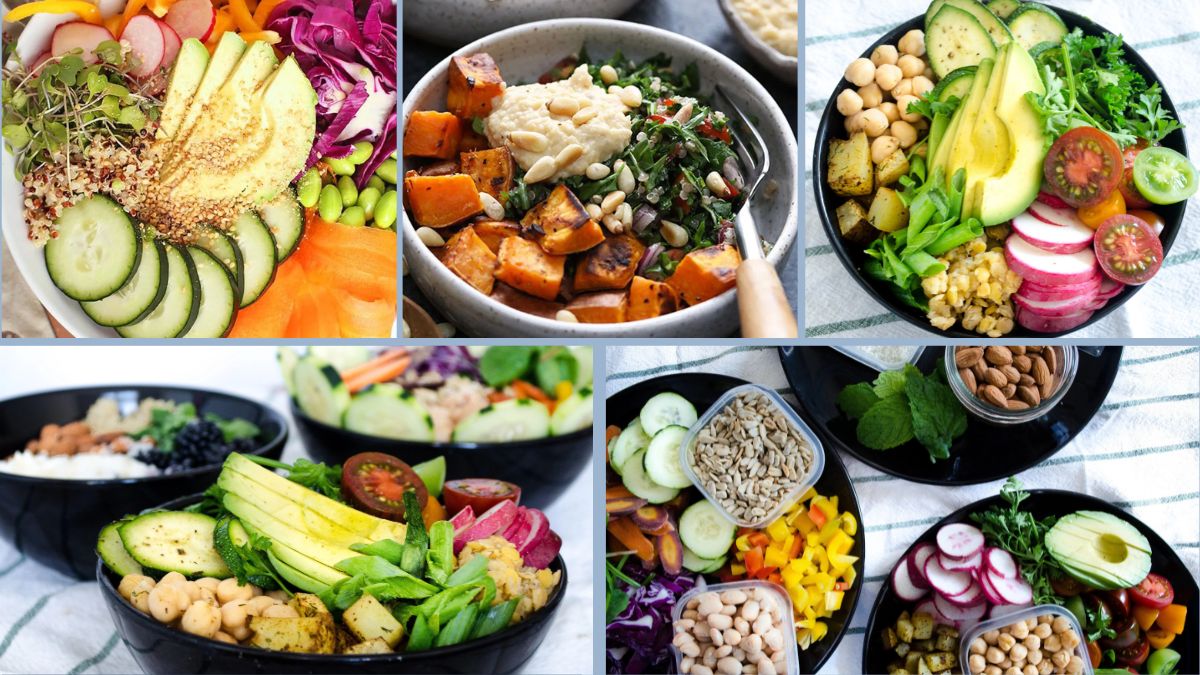
Buddha bowls, also known as grain bowls or nourish bowls, are more than just a food trend—they are a reflection of balance, nutrition, and creativity on a plate. Characterized by vibrant vegetables, wholesome grains, plant-based proteins, and flavorful dressings, these bowls not only nourish the body but also delight the eye. Thanks to their variety of colors, textures, and flavors, Buddha bowls have become one of the most popular dishes to showcase on social media platforms like Instagram.
But building an Instagram-worthy Buddha bowl takes more than tossing a few ingredients into a dish. The right combination of flavors, thoughtful presentation, and mindful layering transforms a simple meal into something visually stunning and nutritionally balanced. Here are five tricks to help you create a Buddha bowl that looks as good as it tastes.
Trick 1: Start with a Balanced Base
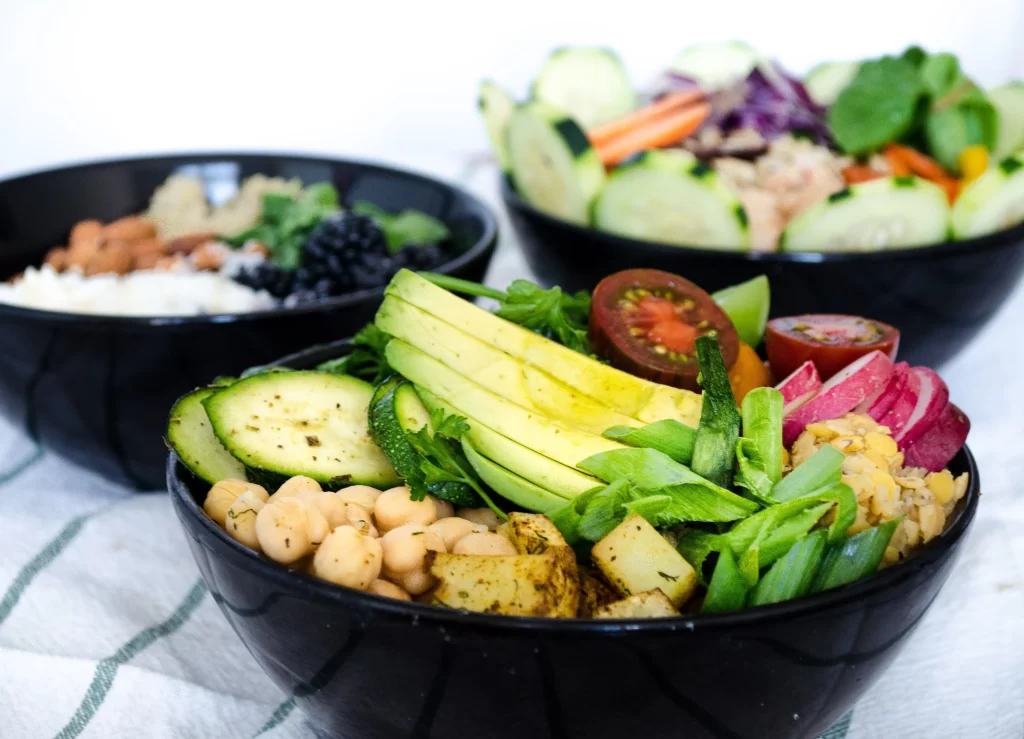
Every great Buddha bowl begins with a solid foundation. The base sets the stage for colors, textures, and flavors to shine.
- Grain Options: Quinoa, brown rice, couscous, or farro provide complex carbohydrates and fiber.
- Leafy Greens: Spinach, kale, arugula, or mixed lettuce add freshness and crunch.
- Combination Approach: Mix grains and greens for both substance and visual variety.
Pro Tip: Cook grains in vegetable broth instead of plain water for a richer flavor profile.
Science Insight: Whole grains release slow-digesting carbohydrates, which help maintain steady energy levels and complement the quick absorption of leafy greens.
Presentation Tip: Spread your base evenly across the bowl or arrange in a crescent shape to create room for toppings and colors to stand out.
Trick 2: Add Vibrant Vegetables for a Rainbow Effect
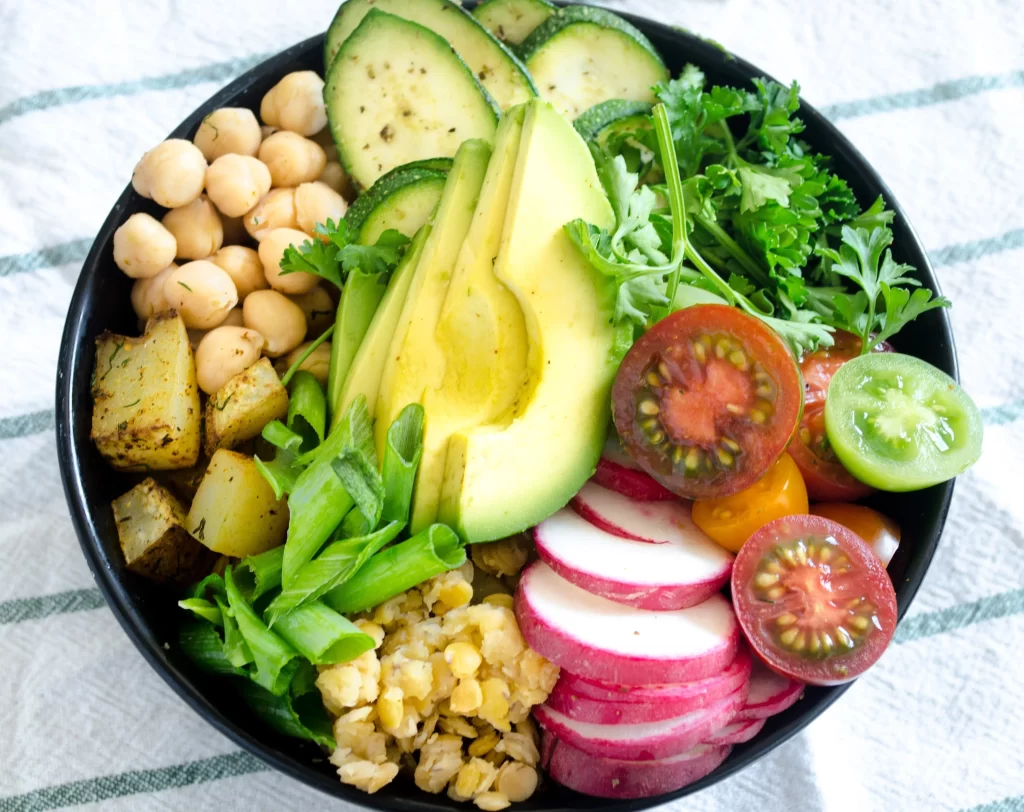
Color is key to an Instagram-worthy Buddha bowl. A rainbow of vegetables ensures not only visual appeal but also a diverse range of nutrients.
- Red & Orange: Cherry tomatoes, roasted red peppers, carrots, or sweet potatoes.
- Green: Cucumbers, steamed broccoli, edamame, or avocado slices.
- Purple: Red cabbage, beets, or purple cauliflower.
- White & Yellow: Corn, cauliflower, radishes, or zucchini.
Pro Tip: Use a mix of raw, roasted, and steamed vegetables for variety in texture and depth of flavor.
Food Science Insight: Different pigments in vegetables (carotenoids, anthocyanins, chlorophyll) provide antioxidants, supporting immune health and vitality.
Styling Hack: Slice vegetables neatly and arrange them in sections rather than mixing everything together. This creates striking patterns and makes your bowl photograph-ready.
Trick 3: Incorporate Plant-Based Proteins
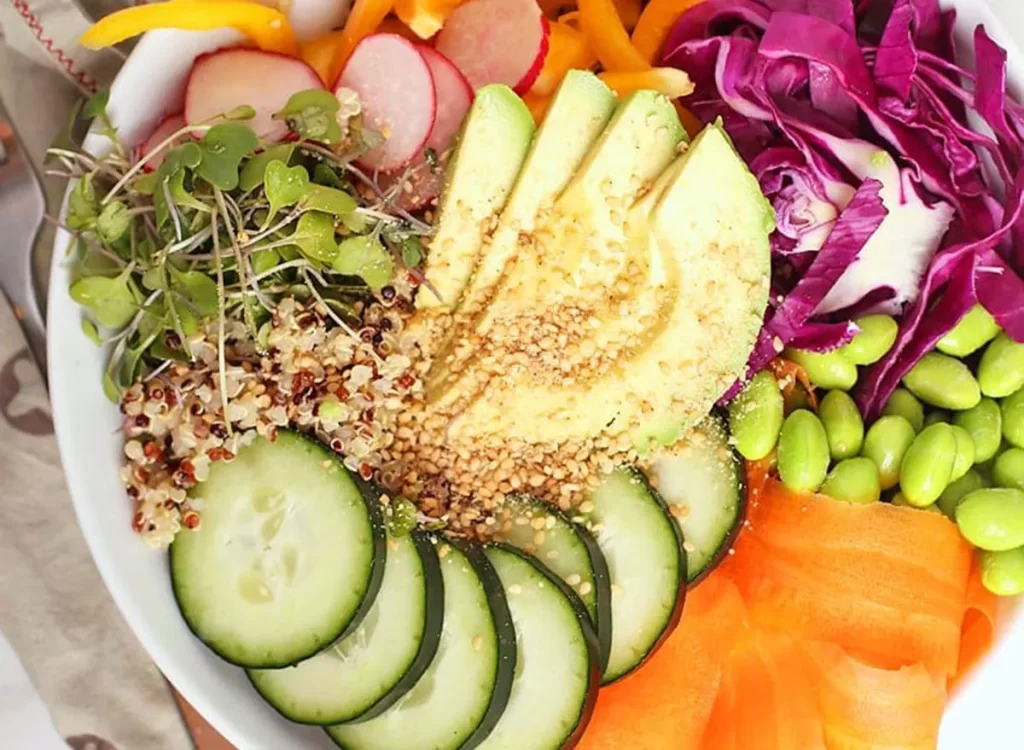
Protein provides satiety and substance, ensuring your Buddha bowl is not just pretty but also nourishing.
- Legumes: Chickpeas, lentils, and black beans are classics.
- Soy-Based Options: Tofu and tempeh, marinated and baked or grilled, add texture and depth.
- Nuts and Seeds: Almonds, pumpkin seeds, or hemp hearts bring crunch and additional protein.
Pro Tip: Roast chickpeas with spices like smoked paprika, cumin, or garlic powder for a crunchy, flavor-packed topping.
Nutrition Insight: Combining legumes with grains provides a complete amino acid profile, essential for plant-based diets.
Presentation Tip: Place proteins in clusters or lines rather than scattering them randomly, giving your bowl an intentional, styled look.
Trick 4: Elevate with Dressings and Flavor Layers
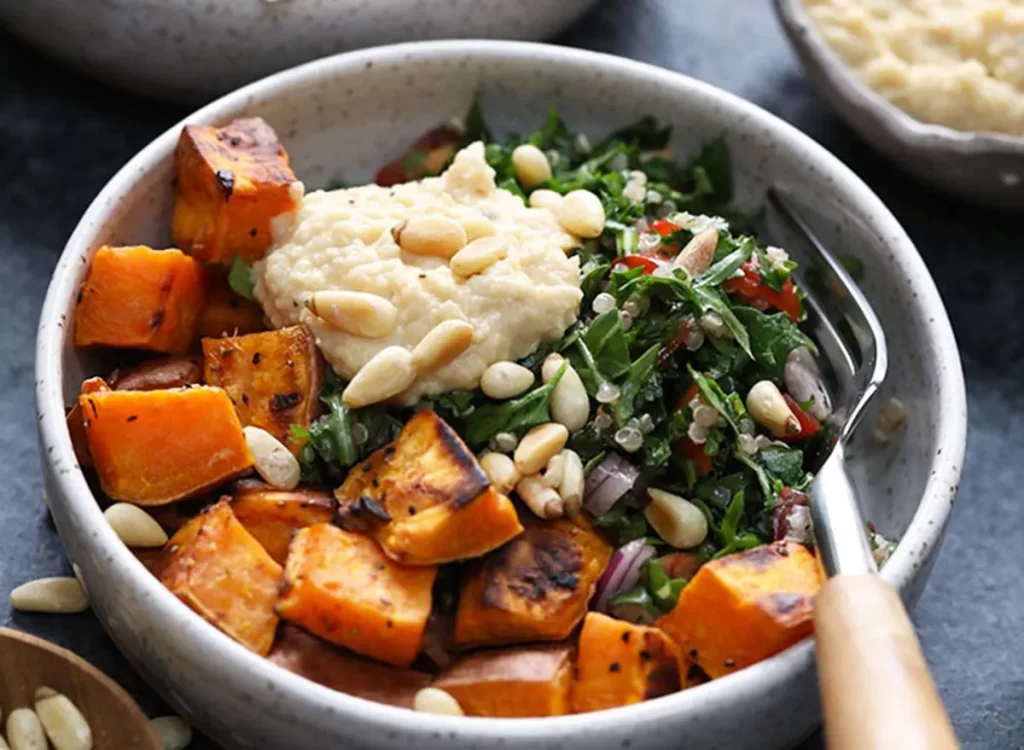
A Buddha bowl is only complete with a flavorful dressing to tie it all together. Dressings add creaminess, tang, or zest, elevating every bite.
- Creamy Dressings: Tahini-lemon, cashew cream, or avocado-based sauces.
- Zesty Options: Citrus vinaigrette, balsamic reduction, or miso-ginger dressing.
- Spicy Drizzles: Sriracha-tahini, chili-lime, or harissa blends for heat.
Pro Tip: Keep dressing slightly thick for a glossy drizzle effect. Apply in zigzags or gentle swirls for Instagram-ready presentation.
Science Note: Fats in dressings help absorb fat-soluble vitamins (A, D, E, and K) from vegetables, increasing nutritional benefit.
Styling Hack: Don’t drown the bowl—use dressing strategically. A drizzle across contrasting colors (like tahini on purple cabbage) creates bold visual contrast.
Trick 5: Garnish for the Final Flourish
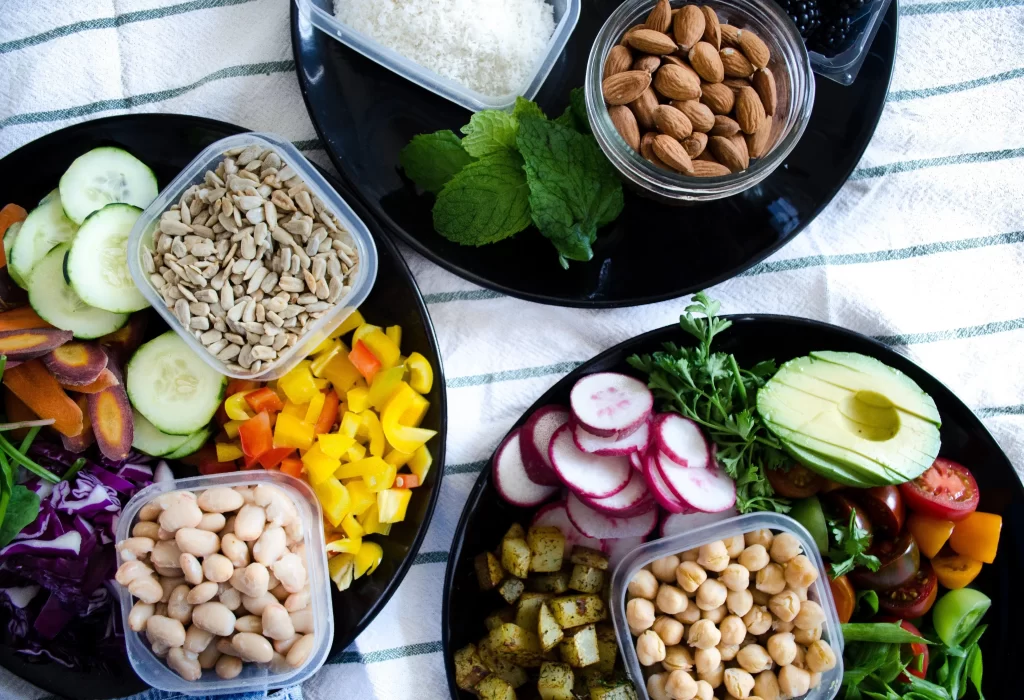
Garnishing is the difference between a good bowl and a showstopper. The right finishing touches add dimension, crunch, and artistry.
- Herbs: Cilantro, basil, parsley, or mint for freshness.
- Seeds and Sprinkles: Sesame seeds, chia seeds, or flax for texture.
- Microgreens or Edible Flowers: Elevate the dish with a professional, restaurant-style look.
- Crunch Factor: Crushed nuts or oven-toasted pita chips add satisfying texture.
Pro Tip: Use contrasting garnishes to highlight key colors—white sesame seeds on dark greens or black sesame seeds on bright orange carrots.
Styling Hack: Place garnishes asymmetrically. A cluster of herbs in one corner of the bowl looks more intentional than scattering them everywhere.
Bonus Tips for Instagram-Worthy Presentation
- Play with Shapes: Spiralize zucchini, ribbon-slice carrots, or cube sweet potatoes for variety.
- Use Layering: Stack ingredients in layers rather than mixing everything together for a clean, polished look.
- Choose the Right Bowl: Wide, shallow bowls showcase ingredients better than deep ones.
- Lighting Matters: Natural light enhances food colors and textures in photos.
- Mind Portion Sizes: Keep each ingredient in visible, distinct sections rather than blending them into one mass.
Conclusion
A Buddha bowl is more than a meal—it’s a canvas for creativity, nutrition, and artistry. By applying these five tricks—building a balanced base, adding a rainbow of vegetables, incorporating plant-based proteins, elevating with flavorful dressings, and finishing with garnishes—you can assemble bowls that are both nourishing and visually stunning.
Plant-based ingredients provide a vibrant spectrum of colors, flavors, and nutrients, while careful styling transforms an ordinary meal into a work of culinary art. Whether shared on Instagram or enjoyed privately at your table, these bowls celebrate the beauty of whole foods and mindful eating.
By blending thoughtful nutrition with presentation techniques, your Buddha bowls will not only fuel the body but also inspire the senses. Every spoonful becomes a reminder that food can be as beautiful as it is delicious.