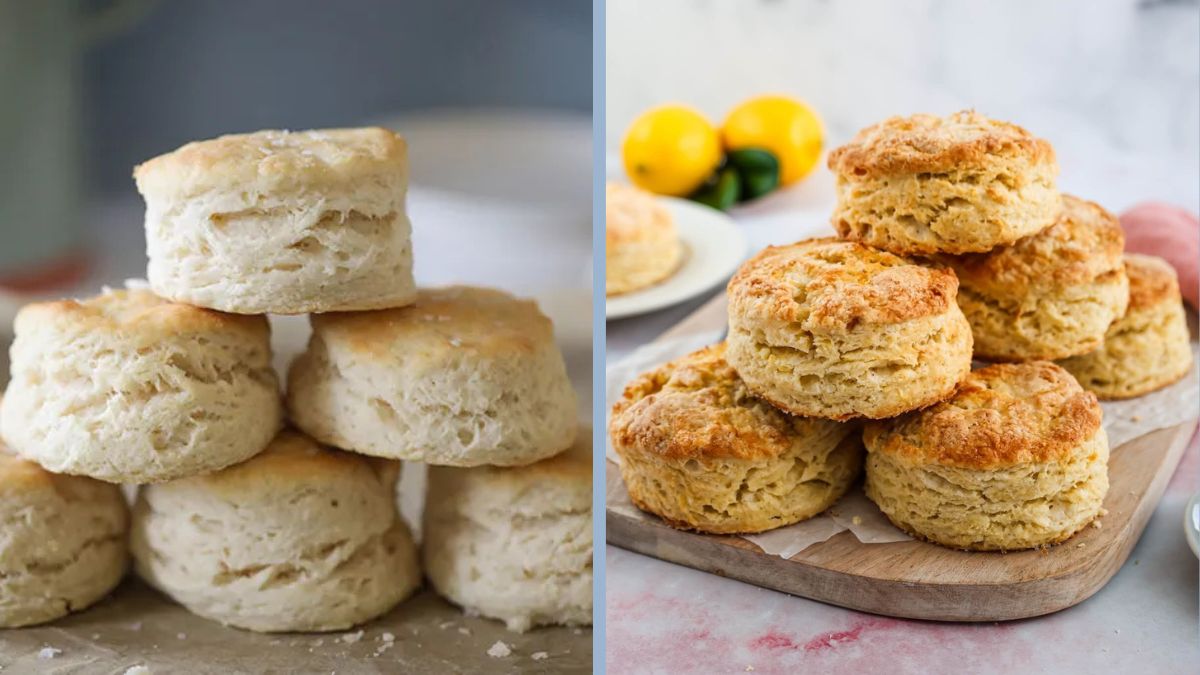
Biscuits are a beloved staple in many cuisines, known for their soft, tender interiors and golden, slightly crisp exteriors. While often associated with breakfast tables or savory accompaniments, homemade biscuits can serve as versatile components in both sweet and savory meals. Achieving fluffy, light biscuits is both an art and a science, relying on proper techniques, high-quality ingredients, and precise handling.
This article explores the principles behind biscuit-making, examines ingredient functions, details step-by-step preparation, and provides tips for creating the perfect fluffy biscuit. By the end, it will be clear how simple, vegetarian ingredients can produce bakery-quality results at home.
Understanding Fluffy Biscuits

Fluffy biscuits are defined by their soft, airy crumb, layered texture, and golden-brown exterior. Achieving this texture requires a delicate balance between fat, flour, liquid, and leavening agents. Key factors include:
- Leavening: Baking powder or baking soda reacts with liquid to produce carbon dioxide, causing the dough to rise.
- Fat: Butter, margarine, or plant-based alternatives coat flour proteins, reducing gluten formation and creating a tender texture.
- Flour: All-purpose flour is common, but a blend with cake flour can produce a lighter crumb.
- Liquid: Milk, plant-based milk, or buttermilk hydrates dry ingredients, aiding gluten formation and activating leavening agents.
- Handling: Minimal mixing preserves air pockets in the dough, preventing dense biscuits.
Essential Ingredients
To make fluffy homemade biscuits, choose high-quality ingredients:
- Flour: All-purpose flour provides structure, while cake flour can lighten the crumb.
- Fat: Butter, coconut oil, or vegan margarine adds richness and flakiness. Cold fat is essential to create layered biscuits.
- Leavening Agents: Baking powder or a combination of baking powder and baking soda ensures rise.
- Liquid: Milk or plant-based alternatives such as almond, oat, or soy milk hydrate the dough. Buttermilk adds acidity, reacting with leavening agents to improve tenderness.
- Salt: Enhances flavor without overpowering.
- Optional Sweeteners: Sugar or maple syrup can add subtle sweetness for breakfast biscuits or dessert variations.
Step-by-Step Guide to Fluffy Biscuits
1. Prepare Dry Ingredients
In a large mixing bowl, combine flour, baking powder, and salt. If using sugar, add it here. Whisk the dry ingredients to ensure even distribution of leavening agents.
2. Cut in the Fat
Add cold butter or plant-based alternative in small cubes. Use a pastry cutter, fork, or fingertips to incorporate the fat into the flour until the mixture resembles coarse crumbs. Small lumps of fat are desirable—they melt during baking, creating flaky layers.
3. Add Liquid Gradually
Pour in milk or plant-based milk slowly, mixing gently with a spatula or spoon until the dough just comes together. Avoid overmixing, as this can activate gluten excessively and result in tough biscuits.
4. Knead Lightly
Turn the dough onto a lightly floured surface. Fold it over on itself 2–3 times to create layers, then pat it to an even thickness of about 1 inch. Minimal kneading preserves air pockets and ensures lightness.
5. Cut the Biscuits
Use a floured biscuit cutter or a sharp knife to cut the dough. Press straight down without twisting to maintain layers and prevent sealing edges.
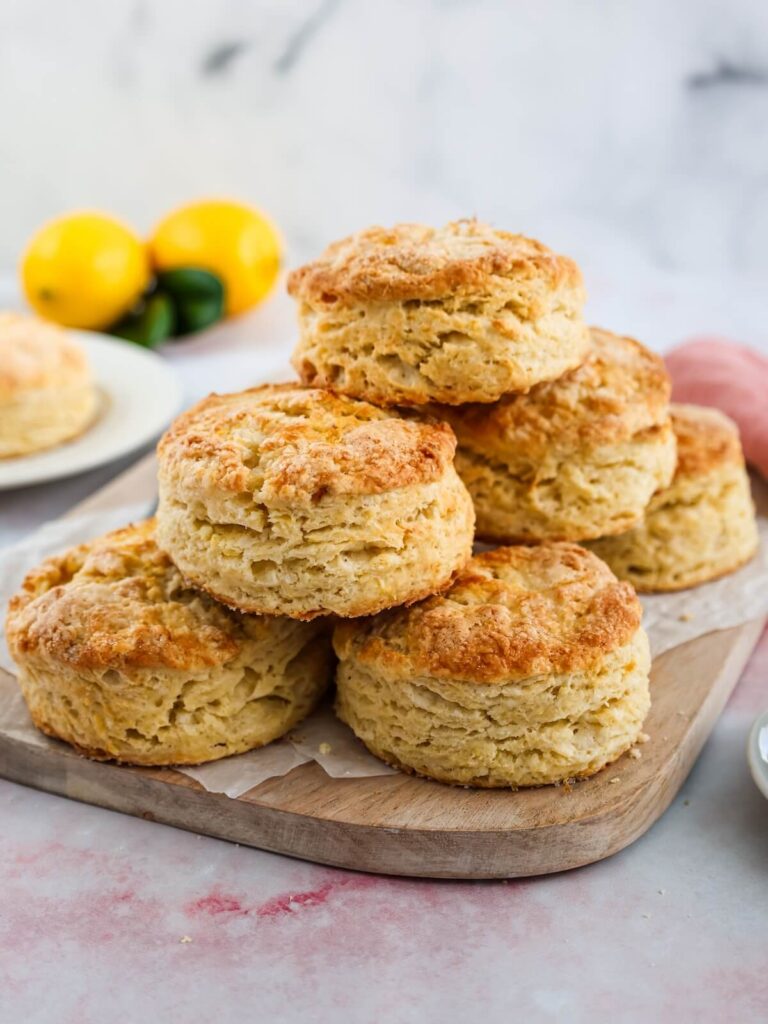
6. Bake to Golden Perfection
Place biscuits on a parchment-lined baking sheet, leaving a small gap between each. Bake in a preheated oven at 425°F (220°C) for 12–15 minutes, or until golden brown on top. For extra fluffy results, brush the tops with melted butter or plant-based alternative before baking.
7. Serve Warm
Allow biscuits to cool slightly, then serve immediately. They pair beautifully with jams, vegan butter, soups, or stews.
Tips for Perfect Biscuits
- Cold Ingredients: Keep fat and liquid cold until mixing to enhance flakiness.
- Minimal Handling: Overmixing develops gluten, resulting in dense biscuits.
- Leavening Balance: Ensure proper measurement of baking powder or baking soda for optimal rise.
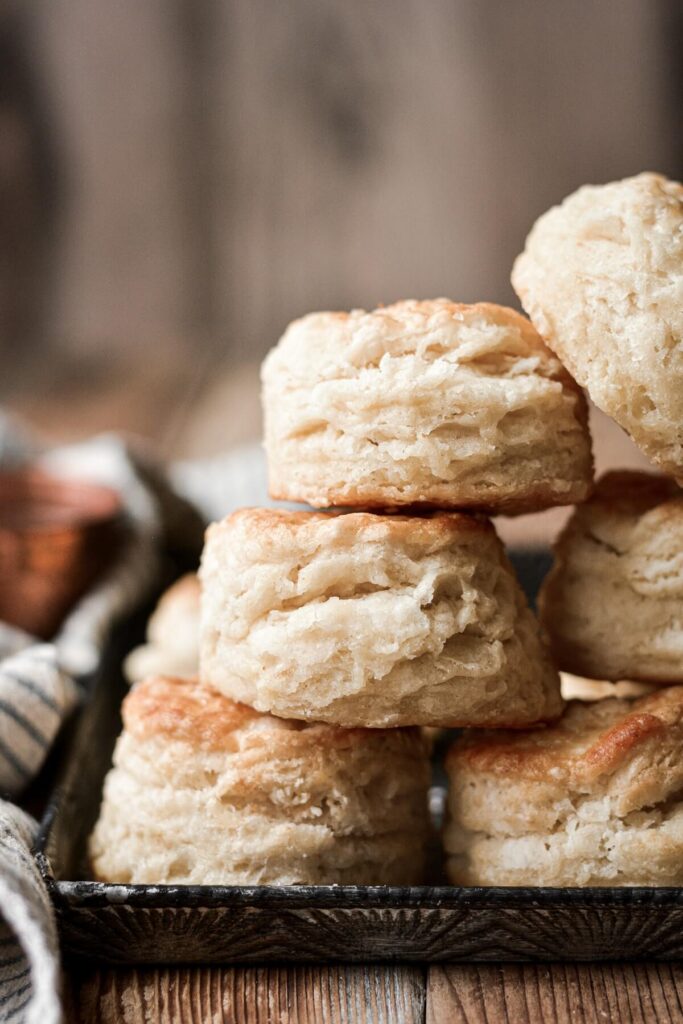
- Layering Technique: Folding the dough creates layers that separate during baking, contributing to height and flakiness.
- Oven Temperature: Preheat the oven fully; high heat is crucial for rapid rise.
Variations of Homemade Biscuits
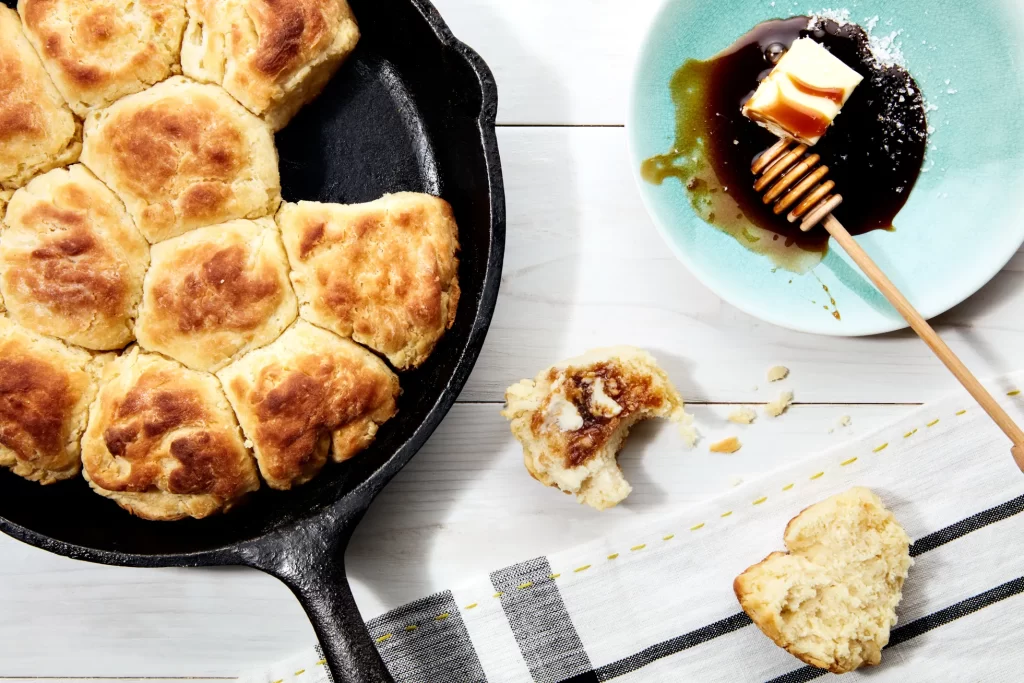
Fluffy biscuits can be adapted to suit different flavors and meals:
- Cheese Biscuits: Incorporate grated cheddar, vegan cheese, or Parmesan for savory biscuits.
- Herb Biscuits: Add fresh or dried herbs such as rosemary, thyme, or chives for aromatic flavor.
- Sweet Biscuits: Add sugar, cinnamon, or vanilla extract for breakfast or dessert biscuits.
- Gluten-Free Biscuits: Use a blend of gluten-free flour and xanthan gum to maintain structure.
- Vegan Biscuits: Replace butter with coconut oil or vegan margarine, and milk with plant-based alternatives.
These variations demonstrate how simple biscuits can be customized for diverse culinary preferences while retaining fluffiness and flavor.
Nutritional and Health Benefits
While biscuits are often considered indulgent, they can be made nutritious by choosing wholesome ingredients:
- Whole-Grain Flour: Increases fiber content and improves digestion.
- Plant-Based Milk: Provides vitamins and minerals without dairy fat.
- Healthy Fats: Using plant-based fats such as coconut oil or olive oil adds essential fatty acids.
- Herbs and Additions: Herbs, seeds, or grated vegetables enhance nutrient density.
By balancing ingredients, homemade biscuits can be a satisfying, nutritious option for breakfast or snacks in a vegetarian diet.
Serving Suggestions

Fluffy homemade biscuits are versatile and can be enjoyed in many ways:
- Breakfast: Serve with jam, nut butter, or fruit compote.
- Savory Side: Pair with soups, stews, or vegetarian gravies.
- Snack: Enjoy plain or with a light spread for a wholesome mid-day snack.
- Mini Sandwiches: Slice in half and fill with roasted vegetables, hummus, or vegan cheese for portable meals.
Proper presentation, such as stacking or serving in a basket with a cloth napkin, can enhance visual appeal and make biscuits feel like a special treat.
Common Mistakes to Avoid
- Overmixing the Dough: Leads to tough, dense biscuits. Mix just until combined.
- Using Warm Ingredients: Fat should be cold to create flakiness.
- Incorrect Leavening Measurement: Too little prevents rise; too much can cause bitterness.
- Cutting Improperly: Twisting the cutter seals edges, inhibiting proper lift.
- Skipping Oven Preheating: Biscuits need high, consistent heat to rise quickly.
Awareness of these common pitfalls ensures consistent results for fluffy, tender biscuits.
Conclusion
Fluffy homemade biscuits showcase how simple, vegetarian ingredients can produce a versatile, flavorful, and visually appealing dish. By understanding the science behind leavening, fat incorporation, and minimal handling, anyone can achieve biscuits with tender interiors and golden, slightly crisp exteriors.
These biscuits can be adapted for various meals—savory, sweet, vegan, or gluten-free—making them an essential skill for home cooks and culinary enthusiasts. Beyond their taste, they provide an opportunity to experiment with ingredient combinations, textures, and presentation techniques, reflecting the creativity and precision inherent in baking.
With proper technique, attention to ingredient quality, and a few key tips, fluffy homemade biscuits can rival bakery versions while remaining accessible, nutritious, and entirely vegetarian. They exemplify the beauty of simple ingredients transformed through skillful preparation into a comforting and elegant dish suitable for any table.