
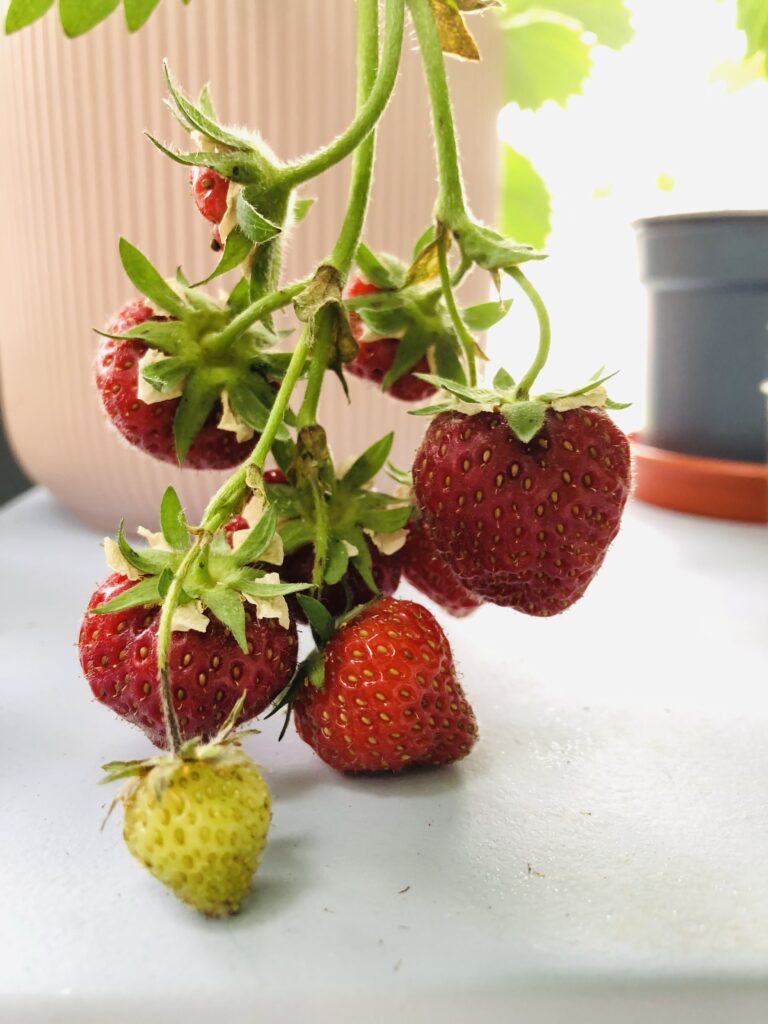
Strawberries are among the most beloved fruits in the world. Their sweetness, vibrant red color, and versatility in desserts, smoothies, and healthy snacks make them a staple in many kitchens. While traditionally grown outdoors, strawberries can also thrive indoors with the right conditions. Indoor gardening offers a unique opportunity to enjoy fresh, chemical-free fruit throughout the year, regardless of the season.
This detailed guide explores everything you need to know about growing strawberries indoors: from choosing the right varieties, preparing soil and containers, to providing light, water, and care for continuous harvests.
1. Why Grow Strawberries Indoors?

Growing strawberries indoors provides several advantages over outdoor cultivation:
- Year-round harvest: You can grow strawberries even during cold winters or rainy seasons.
- Pest and disease control: Indoor environments reduce exposure to soil-borne diseases and common garden pests.
- Space efficiency: Strawberries adapt well to containers, vertical gardens, and hanging baskets.
- Convenience: Fresh berries are just steps away from your kitchen.
- Aesthetic value: Strawberry plants add greenery and beauty to indoor spaces with their delicate flowers and bright fruits.
2. Selecting the Right Strawberry Varieties

Not all strawberry varieties perform equally indoors. Choosing the right type is crucial for success:
- Day-neutral varieties: These produce fruit continuously throughout the year, unaffected by day length. Best choices for indoor gardens. Examples: Seascape, Tristar, Albion.
- Ever-bearing varieties: Produce two to three harvests per year. Examples: Ozark Beauty, Everest.
- June-bearing varieties: Provide a large harvest in early summer but are less suited for year-round indoor growing.
For indoor gardening, day-neutral varieties are the most recommended because they adapt well to controlled environments.
3. Choosing Containers and Setups
Strawberries have shallow root systems, so they don’t require very deep containers, but proper planning helps maximize yields.
- Container size: At least 8–10 inches deep and wide enough to allow root spread.
- Types of containers:
- Standard pots (clay, plastic, ceramic)
- Hanging baskets (perfect for trailing growth)
- Vertical planters or towers (space-saving, decorative)
- Hydroponic systems (efficient and high-yield)
- Drainage: Ensure containers have good drainage holes to prevent root rot.
Pro tip: Place a saucer under pots to collect excess water without letting roots sit in it.
4. Preparing the Ideal Soil Mix
Strawberries thrive in light, well-draining, nutrient-rich soil. A good indoor potting mix includes:
- 50% high-quality potting soil
- 30% organic compost for nutrients
- 20% perlite or vermiculite for aeration and drainage
Additional tips:
- Maintain soil pH between 5.5 and 6.5 for optimal growth.
- Add slow-release organic fertilizer or worm castings at planting.
5. Planting Strawberries Indoors
Follow these steps for successful planting:
- Select healthy seedlings or bare-root plants. Avoid weak or diseased stock.
- Prepare the container. Fill it with the prepared soil mix, leaving 1–2 inches at the top.
- Plant carefully. Place the crown (where leaves meet roots) at soil level; burying it too deep may cause rot.
- Spacing. Keep 6–8 inches between plants if planting multiple in one container.
- Water gently. Moisten the soil thoroughly but avoid waterlogging.
6. Light Requirements
Strawberries are sun-loving plants and need plenty of light to produce sweet, juicy fruits.
- Natural light: Place containers near a south-facing window where plants receive at least 6–8 hours of sunlight daily.
- Grow lights: If natural light is insufficient, supplement with full-spectrum LED grow lights for 12–14 hours a day.
- Distance: Keep grow lights 8–12 inches above plants, adjusting as they grow.
7. Watering and Humidity
Consistent watering is key to healthy strawberry plants:
- Watering schedule: Water when the top inch of soil feels dry. Avoid letting the soil completely dry out or stay soggy.
- Method: Water at the base of the plant to keep leaves dry and reduce fungal problems.
- Humidity: Maintain moderate indoor humidity (40–50%). Too much humidity encourages mold, while too little dries out plants.
Pro tip: Mulching the soil surface with straw, pine needles, or coco husk helps retain moisture and keeps fruits clean.
8. Feeding and Fertilization
Strawberries are relatively heavy feeders. Regular fertilization ensures continuous flowering and fruiting:
- Base feeding: Add organic compost or slow-release fertilizer when planting.
- Liquid feeding: Every 2–3 weeks, apply diluted organic fertilizer like seaweed extract, compost tea, or fish emulsion.
- Potassium boost: When plants begin flowering, increase potassium-rich fertilizers to enhance fruiting.
Avoid over-fertilizing with nitrogen, as it encourages leafy growth at the expense of fruit.
9. Pollination Indoors
Pollination is essential for fruit set. Indoors, natural pollinators like bees are absent, so manual pollination helps:
- Method 1: Use a small, soft paintbrush or cotton swab to gently transfer pollen between flowers.
- Method 2: Place a fan nearby to mimic wind and help pollen spread.
This simple step ensures better yields indoors.
10. Pest and Disease Management
Though indoor plants face fewer pests, vigilance is necessary:
- Common indoor pests: Aphids, spider mites, and fungus gnats.
- Solutions:
- Neem oil spray
- Insecticidal soap
- Sticky traps for gnats
- Fungal issues: Powdery mildew or root rot can occur if humidity is too high or watering is excessive.
- Prevention: Provide airflow, avoid wet leaves, and sterilize containers before planting.
11. Pruning and Maintenance
- Remove old, yellowing leaves regularly.
- Trim runners (long stems with new plantlets) unless you want to propagate more plants. Runners divert energy away from fruit production.
- Check soil moisture daily, especially in warm indoor environments.
12. Harvesting Indoor Strawberries
Harvesting is the most rewarding part of growing strawberries indoors.
- When to harvest: Berries are ready when they are fully red, shiny, and slightly soft to touch.
- How to harvest: Gently twist or snip the fruit off, leaving a small piece of stem attached.
- Frequency: Check plants daily during peak fruiting seasons for continuous harvest.
13. Storing and Using Your Harvest
- Storage: Fresh strawberries are best eaten immediately but can be kept in the refrigerator for 2–3 days.
- Preservation: Freeze whole berries, make homemade jams, or dry them for long-term storage.
- Uses: Add them to smoothies, oatmeal, desserts, salads, or simply enjoy them fresh.
14. Advanced Methods: Hydroponics for Indoor Strawberries
For those looking to maximize yield and efficiency, hydroponic systems are an excellent option.
- Benefits: Faster growth, higher yields, water efficiency, and fewer soil-borne diseases.
- Systems to try: Nutrient Film Technique (NFT), drip irrigation, or deep water culture.
- Considerations: Requires initial investment and careful monitoring of nutrient solutions and pH.
15. Tips for Year-Round Success
- Rotate containers for even light exposure.
- Use day-neutral varieties for continuous fruiting.
- Prune regularly to encourage fruit rather than excess foliage.
- Replace older plants every 2–3 years for best yields.
- Keep an indoor gardening journal to track watering, fertilization, and harvests.
Conclusion
Growing strawberries indoors is a rewarding practice that combines practicality with pleasure. By selecting the right varieties, providing optimal soil, containers, light, and consistent care, you can enjoy fresh, juicy strawberries throughout the year. Indoor cultivation not only ensures a steady supply of healthy, pesticide-free fruit but also adds beauty and greenery to your living space.
With patience and proper guidance, even beginners can turn their home into a mini strawberry orchard, delighting family and friends with sweet, homegrown berries every season.