
Leafy greens are the backbone of a healthy vegetarian diet. They are packed with essential vitamins, minerals, and antioxidants while being light, fresh, and versatile in everyday cooking. For urban dwellers or anyone with limited outdoor space, growing leafy greens may seem impossible—but the windowsill offers a perfect solution. With minimal space, a few containers, and the right care, you can enjoy a continuous harvest of fresh, chemical-free greens right inside your home.
This guide explores the easiest leafy greens to grow on your windowsill, providing step-by-step advice on planting, caring, and harvesting, so you can enjoy a homegrown supply of nutritious greens year-round.
1. Why Grow Leafy Greens on a Windowsill?
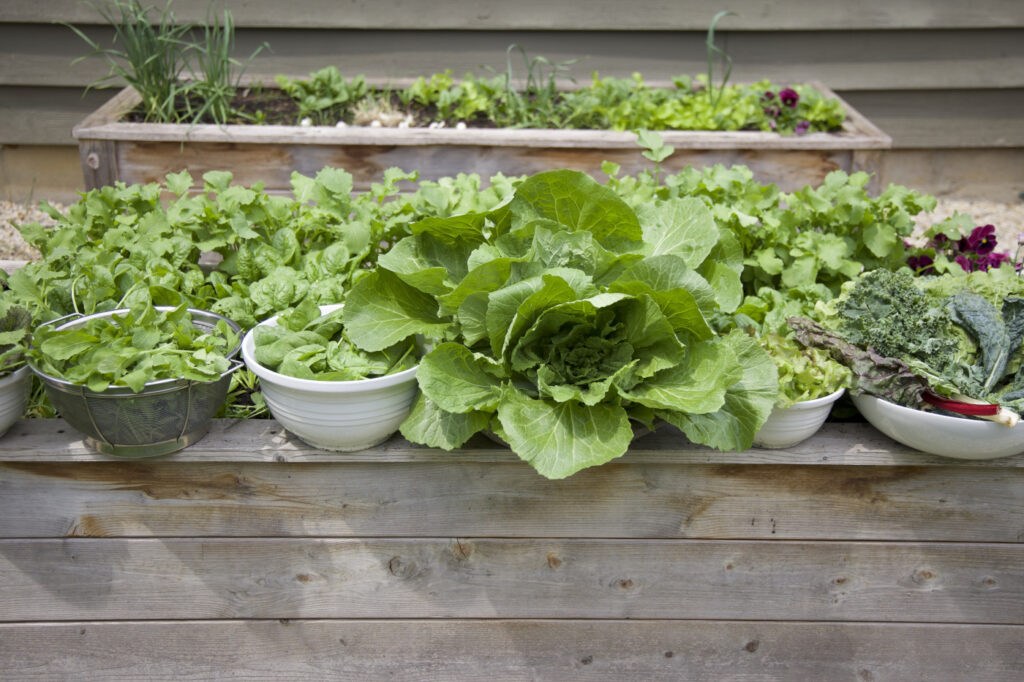
Growing greens indoors has multiple benefits:
- Fresh supply year-round: Harvest greens any time, regardless of outdoor seasons.
- Space-saving: Perfect for apartments or small homes with no garden.
- Cost-effective: Reduces reliance on store-bought produce.
- Control over quality: No pesticides or harmful chemicals.
- Aesthetic value: Lush green plants bring beauty and freshness to indoor spaces.
2. Things to Consider Before Growing

Before choosing which leafy greens to grow, keep these essentials in mind:
- Light: Most leafy greens need 4–6 hours of direct or bright indirect sunlight. A south-facing window is ideal. For less sunny spaces, supplement with LED grow lights.
- Containers: Shallow pots, trays, or even recycled jars and cans work well. Ensure good drainage.
- Soil: Use light, well-draining potting mix enriched with compost.
- Watering: Keep soil evenly moist but not soggy. Indoor greens dry out quickly due to household heating or sunlight.
- Temperature: Most leafy greens thrive in 15–22°C (60–72°F).
3. The Easiest Leafy Greens to Grow Indoors

Here are the top leafy greens you can successfully grow on your windowsill with minimal effort.
1. Lettuce
Lettuce is one of the simplest and most rewarding greens to grow indoors. Loose-leaf varieties grow quickly and allow multiple harvests.
- Varieties: Buttercrunch, Black Seeded Simpson, Oakleaf.
- Growing conditions: Bright sunlight or grow lights for at least 6 hours. Prefers cooler temperatures.
- Planting: Sow seeds in shallow containers, spacing 3–4 inches apart.
- Watering: Water consistently to prevent bitterness.
- Harvesting: Pick outer leaves after 25–30 days, leaving inner leaves to grow (cut-and-come-again method).
Harvest time: 4–6 weeks
Fresh lettuce leaves are perfect for salads, wraps, or sandwiches.
2. Spinach
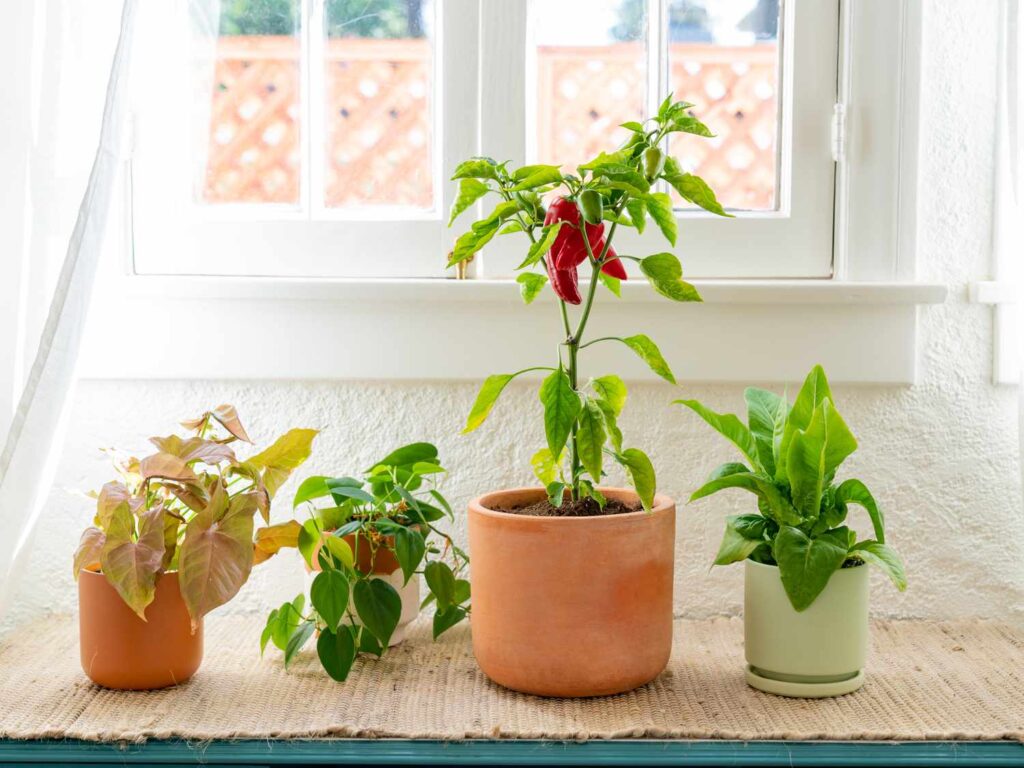
Spinach grows quickly and provides multiple nutritious harvests. It thrives even in partial sunlight.
- Varieties: Bloomsdale Longstanding, Baby’s Leaf, Giant Winter.
- Growing conditions: Prefers cooler temperatures and moist soil.
- Planting: Sow seeds directly into containers ½ inch deep. Space 2 inches apart.
- Watering: Keep soil evenly moist to prevent bolting.
- Harvesting: Baby leaves in 25–30 days; mature leaves in 40–50 days.
Harvest time: 4–7 weeks
Spinach can be eaten raw in smoothies and salads or lightly cooked in curries, stir-fries, and soups.
3. Arugula (Rocket)
Arugula has a distinctive peppery flavor that adds zest to salads and vegetarian dishes. It is one of the fastest-growing greens.
- Varieties: Astro, Roquette, Wild Arugula.
- Growing conditions: Requires 4–6 hours of direct sunlight. Tolerates partial shade.
- Planting: Sow seeds thickly in shallow containers. Thin seedlings for airflow.
- Watering: Regular watering prevents bitterness.
- Harvesting: Baby leaves ready in 20–25 days. Cut leaves close to the base for regrowth.
Harvest time: 3–4 weeks
Great for topping pizzas, tossing into pasta, or mixing into salads.
4. Kale
Kale is a nutrient powerhouse rich in vitamins A, C, and K. Dwarf and baby varieties adapt well to containers indoors.
- Varieties: Dwarf Blue Curled, Red Russian, Baby Kale.
- Growing conditions: Prefers cooler weather, with 4–6 hours of bright light.
- Planting: Sow seeds ½ inch deep in pots, spacing 6–8 inches apart.
- Watering: Keep soil consistently moist.
- Harvesting: Baby kale leaves are ready in 25–30 days, while larger leaves take 50–60 days.
Harvest time: 4–8 weeks
Baby kale is tender and perfect for smoothies, soups, or sautéing.
5. Swiss Chard

Swiss chard is colorful, nutritious, and easy to grow indoors. Its vibrant stems add ornamental beauty to your windowsill garden.
- Varieties: Bright Lights, Fordhook Giant, Ruby Red.
- Growing conditions: Requires at least 5–6 hours of sunlight daily.
- Planting: Sow seeds ½ inch deep in pots 8 inches wide.
- Watering: Keep soil moist but avoid waterlogging.
- Harvesting: Baby leaves in 30 days, larger leaves in 50–60 days. Harvest outer leaves regularly.
Harvest time: 5–8 weeks
Chard can be steamed, sautéed, or used in curries and soups.
6. Mustard Greens
Mustard greens grow rapidly and have a tangy, spicy flavor. They are highly adaptable to indoor containers.
- Varieties: Southern Giant Curled, Red Giant, Mizuna.
- Growing conditions: Thrive in bright light and well-draining soil.
- Planting: Sow seeds directly, ½ inch deep.
- Watering: Keep soil moist, especially in warm indoor environments.
- Harvesting: Baby leaves ready in 25–30 days; full-sized leaves in 45–50 days.
Harvest time: 4–6 weeks
Excellent for stir-fries, soups, or spicy salads.
7. Microgreens
Microgreens are tiny, nutrient-dense seedlings harvested at just 1–3 inches tall. They are the fastest and easiest greens for beginners.
- Varieties: Mustard, kale, radish, broccoli, sunflower.
- Growing conditions: Require minimal sunlight; grow well on windowsills or under lights.
- Planting: Scatter seeds thickly in shallow trays. Cover lightly with soil or leave exposed, depending on type.
- Watering: Mist daily to keep surface moist.
- Harvesting: Ready in just 10–14 days. Snip with scissors when 2–3 inches tall.
Harvest time: 1–2 weeks
Microgreens can be sprinkled over salads, soups, sandwiches, or smoothies for a nutrient boost.
4. General Care Tips for Windowsill Greens
- Rotate containers: Turn pots every few days for even growth.
- Fertilize lightly: Use diluted organic liquid fertilizer every 2–3 weeks.
- Avoid overcrowding: Thin seedlings to ensure proper airflow and prevent disease.
- Pest management: Indoors, aphids or fungus gnats may appear. Control with neem oil spray or sticky traps.
- Succession planting: Sow seeds every 1–2 weeks for a continuous supply.
5. Harvesting Techniques
- Cut-and-come-again method: Harvest outer leaves while leaving inner ones to grow back (ideal for lettuce, spinach, kale, and chard).
- Full harvest: Uproot entire plants when mature (used for microgreens or arugula).
- Regular picking: Harvest frequently to encourage new growth and prevent plants from bolting (flowering too early).
6. Nutritional and Culinary Benefits
Homegrown greens are fresher, tastier, and often more nutritious than store-bought produce.
- Lettuce: Hydrating and light, perfect for weight management.
- Spinach: Rich in iron, calcium, and antioxidants.
- Arugula: High in vitamin K and beneficial for bone health.
- Kale: Dense in vitamins A, C, and K for immune support.
- Swiss Chard: Excellent source of magnesium and fiber.
- Mustard Greens: Rich in antioxidants with a natural detox effect.
- Microgreens: Contain concentrated nutrients, often higher than mature greens.
These greens can be used in salads, soups, curries, wraps, smoothies, and countless vegetarian dishes.
Conclusion
Windowsill gardening is a simple yet effective way to grow nutritious leafy greens at home. With minimal effort, even beginners can enjoy fresh harvests of lettuce, spinach, arugula, kale, Swiss chard, mustard greens, and microgreens. These crops require little space, grow rapidly, and provide a steady supply of vitamins and minerals year-round.
By combining practical care—such as proper lighting, watering, and harvesting—with succession planting, you can turn your windowsill into a productive mini-garden. Beyond health and flavor, the act of nurturing plants also brings joy, relaxation, and a sense of self-sufficiency.
With just a few pots and seeds, you can create your own thriving source of leafy greens right at your window—fresh, sustainable, and endlessly rewarding.