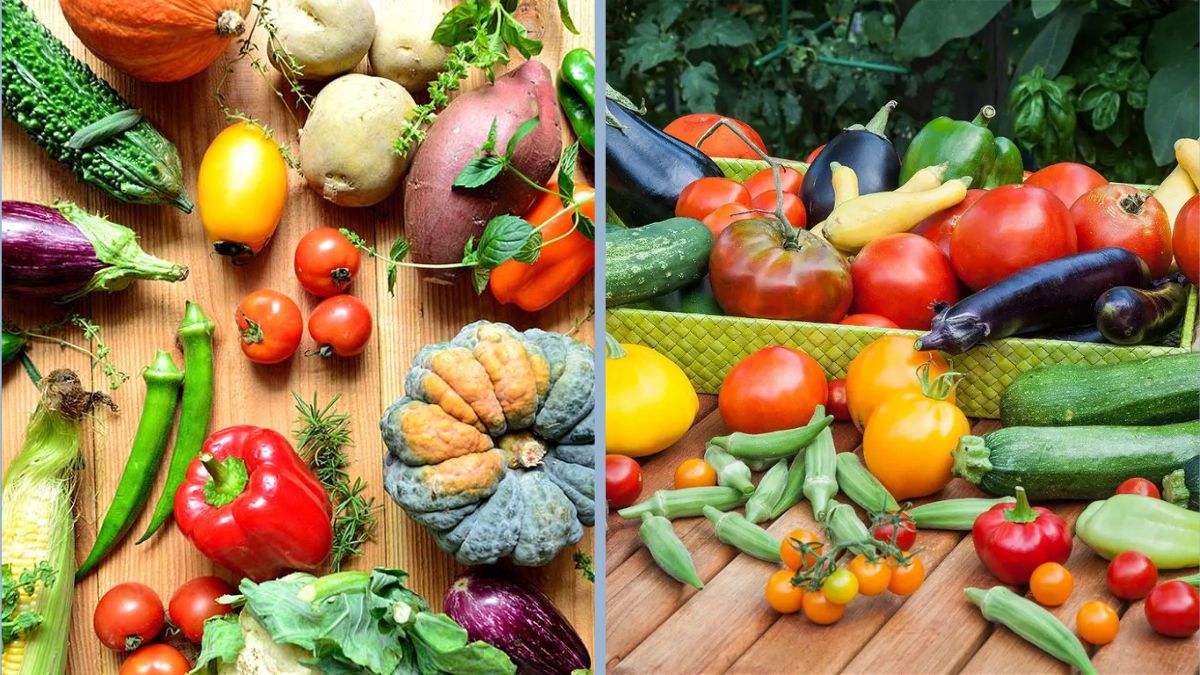
Gardening year-round requires an understanding of seasonal dynamics and crop requirements. Different vegetables thrive under specific environmental conditions such as temperature, sunlight, and rainfall. By planting the right vegetables in each season, gardeners can maximize yield, enhance flavor, and ensure continuous availability of fresh produce. Seasonal planting also reduces stress on plants, minimizes pest and disease incidence, and improves soil health. This article provides a comprehensive guide to the best vegetables for each season—spring, summer, fall, and winter—along with planting tips and plant-based care strategies.
Spring Vegetables
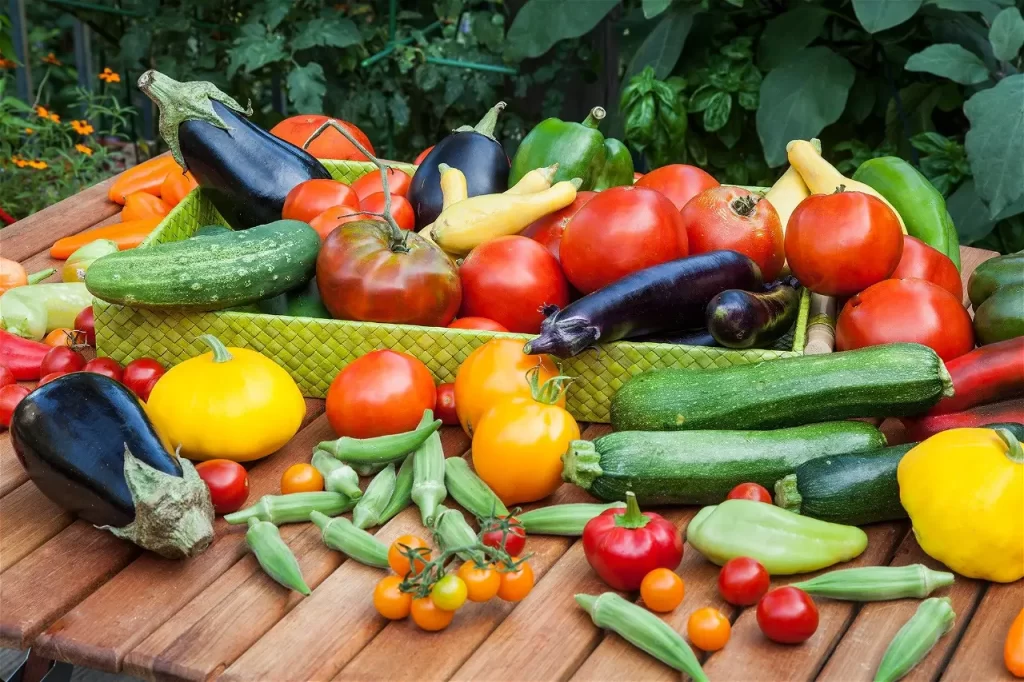
Spring is a transitional season characterized by moderate temperatures and increasing daylight. It is ideal for cool-weather crops and early sowing of warm-season plants.
Best Spring Vegetables
- Lettuce
- Thrives in cool, moist conditions.
- Plant seeds directly in soil or start indoors for transplanting.
- Requires regular watering and light mulching to retain moisture.
- Spinach
- Rapidly growing leafy green, rich in iron and vitamins.
- Prefers fertile, well-drained soil with organic compost.
- Can withstand light frost, making early spring sowing ideal.
- Radishes
- Fast-growing root vegetable, ideal for succession planting.
- Sow seeds directly in loose soil, thin seedlings for root development.
- Peas
- Cool-weather legume that enriches soil with nitrogen.
- Provide trellises for support and plant in fertile, moist soil.
- Carrots
- Root vegetable that benefits from cool, moist soil.
- Sow seeds directly and thin seedlings to avoid overcrowding.
Planting Tips:
- Use raised beds for better drainage.
- Apply plant-based compost or vermicompost to improve fertility.
- Protect tender seedlings with light covers during late frosts.
Summer Vegetables
Summer gardening requires heat-tolerant crops that thrive under strong sunlight and higher temperatures. Adequate watering, mulching, and pest management are crucial during this season.
Best Summer Vegetables
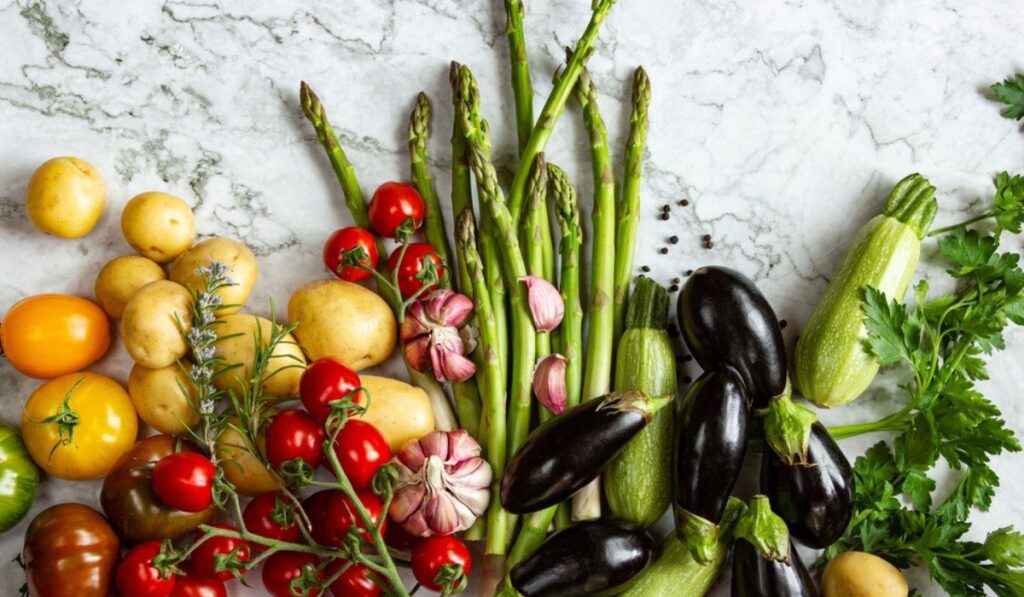
- Tomatoes
- Heat-loving fruit vegetable requiring full sun.
- Start seedlings indoors for early summer transplant.
- Stake plants and use plant-based mulches to conserve soil moisture.
- Cucumbers
- Vine crop thriving in warm, humid conditions.
- Provide trellises or vertical supports to save space.
- Water consistently to prevent bitter fruits.
- Okra (Ladyfinger)
- Drought-tolerant and thrives in high temperatures.
- Sow directly in well-drained soil; requires minimal maintenance.
- Eggplant (Brinjal)
- Requires warm soil and sunny conditions.
- Mulch with straw or leaves to retain moisture and reduce weeds.
- Green Beans
- Fast-growing vine crop suitable for summer.
- Requires trellis support and moderate watering.
Planting Tips:
- Water in early morning or late evening to reduce evaporation.
- Use organic pest deterrents like neem sprays.
- Mulch paths and soil to retain moisture during high heat.
Fall Vegetables
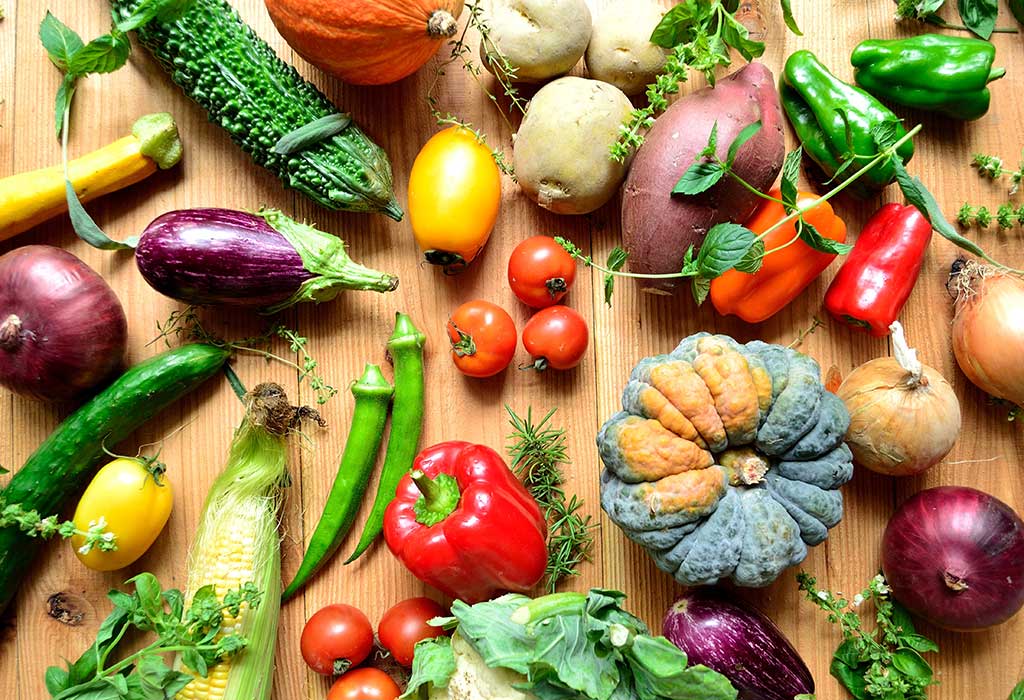
Fall is a cooling season where many crops benefit from milder temperatures and decreased pest pressure. It is ideal for cool-season vegetables that mature before frost.
Best Fall Vegetables
- Kale
- Frost-tolerant leafy green; flavor improves after light frost.
- Sow seeds in late summer for fall harvest.
- Broccoli
- Cool-weather crop thriving in fertile soil.
- Mulch and water consistently to support head development.
- Cabbage
- Thrives in moderate temperatures; resistant to light frost.
- Space plants adequately to prevent disease.
- Beets
- Root crop suitable for fall; leaves are also edible.
- Sow seeds directly and maintain even moisture to prevent cracking.
- Spinach
- Rapid-growing green for continuous harvest.
- Plant multiple sowings at intervals for succession harvest.
Planting Tips:
- Use row covers or low tunnels to protect crops from early frost.
- Apply plant-based mulch to regulate soil temperature.
- Incorporate green manure crops to improve soil fertility for the next season.
Winter Vegetables
Winter gardening focuses on cold-hardy crops that can survive frost and shorter daylight hours. Proper soil preparation and protective strategies are essential.
Best Winter Vegetables
- Garlic
- Plant in fall for harvest in late spring or early summer.
- Protect bulbs with straw mulch to prevent frost damage.
- Leeks
- Hardy allium crop tolerant of freezing temperatures.
- Hill soil around stems to blanch lower portions.
- Brussels Sprouts
- Slow-growing and frost-tolerant; flavor improves after frost.
- Mulch around plants to conserve warmth and moisture.
- Carrots
- Can remain in the ground under mulch; sugar content increases in cold.
- Harvest progressively as needed.
- Spinach
- Cold-hardy leafy green suitable for winter beds.
- Use cold frames or row covers to extend growing season.
Planting Tips:
- Prepare raised beds or containers with well-drained soil.
- Use protective covers or low tunnels for sensitive crops.
- Apply plant-based organic fertilizers to maintain nutrition during low-growth periods.
General Seasonal Gardening Strategies
- Soil Management
- Rotate crops to prevent nutrient depletion.
- Incorporate compost, green manure, and vermicompost seasonally.
- Mulching
- Conserves soil moisture in hot months and protects roots in winter.
- Suitable plant-based materials include straw, leaves, and coconut coir.
- Watering Techniques
- Adjust watering frequency according to seasonal temperature.
- Use drip irrigation, soaker hoses, or hand watering to minimize wastage.
- Pest and Disease Control
- Employ companion planting, neem sprays, or plant-based infusions.
- Maintain good airflow between plants and remove diseased leaves promptly.
- Succession Planting
- Ensures continuous harvests by sowing fast-growing crops multiple times per season.
- Protective Structures
- Cold frames, row covers, shade cloths, and low tunnels extend growing periods and protect crops from extreme weather.
Conclusion
Understanding which vegetables thrive in each season is key to successful year-round gardening. Spring is ideal for leafy greens and early root crops, while summer favors heat-tolerant vegetables such as tomatoes, cucumbers, and okra. Fall allows for cool-season crops like kale, broccoli, and cabbage, and winter supports hardy plants such as garlic, leeks, and carrots. Implementing plant-based soil amendments, mulches, protective covers, and efficient watering strategies enhances productivity across all seasons. By aligning planting schedules with seasonal conditions, gardeners can enjoy a continuous supply of fresh, nutritious vegetables throughout the year, maintain sustainable garden practices, and reduce dependence on imported produce—all without using non-vegetarian inputs.