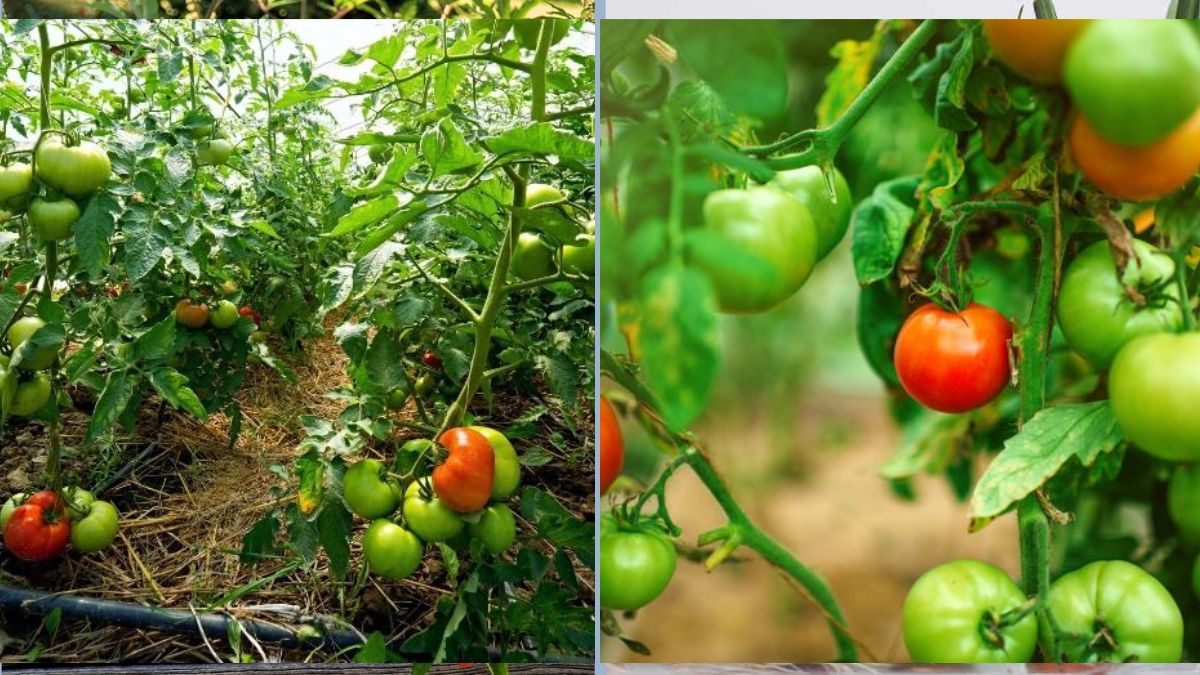
Tomatoes are among the most rewarding crops for home gardeners, yet one of the most frustrating problems is when healthy-looking plants produce flowers but fail to set fruit. This issue is more common than many realize and can be caused by a combination of environmental, nutritional, and pollination-related factors. Understanding why fruiting stalls—and learning how to correct the underlying causes—can significantly improve yield and plant health. This article explores five major reasons why tomato plants do not fruit and provides practical, non-chemical, and fully plant-based solutions to address each challenge effectively.
1. Temperature Stress
Why It Happens
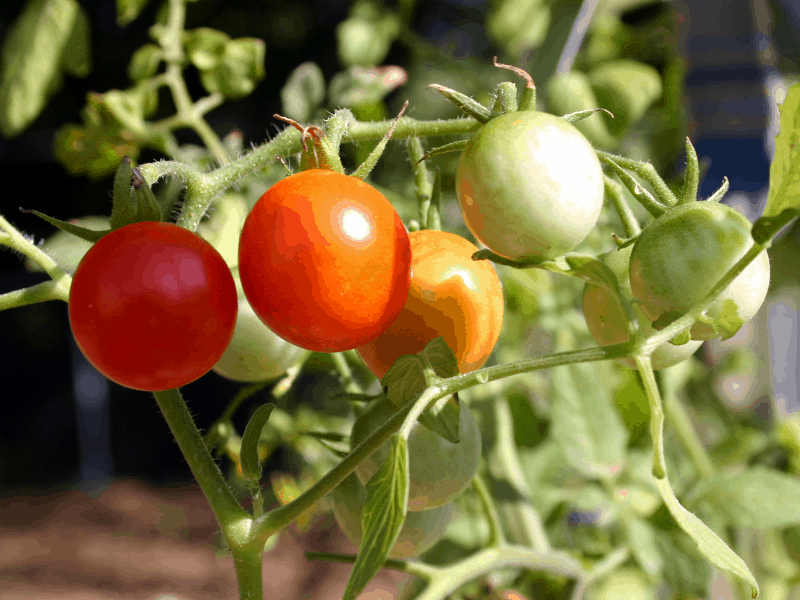
Tomato plants are highly sensitive to temperature. Even if the foliage looks vigorous, unfavorable temperatures can interrupt pollination and fruit formation. The ideal temperature range for fruit setting is:
- Daytime: 21–29°C (70–85°F)
- Nighttime: 13–21°C (55–70°F)
If temperatures exceed 32°C (90°F) during the day or fall below 13°C (55°F) at night, pollen becomes non-viable, flowers drop, and fruit setting halts.
Solutions
- Provide Shade During Heatwaves: Use shade cloths, green netting, or position potted tomatoes under partial cover during peak afternoon heat.
- Improve Airflow: Proper spacing (at least 18–24 inches between plants) helps regulate temperature and humidity.
- Mulch the Soil: Apply straw, dried leaves, or coconut husk mulch to stabilize soil temperature.
- For Cold Nights: Use row covers, cloches, or cloth wraps to protect plants and buds from temperature dips.
2. Poor Pollination
Why It Happens
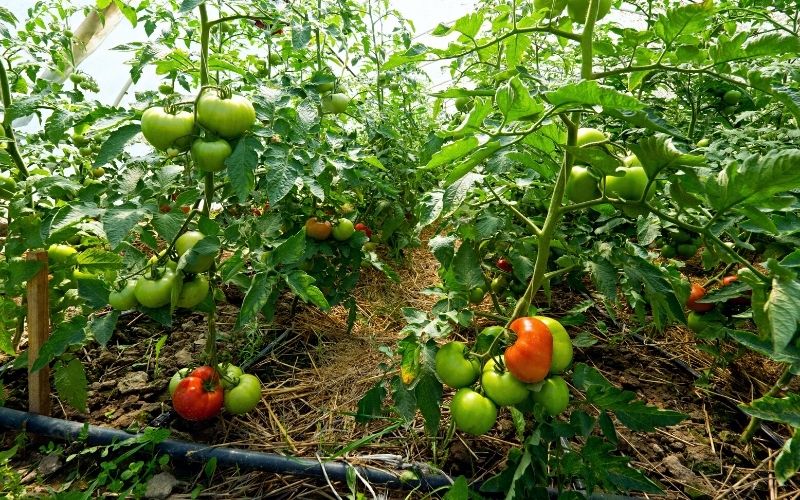
Tomatoes are self-pollinating, but they still require movement or vibration for pollen transfer within the flower. Factors like still air, lack of pollinators, and high humidity can hinder pollen release.
Signs of Poor Pollination
- Flowers dry and drop off without swelling at the base.
- Plants produce abundant blossoms but no fruit.
Solutions
- Hand Pollination: Gently shake the flowering stems or tap them mid-morning when flowers are open. A soft paintbrush or cotton swab can also transfer pollen.
- Attract Pollinators Naturally: Plant marigolds, basil, or calendula nearby to invite bees and beneficial insects.
- Increase Air Circulation: Use small fans in greenhouse settings or avoid overcrowding.
3. Excess Nitrogen and Imbalanced Nutrition
Why It Happens
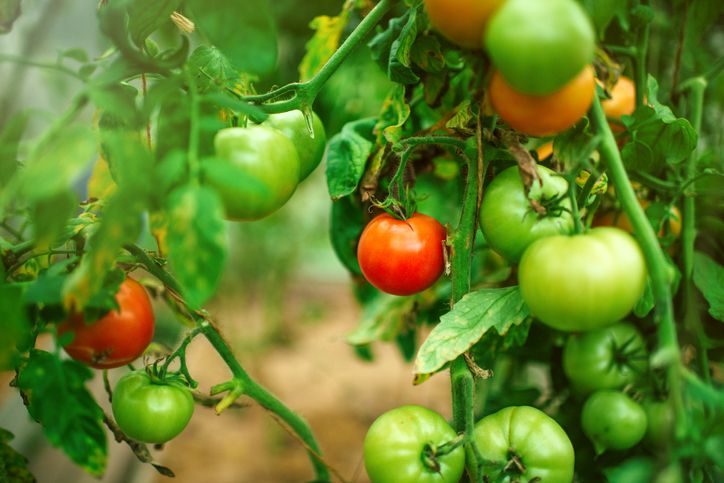
Tomatoes require balanced nutrition. Excess nitrogen leads to vigorous leafy growth but suppresses flowering and fruit setting. A deficiency in phosphorus or potassium also prevents fruit development.
Indicators
- Lush, deep-green leaves with few flowers.
- Delayed fruiting even on mature plants.
Solutions
- Adjust Fertilization: Avoid high-nitrogen fertilizers. Choose organic blends with an N-P-K ratio like 5-10-10 or 4-6-8.
- Use Organic Soil Amendments: Compost, wood ash, banana peel fertilizers, and bone meal alternatives (plant-based only) can improve phosphorus and potassium levels.
- Test the Soil: If possible, test for nutrient imbalances and correct accordingly using plant-based amendments.
4. Lack of Pruning and Overgrowth
Why It Happens
When tomato plants become too bushy, energy gets diverted to stem and leaf production rather than fruiting. Dense foliage also blocks light and reduces airflow, compounding fruiting issues.
Common Mistakes
- Not pruning indeterminate varieties.
- Allowing too many suckers (shoots that grow between stem and branch nodes).
- Not providing a trellis or support structure.
Solutions
- Remove Suckers: Pinch off young suckers early before they consume significant plant energy.
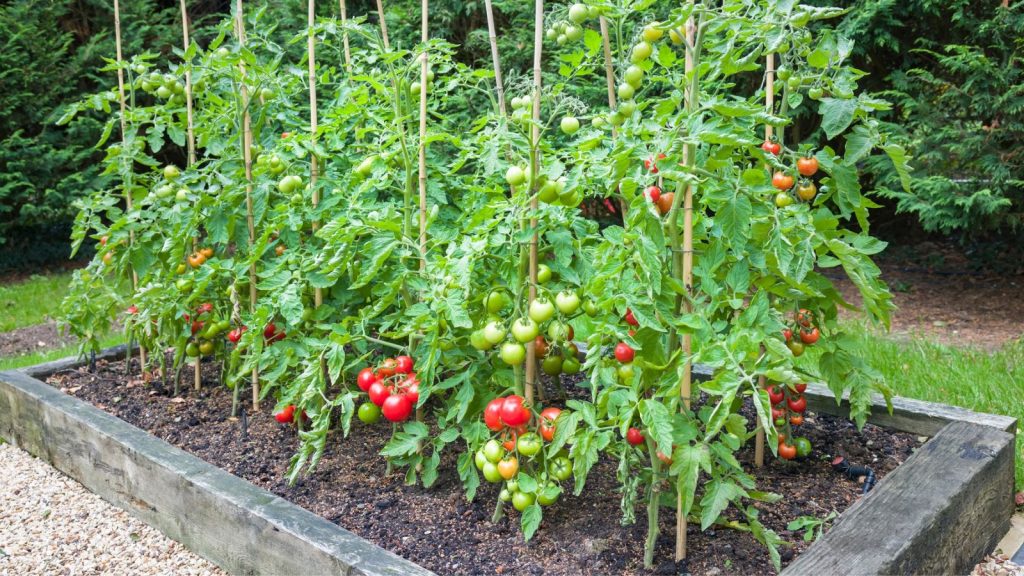
- Train Plants Upward: Use stakes, bamboo poles, or trellises to support vertical growth.
- Thin Out Dense Growth: Remove crowded leaves around flowering clusters to improve light penetration and pollination.
- Maintain Lower Leaves: Remove yellowing or soil-touching leaves to improve airflow and reduce disease risk.
5. Inconsistent Watering and Soil Issues
Why It Happens
Tomatoes need consistent moisture levels to maintain flower and fruit development. Overwatering, underwatering, or fluctuating soil moisture disrupts nutrient uptake and stresses the plant.
Warning Signs
- Flower drop despite healthy foliage.
- Cracking leaves or wilting during the day.
- Blossom-end rot in later stages.
Solutions
- Maintain Even Moisture: Water deeply 2–3 times per week, depending on climate and soil type. Avoid shallow sprinkling.
- Use Mulch to Retain Moisture: Organic mulches (dried leaves, straw, coco peat) prevent water loss and stabilize root conditions.
- Improve Soil Structure: Use well-draining, loose, compost-rich soil rather than compacted or clay-heavy earth.
- Avoid Water on Foliage: Apply water directly to the base of plants to minimize fungal risk and maximize absorption.
Additional Factors That Affect Fruiting
While the above five reasons are most common, other factors may also contribute:
a. Plant Variety
Some indeterminate varieties take longer to fruit. Choose cultivars suited to your climate and space, such as:
- Cherry tomatoes for quick yields
- Determinate types for containers
- Heat-tolerant or early-fruiting hybrids
b. Plant Age
Young transplants may not fruit early. Most tomato plants begin setting fruit 40–60 days after transplanting.
c. Container Limitations
Tomatoes grown in small containers (under 5 gallons) may lack space for root expansion and fruit development.
d. Pests and Disease
Issues like aphids, thrips, and fungal infections weaken plants and divert energy from fruiting. Use neem oil, insecticidal soap, and crop rotation for prevention.
Best Practices to Improve Fruit Set
To encourage consistent and abundant fruiting, integrate the following practices:
1. Use Companion Plants
Marigold, basil, and nasturtium deter pests and support pollination.
2. Time Watering and Fertilizing Correctly
Avoid feeding with nitrogen-rich compost during flowering. Instead, apply potassium-rich preparations like compost tea, wood ash solution, or banana peel extract.
3. Promote Strong Roots
Start seedlings in well-draining, compost-rich soil and transplant deeper to encourage root development.
4. Observe Flowering Patterns
Flowers usually open in the morning. Pollination efforts are most effective between 9 a.m. and 11 a.m.
Conclusion
Tomato plants that do not bear fruit often suffer from correctable issues such as temperature fluctuations, poor pollination, nutrient imbalance, overgrowth, or inconsistent watering. By understanding these factors and applying practical solutions—like balanced fertilization, hand pollination, pruning, mulching, and temperature management—gardeners can restore healthy flower-to-fruit transition.
With proper care and observation, even struggling tomato plants can begin producing abundantly. A proactive approach rooted in plant-friendly practices ensures not only improved harvests but also a more sustainable and enjoyable gardening experience, completely free from non-vegetarian inputs or harmful interventions.