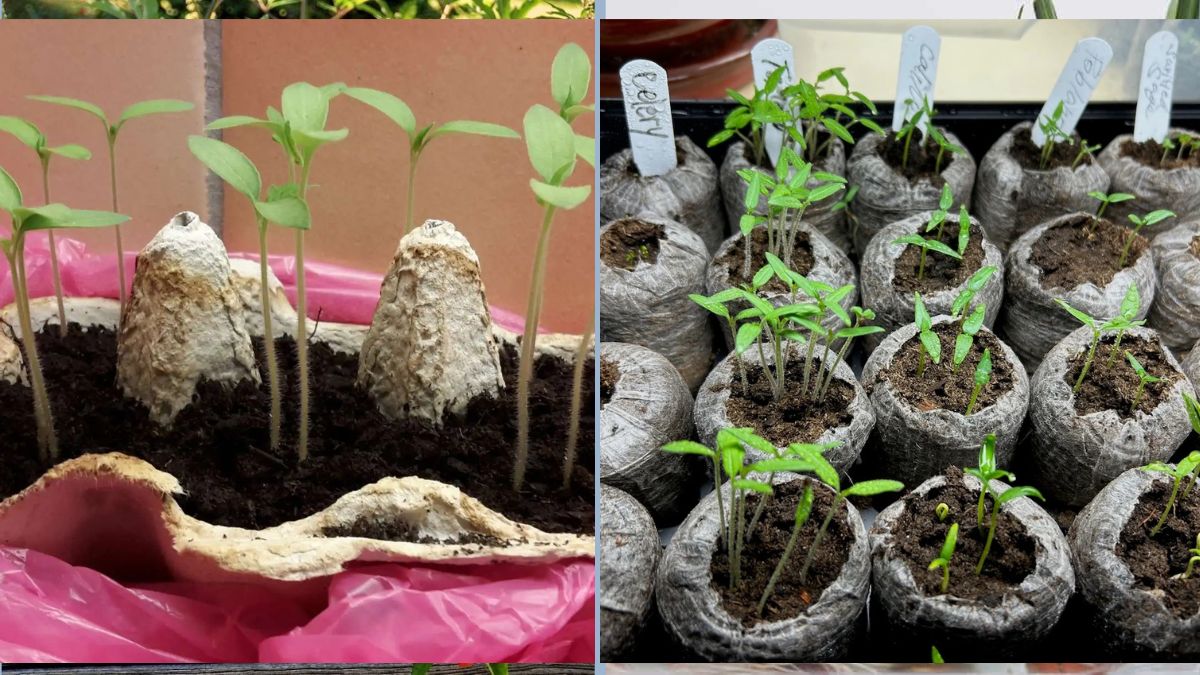
Growing seedlings from seeds is a rewarding part of gardening, offering control over plant varieties and the opportunity to nurture young plants from the earliest stages. However, one of the most common challenges faced by gardeners is the development of leggy seedlings. “Legginess” refers to seedlings that are tall, spindly, and weak-stemmed, often struggling to support themselves as they grow. These plants are prone to bending, breaking, or even dying after transplantation. Understanding the causes of legginess and implementing strategies to correct it is crucial for cultivating robust, healthy plants. This article provides a comprehensive guide to identifying, preventing, and fixing leggy seedlings for stronger growth.
1. Understanding Legginess in Seedlings
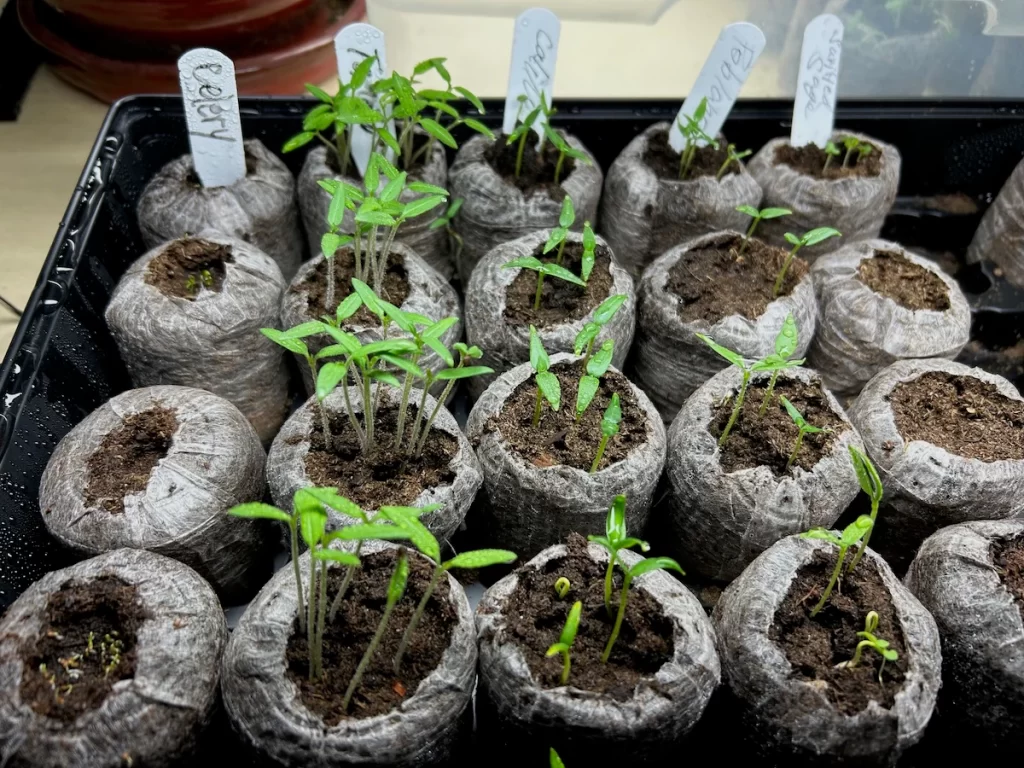
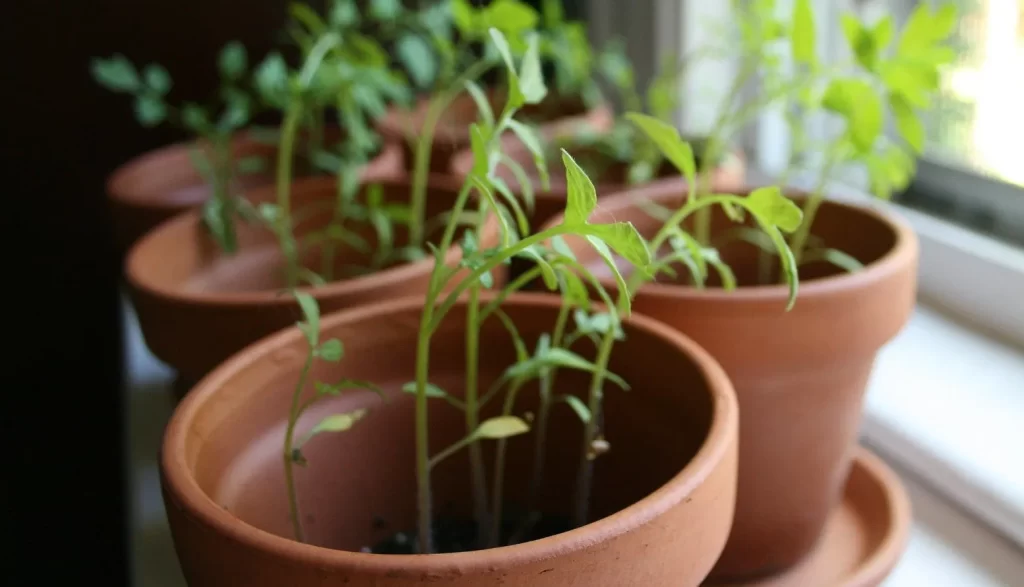
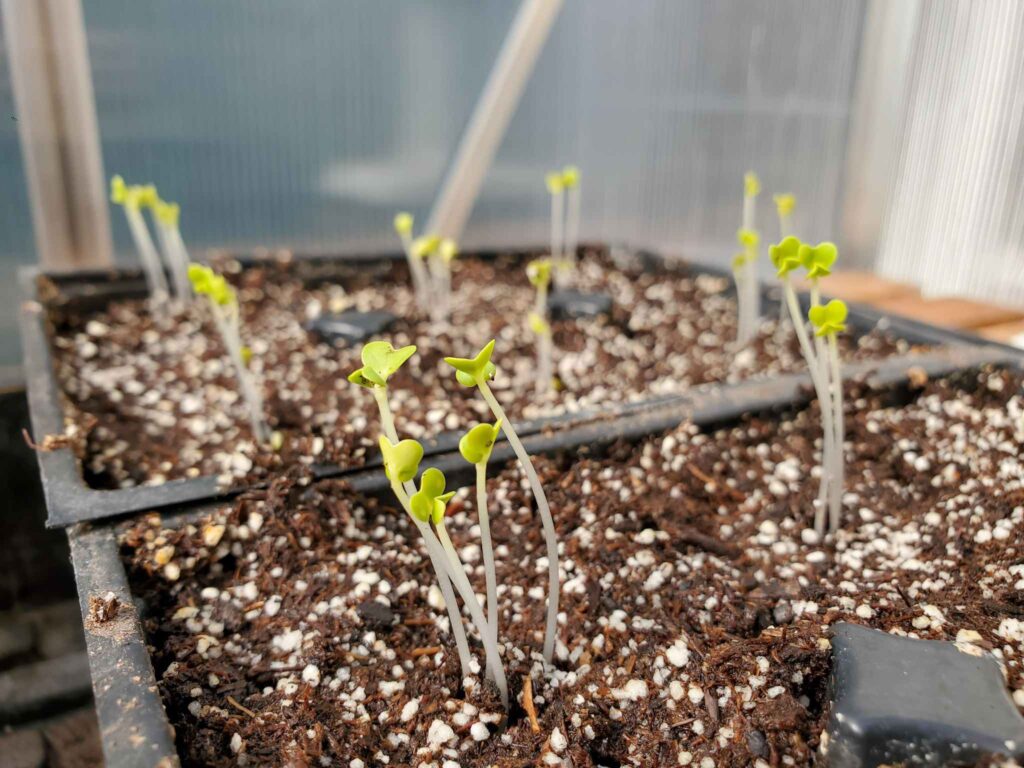
Leggy seedlings are characterized by:
- Excessive height with thin, weak stems
- Pale or yellowish leaves due to insufficient chlorophyll
- Slow or uneven development of true leaves
- Tendency to lean toward light sources
Legginess occurs when seedlings stretch in search of more light or when their growth is unbalanced due to environmental or cultural factors. Recognizing the early signs is the first step in correcting the issue.
2. Causes of Leggy Seedlings
Several environmental and cultivation factors contribute to legginess:
a. Insufficient Light
Light is the most common factor. Seedlings require sufficient intensity and duration of light to develop strong stems. In low-light conditions, plants elongate to reach more light.
b. Excessive Heat
High temperatures accelerate stem elongation while reducing leaf growth, resulting in tall, weak seedlings.
c. Overcrowding
When seedlings are too close together, competition for light and nutrients causes stretching.
d. Overfertilization
Excess nitrogen promotes rapid stem growth at the expense of root development and leaf formation.
e. Poor Air Circulation
Stagnant air weakens seedlings, preventing them from developing sturdy stems.
Understanding these causes allows gardeners to implement effective corrective measures.
3. Immediate Steps to Fix Leggy Seedlings
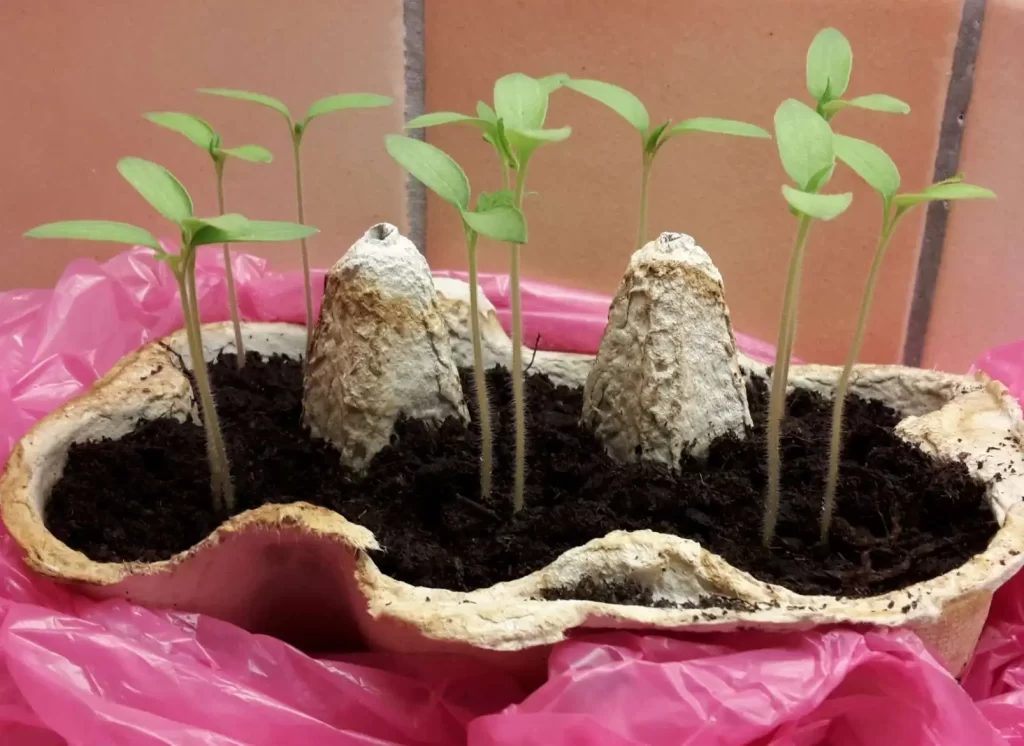
Step 1: Improve Light Conditions
- Artificial Lighting: Use grow lights to provide 12–16 hours of consistent, bright light daily. Fluorescent or LED lights work well for indoor seedlings.
- Natural Sunlight: Place seedlings on a south-facing windowsill or outdoors under filtered sunlight. Rotate trays daily to ensure even exposure.
Step 2: Adjust Temperature
- Maintain temperatures appropriate for the specific plant species, usually 18–24°C for most vegetables and herbs.
- Avoid placing seedlings near heat sources that cause excessive warmth and elongation.
Step 3: Reduce Crowding
- Thin seedlings by snipping weaker plants at soil level. This gives remaining seedlings more space, light, and nutrients.
- Transplant seedlings into larger trays or pots when true leaves appear to prevent competition.
4. Strengthening Seedling Stems
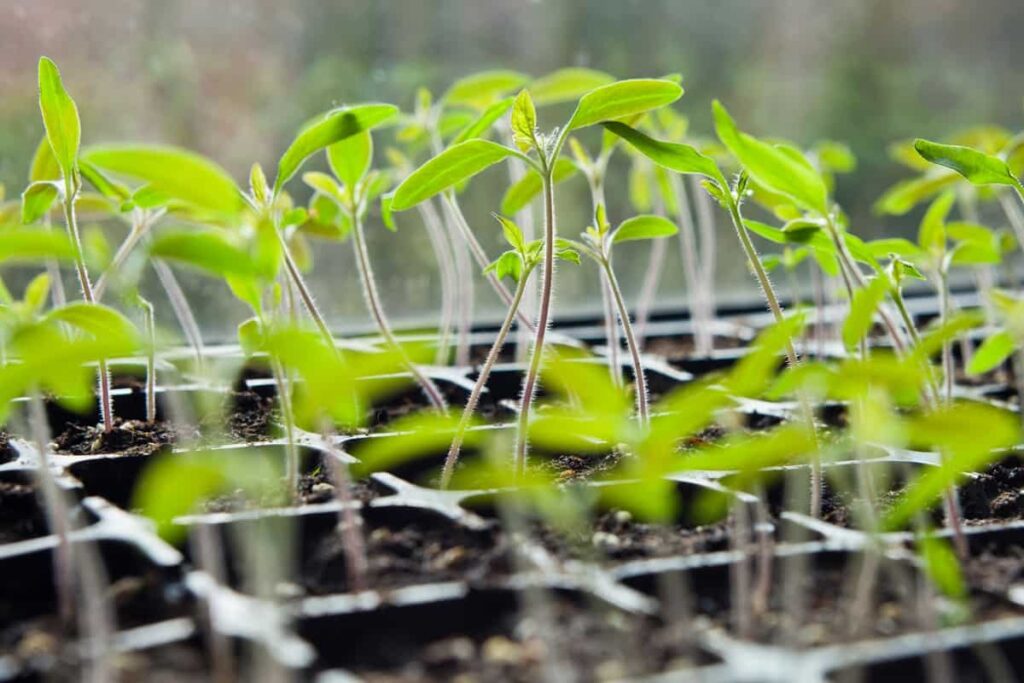
a. Deep Planting
- Many leggy seedlings can be salvaged by planting them deeper. For example, tomato seedlings can be buried up to their first set of true leaves, encouraging additional root growth along the buried stem.
- Ensure the soil is gently firmed around the stem to prevent bending or air pockets.
b. Supporting Stems
- Use small stakes, bamboo skewers, or toothpicks to support weak stems until they gain strength.
- Secure seedlings loosely with soft ties to avoid damaging tissues.
c. Gently Bending and Training
- Periodically bend stems slightly (not forcefully) to stimulate mechanical strength. This mimics natural wind and encourages the production of stronger, thicker stems.
5. Adjusting Watering Practices
Watering affects both root development and stem strength:
- Consistent Moisture: Keep soil evenly moist but not waterlogged. Excess water reduces root oxygenation, weakening stems.
- Avoid Frequent Shallow Watering: This encourages weak roots and stretching. Deep, less frequent watering promotes robust root systems that support strong seedlings.
- Drainage: Ensure containers have proper drainage to prevent standing water and root rot.
6. Nutritional Balance
Proper nutrition ensures seedlings grow balanced, strong stems:
- Moderate Nitrogen: Nitrogen is essential for leaf growth but excessive amounts cause spindly stems. Use diluted organic fertilizers such as compost tea or fish emulsion.
- Phosphorus and Potassium: Encourage root growth and stem strength. Bone meal or potassium-rich compost can help correct imbalances.
- Micronutrients: Magnesium and calcium support chlorophyll formation and cell wall integrity, contributing to stronger seedlings.
7. Air Circulation and “Hardening” Techniques
Healthy seedlings require airflow and gradual acclimatization:
- Fans or Natural Breezes: Gentle air movement strengthens stems by stimulating mechanical resistance. A small oscillating fan for a few hours a day is sufficient indoors.
- Hardening Off: Before transplanting outdoors, expose seedlings to gradually increased sunlight, wind, and cooler temperatures over 7–10 days. This prepares them for outdoor conditions, preventing shock and reinforcing stem strength.
8. Correcting Legginess Through Transplanting
Transplanting can correct legginess if done carefully:
- Choose Appropriate Pots: Use deep pots for root development.
- Plant Deeply: As mentioned, bury the stem deeper to stimulate new root growth.
- Ensure Soil Contact: Firm soil gently around the stem to provide stability.
- Provide Support: Continue staking or using cages for delicate seedlings until they establish strong stems.
Transplanting is particularly effective for species prone to stretching, such as tomatoes, peppers, and basil.
9. Pruning and Pinching Techniques
Pinching or trimming seedlings encourages bushier growth and stronger stems:
- Remove Weak Tips: Snip soft or elongated parts of the stem just above a node to redirect energy to healthier growth.
- Encourage Lateral Growth: Pinching encourages lateral branching, resulting in sturdier and more resilient seedlings.
- Monitor Growth: Continue light pruning as plants grow to maintain balance and prevent excessive vertical stretching.
10. Choosing Resistant Varieties
Some plant varieties are naturally less prone to legginess:
- Compact or Determinate Varieties: These produce shorter, bushier seedlings.
- Early-Leafing Species: Plants that develop true leaves quickly have less time to stretch excessively.
- Climate-Adapted Seeds: Choose seeds suited to your growing environment, which reduces environmental stress that leads to stretching.
11. Environmental Stress and Its Impact
Environmental stress influences stem strength:
- Heat and Light Imbalance: Warm indoor temperatures combined with low light accelerate elongation. Correcting light intensity and providing cooler temperatures improves growth balance.
- Water Stress: Overwatering leads to weak stems; mild water stress can concentrate growth energy into stronger tissues.
- Pest or Disease Pressure: Aphids, fungal infections, and damping-off weaken seedlings. Early intervention prevents additional legginess.
Managing stressors maintains seedlings’ structural integrity.
12. Monitoring Seedling Health
Consistent observation ensures early correction:
- Leaf Color: Pale or yellow leaves indicate nutrient or light deficiency.
- Stem Thickness: Weak, thin stems require support or corrective measures.
- Growth Rate: Excessive elongation compared to true leaf development signals legginess.
Regular monitoring allows timely intervention before seedlings become irreversibly weak.
13. Integrating Practices for Maximum Strength
For the best results, combine multiple strategies:
- Provide consistent, bright light
- Maintain moderate temperatures and airflow
- Use deep planting for tall seedlings
- Support weak stems and use gentle mechanical stimulation
- Apply balanced nutrition and proper watering
- Harden off seedlings before transplanting outdoors
This holistic approach addresses both causes and symptoms, ensuring seedlings grow into robust, productive plants.
14. Common Mistakes to Avoid
- Neglecting Light Needs: Even short periods of low light can cause stretching.
- Overcrowding: Leads to competition and weak stems.
- Excessive Fertilization: Too much nitrogen without phosphorus or potassium encourages legginess.
- Skipping Hardening Off: Direct outdoor exposure stresses seedlings, causing bending or collapse.
Awareness of these mistakes prevents recurring issues and promotes healthier seedlings.
15. Conclusion
Leggy seedlings are a common challenge but not an insurmountable one. With proper understanding of the causes, gardeners can implement strategies to correct and prevent weak, spindly growth. Key steps include providing adequate light, maintaining balanced nutrition, planting seedlings deeply, supporting stems, ensuring proper watering, improving airflow, and gradually hardening plants for outdoor conditions.
By observing seedlings closely and applying a combination of cultural, environmental, and nutritional interventions, gardeners can transform leggy, fragile seedlings into strong, resilient plants. Robust seedlings establish quickly after transplanting, grow vigorously, and produce healthier, more abundant yields.
Strong seedlings are the foundation of a productive garden, and addressing legginess early ensures long-term success in plant cultivation.