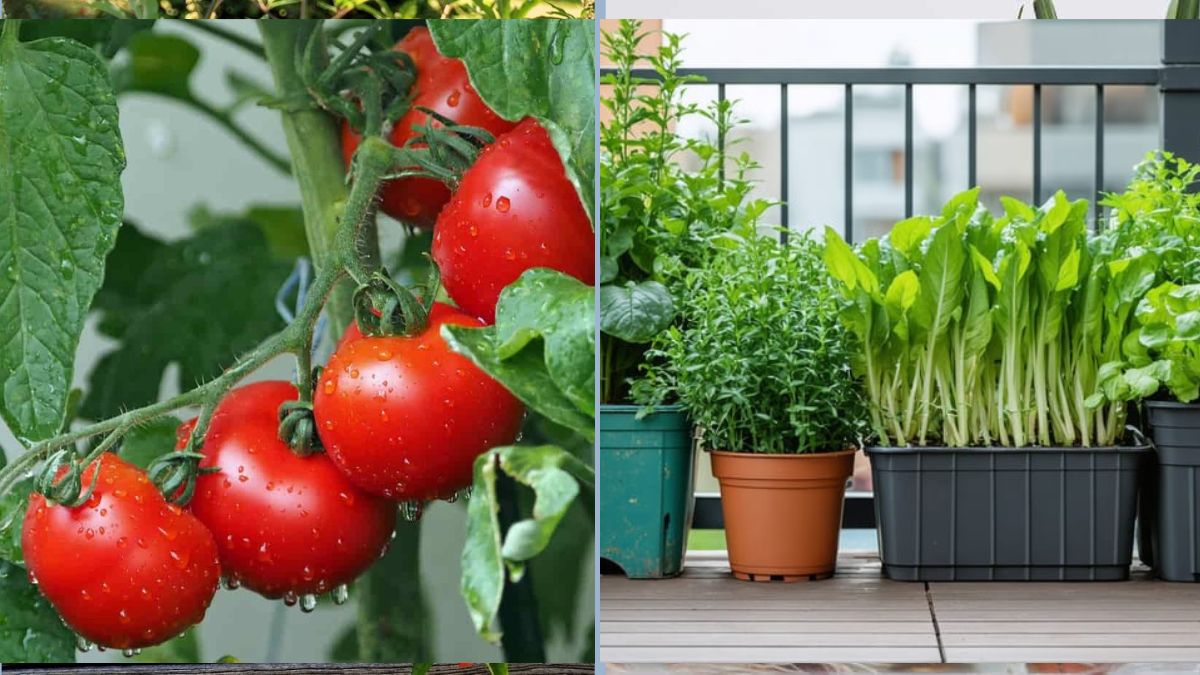
Heavy rains can be both a blessing and a challenge for vegetable gardeners. While adequate rainfall provides essential hydration, prolonged or intense precipitation can create adverse conditions that threaten plant health. Waterlogged soil, nutrient leaching, fungal infections, and physical damage are common post-rain hazards that can weaken or kill vegetable crops. Understanding how to care for vegetables after heavy rainfall is essential for maintaining plant vigor, preventing disease, and ensuring high yields. This article provides a comprehensive guide for protecting and revitalizing vegetables after excessive rain.
1. Understanding the Effects of Heavy Rain on Vegetables
Heavy rainfall impacts vegetables in multiple ways:
- Waterlogging: Saturated soils reduce oxygen availability to roots, causing root stress or rot.
- Nutrient Leaching: Excess water can wash away essential nutrients such as nitrogen, potassium, and magnesium.
- Fungal Growth: Wet conditions favor pathogens like downy mildew, powdery mildew, and root rot fungi.
- Physical Damage: Rain can knock over plants, damage leaves, and bruise fruits or stems.
- Soil Compaction: Repeated heavy rains compact soil, restricting root growth and reducing aeration.
Recognizing these potential effects is crucial for timely intervention and recovery.
2. Immediate Assessment After Rainfall
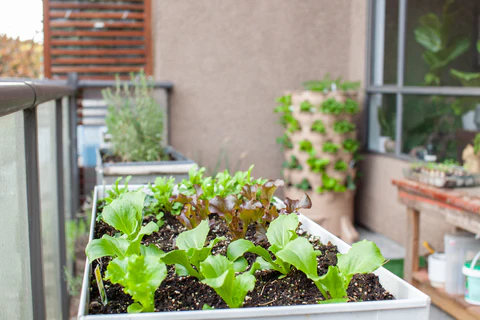
After heavy rainfall, gardeners should perform a quick assessment of their vegetable beds:
- Check for Waterlogging: Look for standing water or soggy soil.
- Inspect Leaves and Stems: Identify torn, bruised, or yellowing leaves.
- Assess Root Health: Gently remove a plant from soil if roots appear mushy or discolored.
- Identify Vulnerable Areas: Low-lying spots or poorly drained beds may need special attention.
Early evaluation helps prioritize actions to prevent further damage.
3. Improving Drainage
Proper drainage is key to rescuing vegetables after excessive rain:
- Remove Standing Water: Gently tilt pots or remove excess water from garden beds.
- Create Channels or Trenches: Direct water away from low-lying vegetable beds.
- Elevate Containers: Raise potted vegetables on bricks or stands to improve drainage.
- Amend Soil: Add compost, sand, or perlite to heavy soils to enhance aeration and drainage.
Ensuring water moves away from roots reduces stress and limits the risk of root rot.
4. Leaf and Stem Care
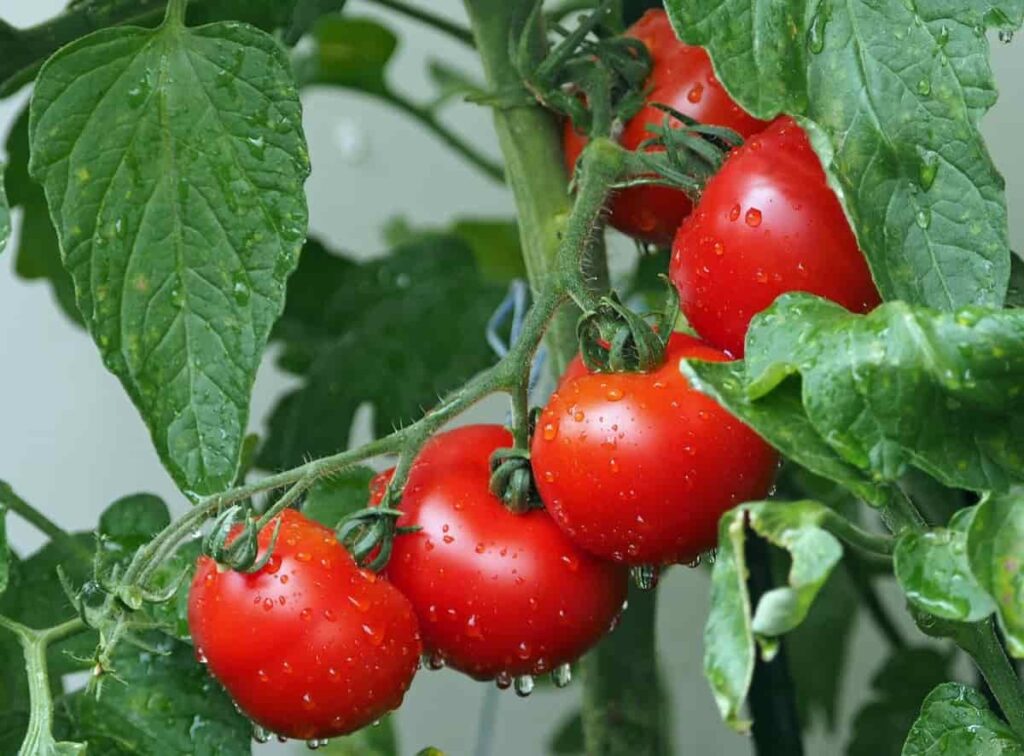
Rain can physically damage plants and increase susceptibility to diseases:
- Prune Damaged Leaves: Remove torn or diseased foliage to improve air circulation.
- Support Weak Stems: Stake or tie plants that may have bent or fallen during the rain.
- Dry Wet Foliage: Gently shake or fan leaves to reduce prolonged moisture and prevent fungal growth.
Proper above-ground care preserves photosynthesis and minimizes infection risks.
5. Nutrient Restoration
Heavy rains can wash away essential nutrients:
- Side-Dress with Organic Fertilizer: Apply compost, vermicompost, or well-rotted manure to replenish nutrients.
- Use Foliar Feeding: Mild nutrient sprays, such as compost tea, can quickly restore nitrogen and micronutrients.
- Monitor Growth: New leaves should appear vibrant green within days if nutrient levels are adequate.
Balanced nutrition supports recovery and prevents stunted growth.
6. Fungal and Disease Management
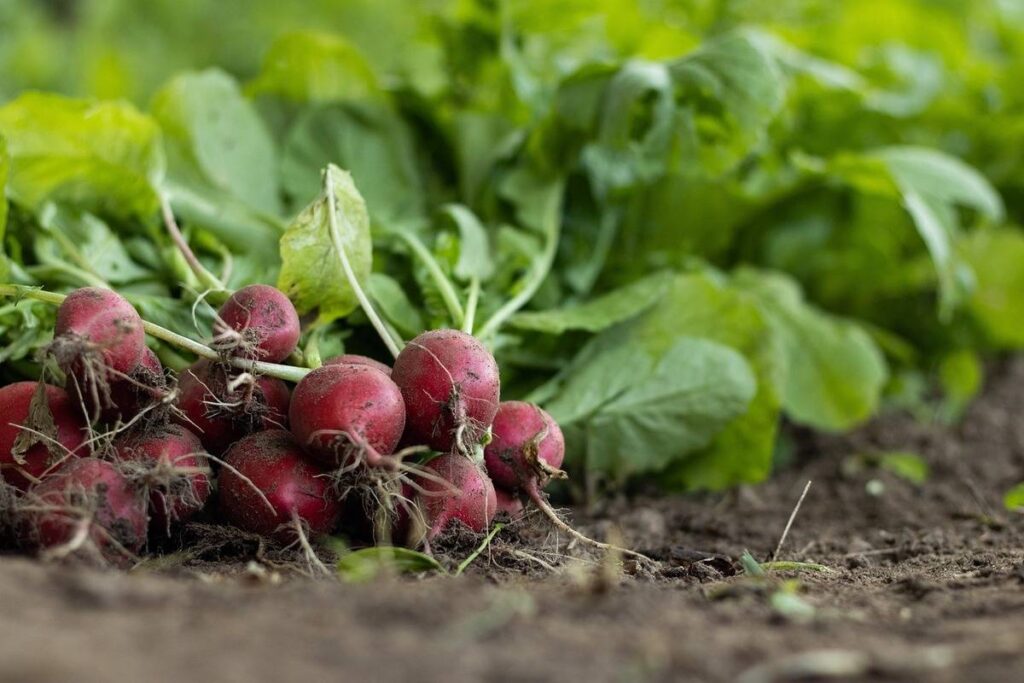
Wet conditions after rain favor fungal and bacterial infections:
- Inspect Plants Regularly: Look for powdery or downy mildew, leaf spots, or wilting.
- Improve Air Circulation: Space plants adequately and prune dense foliage to reduce humidity.
- Natural Treatments: Use neem oil, garlic spray, or diluted baking soda solutions to manage fungal growth.
- Avoid Overwatering Post-Rain: Ensure soil is allowed to drain between supplemental watering sessions.
Preventing infections early reduces crop loss and maintains vegetable quality.
7. Soil Aeration and Loosening
Heavy rains compact soil, restricting root function:
- Gently Loosen Topsoil: Use a hand fork or stick to aerate without damaging roots.
- Avoid Walking on Wet Soil: Compaction worsens when soil is saturated, so minimize foot traffic.
- Add Mulch After Drying: Straw, shredded leaves, or coconut coir preserves soil structure and prevents erosion.
Aerated soil improves oxygen flow, nutrient absorption, and root recovery.
8. Protecting Plants from Sun Stress Post-Rain
After heavy rain, leaves may be wet and more vulnerable to sun damage:
- Gradual Sun Exposure: Avoid sudden exposure to direct intense sunlight immediately after rainfall.
- Temporary Shade: Use cloth, netting, or natural shade to prevent leaf scorch.
- Monitor Soil Moisture: Sun combined with wet soil can create sudden temperature fluctuations, stressing roots.
Proper sun management protects recovering plants and prevents further stress.
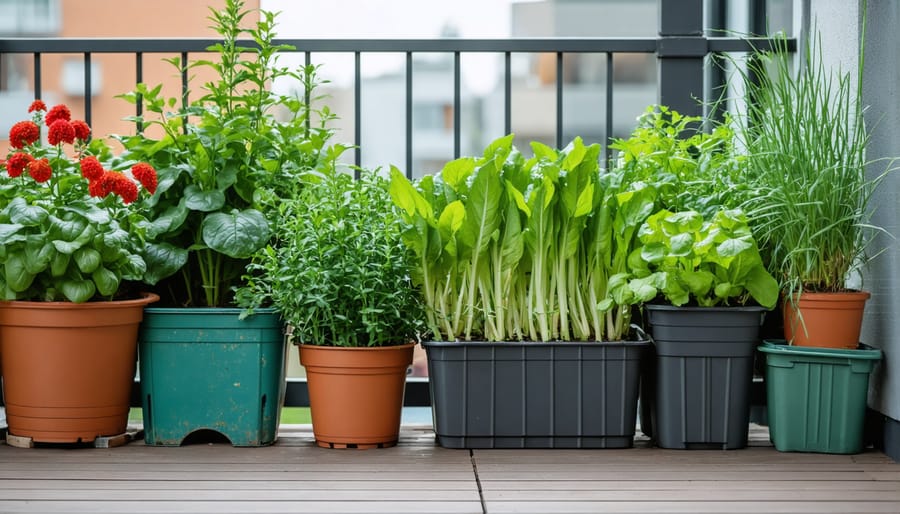
9. Managing Water in Container Vegetables
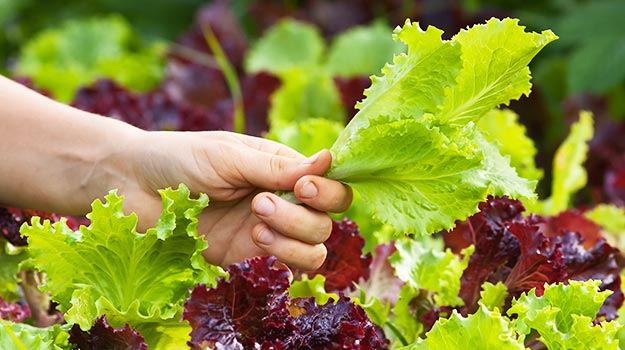
Containers are especially susceptible to heavy rainfall:
- Elevate Pots: Keep containers above ground to prevent pooling.
- Check Drainage Holes: Clear blocked holes to allow excess water to escape.
- Repot if Necessary: For severely waterlogged soil, replace with fresh, well-draining potting mix.
These steps prevent root suffocation and allow rapid recovery.
10. Pest Prevention After Rain
Moist conditions can increase pest activity:
- Snails and Slugs: Wet weather favors these pests; use natural barriers like crushed eggshells or diatomaceous earth.
- Aphids and Whiteflies: Inspect undersides of leaves; introduce natural predators such as ladybugs.
- Keep Beds Clean: Remove debris that attracts pests.
Healthy, pest-free plants recover faster from stress.
11. Mulching and Soil Protection
Mulch stabilizes soil after heavy rain:
- Reduce Erosion: Organic mulch prevents soil from washing away during subsequent rain.
- Regulate Temperature: Mulch prevents sudden temperature shifts that stress roots.
- Maintain Moisture Balance: Mulch helps retain appropriate moisture without waterlogging.
Proper mulching supports recovery and long-term plant health.
12. Pruning for Recovery
Pruning can stimulate new growth after stress:
- Remove Broken or Damaged Stems: Cut at clean angles above healthy tissue.
- Encourage Airflow: Thinning dense clusters prevents disease spread.
- Focus on Rejuvenation: Avoid over-pruning; retain enough foliage for photosynthesis.
Targeted pruning strengthens plants and encourages balanced growth.
13. Monitoring and Follow-Up Care
Recovery is a gradual process:
- Regular Inspection: Watch for yellowing, wilting, or delayed growth.
- Consistent Nutrient Supply: Apply compost or organic liquid fertilizers every 1–2 weeks until recovery is complete.
- Maintain Proper Watering: Allow soil to dry slightly between watering to avoid waterlogging.
- Document Observations: Track plant responses to refine post-rain strategies for future events.
Ongoing care ensures vegetables regain full health and productivity.
14. Long-Term Strategies to Prevent Post-Rain Damage
Preventive measures reduce stress from future heavy rains:
- Raised Beds: Elevate soil to improve drainage.
- Proper Spacing: Avoid overcrowding to reduce water retention around stems.
- Soil Amendments: Incorporate organic matter to enhance water-holding capacity and structure.
- Variety Selection: Choose vegetable varieties that tolerate wet conditions and resist fungal disease.
- Mulching Practices: Maintain consistent mulch coverage to reduce soil erosion and compaction.
Long-term planning protects crops and reduces labor-intensive recovery efforts.
15. Conclusion
Heavy rains are a natural part of gardening, but they can pose significant risks to vegetable health. Immediate assessment, improving drainage, leaf and stem care, nutrient restoration, disease prevention, soil aeration, and careful watering are essential steps to rescue and support vegetables after excessive rainfall.
By adopting proactive strategies—such as mulching, pruning, monitoring, pest management, and proper container care—gardeners can maintain strong, resilient vegetable crops even in wet conditions. Long-term preventive measures, including raised beds, appropriate soil amendments, proper spacing, and selecting tolerant varieties, reduce the impact of heavy rains in the future.
With attentive care and systematic interventions, vegetables can recover quickly from rain-related stress, ensuring continued growth, high yields, and sustainable garden health.