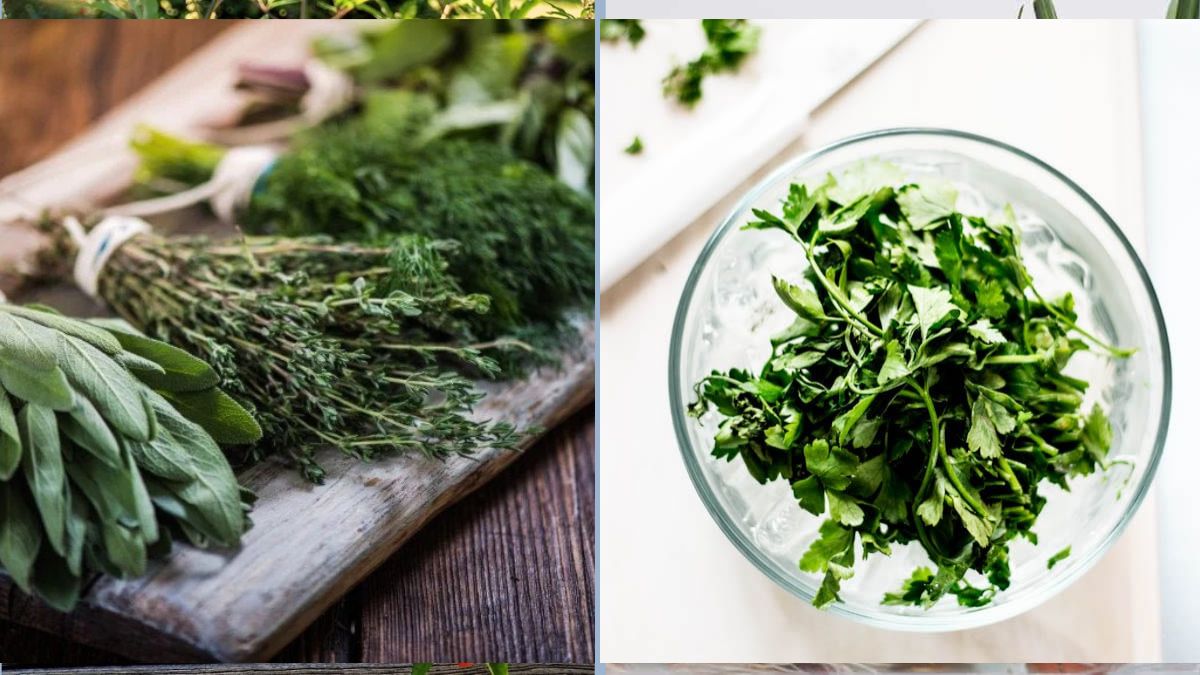
Growing herbs at home, whether in pots or garden beds, offers a fresh supply of flavors and health benefits. However, one of the most common challenges gardeners face is drooping herbs. Wilting or drooping leaves are not always a death sentence for plants; they are often a signal that the herb is under stress. With timely intervention, many drooping herbs can recover quickly. This article provides a detailed, practical guide to diagnosing, treating, and preventing drooping in potted and garden herbs, ensuring healthy, vibrant growth.
1. Understanding Why Herbs Droop
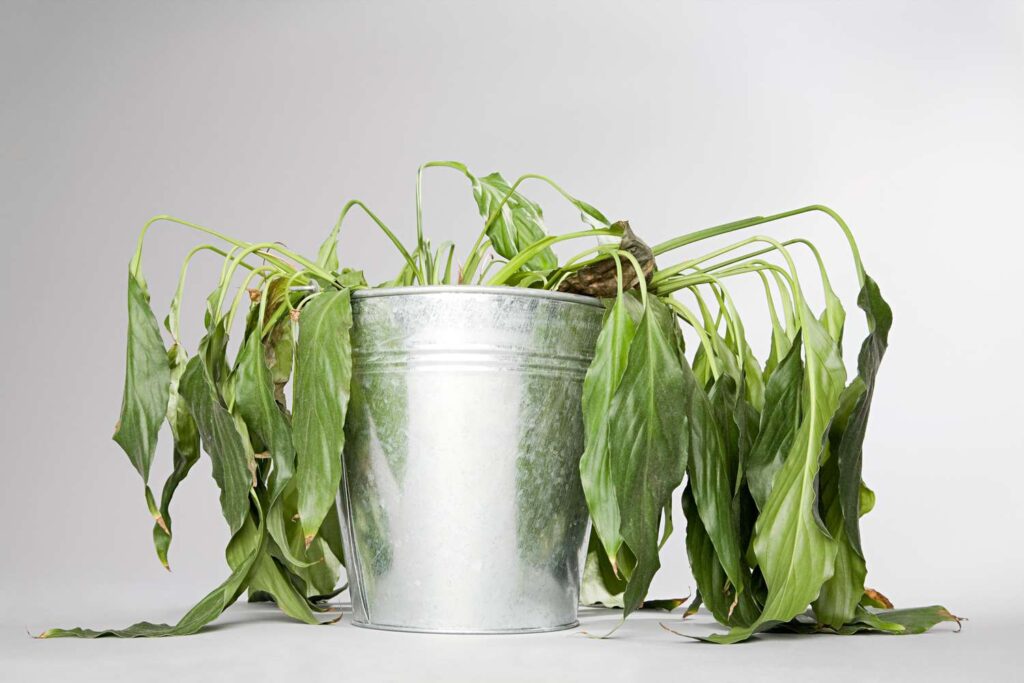
Before reviving drooping herbs, it’s important to identify the underlying cause. Drooping can be triggered by several factors:
- Water Stress: Both underwatering and overwatering can cause leaves to wilt.
- Temperature Stress: Herbs are sensitive to extreme heat or cold. Sudden changes in temperature can shock plants.
- Poor Light Conditions: Insufficient sunlight leads to weak stems and drooping leaves.
- Nutrient Deficiency: Lack of essential nutrients, particularly nitrogen, can reduce leaf turgor.
- Pests or Diseases: Aphids, spider mites, or fungal infections can weaken plants.
- Root Problems: Compacted soil or root rot reduces the plant’s ability to absorb water and nutrients.
Identifying the correct cause is crucial for effective revival.
2. Immediate Actions to Revive Drooping Herbs
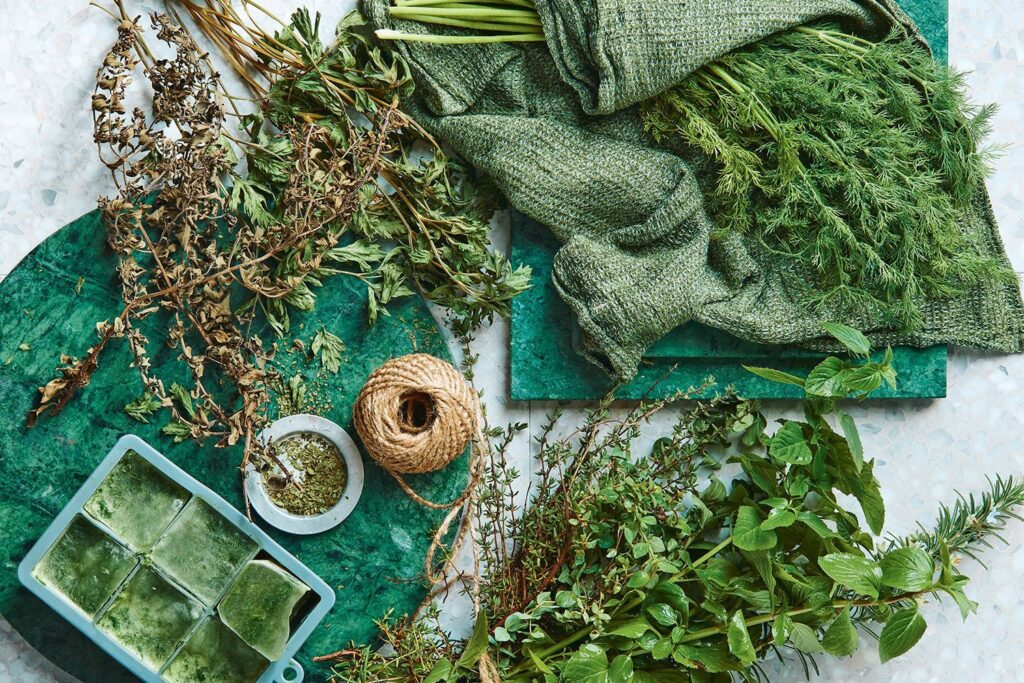
Step 1: Assess Watering Needs
- Check Soil Moisture: Insert your finger 2–3 cm into the soil. If it feels dry, the plant is underwatered. If it’s soggy, overwatering may be the cause.
- Water Accordingly: For underwatered herbs, give a slow, deep watering so that the roots can absorb moisture. For overwatered herbs, reduce watering, improve drainage, and aerate the soil.
Step 2: Inspect for Environmental Stress
- Move potted herbs to a shaded, cooler area if drooping is due to heat.
- Protect garden herbs with shade cloth or temporary covers during heatwaves.
- Avoid sudden exposure to cold drafts for sensitive herbs like basil or mint.
3. Reviving Herbs from Water Stress
a. Underwatered Herbs
- Immediate Hydration: Soak the soil thoroughly until water drains from the pot’s bottom.
- Leaf Mist: Mist leaves lightly to reduce transpiration stress.
- Short-Term Recovery: Place plants in indirect light for a few hours to reduce water loss while roots recover.
b. Overwatered Herbs
- Drain Excess Water: Empty trays or saucers and tilt the pot slightly to remove standing water.
- Loosen Soil: Use a thin stick or chopstick to aerate the top layer without damaging roots.
- Check Roots: Gently lift the herb to inspect roots. Trim any black, mushy, or rotten roots.
- Repotting: Place the herb in fresh, well-draining soil if necessary, ensuring the pot has proper drainage.
4. Adjusting Light and Temperature
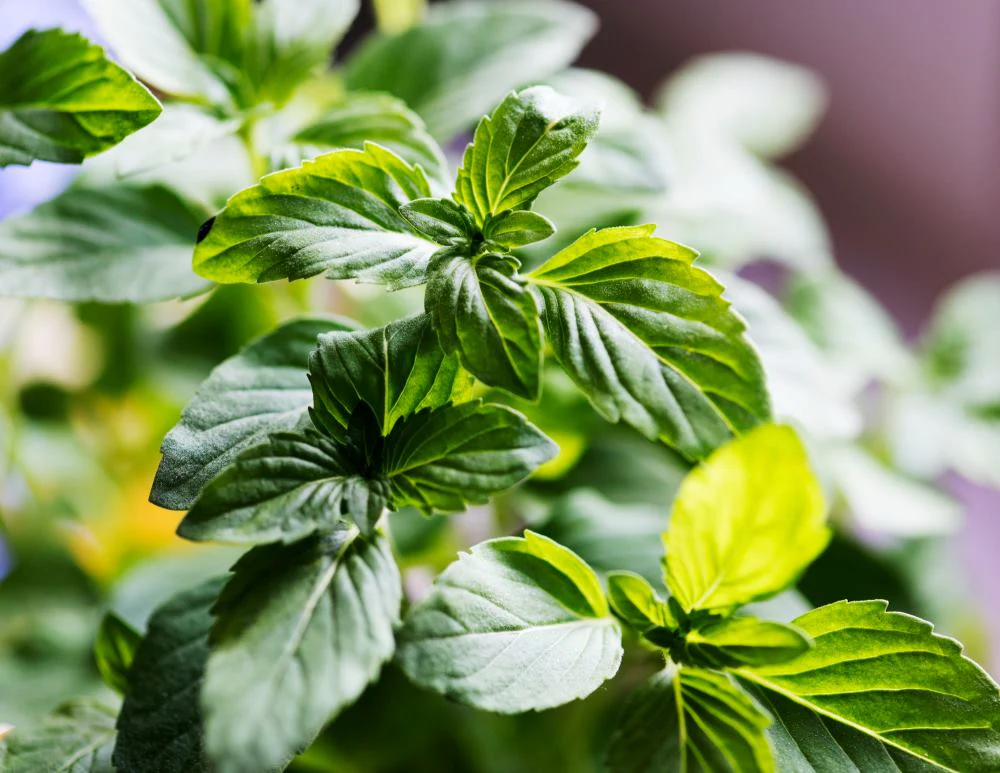
Light and temperature greatly influence herb turgor and overall health.
- Sunlight Requirements: Most herbs like basil, thyme, oregano, and rosemary thrive with at least 4–6 hours of direct sunlight. Insufficient light weakens stems, causing droopiness.
- Temperature Control: Keep heat-sensitive herbs out of direct midday sun. For outdoor herbs in extremely cold conditions, use cloches, frost covers, or move pots indoors temporarily.
5. Nutrient Boost for Recovery
Drooping can indicate nutrient stress. Providing a gentle nutritional boost can quickly restore vigor:
- Organic Fertilizers: Compost, worm castings, or diluted liquid organic fertilizers supply essential nutrients without overloading plants.
- Compost Tea: A mild compost tea sprayed on leaves and soil can promote microbial activity and nutrient absorption.
- Balanced Nutrition: Ensure nitrogen for leafy growth, phosphorus for root development, and potassium for overall plant resilience.
Avoid chemical fertilizers immediately after stress; weak roots may burn with concentrated nutrients.
6. Strengthening Weak Stems
Some herbs droop due to weak or leggy growth. Strengthening stems helps them regain upright posture:
- Support with Stakes: Insert bamboo sticks or small stakes for support until stems regain strength.
- Pinching and Pruning: Remove damaged or excessively long stems. Pinching encourages bushier growth and prevents top-heavy drooping.
- Air Circulation: Gentle airflow strengthens stems and reduces fungal risks. A small fan indoors or spacing plants outdoors can improve resilience.
7. Managing Pests and Diseases
Drooping herbs can also result from pest or disease pressure:
- Common Pests: Aphids, spider mites, and whiteflies weaken leaves, causing them to droop.
- Natural Remedies: Use neem oil, insecticidal soap, or garlic spray to manage infestations safely.
- Fungal Issues: Overwatering or poor airflow can trigger root rot and fungal infections. Treat with cinnamon powder, dilute neem oil, or repot in fresh soil if necessary.
Regular inspection prevents minor problems from escalating into drooping crises.
8. Mulching and Soil Care
Proper soil and mulching improve moisture retention, root health, and temperature moderation:
- Mulch Thinly: Use straw, coconut coir, or shredded leaves around herbs to conserve moisture and moderate soil temperature.
- Avoid Wet Mulches Initially: When reviving drooping herbs, ensure soil surface can dry slightly to avoid fungal growth.
- Aerate Soil Regularly: Lightly loosen topsoil weekly to prevent compaction and improve oxygen availability to roots.
9. Quick Revival Techniques
For a fast revival of drooping herbs, especially in containers:
- Water-Soak Method: Place the entire pot in a shallow container of water for 10–20 minutes, allowing roots to rehydrate fully. Remove excess water afterward.
- Leaf Mist and Humidity: Lightly mist leaves and cover with a temporary transparent dome to create humidity, reducing stress.
- Move Indoors Temporarily: If outdoors herbs are exposed to extreme sun or wind, temporarily relocate them to a protected, well-lit indoor area.
- Fertilizer Boost: Apply a mild organic liquid fertilizer after 24 hours of recovery for faster vigor restoration.
10. Monitoring Recovery
Herbs can take anywhere from a few hours to several days to regain full strength. During this time:
- Observe new leaf emergence. Healthy new growth indicates recovery.
- Check for persistent drooping; if it continues, reassess watering, soil, and pest conditions.
- Avoid drastic interventions during recovery, such as over-pruning or heavy fertilization.
Patience is key, as stressed herbs focus on root recovery before new leaf development.
11. Preventing Future Drooping
Once herbs recover, prevention ensures long-term vitality:
- Consistent Watering: Use the “finger test” or moisture meter to prevent both underwatering and overwatering.
- Proper Containers: Ensure pots have drainage holes and are appropriate for herb size. Terracotta or breathable pots are ideal.
- Sunlight Management: Position herbs based on sunlight preferences. Adjust placement seasonally.
- Soil Quality: Use well-draining soil with organic matter to retain moisture without waterlogging.
- Regular Pruning: Keeps herbs compact, encourages bushy growth, and prevents top-heavy drooping.
12. Best Herbs for Container Gardening
Certain herbs are more resilient to environmental stress:
- Basil: Thrives in sunny, warm conditions, but sensitive to cold and overwatering.
- Mint: Hardy and fast-growing, but prone to spreading aggressively.
- Thyme and Oregano: Tolerant of drought, droop minimally under minor stress.
- Cilantro: Sensitive to heat; prefers moderate temperatures and partial shade.
Choosing resilient varieties can reduce the risk of drooping and simplify maintenance.
13. Signs of Permanent Damage
Not all drooping herbs can recover, especially if neglect or severe root rot occurs:
- Mushy, blackened stems
- Foul-smelling soil
- Persistent wilting despite proper care
- Absence of new growth over weeks
In such cases, propagation from healthy cuttings or seeds may be the best solution.
Conclusion
Drooping herbs are a common challenge, but they can often be revived quickly with careful observation and timely action. Understanding the causes—water stress, temperature, light deficiency, nutrient imbalance, pests, or root issues—is the first step. Immediate measures, including proper watering, soil aeration, pruning, and temporary protection, can restore plant vitality. With preventive care, suitable containers, regular pruning, and proper nutrition, herbs will remain healthy, upright, and productive.
Reviving drooping herbs requires patience, attention, and a gentle touch. By following the strategies outlined above, gardeners can maintain vibrant, flavorful herbs that thrive year-round, making kitchen gardening both successful and enjoyable.