Strawberries are one of the most beloved fruits, cherished for their vibrant color, juicy texture, and natural sweetness. Yet, many gardeners and small-scale farmers face the frustrating problem of strawberries that taste bland, sour, or underdeveloped in sugar content. Sweetness in strawberries is influenced by genetics, environmental conditions, and cultivation practices. Understanding why your strawberries aren’t sweet enough and how to optimize their growth can transform your harvest from average to exceptional. This article provides a comprehensive guide for diagnosing the causes of unsweet strawberries and implementing practical solutions.
1. Understanding Strawberry Sweetness
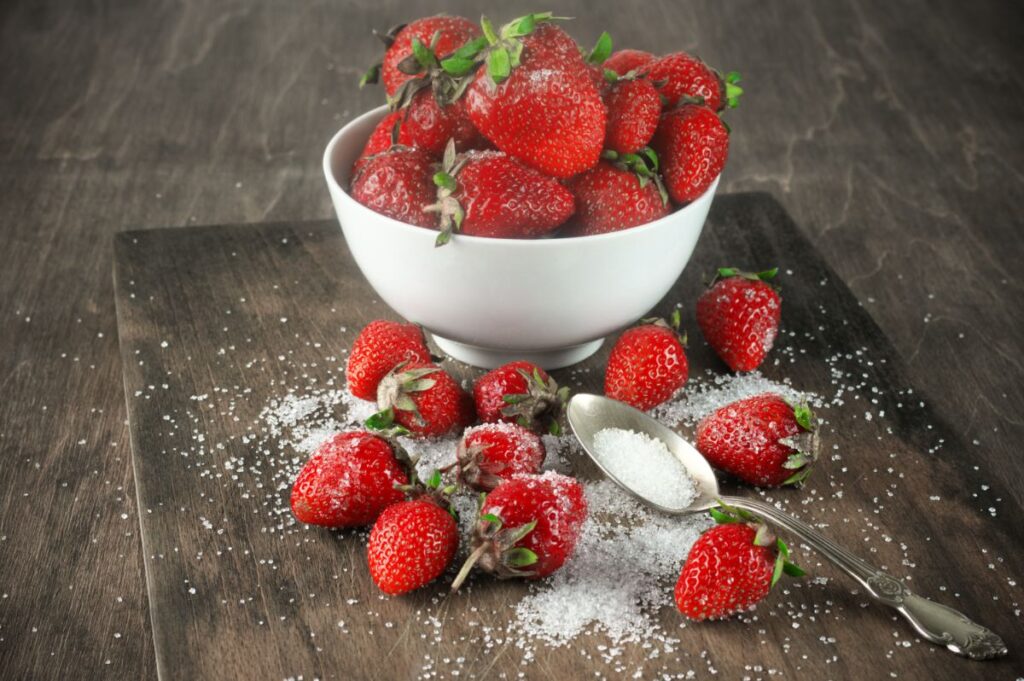
The sweetness of strawberries primarily comes from the accumulation of natural sugars, mainly glucose, fructose, and sucrose, in the fruit. Several factors influence sugar levels:
- Plant genetics: Different strawberry varieties inherently produce sweeter fruits.
- Sunlight exposure: Photosynthesis in leaves produces sugars that are transported to the fruit.
- Temperature: Warm days and cool nights enhance sugar accumulation.
- Soil nutrients: Balanced nutrition, especially adequate potassium, supports sugar synthesis.
- Water management: Overwatering dilutes sugar content, while controlled water stress can concentrate flavors.
Sweetness is not just about sugar; acidity balance, aroma, and texture contribute to perceived flavor.
2. Choosing the Right Variety
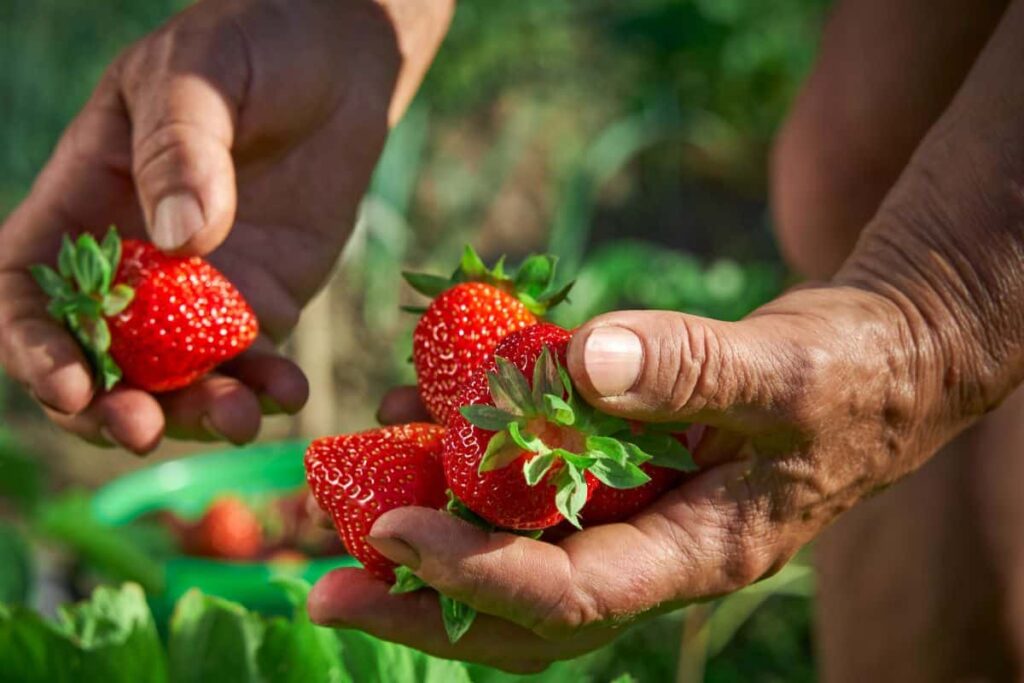
Genetics play a crucial role in strawberry sweetness. Some varieties naturally produce tart fruits, while others are renowned for their rich sugar content. Examples of naturally sweet varieties include:
- ‘Albion’: High sugar content, firm fruit.
- ‘Seascape’: Sweet and aromatic, ideal for warmer climates.
- ‘Mara des Bois’: Known for intense flavor and fragrance.
- ‘Chandler’: Popular for its sweetness and juiciness.
Selecting the right variety suited to your climate is the first step toward consistently sweet strawberries.
3. Sunlight: The Key to Sugar Production
Photosynthesis is critical for producing the sugars that make strawberries sweet:
- Full Sun Requirement: Strawberries need at least 6–8 hours of direct sunlight daily.
- Leaf Health: Healthy, green leaves maximize photosynthesis. Yellowing or damaged leaves reduce sugar production.
- Pruning: Remove old or damaged leaves and runners to ensure light reaches productive parts of the plant.
Without adequate sunlight, even high-sugar varieties will produce bland fruits.
4. Temperature and Climate Factors
Temperature affects sugar synthesis in strawberries:
- Optimal Temperature: Daytime temperatures between 20–25°C and cooler nights promote sugar accumulation.
- Heat Stress: Extreme heat can cause rapid growth and diluted sugars.
- Cool Nights: Cooler temperatures during fruit ripening enhance sugar concentration.
Maintaining an appropriate microclimate, such as using shade cloths during heat waves or row covers during cool nights, can help optimize sweetness.
5. Soil Health and Nutrition
Balanced soil nutrition is critical for sugar production and fruit flavor:
- Potassium (K): Essential for sugar transport from leaves to fruits. Deficiency leads to bland or soft strawberries.
- Nitrogen (N): Necessary for leaf growth, but excess nitrogen can lead to leafy plants with diluted sugars in fruit.
- Phosphorus (P): Supports flowering and fruit development.
- Micronutrients: Magnesium, iron, and zinc play supportive roles in photosynthesis and plant metabolism.
Soil testing and proper fertilization ensure strawberries receive the nutrients needed for optimal sugar content.
6. Water Management and Irrigation
Water directly affects fruit quality:
- Overwatering: Saturated soil reduces sugar concentration in berries, leading to bland taste.
- Underwatering: Mild water stress during fruit development can enhance sugar accumulation but should be carefully managed to avoid stress damage.
- Drip Irrigation: Provides consistent moisture without waterlogging the soil, maintaining optimal sugar levels.
- Mulching: Straw, wood chips, or coir mulch retains moisture and reduces temperature fluctuations while protecting fruit from soil contact.
Proper water management balances fruit juiciness with sweetness concentration.
7. Ripening and Harvest Timing
Sugar content increases as strawberries mature:
- Color Development: Fully red fruits generally contain higher sugar levels. Avoid harvesting fruits that are pale or partially white.
- Time of Day: Harvesting in the morning, when temperatures are cooler, helps preserve sugar concentration.
- Post-Harvest Handling: Store freshly harvested strawberries in cool, ventilated conditions to maintain sweetness and prevent spoilage.
Patience in harvesting at the right ripeness is crucial for peak flavor.
8. Pruning and Runner Management
Strawberries propagate via runners, but excessive runner growth can divert energy from fruit development:
- Remove Excess Runners: Focus energy on flowering and fruiting rather than vegetative propagation.
- Prune Old Leaves: Removing diseased or yellow leaves ensures the plant directs resources to fruit sugar accumulation.
Balanced plant structure improves both fruit size and flavor.
9. Mulching and Soil Temperature
Mulch influences both sweetness and fruit quality:
- Organic Mulches: Straw, grass clippings, or shredded leaves prevent soil moisture loss, moderate soil temperature, and keep berries clean.
- Temperature Regulation: Mulches help maintain soil warmth in cooler climates and prevent overheating in hot conditions.
- Soil Microbiome: Mulching encourages beneficial microbes that enhance nutrient availability, indirectly supporting sugar production.
Maintaining stable soil conditions supports consistent fruit flavor.
10. Pests and Disease Management
Healthy plants produce sweeter fruits:
- Common Pests: Aphids, spider mites, and thrips reduce plant vigor and sugar synthesis.
- Diseases: Powdery mildew, gray mold, and leaf spot can weaken plants and reduce fruit sweetness.
- Organic Control: Use neem oil, insecticidal soaps, or companion planting to manage pests and diseases without harming the fruit.
Early detection and treatment of stressors maintain plant vitality and sweetness.
11. Companion Planting for Flavor Enhancement
Certain companion plants can indirectly improve strawberry sweetness:
- Legumes: Improve soil nitrogen levels without overfertilizing, enhancing plant health.
- Basil and Borage: Attract pollinators, improving flower fertilization and fruit development.
- Chives and Onions: Repel certain pests that could otherwise stress strawberry plants.
Companion planting supports optimal growing conditions for sweeter fruits.
12. Environmental Stress and Fruit Quality
Environmental stress can concentrate or dilute sugars:
- Mild Water Stress: Controlled water deficit during fruit ripening can enhance sugar content.
- Excessive Rainfall: Dilutes sugars and promotes fungal disease. Cover crops, raised beds, or temporary rain shelters help manage excess moisture.
- Wind Exposure: Excessive wind can cause leaf damage, reducing photosynthesis and sugar production. Windbreaks protect plants and improve fruit quality.
Managing environmental stressors supports optimal sweetness.
13. Monitoring and Adjusting Cultivation Practices
Consistent observation and fine-tuning practices ensure sweet strawberries:
- Record Keeping: Track watering schedules, fertilization, and harvest timing.
- Adjust Fertilization: Based on soil tests and plant response.
- Pruning and Runner Management: Done regularly to optimize energy allocation.
- Sunlight Management: Reposition pots or trim neighboring plants to maximize light exposure.
Continuous monitoring improves outcomes season after season.
14. Post-Harvest Sweetness Preservation
Even after harvest, strawberries’ perceived sweetness can be maintained:
- Cool Storage: Refrigerate immediately to slow sugar degradation.
- Minimal Handling: Gentle handling prevents bruising and moisture loss, which can affect flavor.
- Short Storage Duration: Strawberries taste best when consumed within 1–2 days of harvest for maximum sweetness.
Proper post-harvest care preserves the fruits’ natural sugars and aroma.
15. Conclusion
Unsweet strawberries are rarely the result of a single factor. Genetics, sunlight, temperature, soil fertility, water management, pruning, pest control, and harvest timing all contribute to sugar accumulation and flavor. By understanding the factors that influence sweetness and implementing strategic cultivation practices, gardeners can produce strawberries that are juicy, aromatic, and naturally sweet.
Choosing the right variety, maintaining healthy leaves for photosynthesis, balancing water and nutrients, and carefully timing harvests are key steps to achieving optimal flavor. With attention to detail and consistent care, it is possible to transform bland, underwhelming strawberries into succulent fruits bursting with sweetness and aroma.
By applying these practices systematically, home gardeners and small-scale growers can enjoy a bountiful harvest of strawberries that delight both the palate and the garden.