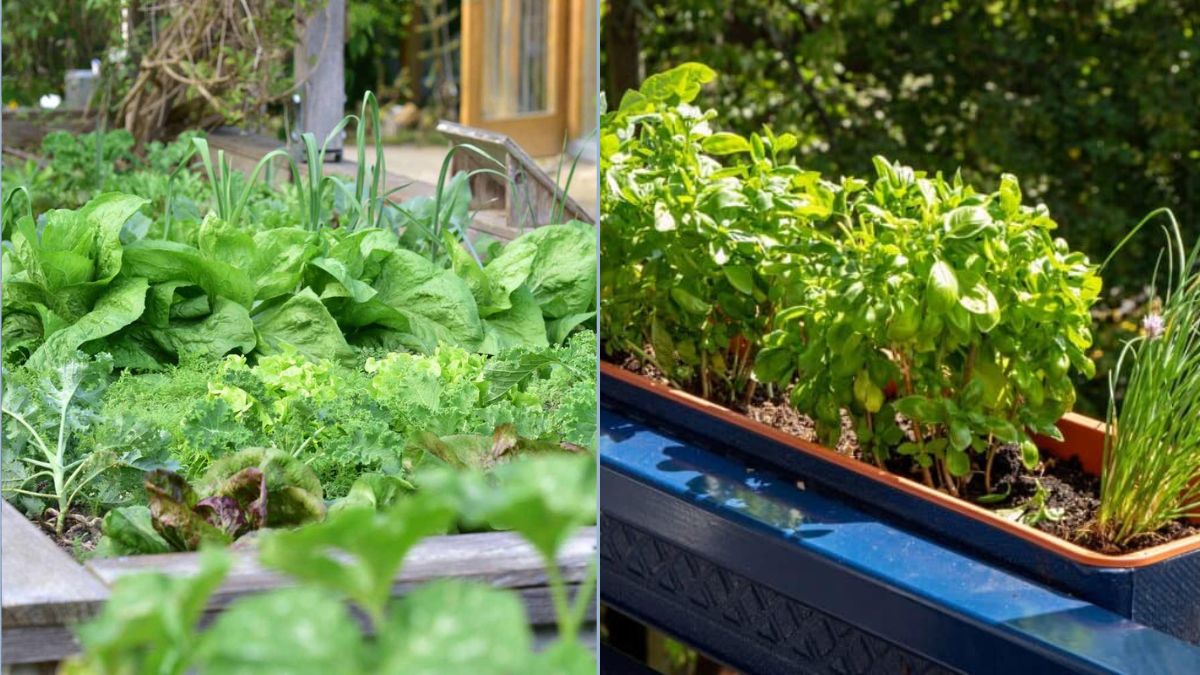
Integrating herbs into vegetable gardens is an effective method to enhance biodiversity, improve soil health, repel pests naturally, and boost overall productivity. Companion planting of herbs with vegetables supports sustainable gardening practices, making it suitable for both urban and rural settings. This article provides a comprehensive guide on growing herbs alongside vegetables, covering plant selection, garden design, soil and nutrient management, pest control, and harvesting strategies.
1. Introduction
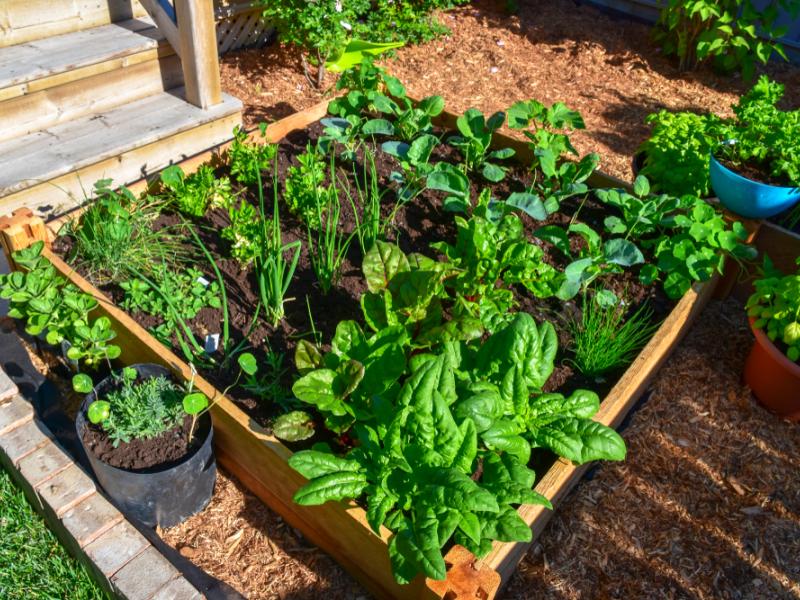
Herbs (Ocimum basilicum, Mentha spp., Thymus spp., among others) are aromatic plants valued for their culinary, medicinal, and ecological benefits. When planted alongside vegetables, herbs can serve multiple purposes: improving flavor, attracting pollinators, deterring pests, and enhancing soil fertility. Companion planting harnesses natural interactions between plants to create a balanced ecosystem, reducing reliance on chemical fertilizers and pesticides. This practice is particularly valuable for small-scale gardeners, urban farms, and educational or research-oriented gardens where space efficiency and sustainability are priorities.
2. Benefits of Growing Herbs Alongside Vegetables
a. Pest and Disease Management
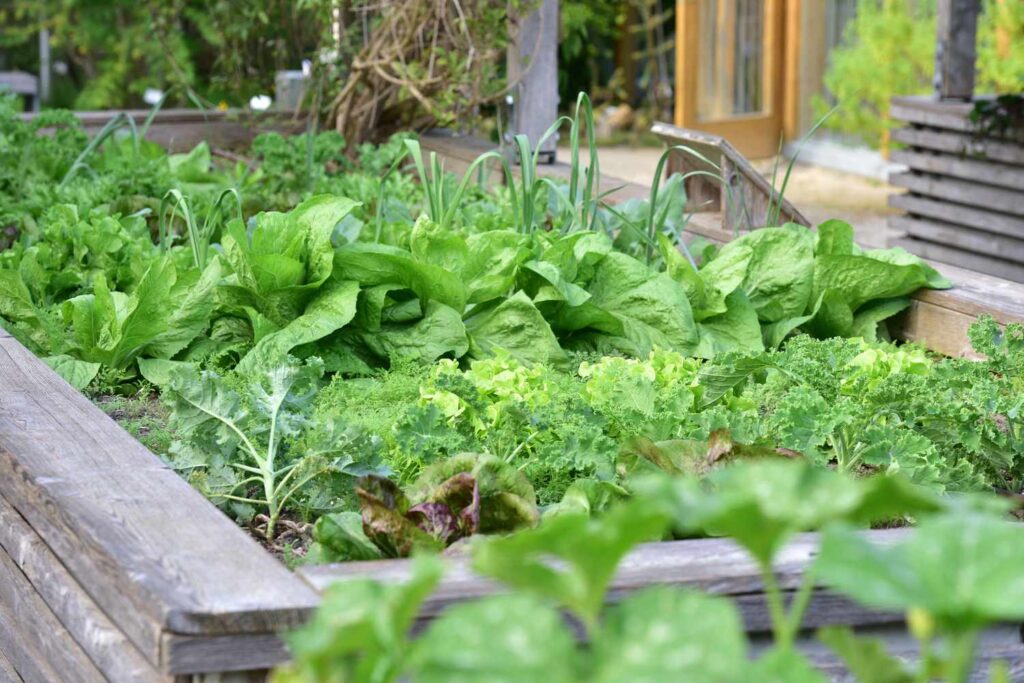
Certain herbs release volatile compounds that repel pests or mask the scent of nearby vegetables. For example:
- Basil repels aphids, tomato hornworms, and whiteflies.
- Rosemary deters cabbage moths.
- Mint discourages ants and flea beetles.
b. Enhanced Pollination
Flowering herbs attract beneficial insects, including bees and hoverflies, which improve pollination rates for fruiting vegetables such as tomatoes, peppers, and cucumbers.
c. Soil Health Improvement
Herbs can improve soil structure, add organic matter, and support beneficial soil microbes, enhancing nutrient cycling for vegetable crops.
d. Space Optimization
Planting herbs between or around vegetables maximizes garden productivity, especially in raised beds, containers, or small plots.
e. Culinary and Nutritional Advantages
Freshly harvested herbs enhance the flavor and nutritional quality of vegetables, providing an integrated approach to food production.
3. Selecting Herbs for Companion Planting
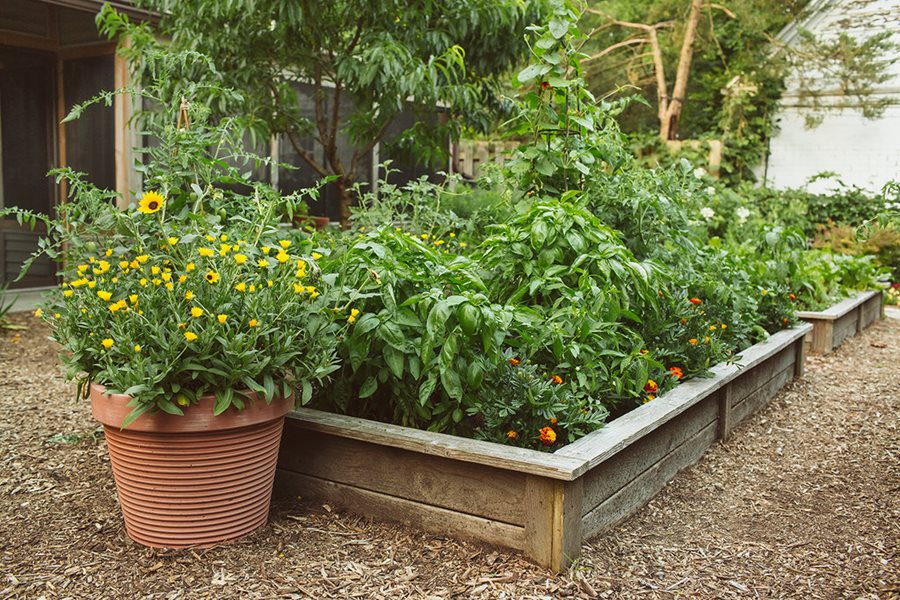
Herb selection depends on compatibility with specific vegetables, growth habit, and climate. Recommended herbs for companion planting include:
- Basil – Excellent companion for tomatoes, peppers, and eggplants. Improves flavor and reduces pest infestation.
- Chives – Repels aphids and improves growth of carrots, tomatoes, and roses.
- Cilantro/Coriander – Attracts beneficial insects, enhances growth of spinach and beans.
- Dill – Supports cabbage, onions, and cucumbers; attracts predatory insects like ladybugs.
- Mint – Controls ants and flea beetles; best grown in containers due to invasive growth.
- Rosemary and Thyme – Deter cabbage pests and enhance soil health.
- Parsley – Attracts predatory insects; compatible with onions, tomatoes, and peppers.
Selecting herbs with different growth habits (upright, trailing, bushy) ensures efficient space utilization and reduces competition with vegetables.
4. Planning Your Herb-Vegetable Garden
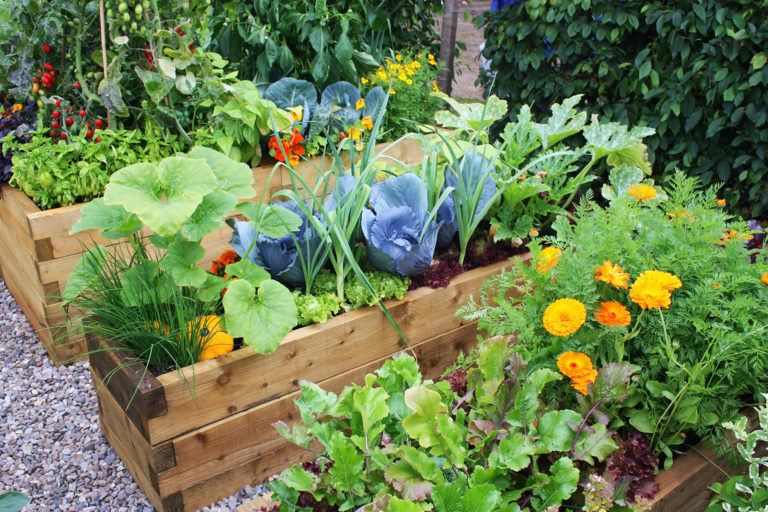
a. Garden Design
- Integrate herbs between rows or around the perimeter of vegetable beds.
- Use vertical planters, hanging baskets, or tiered beds to maximize space.
- Group plants based on water and light requirements to simplify care.
b. Companion Compatibility
- Avoid planting herbs that compete aggressively with vegetables for nutrients and water, such as mint, unless contained.
- Place herbs with similar soil and sun requirements near each other for optimal growth.
c. Succession and Intercropping
- Plant fast-growing herbs alongside slower-growing vegetables for staggered harvests.
- Intercrop herbs like basil, cilantro, and dill between lettuce, spinach, or radish for efficient space use.
5. Soil Preparation and Nutrient Management
Herbs and vegetables thrive in fertile, well-draining soil.
a. Soil Composition
- Loamy soil with organic matter (compost or well-aged manure)
- Adequate drainage to prevent root rot
- Incorporate perlite or sand for improved aeration in compact soils
b. Fertilization
- Use balanced organic fertilizers to support both herbs and vegetables
- Apply liquid compost tea or seaweed extract during the growing season
- Monitor nutrient levels to avoid over-fertilization, which can reduce flavor intensity in herbs
c. Soil pH
- Most herbs and vegetables prefer slightly acidic to neutral soil (pH 6.0–7.0)
- Regular testing ensures optimal nutrient availability
6. Planting Techniques for Herbs and Vegetables
a. Direct Sowing
- Sow small herbs like basil, cilantro, and parsley directly between vegetable rows.
- Thin seedlings to prevent overcrowding and maintain airflow.
b. Transplanting
- Start slow-growing herbs like rosemary, thyme, and oregano in pots or trays before transplanting.
- Space plants to accommodate mature size and growth habit.
c. Container Integration
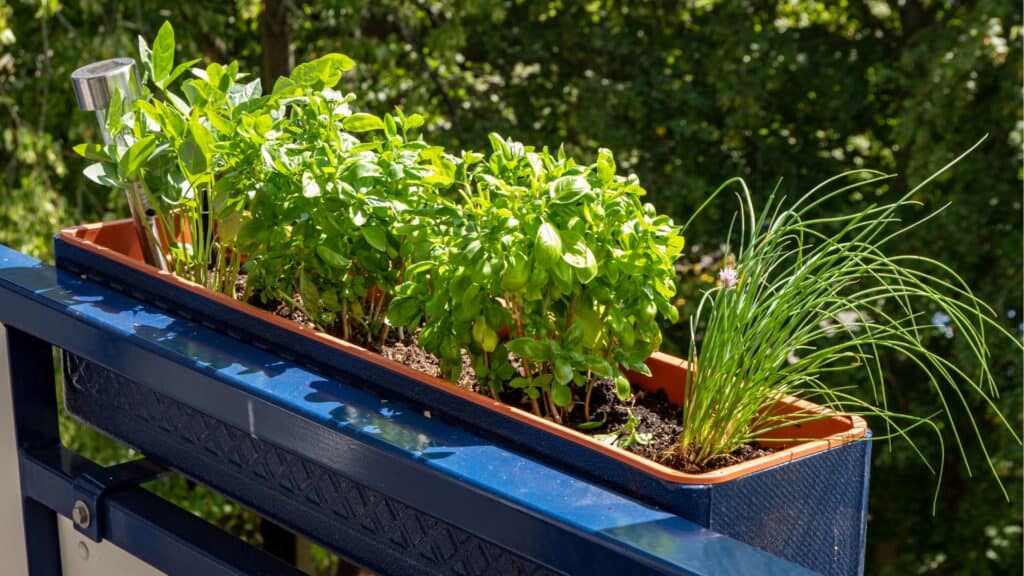
- Plant invasive herbs like mint or oregano in separate pots placed within or near vegetable beds.
- Allows herbs to thrive without overtaking vegetable space.
7. Light and Water Requirements
a. Sunlight
- Most herbs require 6–8 hours of sunlight per day, similar to many vegetable crops.
- Group plants according to sun exposure to optimize photosynthesis.
b. Watering
- Maintain consistent soil moisture, especially during germination and early growth.
- Avoid overhead watering for herbs prone to fungal diseases.
- Mulching around plants retains moisture and reduces evaporation.
8. Pest and Disease Management
a. Integrated Pest Management
- Use natural repellents from herbs to control pests organically.
- Encourage beneficial insects attracted by flowering herbs.
- Rotate companion planting arrangements annually to reduce disease build-up.
b. Non-Toxic Measures
- Remove damaged or diseased leaves promptly.
- Apply neem oil, insecticidal soap, or companion plant extracts if pest pressure increases.
- Maintain proper spacing and airflow to prevent fungal infections.
9. Harvesting Herbs Alongside Vegetables
a. Timing
- Harvest herbs in the morning for maximum flavor and essential oil content.
- Regular harvesting promotes bushier growth and prevents flowering in leafy herbs.
b. Techniques
- Snip outer leaves first to encourage continuous growth.
- For woody herbs, prune selectively to maintain plant health.
- Coordinate harvesting with vegetable crops for integrated meal preparation.
10. Maximizing Yield and Productivity
a. Intercropping Strategies
- Combine slow-growing vegetables with fast-growing herbs to maximize bed productivity.
- Alternate rows of herbs and vegetables to optimize pollination and pest control benefits.
b. Vertical and Tiered Systems
- Grow trailing herbs like thyme and oregano in elevated positions.
- Use vertical cages or trellises for climbing vegetables like beans or peas.
c. Succession Planting
- Sow new herbs every few weeks to ensure continuous harvest.
- Replace harvested vegetables with quick-growing leafy greens to maintain productivity.
11. Sustainability Considerations
Growing herbs alongside vegetables supports sustainable gardening practices:
- Reduces reliance on chemical pesticides and fertilizers.
- Enhances biodiversity in small-scale and urban gardens.
- Promotes efficient use of water, nutrients, and space.
- Supports educational initiatives and urban agriculture research.
Using organic compost, recycled containers, and natural pest control methods further enhances environmental sustainability.
12. Challenges and Solutions
- Space competition: Use containers or vertical systems for invasive herbs.
- Watering requirements: Group plants with similar moisture needs.
- Pest pressure: Leverage herb-based repellents and beneficial insects.
- Nutrient depletion: Apply organic fertilizers periodically and rotate crops annually.
Addressing these challenges ensures a thriving, balanced herb-vegetable garden.
13. Conclusion
Growing herbs alongside vegetables offers multiple ecological, nutritional, and practical benefits. Companion planting enhances pest control, supports pollination, improves soil health, and maximizes productivity in small or urban garden spaces. By carefully selecting compatible herb and vegetable varieties, optimizing planting arrangements, and maintaining proper soil, light, and water conditions, gardeners can achieve abundant, high-quality harvests.
Integrating herbs with vegetables not only improves yield and flavor but also contributes to sustainable gardening practices. With careful management, continuous succession planting, and attention to plant health, herb-vegetable gardens can provide a reliable, nutrient-rich, and environmentally responsible food source throughout the growing season.