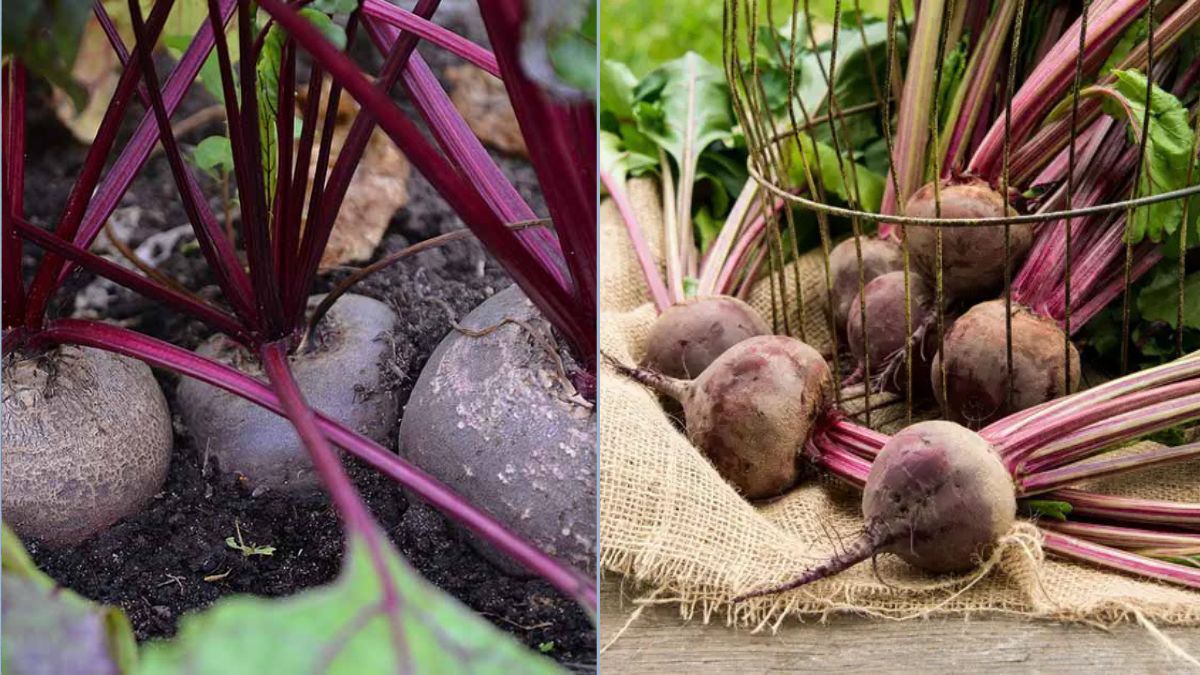
Beets (Beta vulgaris) are nutrient-dense root vegetables prized for their vibrant color, sweet flavor, and health-promoting properties. Traditionally grown in garden beds, beets can also thrive in indoor containers with proper care and management. Container cultivation allows gardeners to grow fresh, nutritious beets year-round, even in limited spaces such as apartments, balconies, or small indoor gardens. This article provides a comprehensive guide to planting and growing beets in small indoor containers, focusing on variety selection, container choice, soil preparation, planting techniques, care, and harvesting.
1. Introduction
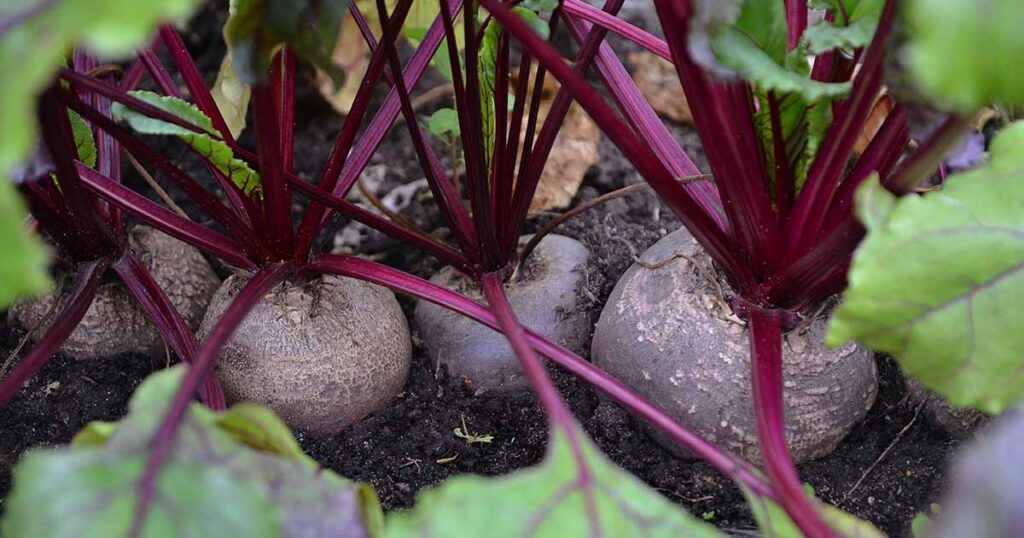
Indoor container gardening offers a controlled environment that allows for precise management of soil, water, light, and nutrients. Growing beets indoors is particularly valuable for urban gardeners, researchers, and students interested in studying rapid crop growth, root development, and sustainable agriculture practices. With careful planning, beets can be grown efficiently in compact containers, producing high-quality roots and edible greens within a few weeks.
Beets are not only valued for their roots but also for their leafy greens, which are rich in vitamins, minerals, and antioxidants. Fast-growing varieties and proper container management make indoor beet cultivation highly productive and space-efficient.
2. Benefits of Growing Beets in Indoor Containers
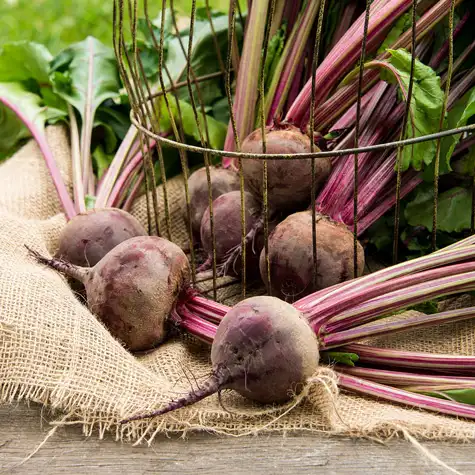
a. Space Efficiency
Indoor containers allow beets to be grown in confined spaces, making them ideal for apartments, small kitchens, and research setups.
b. Controlled Growth Conditions
Containers enable precise control over soil quality, moisture levels, and temperature, resulting in consistent growth and high-quality roots.
c. Pest and Disease Management
Growing beets indoors reduces exposure to common soil-borne pests and diseases, minimizing the need for chemical interventions.
d. Year-Round Production
Indoor conditions make it possible to harvest beets throughout the year, providing continuous access to fresh, nutrient-rich food.
e. Educational and Research Value
Small-scale indoor beet cultivation supports studies in plant growth, soil fertility, and sustainable urban agriculture practices.
3. Selecting the Right Beet Varieties
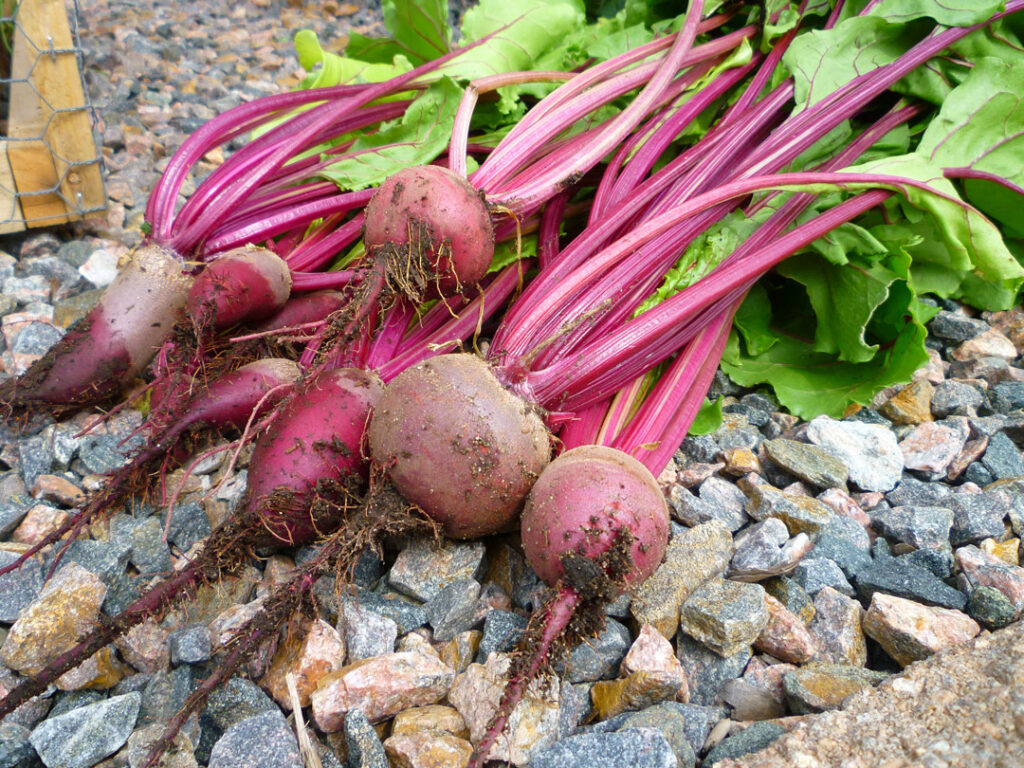
Choosing the appropriate variety is crucial for container cultivation, especially in limited indoor spaces. Recommended varieties include:
- ‘Detroit Dark Red’ – Compact, early-maturing, and produces tender roots and greens.
- ‘Golden’ – Yellow-fleshed variety with a mild flavor and fast growth.
- ‘Chioggia’ – Striped pink and white roots, ideal for small containers.
- ‘Boltardy’ – Resistant to premature bolting and suitable for succession planting.
- ‘Baby Beat’ – Produces small, tender roots quickly, ideal for immediate harvest.
Selecting varieties with smaller root sizes ensures they thrive in shallow containers while still providing edible greens.
4. Container Selection for Indoor Beets
The success of indoor beet cultivation depends heavily on the choice of container.
a. Container Size
- Minimum depth: 8–12 inches to accommodate root growth
- Diameter: 6–12 inches per plant for optimal spacing
- Small, shallow trays can be used for microgreens or baby beet leaves
b. Material
- Plastic pots – Lightweight, retain moisture well, easy to move
- Fabric grow bags – Provide excellent aeration and drainage
- Ceramic or clay pots – Good for temperature regulation but heavier
c. Drainage
- Ensure containers have sufficient drainage holes to prevent waterlogging
- Add a layer of gravel or small stones at the bottom to improve drainage
5. Soil Preparation
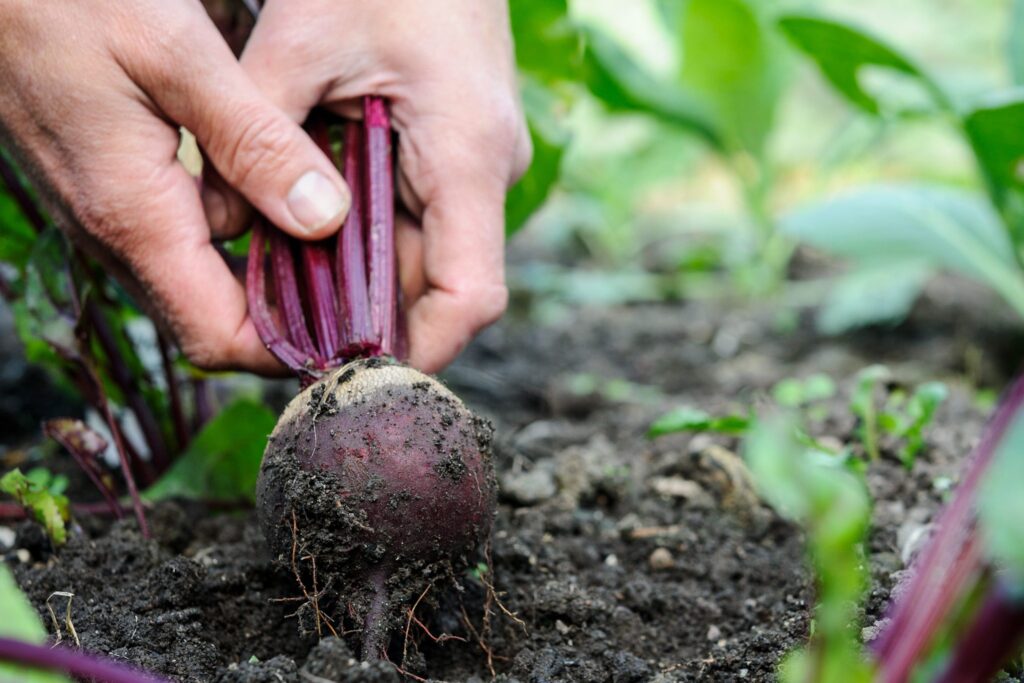
Healthy soil is essential for fast-growing, high-quality beets.
a. Soil Composition
- 40% organic compost
- 40% loamy soil
- 20% perlite or vermiculite for aeration and drainage
b. Soil pH
- Optimal pH: 6.0–7.0
- Regular soil testing ensures nutrient availability and prevents deficiencies
c. Fertility
- Pre-planting: Mix balanced organic fertilizer into the soil
- During growth: Supplement with compost tea or liquid seaweed extract
- Avoid excessive nitrogen, which promotes leafy growth at the expense of root development
6. Planting Beets in Containers
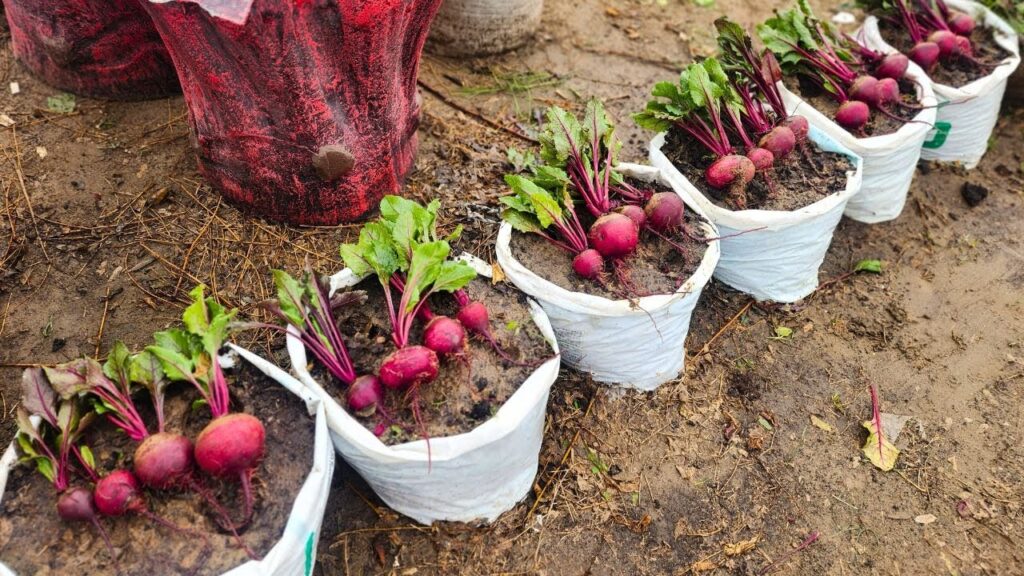
a. Seed Sowing
- Sow seeds ½ inch deep in the container
- Space seeds 2–3 inches apart to prevent overcrowding
- Thin seedlings once they reach 2–3 inches tall to maintain spacing
b. Seedling Care
- Keep soil consistently moist until germination, typically 7–14 days
- Provide gentle light to encourage strong growth
c. Container Density
- Plant compact varieties to maximize yield in small indoor containers
- Consider succession planting to maintain continuous harvest
7. Light and Temperature Requirements
a. Light
- Beets require 6–8 hours of bright light daily
- Use full-spectrum LED grow lights indoors for 12–14 hours if natural sunlight is limited
- Rotate containers to ensure uniform light distribution
b. Temperature
- Optimal growth: 50–75°F (10–24°C)
- Avoid temperatures above 80°F (27°C), which may cause bolting
- Maintain stable indoor temperature for consistent root development
8. Watering and Moisture Management
- Keep soil evenly moist but not waterlogged
- Water at the base to prevent fungal diseases on leaves
- Use mulch such as straw or coco coir to retain moisture and regulate soil temperature
Consistent watering promotes rapid germination and uniform root growth.
9. Nutrient Management During Growth
- Apply liquid organic fertilizer every 2–3 weeks to support leafy and root development
- Ensure adequate phosphorus and potassium for root formation
- Monitor plant health to adjust fertilization and prevent nutrient deficiencies
10. Pest and Disease Management (Non-Toxic Methods)
Even indoor beet containers may experience pest or disease issues:
Common Pests
- Aphids
- Leaf miners
- Fungus gnats
Preventive Measures
- Inspect leaves regularly and remove affected foliage
- Use neem oil or mild insecticidal soap if pests appear
- Avoid overhead watering to reduce fungal infection risks
Disease Prevention
- Ensure proper airflow around containers
- Rotate soil or sterilize containers between planting cycles
11. Harvesting Beets from Containers
a. Timing
- Baby beets: Harvest 3–4 weeks after sowing
- Mature roots: Harvest 6–8 weeks after sowing, depending on variety
b. Technique
- Gently loosen soil around the root and pull upward
- Harvest outer leaves first to encourage continued leaf production
- Frequent harvesting promotes new growth and maintains plant vigor
12. Maximizing Yield in Small Containers
To achieve optimal productivity:
- Use compact, fast-growing varieties
- Practice succession planting for continuous harvest
- Maintain consistent light, water, and nutrient supply
- Thin seedlings to prevent overcrowding and ensure uniform root growth
- Consider vertical arrangements or multi-level shelving for multiple containers
13. Sustainability Considerations
Growing beets in indoor containers aligns with sustainable gardening practices:
- Reduces land and water use
- Encourages organic fertilization and minimal chemical input
- Supports urban agriculture and year-round food production
- Reusable containers and organic substrates enhance environmental sustainability
14. Challenges and Solutions
- Limited space: Use compact varieties and optimize container arrangements
- Overwatering or underwatering: Monitor soil moisture closely and use mulch
- Light limitations: Use LED grow lights or position containers near sunny windows
- Nutrient deficiencies: Apply organic fertilizers periodically and rotate soil
Addressing these challenges ensures consistent growth and high-quality harvests.
15. Conclusion
Growing beets in small indoor containers is a practical and efficient way to produce fresh, nutritious roots and leafy greens year-round. By selecting appropriate varieties, preparing fertile soil, providing adequate light, water, and nutrients, and using non-toxic pest management strategies, gardeners can achieve consistent, high-quality yields in limited spaces. Indoor container cultivation maximizes space efficiency, supports sustainable gardening practices, and offers opportunities for research and education.
With careful attention to planting, care, and harvesting, even small indoor containers can provide abundant, healthy beets, demonstrating that indoor root vegetable gardening can be both productive and environmentally responsible.