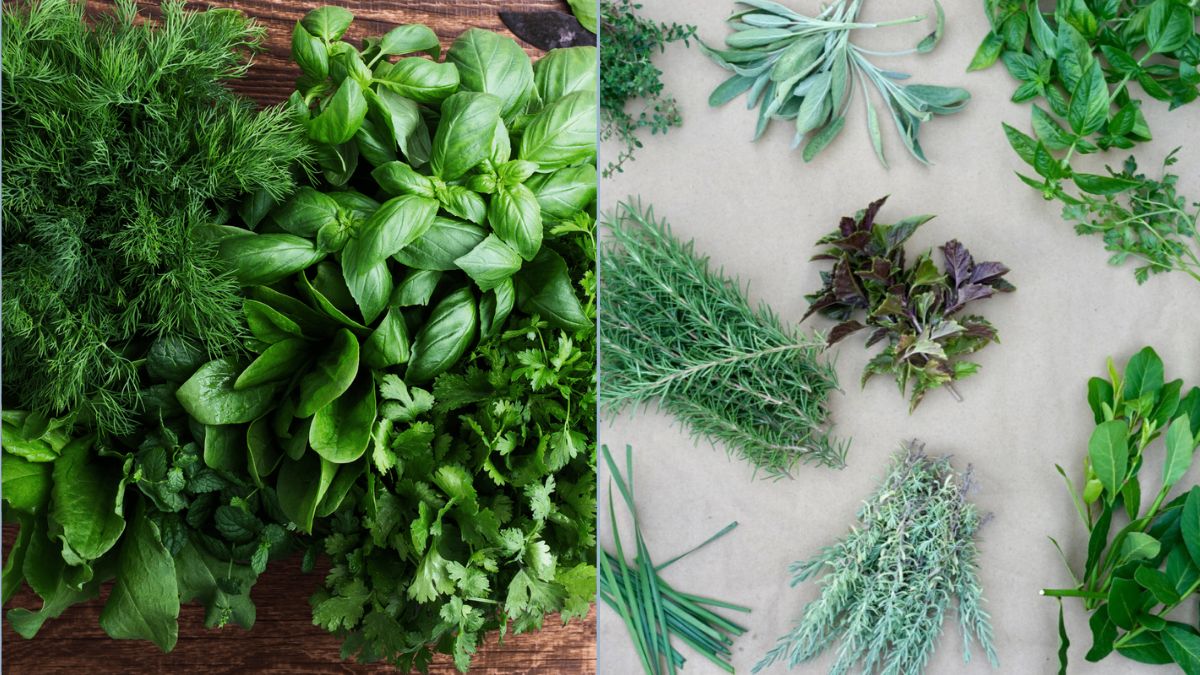
Fresh herbs add an incredible burst of flavor, color, and aroma to any dish. Whether it’s the refreshing scent of mint, the earthy essence of basil, or the subtle sweetness of cilantro, herbs can transform ordinary meals into delightful culinary experiences. However, one common frustration among home cooks and food enthusiasts is how quickly these delicate greens wilt and lose their vibrancy. Fortunately, with the right storage techniques and a few practical habits, you can extend the life of your herbs significantly — all without any non-vegetarian ingredients or methods.
Below are five simple, effective, and eco-friendly ways to keep your herbs fresh longer.
1. Treat Your Herbs Like Fresh Flowers
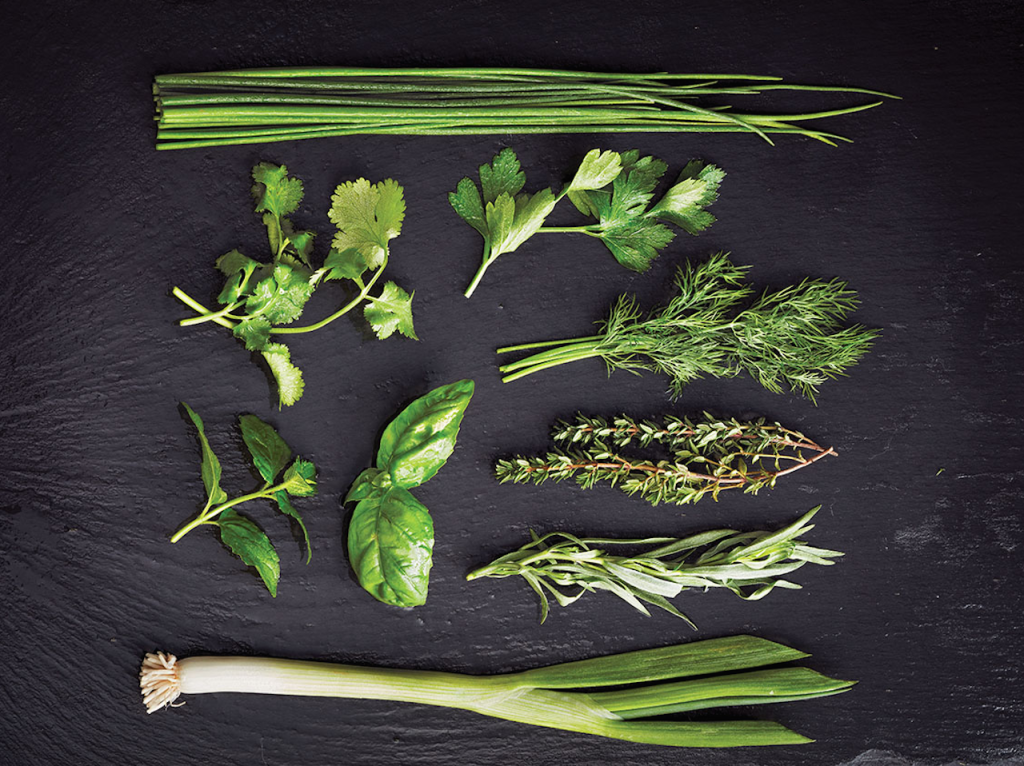
Most tender herbs — such as parsley, cilantro, dill, and basil — thrive when treated much like a bouquet of flowers. The key is to keep their stems hydrated while maintaining airflow around the leaves.
How to Do It
- Trim the Stems:
Cut about half an inch off the ends of the stems. This allows them to absorb water more effectively. - Place in a Jar or Glass of Water:
Fill a glass or jar with about two inches of clean, cool water. Insert the herb stems, ensuring only the lower ends are submerged. - Cover and Refrigerate:
For most herbs like parsley, cilantro, or mint, loosely cover the top with a plastic or reusable silicone bag, then place the jar in the refrigerator. Change the water every two to three days to prevent bacterial growth. - Special Case – Basil:
Basil is sensitive to cold and can turn black in the refrigerator. Keep it on your kitchen counter instead, in a jar of water at room temperature, out of direct sunlight.
Why It Works
This method mimics the natural environment herbs thrive in — with access to moisture and air. By maintaining water at the stems and avoiding moisture buildup on the leaves, you reduce the chances of wilting and mold. Properly stored this way, most herbs can stay fresh for up to two weeks.
2. Wrap in Damp Paper Towels
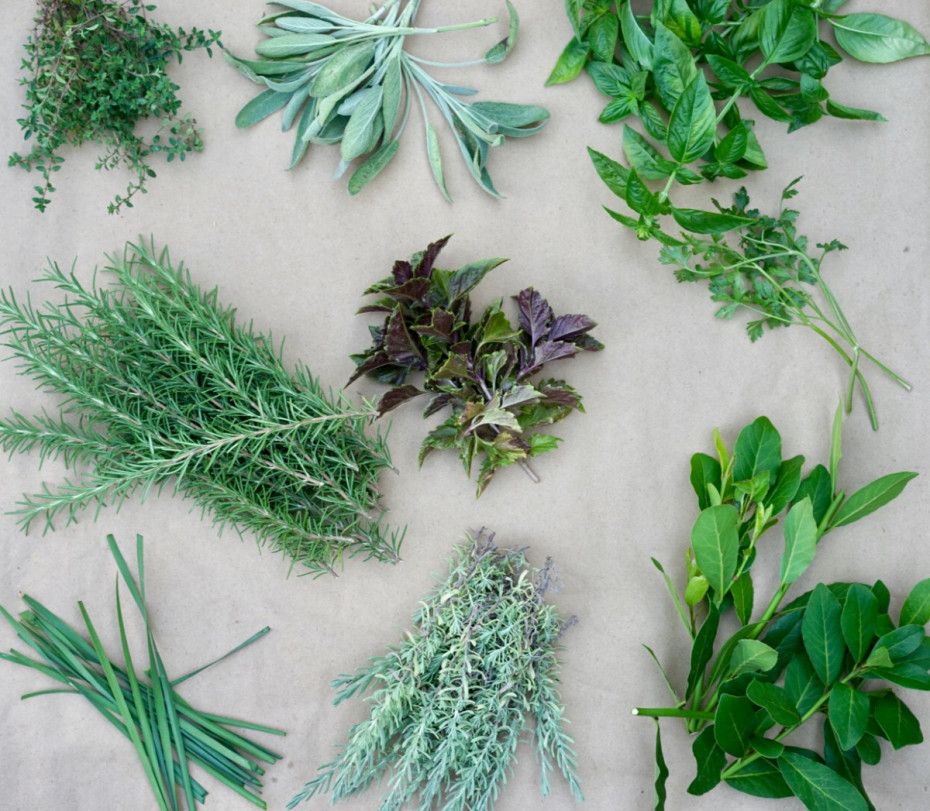
For sturdier herbs like rosemary, thyme, sage, and oregano, the paper towel method works wonders. Unlike soft-stemmed herbs, these have woody stems that retain moisture better, so they need less direct hydration.
How to Do It
- Rinse and Dry:
Gently rinse the herbs to remove dirt, then pat them dry completely using a clean towel. - Wrap in a Damp Paper Towel:
Place the herbs in a slightly damp (not wet) paper towel. This keeps them moist without creating a soggy environment. - Store in a Resealable Bag or Container:
Place the wrapped herbs in an airtight container or zip-lock bag, then store them in the refrigerator’s crisper drawer.
Why It Works
The damp paper towel maintains a microclimate of moisture, which prevents the herbs from drying out. The container shields them from excess air, slowing down oxidation. Using this technique, hardy herbs often remain fragrant and green for up to three weeks.
3. Freeze for Long-Term Freshness
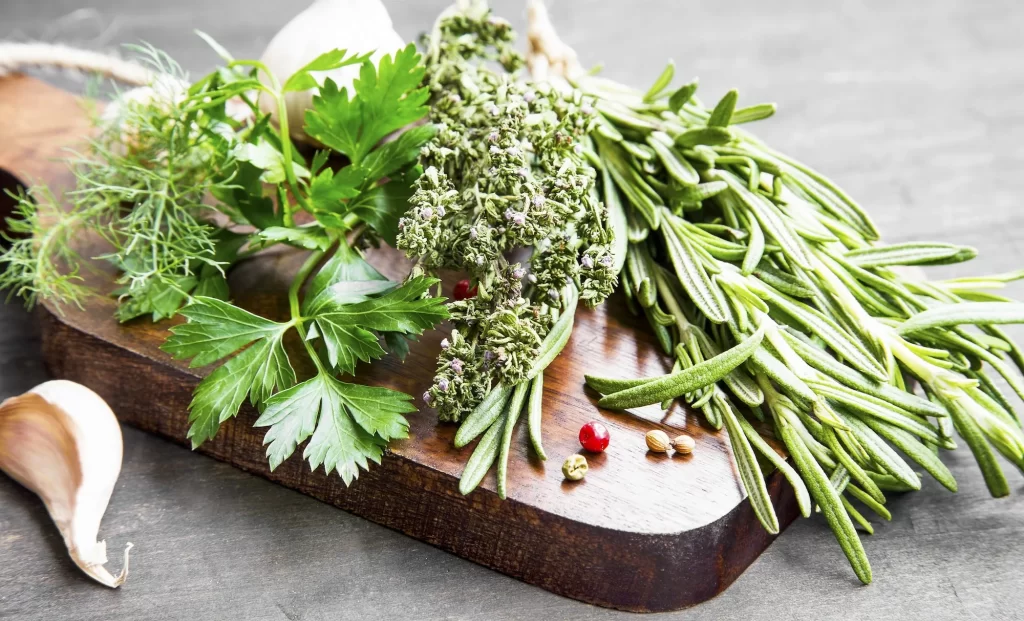
Freezing is ideal when you have more herbs than you can use right away. It locks in flavor and color while halting decay, making it one of the best long-term storage options.
How to Do It
Option 1: Freeze Whole Leaves
- Wash and dry the herbs thoroughly.
- Spread them out on a baking tray in a single layer.
- Freeze for about an hour, then transfer them to an airtight freezer bag or container.
Option 2: Freeze in Ice Cubes (Great for Cooking)
- Chop herbs finely and place them into ice cube trays.
- Fill the trays with water or olive oil, covering the herbs completely.
- Once frozen, transfer the cubes to a freezer bag.
When cooking soups, stews, or sauces, simply toss a cube into the pot — no defrosting needed.
Why It Works
Freezing prevents enzymatic breakdown, preserving the herbs’ essential oils and flavors. While the texture may soften upon thawing, the taste remains potent, making frozen herbs perfect for cooked dishes.
4. Dehydrate or Air-Dry Herbs
Drying herbs is an ancient method that extends their usability for months. While the texture changes completely, the flavor concentrates, giving you powerful seasoning options for soups, teas, and dressings.
How to Do It
Air-Drying:
- Gather small bundles of herbs (about 4–6 stems each).
- Tie them with a string and hang them upside down in a dry, well-ventilated space away from sunlight.
- Allow 7–10 days for them to dry completely.
- Once crisp, remove the leaves and store them in airtight glass jars.
Oven-Drying (for Faster Results):
- Preheat your oven to the lowest possible temperature (around 100°C or 200°F).
- Spread the herb leaves on a baking tray lined with parchment paper.
- Keep the oven door slightly open to allow moisture to escape.
- Check every 15 minutes until fully dry.
Why It Works
Drying removes moisture — the key factor responsible for spoilage. Once dry, herbs become shelf-stable for up to a year. Store them in dark, airtight containers to maintain their aroma.
5. Store Properly and Avoid Excess Moisture
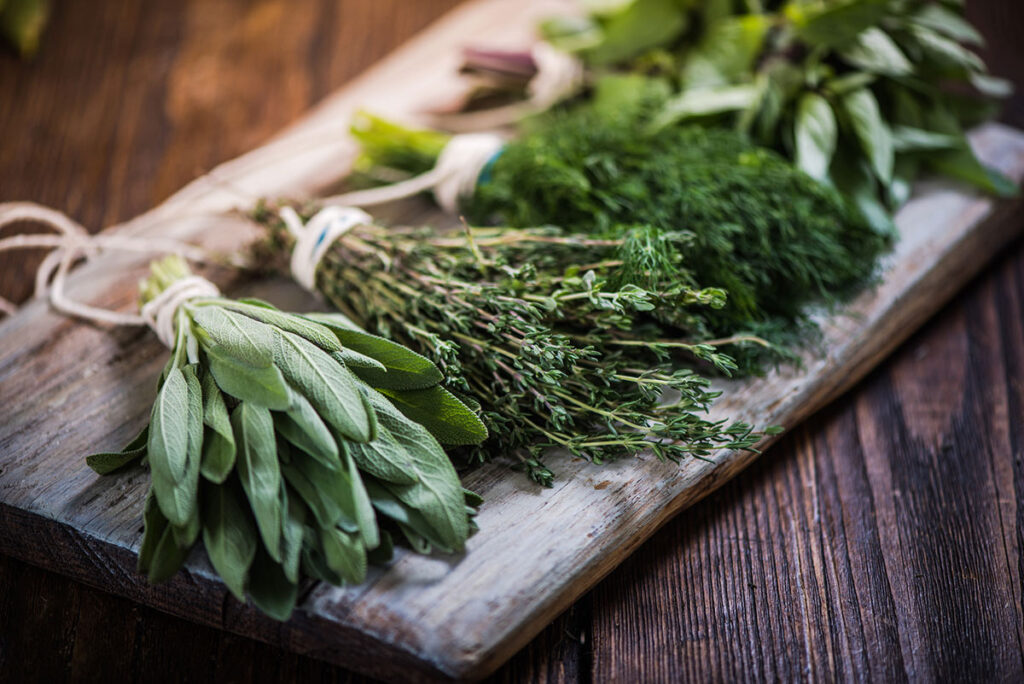
Even if you use the best method, improper handling can still cause herbs to spoil. A few storage habits can dramatically extend freshness.
Key Tips
- Inspect Regularly:
Check herbs every two to three days. Remove any wilted or darkened leaves to prevent them from affecting the rest. - Avoid Washing Until Needed:
If you’re storing herbs for several days, it’s best not to wash them right away. Excess moisture encourages mold growth. Instead, rinse just before use. - Use Breathable Containers:
Reusable mesh produce bags or paper bags allow herbs to “breathe” while protecting them from direct air exposure. - Label and Date:
Especially when freezing or drying, label containers with the date of storage. This ensures you use older herbs first while they’re still flavorful. - Don’t Mix Herbs:
Store each herb separately. Different herbs release varying levels of moisture and aroma, which can lead to cross-contamination and faster spoilage.
Why It Works
Maintaining a clean, dry environment prevents mold and bacterial growth. Regularly checking and rotating herbs ensures that you’re always using the freshest ones first, minimizing waste.
Bonus Tip: Regrow Herbs Indoors
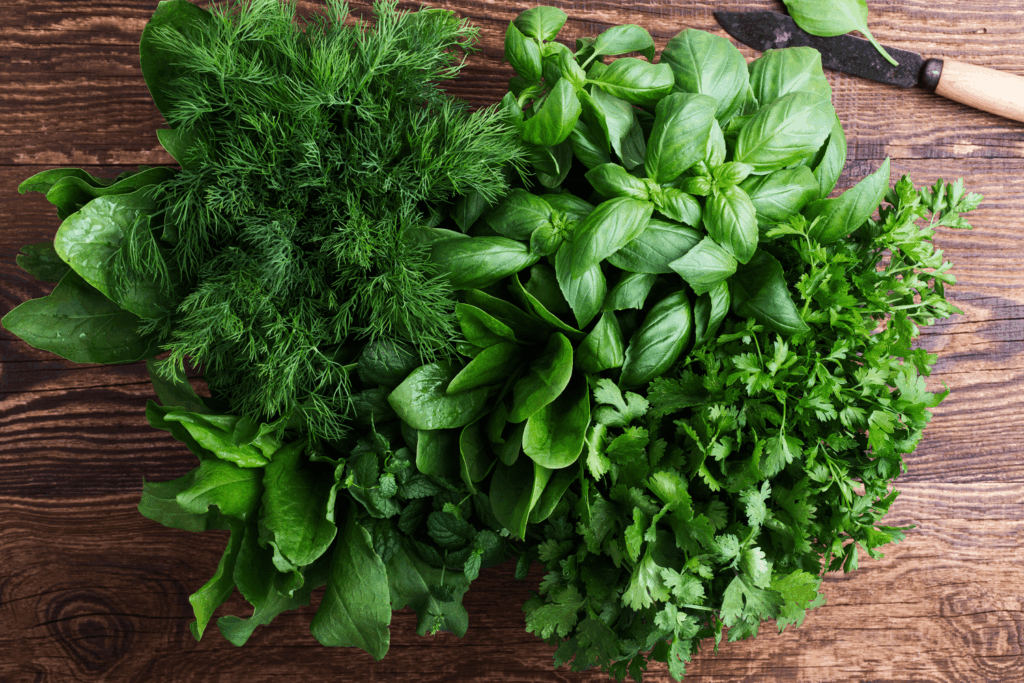
If you find yourself buying herbs frequently, consider growing your own at home. Many herbs such as mint, basil, and green onions can regrow easily from cuttings. Simply place a few stems in a glass of water until roots appear, then transfer them to a small pot with well-draining soil. With a sunny windowsill and occasional watering, you’ll have a constant supply of fresh herbs all year round — zero waste and maximum freshness.
Conclusion
Fresh herbs elevate even the simplest vegetarian dishes, adding layers of fragrance and taste that dried versions can’t fully match. Yet, their fragility often leads to waste. By using these five easy, practical methods — treating them like flowers, wrapping them in damp towels, freezing, drying, and storing properly — you can dramatically extend the life and flavor of your herbs.
Not only do these approaches reduce food waste and save money, but they also ensure you always have access to vibrant, aromatic greens whenever inspiration strikes in your kitchen. Whether you love cooking soups, salads, smoothies, or herbal teas, keeping your herbs fresh longer is an essential step toward sustainable and mindful cooking.