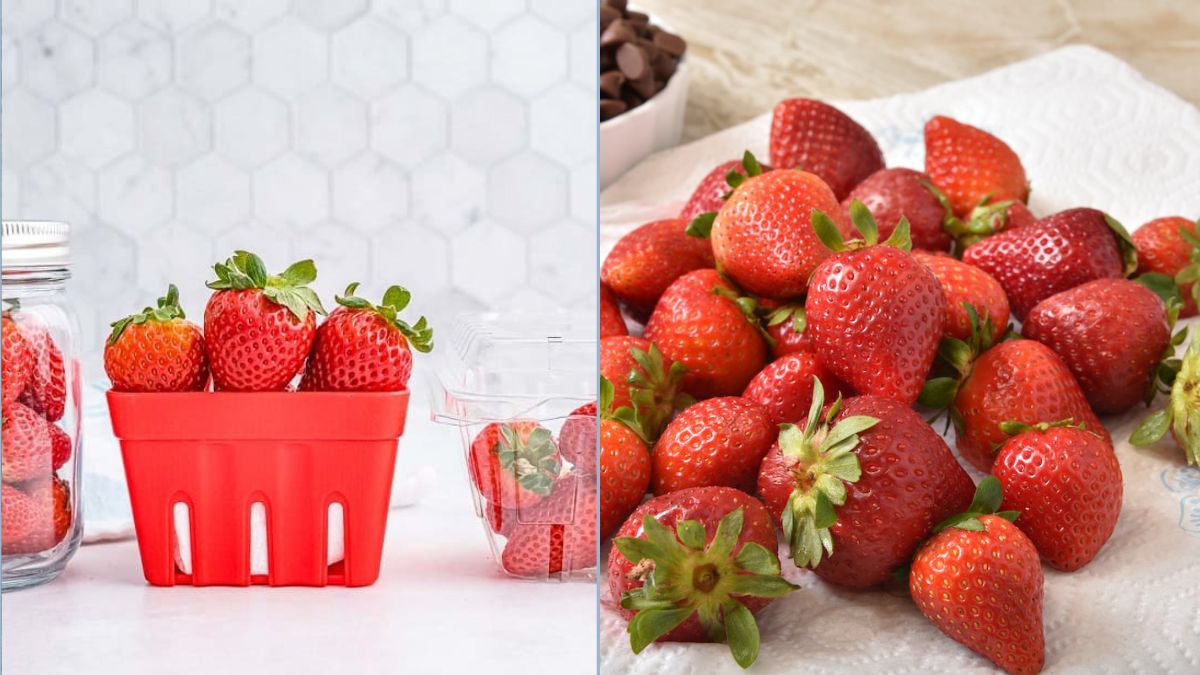
Strawberries are one of nature’s sweetest gifts — bright red, fragrant, and packed with nutrients. Loved for their flavor and versatility, they add color and freshness to a wide range of vegetarian dishes, from smoothies and salads to desserts and jams. However, strawberries are also among the most perishable fruits, often spoiling within just a few days after purchase or harvest.
Their high moisture content, delicate skin, and natural sugars make them highly susceptible to mold, bruising, and dehydration. Learning how to extend strawberry freshness at home not only prevents food waste but also ensures that you can enjoy this nutrient-rich fruit longer while preserving its flavor, texture, and nutritional value.
This article explores the science behind strawberry spoilage and provides detailed, natural, and practical methods to keep strawberries fresh — without using any non-vegetarian ingredients or synthetic preservatives.
1. Understanding Why Strawberries Spoil Quickly
Strawberries are classified as non-climacteric fruits, which means they don’t continue to ripen after being harvested. This makes post-harvest handling and storage even more crucial.
Main Reasons for Quick Spoilage:
- High Water Content: Strawberries are about 90% water. This moisture supports microbial growth and speeds decay.
- Delicate Skin: Their thin, soft exterior is easily bruised, allowing bacteria and mold to enter.
- Temperature Sensitivity: Warm conditions accelerate respiration and enzyme activity, leading to faster spoilage.
- Mold Growth: Strawberries are highly prone to fungal contamination, especially when stored damp or overcrowded.
By managing temperature, moisture, and airflow, you can significantly extend their shelf life.
2. Selecting the Freshest Strawberries
The process of keeping strawberries fresh begins with selecting the right batch. Whether purchasing from a market or picking from your garden, quality at harvest determines longevity.
Tips for Choosing the Best Strawberries:
- Look for firm, bright red berries with fresh green caps (calyx).
- Avoid berries with white or green patches — they were picked too early and lack full sweetness.
- Check for mold, bruises, or wet spots. Even one spoiled berry can affect the rest.
- Choose strawberries of uniform size; smaller ones often last slightly longer because they contain less water.
Once you bring them home, handle them gently — strawberries bruise easily, and even minor pressure can trigger early spoilage.
3. The Right Way to Handle and Wash Strawberries
Contrary to popular belief, strawberries should not be washed immediately after purchase if you’re storing them. Washing introduces extra moisture, which promotes mold growth. Instead, clean them only when you’re ready to eat or use them.
When Washing Is Necessary:
If your strawberries are farm-fresh or visibly dusty, wash them using the following method to prevent spoilage.
Vinegar Bath Cleaning Method:
- Prepare a solution: Mix 1 part white vinegar with 3 parts water.
- Soak strawberries for 2–3 minutes. The vinegar kills mold spores and bacteria.
- Rinse quickly with cold water to remove any vinegar taste.
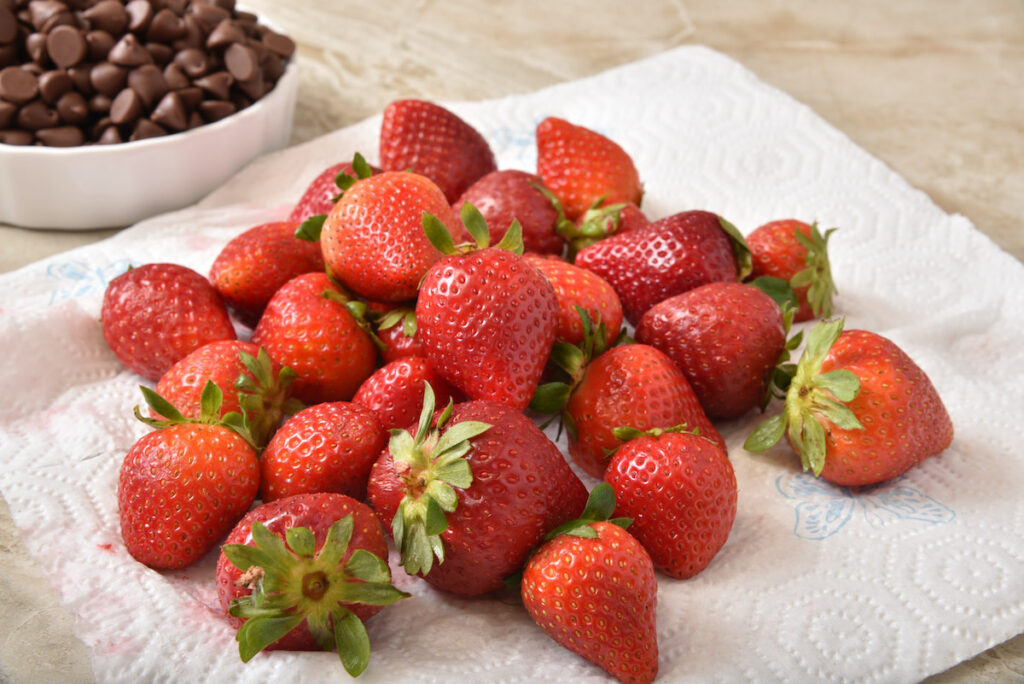
- Dry thoroughly: Spread them on a towel or use a salad spinner lined with paper towels.
Ensure the berries are completely dry before storage. Excess moisture is the main cause of softening and mold.
4. Storing Strawberries in the Refrigerator
Refrigeration is the most effective way to preserve strawberries for short-term storage (up to a week).
Ideal Conditions:
- Temperature: 0°C to 4°C (32°F to 39°F).
- Humidity: Around 90%.
Best Storage Methods:
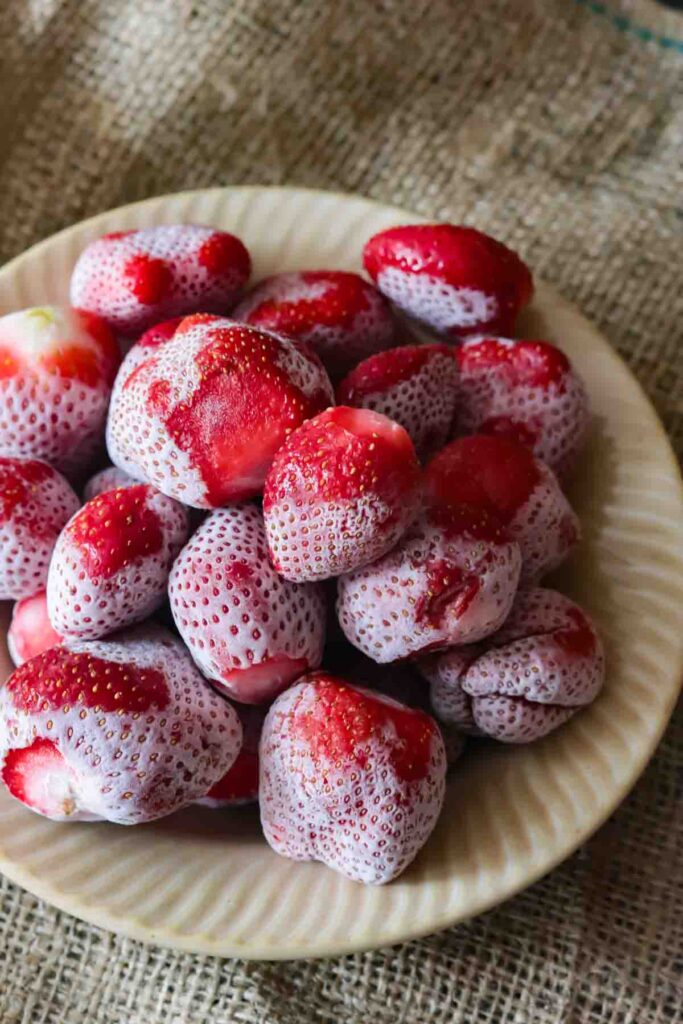
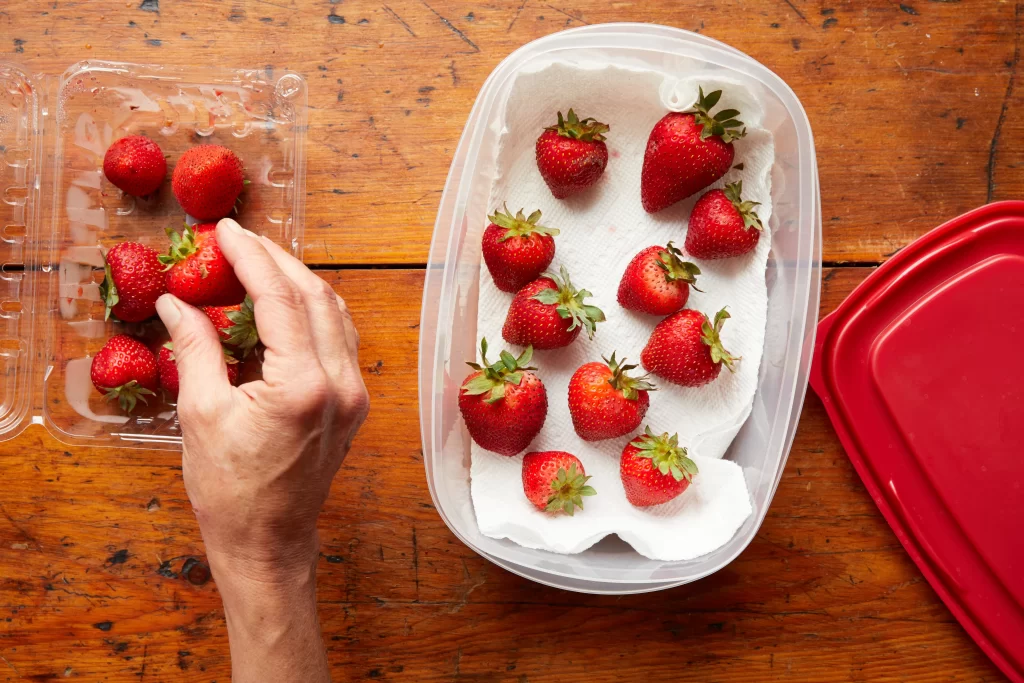
A. Paper Towel and Container Method
- Line a shallow airtight container with paper towels.
- Place the strawberries in a single layer — avoid stacking to prevent bruising.
- Cover with another paper towel.
- Seal the lid loosely to allow airflow.
- Store in the refrigerator’s crisper drawer.
The paper towels absorb excess moisture, while the container maintains humidity. Properly stored, strawberries can stay fresh for 5–7 days.
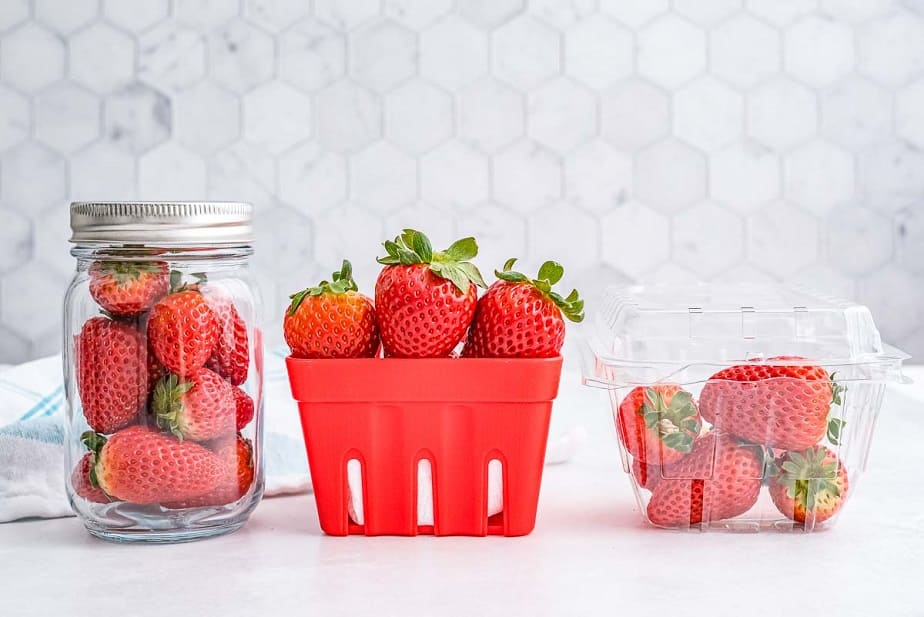
B. Glass Jar Method
For longer freshness and visual appeal:
- Layer dry, unwashed strawberries in a clean, dry glass jar with a tight lid.
- Keep the jar refrigerated.
The airtight seal prevents exposure to humidity and airborne mold spores. Many home gardeners report freshness lasting up to 10–14 days using this technique.
5. Avoiding Common Storage Mistakes
Even with refrigeration, certain habits can shorten the life of strawberries. Here’s what to avoid:
| Mistake | Why It’s a Problem | Better Practice |
|---|---|---|
| Washing before storing | Adds moisture, encourages mold | Wash only before eating |
| Sealing wet strawberries tightly | Traps humidity and accelerates rot | Dry thoroughly first |
| Removing green caps | Exposes stem area, causes faster decay | Keep caps until use |
| Storing near ethylene-producing fruits | Accelerates softening and spoilage | Store separately from bananas, apples, or tomatoes |
| Overcrowding | Prevents airflow, increases bruising | Store in single layers |
Avoiding these errors alone can extend freshness by several days.
6. Freezing Strawberries for Long-Term Storage
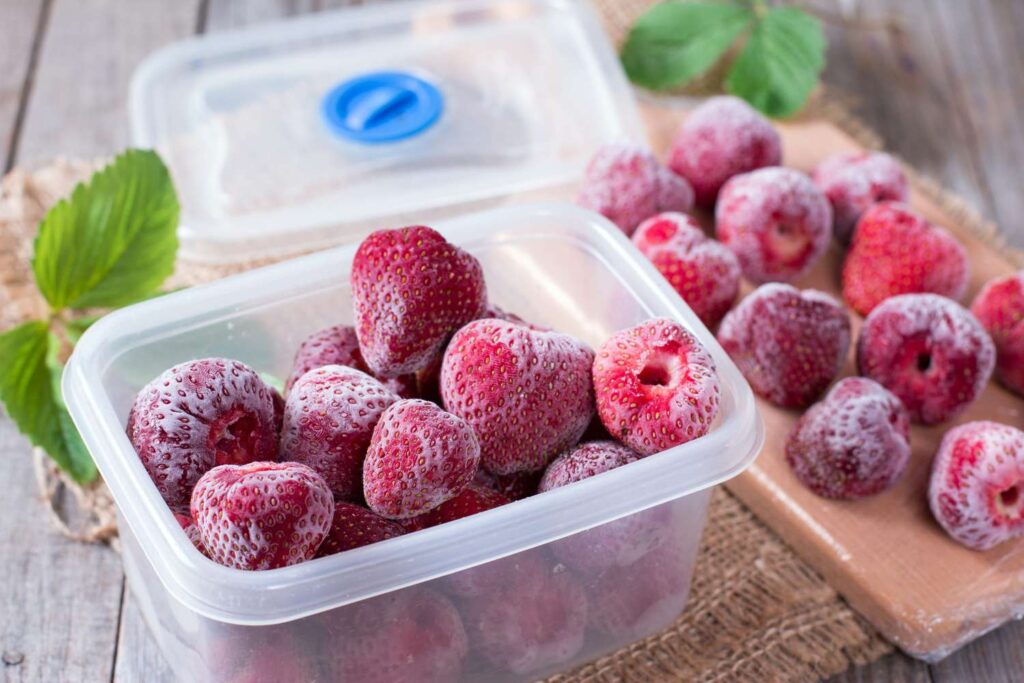
If you have an abundance of strawberries, freezing is an excellent vegetarian-friendly preservation option that retains both flavor and nutrients.
Steps to Freeze Strawberries:
- Wash and dry thoroughly using the vinegar rinse method.
- Remove stems gently without squishing the berries.
- Flash freeze:
- Arrange strawberries in a single layer on a tray lined with parchment paper.
- Freeze for 2–3 hours until solid.
- Transfer to airtight bags or containers.
- Label with date and store for up to 8–10 months.
Optional Step — Sugar or Syrup Freezing:
If you plan to use them for desserts or smoothies, you can freeze them with a small amount of sugar or a light syrup solution to maintain texture and flavor.
Usage Tip:
Frozen strawberries are best used directly from the freezer in recipes like smoothies, sauces, jams, or baked goods. Thawed strawberries lose their firmness but retain sweetness.
7. Using Natural Preservation Techniques
Beyond refrigeration and freezing, there are natural home-based methods to extend strawberry shelf life.
A. Lemon Water Solution
Mix 1 tablespoon of lemon juice with 1 cup of cold water. Soak strawberries for a few minutes, then dry. The citric acid acts as an antioxidant, slowing oxidation and browning.
B. Honey Water Dip
Combine 1 tablespoon honey with 1 cup of water, soak for 30 seconds, and dry. Honey has natural antimicrobial properties that delay spoilage.
C. Storage with Baking Soda Packets
Place a small open packet of baking soda in the fridge near the strawberries. It absorbs excess moisture and odors, keeping the environment dry and fresh.
These methods are chemical-free, cost-effective, and safe for vegetarian households.
8. Reviving Soft or Slightly Wilted Strawberries
Even if strawberries begin to lose firmness, they can often be revived for use.
Quick Reviving Method:
- Soak the berries in ice-cold water for 10–15 minutes.
- Drain and pat dry.
- Refrigerate immediately.
This rehydrates the cells, restoring some crispness and vibrancy. While they may not regain full firmness, they remain perfect for blending, baking, or topping desserts.
9. Sustainable and Eco-Friendly Practices
Extending strawberry freshness also means reducing food waste and practicing sustainability. Every small step counts toward an environmentally conscious kitchen.
Sustainable Tips:
- Buy Local and Seasonal: Freshly harvested, locally sourced strawberries last longer because they’re not subjected to long transport times.
- Reuse Containers: Opt for glass jars, bamboo boxes, or biodegradable storage materials instead of single-use plastics.
- Compost Waste: Turn strawberry tops or spoiled parts into compost instead of throwing them away.
- Grow Your Own: If possible, maintain a small strawberry patch or potted plant at home. You can harvest only what you need, reducing waste entirely.
These eco-friendly approaches help both your health and the planet.
10. Nutritional Preservation and Usage Ideas
Strawberries are a nutritional powerhouse, rich in vitamin C, folate, fiber, and antioxidants like anthocyanins and ellagic acid. However, their nutrient content declines when exposed to heat, light, and air.
To Retain Maximum Nutrition:
- Keep them cold and dry.
- Avoid slicing until ready to eat.
- Use them raw in salads, yogurt, or smoothies for full vitamin retention.
- If cooking (e.g., in jam or compote), use minimal heat to preserve antioxidants.
Creative Ways to Use Fresh Strawberries:
- Breakfast: Add to oats, cereal, or pancakes.
- Desserts: Make strawberry yogurt parfaits or fruit salads.
- Beverages: Blend into smoothies or infused water.
- Snacks: Freeze-dried strawberries make crunchy, healthy treats.
Storing them well ensures that you can enjoy their sweetness and health benefits for longer periods.
Conclusion
Strawberries may be delicate, but with the right techniques, you can easily extend their freshness at home. From selecting the best berries to proper washing, drying, refrigeration, and freezing, every step contributes to prolonging their life and preserving their natural goodness.
By balancing moisture control, temperature, and air circulation, you can prevent common problems like mold and wilting. Whether you prefer the vinegar rinse, paper towel method, or glass jar storage, these natural, vegetarian-friendly strategies ensure your strawberries stay sweet, juicy, and safe for consumption.
Ultimately, learning to store strawberries properly is more than a kitchen skill — it’s a sustainable practice that minimizes waste, saves money, and lets you enjoy the taste of summer all year long.