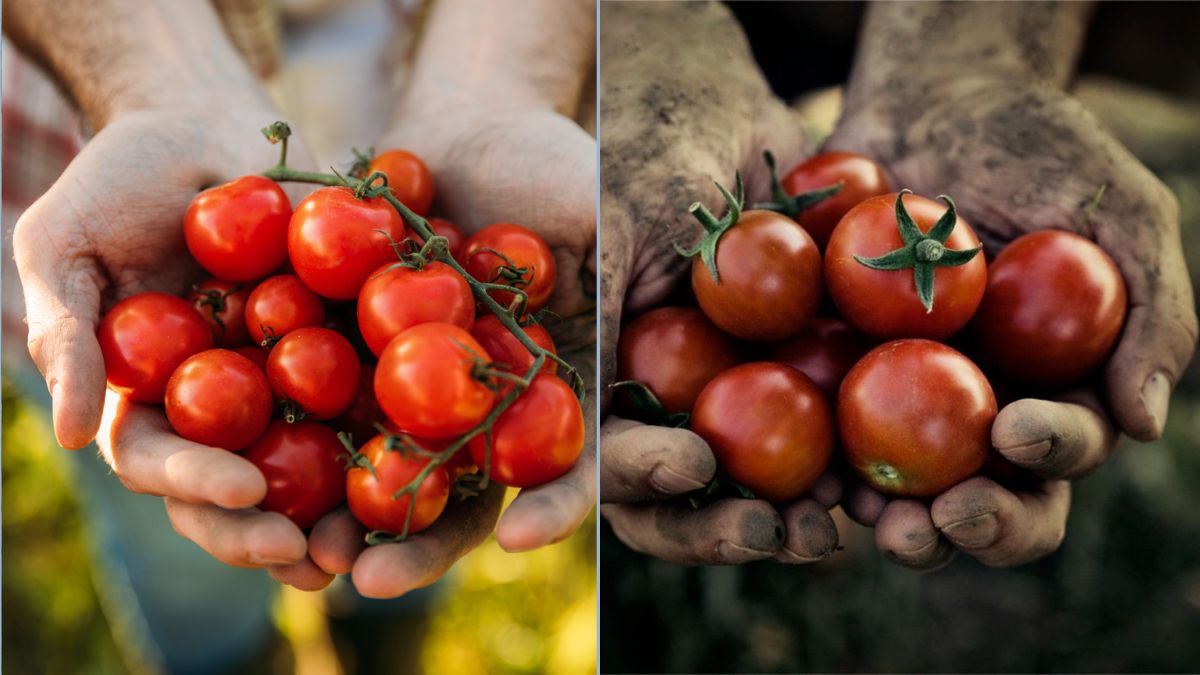
Tomatoes are among the most popular and rewarding vegetables to grow at home. Their vibrant colors, juicy texture, and rich flavor make them a favorite for both beginner and experienced gardeners. However, one of the most common challenges growers face is determining the right time to harvest them. Picking tomatoes too early can result in underdeveloped flavor and texture, while waiting too long can lead to overripening or spoilage. Understanding the signs of ripeness, environmental factors, and best harvesting techniques ensures that each tomato reaches its peak in taste, color, and nutrition.
This article provides a comprehensive guide on how to identify when your tomatoes are ready to pick, with detailed insights into physical indicators, environmental influences, ripening stages, and storage tips — all within a vegetarian, sustainable gardening context.
Understanding Tomato Growth and Ripening
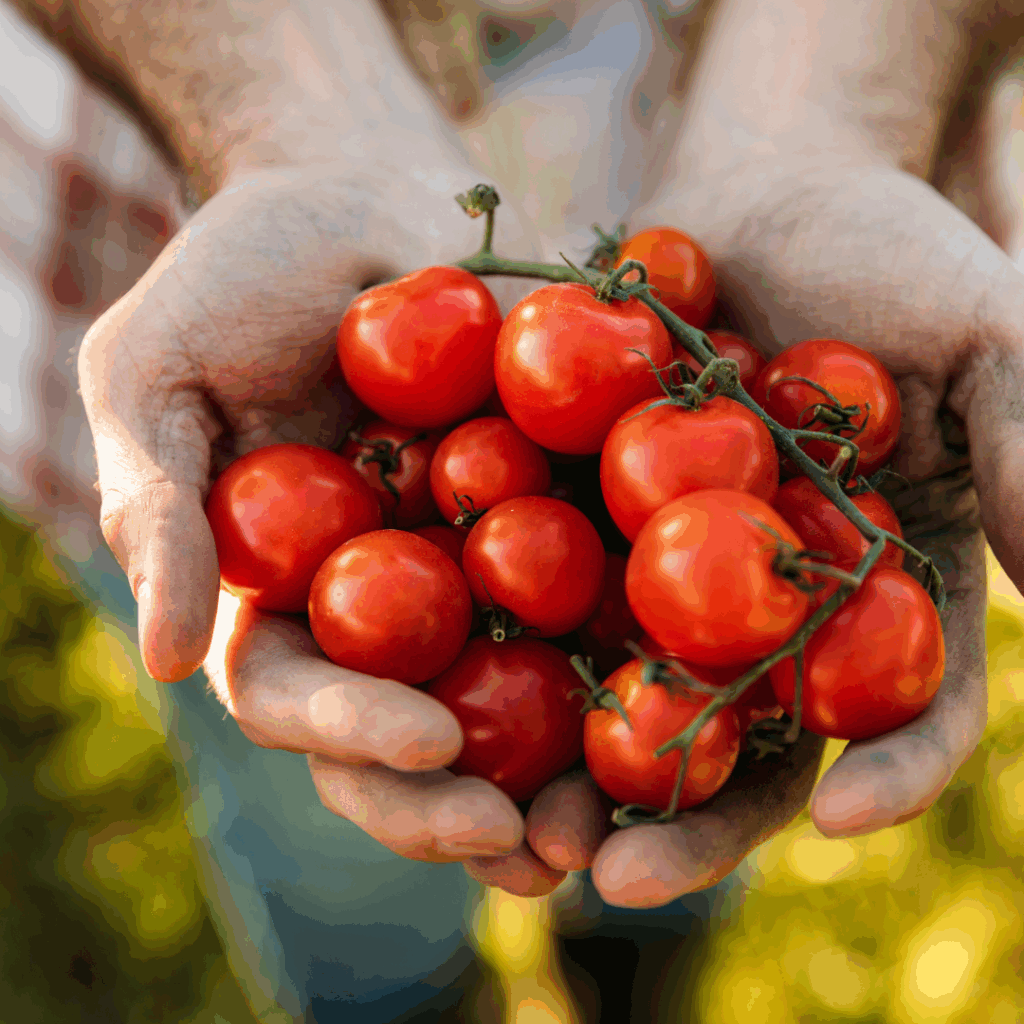
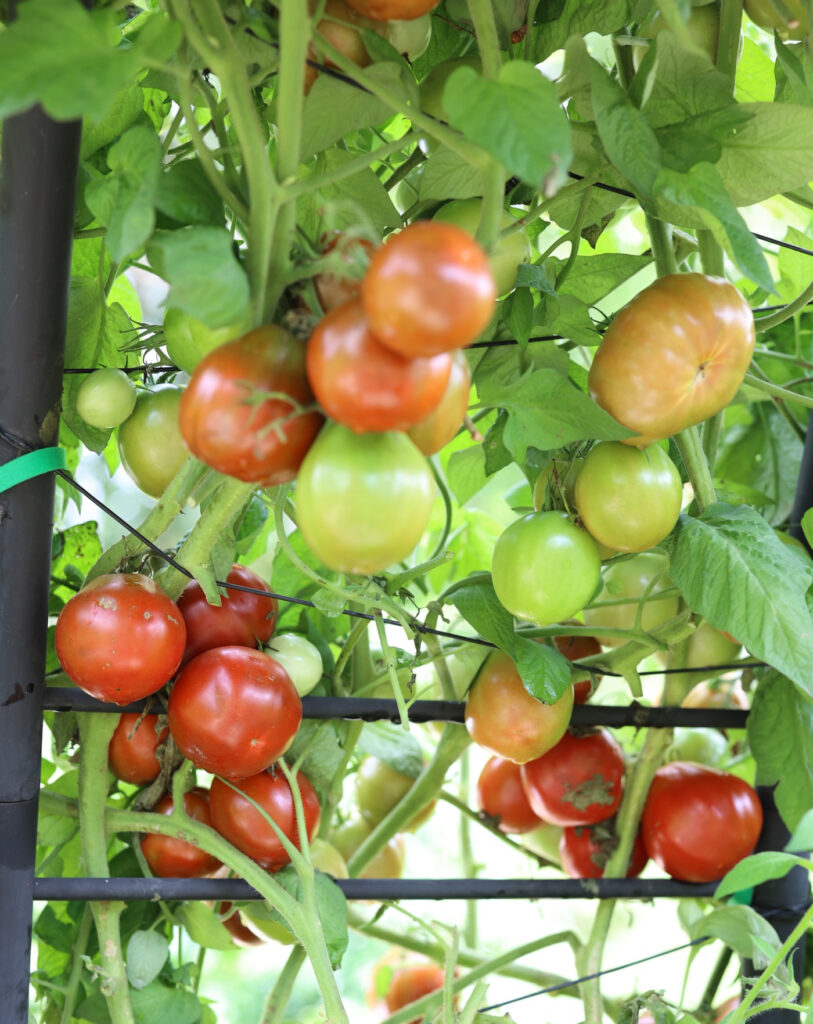
Tomato ripening is a complex process influenced by genetics, environmental factors, and internal plant chemistry. Once a tomato flower is pollinated, it develops into a green fruit that gradually matures over several weeks. The transformation from green to red (or other colors depending on variety) involves several stages:
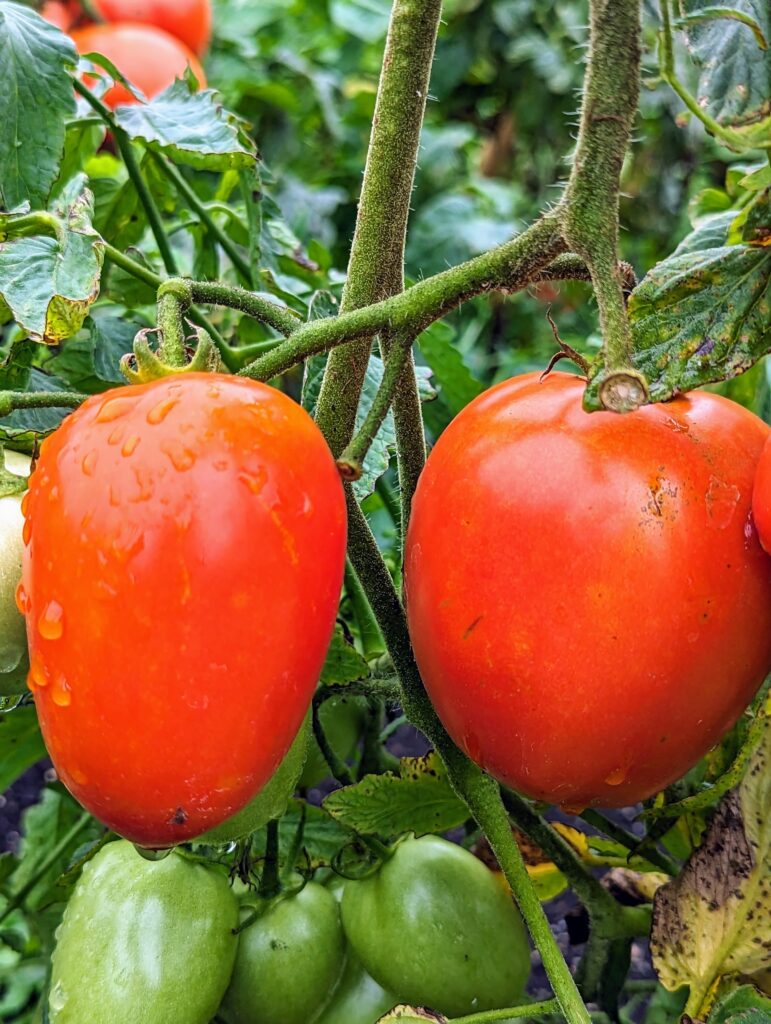
- Green Stage: The fruit is fully grown but remains firm and green. It is not yet ready for harvest.
- Breaker Stage: The first hint of color appears—often yellow, orange, or pink. This marks the start of ripening.
- Turning Stage: The tomato begins to change color further, with about 30–60% of the fruit showing its mature hue.
- Pink Stage: The fruit is mostly pink or red, softer to the touch, and close to ready.
- Red or Ripe Stage: The tomato is uniformly colored, tender but firm, and ready to pick for immediate use.
Each variety ripens differently—cherry tomatoes ripen faster, while larger beefsteak varieties take longer to reach full maturity.
Visual Indicators of Ripeness
1. Color Transformation
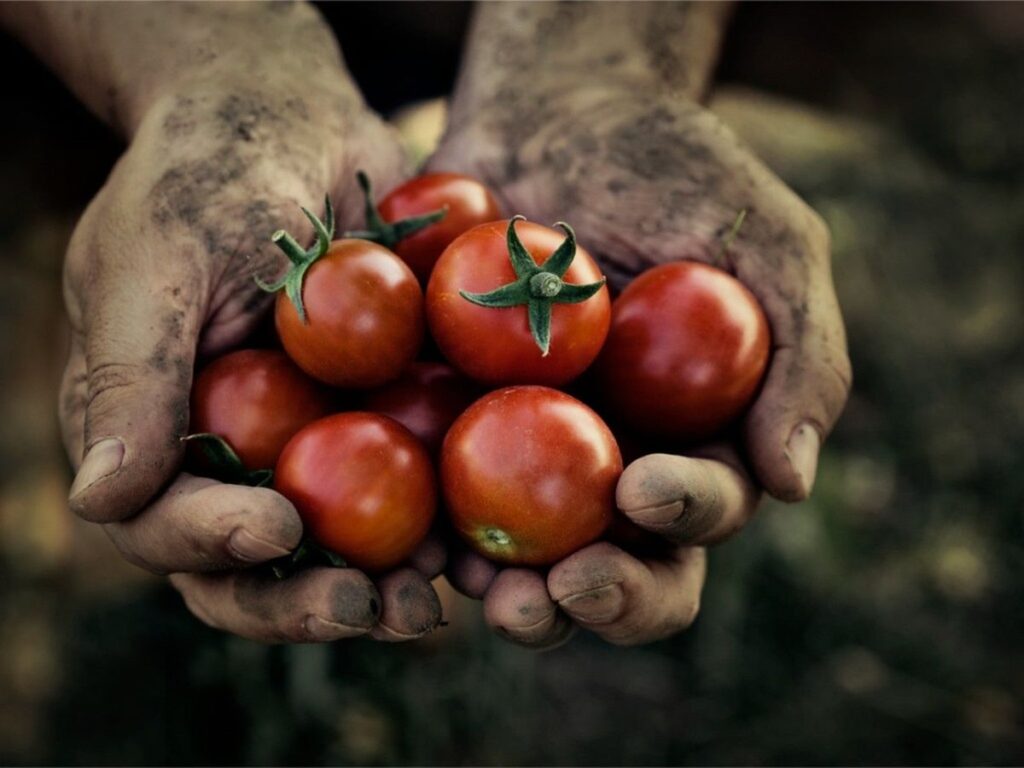
Color is one of the most reliable signs of ripeness. Depending on the variety, ripe tomatoes display vibrant shades:
- Red Varieties: Deep red with a glossy finish.
- Yellow or Orange Varieties: Bright and even-toned, with no green patches.
- Purple or Black Varieties: Rich, dark tones, often with a slightly softer texture when ripe.
Avoid picking tomatoes that are still green or have large areas of pale color, as they have not fully developed their sugars and flavor compounds.
2. Skin Texture
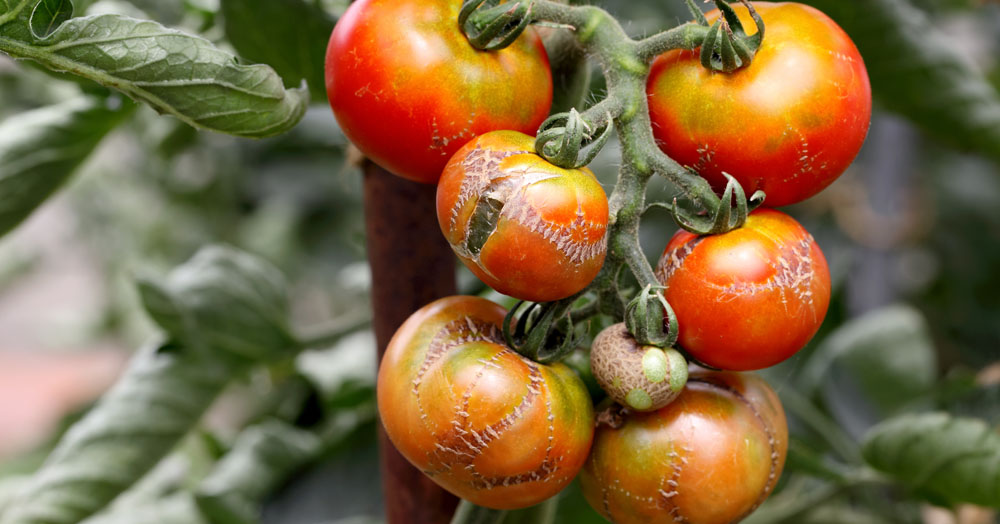
Ripe tomatoes have smooth, glossy skin that feels slightly taut but not hard. Wrinkled, dull, or cracked skin may indicate overripeness or exposure to inconsistent watering.
3. Size and Shape
Mature tomatoes usually reach their expected variety size before color change occurs. Compact varieties like ‘Tiny Tim’ or ‘Patio Princess’ remain small, while larger ones like ‘Beefsteak’ reach full size before ripening.
4. Absence of Green Shoulders
Green shoulders—areas near the stem that remain unripe—indicate the fruit is not yet ready. Ripe tomatoes display uniform coloration from top to bottom.
Touch and Firmness Test
Gently squeeze the tomato to assess its readiness:
- Unripe: Very firm and resists pressure.
- Ripe: Slightly soft but not mushy; yields gently under pressure.
- Overripe: Feels too soft or may split easily.
For indoor gardeners or balcony growers, this tactile test is especially useful when lighting conditions affect color perception.
Aroma and Taste Clues
Ripe tomatoes emit a sweet, earthy fragrance near the stem end. Unripe tomatoes have little to no scent, while overripe ones may smell fermented.
If unsure, taste a sample tomato: ripe ones are rich, slightly sweet, and tangy, with a full-bodied flavor. Unripe tomatoes taste starchy or bland.
Environmental Factors Affecting Ripeness
Several environmental conditions influence when and how quickly tomatoes ripen:
- Temperature:
Tomatoes ripen best between 70–85°F (21–29°C). Cooler temperatures slow color development, while extreme heat can cause uneven ripening. - Sunlight:
Adequate sunlight (6–8 hours daily) promotes sugar accumulation and pigment formation. However, intense direct sunlight in hot climates can cause sunscald—white or pale patches on the fruit. - Humidity:
Moderate humidity prevents cracking and shriveling. Excess humidity can lead to fungal infections. - Nutrition:
Balanced organic fertilizer—rich in potassium and phosphorus—supports healthy ripening. Avoid excessive nitrogen, which promotes leafy growth over fruit maturity. - Air Circulation:
Proper airflow reduces disease and helps regulate temperature, ensuring consistent ripening.
Ripening Stages: On-the-Vine vs. Off-the-Vine
1. On-the-Vine Ripening
Allowing tomatoes to ripen on the vine develops full sweetness and aroma. The natural sugars and acids balance perfectly at this stage.
Advantages:
- Richer flavor
- Fuller color and texture
Disadvantages: - Risk of pests, cracking, or spoilage if left too long
2. Off-the-Vine Ripening
If frost, pests, or space limitations threaten the crop, harvest tomatoes at the breaker or turning stage and let them ripen indoors.
Methods:
- Place tomatoes in a paper bag with a ripe banana or apple. The ethylene gas released by these fruits accelerates ripening.
- Keep them in a warm (65–75°F), well-ventilated area away from direct sunlight.
Off-the-vine ripening ensures tomatoes continue developing their color and flavor while minimizing garden losses.
Harvesting Techniques
Proper harvesting preserves fruit quality and prolongs the plant’s productivity:
- Use Gentle Hands: Grasp the tomato lightly and twist until it separates from the vine. Alternatively, use clean pruning shears to cut the stem just above the fruit.
- Pick Regularly: Harvest every 2–3 days during peak season. Frequent picking encourages the plant to produce more fruit.
- Morning Harvest: Harvest in the morning when temperatures are cooler; fruits are firmer and less prone to bruising.
- Avoid Overhandling: Handle tomatoes gently to prevent skin damage or bruising.
By adopting careful harvesting methods, gardeners maintain both the quality of the fruit and the health of the plant.
Common Mistakes to Avoid
Even experienced gardeners sometimes make errors during harvest:
- Picking Too Early: Leads to bland, underdeveloped flavor.
- Leaving on the Vine Too Long: Results in soft, overripe fruit vulnerable to pests.
- Improper Storage: Refrigeration dulls flavor; room-temperature storage is ideal.
- Neglecting Regular Harvests: Causes overcrowding on vines, reducing future yields.
Being mindful of these mistakes ensures consistently flavorful and nutritious harvests.
Post-Harvest Handling and Storage
After harvesting, proper handling maintains freshness and taste:
- Cleaning: Wipe gently with a soft, damp cloth. Avoid washing before storage to prevent premature spoilage.
- Storage Temperature: Keep ripe tomatoes at room temperature (around 68°F). Refrigerate only if they become overripe to extend shelf life.
- Air Circulation: Store in a single layer, avoiding stacking to prevent bruising.
- Ripening Green Tomatoes: For green tomatoes at season’s end, store them in a paper bag with an apple or banana to trigger ethylene-assisted ripening.
Proper storage maintains texture and flavor for several days after picking.
Sustainable and Indoor-Friendly Practices
For those growing tomatoes in small pots, balconies, or hydroponic systems, sustainable practices ensure continued productivity:
- Use Organic Fertilizers: Compost tea, seaweed extract, or plant-based liquid feed enhance nutrient levels naturally.
- Recycling Nutrient Water: In hydroponic setups, replace water regularly to maintain balance and prevent nutrient buildup.
- Compact Varieties: Choose dwarf or patio tomato varieties that mature faster and require minimal space.
- Rotation and Companion Planting: Alternate tomato crops with herbs like basil to deter pests and enhance flavor.
These eco-friendly approaches ensure healthy harvests while minimizing environmental impact.
Conclusion
Knowing when your tomatoes are ready to pick is both a science and an art. By observing visual cues like color, firmness, and aroma—and by understanding environmental influences such as temperature, sunlight, and humidity—gardeners can accurately determine the perfect harvest time. Gentle harvesting methods, regular picking, and proper post-harvest handling maintain flavor, texture, and nutrition.
Whether grown in traditional soil, containers, or modern hydroponic systems, tomatoes reward patience and care with delicious, vibrant fruits. By mastering the timing of harvest, even small-space or indoor gardeners can enjoy a consistent supply of fresh, flavorful tomatoes all year round—purely plant-based, sustainable, and homegrown.