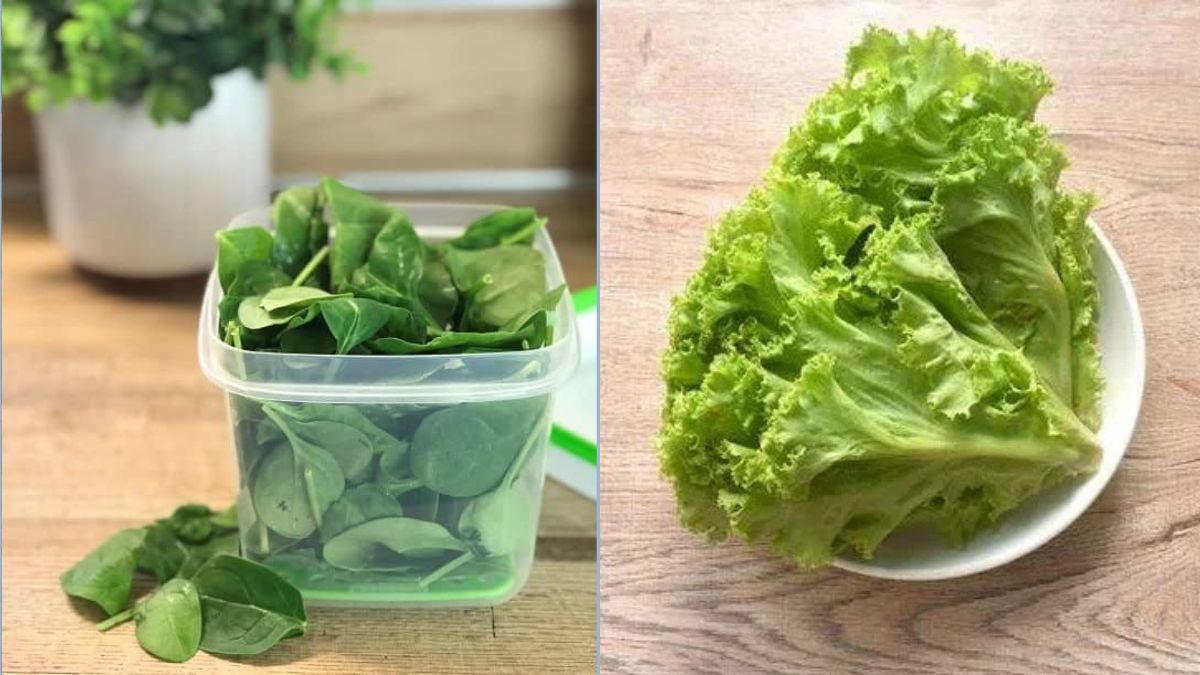
Leafy greens — such as spinach, lettuce, kale, coriander, fenugreek, mustard greens, and amaranth — are some of the most nutritious foods in a vegetarian diet. Rich in vitamins, minerals, fiber, and antioxidants, these greens are a cornerstone of healthy eating. However, one of the biggest challenges with leafy vegetables is keeping them fresh after purchase or harvest. Within a day or two, they often lose their crispness, develop slimy spots, or wilt entirely.
Proper storage of leafy greens is both an art and a science. Their delicate structure, high moisture content, and sensitivity to temperature make them particularly prone to dehydration and spoilage. The good news is that, with the right techniques, you can preserve their texture, color, and nutrients for up to a week — or even longer — without using any non-vegetarian ingredients or chemical preservatives.
This article explores how to store leafy greens without wilting, offering practical, natural methods backed by food science and sustainable kitchen practices.
1. Understanding Why Leafy Greens Wilt
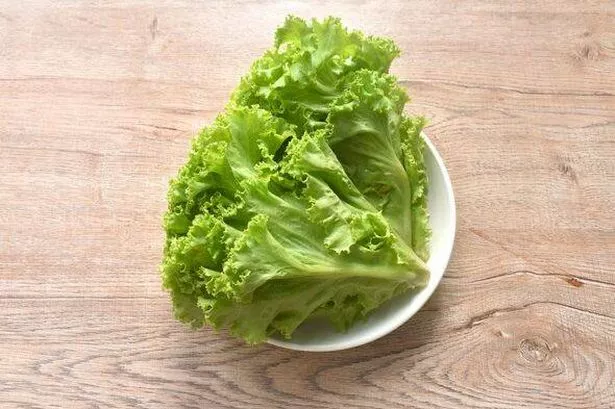
To store greens effectively, it’s important to understand why they wilt in the first place. Wilting is the visible result of moisture loss from plant cells. Once harvested, leafy greens lose access to water from their roots. As moisture evaporates from the leaves, the cells collapse, causing limpness and dullness.
Common Causes of Wilting:
- Low Humidity: Dry air pulls moisture from leaves.
- Improper Temperature: Warm environments speed up respiration and water loss.
- Excess Moisture: Ironically, too much water trapped in packaging causes rot and sliminess.
- Poor Air Circulation: Stagnant air fosters mold and bacterial growth.
- Ethylene Exposure: Fruits like apples, bananas, and tomatoes release ethylene gas, which accelerates decay in greens.
Balancing moisture and airflow while controlling temperature is key to keeping greens fresh.
2. Choosing and Preparing Leafy Greens for Storage
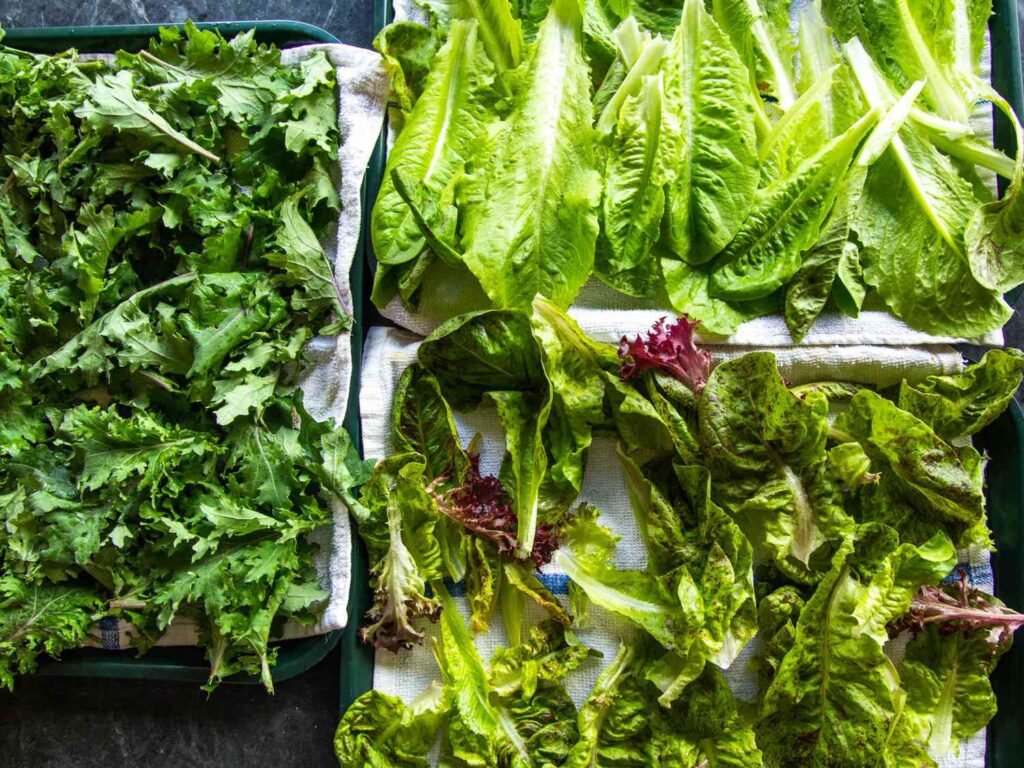
Good storage begins with good selection and preparation. The fresher the greens at purchase or harvest, the longer they will last.
How to Select the Best Greens:
- Look for vibrant color — bright green leaves without yellowing or dark spots.
- Avoid greens that appear limp, wet, or have slimy patches.
- Choose tightly bunched or crisp leaves with firm stems.
Preparation Before Storage:
- Sort and Trim: Remove damaged or decaying leaves. These can spread spoilage to the rest.
- Do Not Wash Immediately (if storing short-term): Washing introduces excess moisture, which can accelerate wilting. Wash only right before use, unless pre-washing for longer storage (explained below).
- Dry Thoroughly: If washing is necessary (e.g., to remove dirt from farm-fresh greens), dry completely using a salad spinner, or pat gently with clean towels. Damp leaves rot faster.
Proper preparation sets the foundation for effective storage.
3. Storing Leafy Greens in the Refrigerator
The refrigerator is the best place to store leafy greens, provided the environment is controlled for humidity and air circulation.
Ideal Conditions:
- Temperature: 1°C to 4°C (34°F to 39°F).
- Humidity: 90–95%.
Methods for Different Greens:
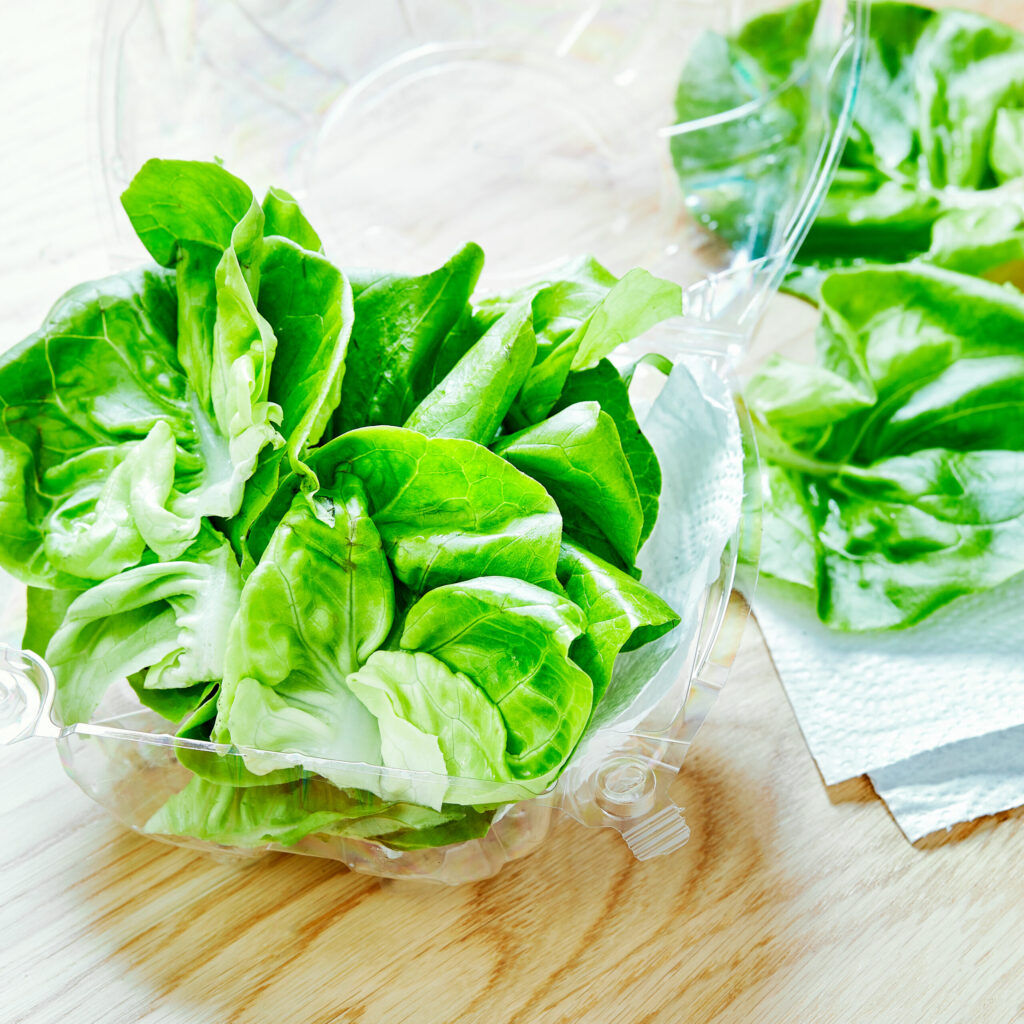
A. Paper Towel Method
- Spread the greens on a clean kitchen towel or paper towels.
- Gently roll or fold them into a loose bundle.
- Place the bundle in a reusable silicone bag or zipper bag with small air holes.
- Store in the refrigerator’s crisper drawer.
Why It Works:
The towel absorbs excess moisture while maintaining enough humidity to prevent drying. Greens like lettuce, spinach, and cilantro can stay fresh for up to a week using this method.
B. Container Method
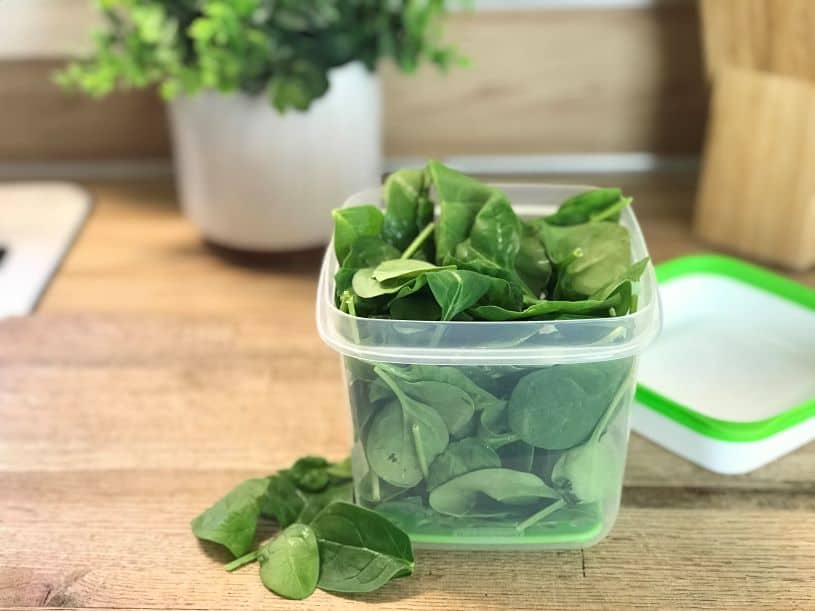
- Layer the bottom of an airtight container with a paper towel.
- Add a layer of greens, then place another paper towel on top.
- Seal the lid loosely or poke a few holes for airflow.
Best For: Kale, collard greens, or mustard leaves — which are slightly sturdier.
C. Perforated Bag Method
Store greens in perforated plastic or cloth produce bags. These maintain airflow while retaining humidity — ideal for delicate greens like lettuce and arugula.
4. The Water Jar Method (For Herbs and Tender Greens)
This method works beautifully for herbs and small-leaved greens such as parsley, mint, coriander, and spinach.
Steps:
- Trim the stems slightly.
- Fill a jar or glass with about an inch of clean water.
- Place the stems in the water — like a bouquet.
- Cover loosely with a plastic or silicone bag.
- Store in the refrigerator (except basil, which should stay at room temperature).
Why It Works:
The water keeps stems hydrated while the bag maintains humidity around the leaves. Change the water every 2–3 days to prevent bacterial buildup. This method keeps greens crisp for up to 10 days.
5. Freezing Leafy Greens for Long-Term Storage
If you have an abundance of greens, freezing is a great way to preserve their nutrients and flavor without spoilage.
How to Freeze Leafy Greens:
- Wash and Blanch:
- Bring a pot of water to boil.
- Submerge greens for 1–2 minutes.
- Immediately transfer to ice water to stop cooking.
- Drain and Dry:
- Squeeze out excess moisture.
- Pat dry or spin in a salad spinner.
- Pack in Portions:
- Place into airtight freezer bags or containers.
- Label and date each bag.
Storage Life:
Frozen greens stay fresh for up to 8–10 months and are perfect for soups, curries, and smoothies.
Tip:
Avoid freezing raw greens — blanching preserves color and prevents a mushy texture after thawing.
6. Avoiding Common Mistakes
Many people unknowingly shorten the life of their leafy greens through a few simple errors. Here’s how to avoid them:
| Mistake | Why It’s a Problem | Solution |
|---|---|---|
| Washing before storage | Adds moisture that causes rot | Wash only before use or dry completely |
| Storing in sealed plastic bags | Traps humidity and promotes decay | Use perforated or breathable bags |
| Leaving greens uncovered | Leads to dehydration and wilting | Maintain humidity with a damp towel |
| Keeping near fruits | Exposure to ethylene gas causes spoilage | Store separately from fruits |
| Overstuffing the crisper | Reduces airflow and bruises leaves | Keep loosely packed |
Correcting these mistakes can easily double the lifespan of your greens.
7. Reviving Wilted Greens Naturally
Even if your greens begin to wilt, don’t throw them away — they can often be revived.
Quick Reviving Method:
- Fill a large bowl with cold water.
- Add a few ice cubes.
- Submerge the wilted greens completely for 10–15 minutes.
- Drain and pat dry gently.
Cold water helps rehydrate cell walls, restoring firmness and crispness to mildly wilted greens. However, this technique doesn’t work for severely spoiled or slimy leaves.
8. Alternative Storage Techniques
For certain leafy vegetables, traditional methods can be enhanced with additional preservation ideas.
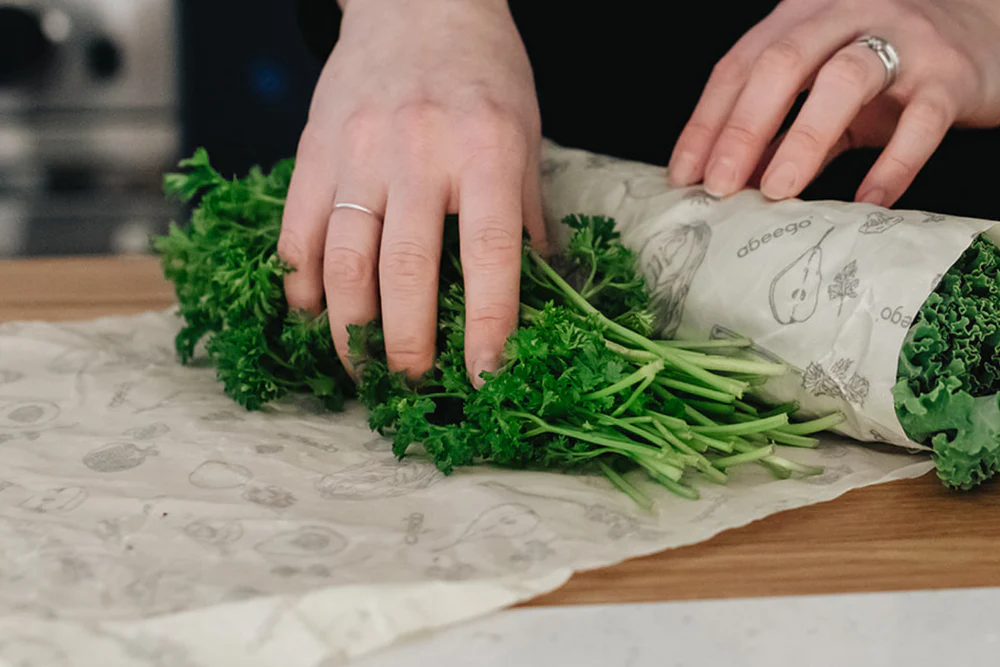
A. Cloth Wrap Method
Wrap unwashed greens in a cotton cloth or muslin fabric, then place them in a ventilated basket. The natural fibers maintain moisture balance while allowing airflow.
B. Clay Pot or Earthenware Storage
In tropical climates, storing greens in a covered clay pot lined with banana leaves or damp cloth helps maintain coolness and humidity — a natural, electricity-free method.
C. Vacuum Sealing (Optional)
For those with modern kitchen tools, vacuum sealing greens after drying can extend freshness up to two weeks, though this is best for hearty greens like kale or collards.
9. Eco-Friendly and Sustainable Storage Practices
Storing greens properly also plays a key role in reducing food waste, a major global issue. Nearly 30% of vegetables are wasted due to improper handling and storage. Adopting eco-friendly habits benefits both your household and the planet.
Sustainable Tips:
- Reuse paper towels, mesh bags, or cloth wraps instead of disposable plastics.
- Compost wilted leaves or trimmings to enrich garden soil.
- Plan purchases carefully — buy only what you can use within a week.
- Grow herbs at home in small pots, ensuring a fresh supply and minimal waste.
Sustainability begins with small, consistent actions.
10. Nutrient Preservation: Keeping the Goodness Intact
Leafy greens are rich in vitamins A, C, K, folate, calcium, and iron — but these nutrients degrade over time, especially if exposed to light, air, or heat.
How to Retain Nutrients During Storage:
- Keep away from sunlight — UV exposure breaks down chlorophyll and vitamin C.
- Maintain consistent cold temperatures — fluctuations reduce vitamin content.
- Avoid crushing or compressing leaves — this damages cell walls and accelerates nutrient loss.
- Consume within 5–7 days for maximum nutritional benefit.
Proper storage ensures you retain the freshness, taste, and health benefits of your greens.
Conclusion
Leafy greens are a powerhouse of nutrition, but their delicate structure makes them highly perishable. With the right knowledge and storage techniques, it’s entirely possible to keep them fresh, crisp, and vibrant for days — or even weeks — without wilting.
From the paper towel and jar methods to freezing and eco-friendly solutions, every approach aims to balance humidity, airflow, and temperature — the three key factors in leafy vegetable preservation. Avoiding common mistakes and practicing sustainable habits not only saves money and reduces food waste but also ensures you always have nutrient-rich greens ready for your vegetarian meals.
In the end, storing leafy greens without wilting isn’t just about extending shelf life — it’s about preserving freshness, nutrition, and the essence of nature’s green bounty.