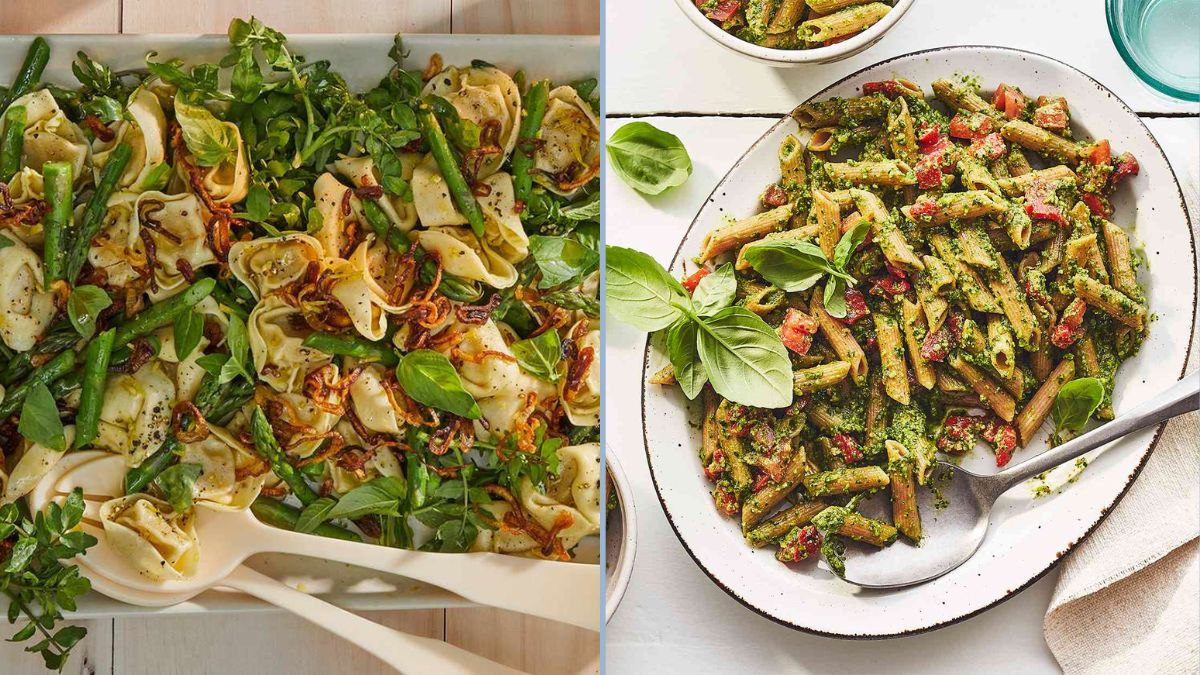
Fresh basil (Ocimum basilicum) is a versatile culinary herb celebrated for its distinctive aroma, flavor, and numerous health benefits. Commonly associated with Mediterranean and Asian cuisines, basil enriches everyday dishes by adding freshness, depth, and a pleasant herbal balance. This paper explores the uses of fresh basil in a variety of vegetarian recipes suitable for daily cooking. It discusses basil’s nutritional value, cultural significance, preparation techniques, and ten practical recipes that showcase its adaptability in both traditional and modern vegetarian cuisines. The aim is to demonstrate that basil is not only a flavorful herb but also an essential ingredient for healthy, plant-based eating.
Introduction
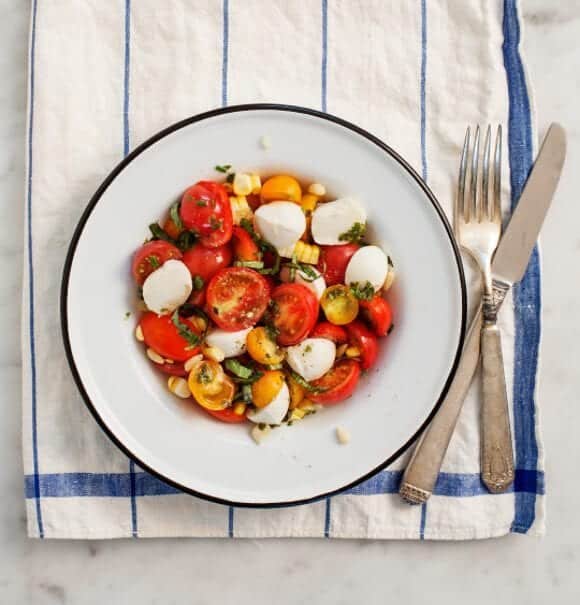
Herbs have long played an essential role in culinary traditions across the world. Among them, basil stands out as a symbol of freshness, fragrance, and healing. Native to tropical regions of Asia and Africa, basil is a member of the mint family (Lamiaceae) and is now cultivated globally for both culinary and medicinal purposes.
Fresh basil offers a blend of sweet, peppery, and slightly anise-like notes, making it one of the most popular herbs in kitchens. Beyond its flavor, basil provides numerous health benefits, including antioxidant, anti-inflammatory, and antimicrobial properties. Its high content of vitamin K, vitamin A, calcium, and essential oils such as eugenol contribute to its nutritional and therapeutic value.
In vegetarian cooking, fresh basil enhances flavor naturally, reducing the need for excessive salt or processed seasonings. This article presents ten easy and healthy recipes that integrate fresh basil into daily vegetarian meals, emphasizing simplicity, nutrition, and sustainability.
Nutritional and Health Benefits of Fresh Basil
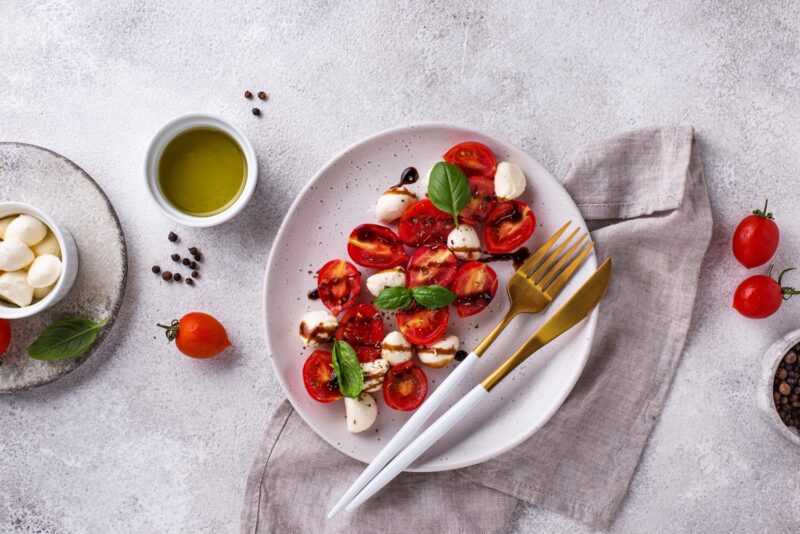
Basil is not only a culinary delight but also a nutritional powerhouse. A small serving of fresh basil contains:
- Vitamins: Especially vitamins A, K, and C, which support vision, immunity, and blood health.
- Minerals: Including calcium, magnesium, and potassium that aid in bone and muscle function.
- Antioxidants: Compounds like eugenol, lutein, and beta-carotene help neutralize free radicals.
- Anti-inflammatory agents: Eugenol and rosmarinic acid help reduce inflammation and promote overall wellness.
Furthermore, consuming fresh basil supports digestion, relieves mild stress, and helps maintain cardiovascular health. When incorporated regularly into vegetarian diets, it contributes to both flavor enhancement and long-term well-being.
1. Classic Basil Pesto (Without Cheese)
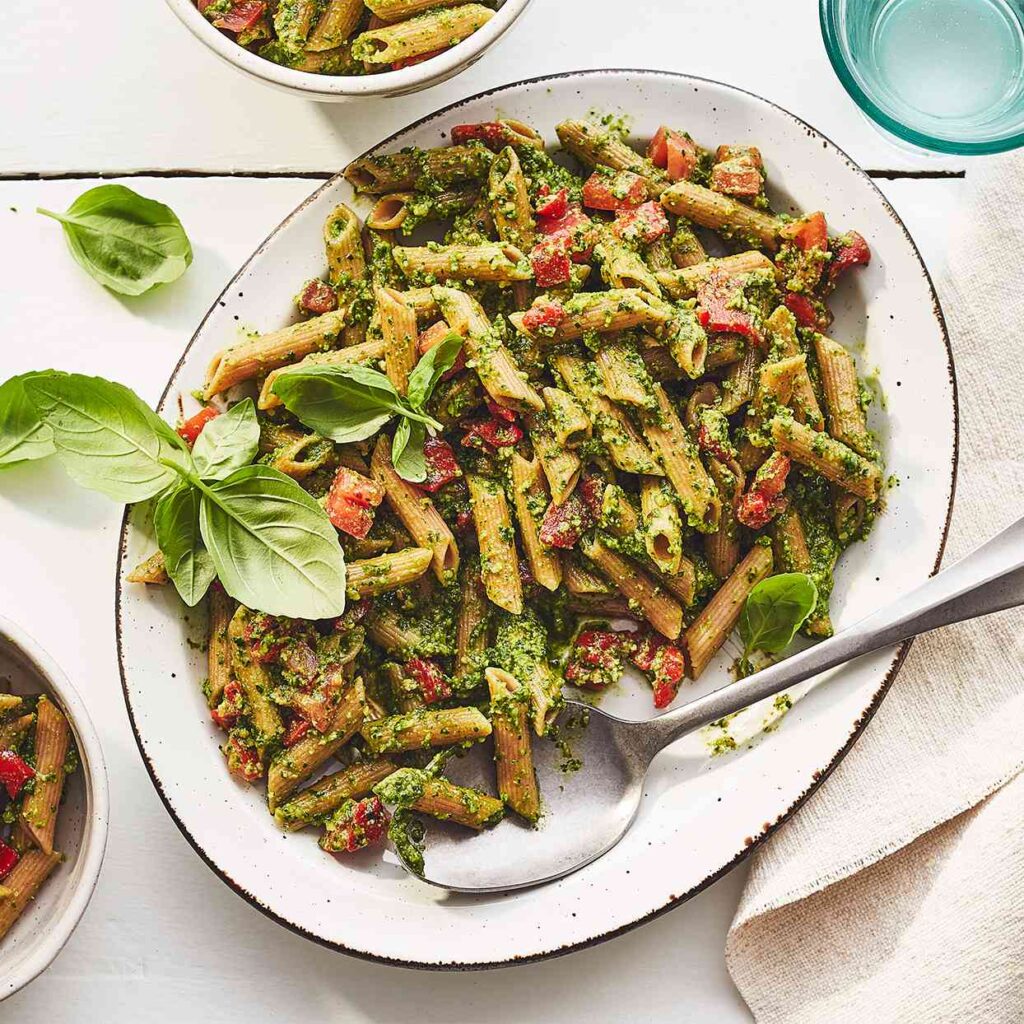
A signature Italian preparation, pesto is a fragrant sauce that pairs beautifully with pasta, salads, and sandwiches.
Ingredients: Fresh basil leaves, roasted nuts (cashew or pine nuts), garlic, olive oil, lemon juice, and salt.
Preparation: Blend all ingredients until smooth, adjusting oil and lemon juice for consistency.
Notes: For a vegan and dairy-free version, nutritional yeast may replace cheese to provide umami flavor.
Nutritional Value: High in healthy fats and antioxidants, promoting heart health.
2. Basil-Infused Tomato Soup
Tomato soup with fresh basil offers a comforting and nourishing meal.
Ingredients: Fresh tomatoes, onions, garlic, olive oil, and fresh basil leaves.
Preparation: Sauté onions and garlic, add chopped tomatoes, and simmer for 15 minutes. Blend, strain, and add basil before serving.
Benefits: Basil balances the acidity of tomatoes while adding freshness and digestive support.
3. Lemon Basil Rice
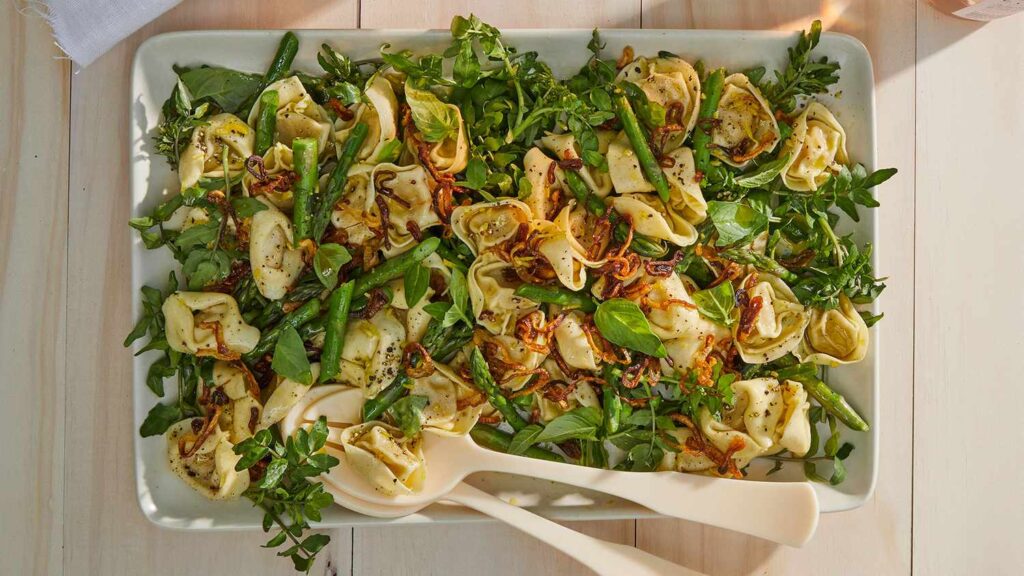
A simple yet aromatic dish that complements various curries or can be eaten alone.
Ingredients: Cooked rice, lemon zest, basil leaves, mustard seeds, and olive oil.
Preparation: Heat oil, add mustard seeds, mix in rice, lemon zest, and chopped basil. Serve warm.
Highlight: Combines the freshness of lemon and basil for a zesty, rejuvenating meal.
4. Basil and Vegetable Stir-Fry
A quick, colorful, and nutrient-rich meal for busy days.
Ingredients: Mixed vegetables (bell peppers, zucchini, carrots), garlic, soy sauce, olive oil, and basil.
Preparation: Sauté vegetables in oil, add soy sauce, and toss in basil at the end for aroma.
Nutritional Value: High in fiber and antioxidants, with minimal oil for a light yet flavorful dish.
5. Basil-Flavored Roasted Potatoes
A wholesome side dish or snack ideal for all ages.
Ingredients: Baby potatoes, olive oil, salt, pepper, garlic, and chopped basil.
Preparation: Toss potatoes with seasonings and bake at 200°C for 25 minutes. Sprinkle fresh basil before serving.
Taste Profile: Combines earthy potato flavor with basil’s vibrant freshness and mild sweetness.
6. Basil and Cucumber Cooler
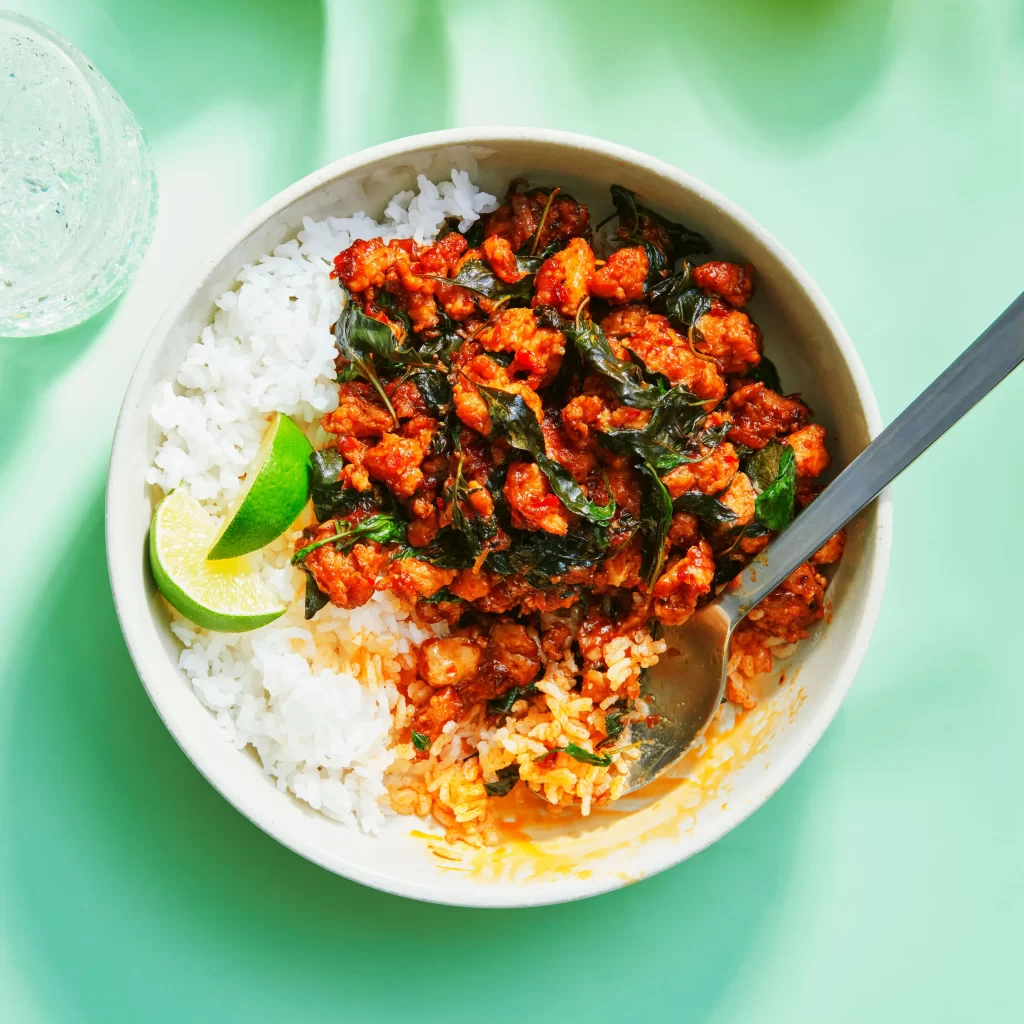
A refreshing beverage that rejuvenates the body, especially in summer.
Ingredients: Fresh cucumber juice, basil leaves, lemon juice, and honey (optional).
Preparation: Blend all ingredients with ice and strain. Serve chilled.
Health Benefits: Hydrating, cooling, and rich in antioxidants; promotes detoxification and digestion.
7. Basil Pasta with Vegetables
A healthy, vegetarian alternative to traditional creamy pasta.
Ingredients: Whole-grain pasta, bell peppers, zucchini, cherry tomatoes, olive oil, garlic, and fresh basil.
Preparation: Sauté vegetables, add boiled pasta, and toss with basil pesto or fresh chopped basil.
Nutritional Value: High in fiber and vitamins, ideal for balanced vegetarian diets.
8. Basil-Infused Lentil Soup
Combining protein-rich lentils with aromatic basil creates a hearty, nutritious dish.
Ingredients: Lentils, onions, garlic, tomatoes, and basil leaves.
Preparation: Cook lentils with vegetables, season with salt and pepper, and finish with basil before serving.
Benefits: Provides plant-based protein, iron, and antioxidants for a wholesome meal.
9. Basil Paneer Wraps (Vegetarian)
These wraps are a protein-packed lunch option with a fresh herbal twist.
Ingredients: Whole-wheat tortillas, paneer (Indian cottage cheese), bell peppers, onions, and basil chutney.
Preparation: Sauté paneer and vegetables, spread basil chutney on the wrap, and roll tightly.
Health Aspect: High in calcium and fiber, making it filling and nutritious.
10. Basil-Infused Vegetable Soup
A light, clear soup ideal for detox and immunity boosting.
Ingredients: Carrots, beans, peas, onions, garlic, and basil.
Preparation: Boil vegetables in water, season lightly, and add basil just before serving.
Benefits: Low in calories, high in nutrients, and easy to digest.
Culinary Techniques for Using Fresh Basil
- Add at the Right Time: Fresh basil loses flavor when overcooked. Always add it near the end of cooking.
- Use Fresh, Not Dried: Dried basil has a muted aroma; fresh leaves preserve essential oils.
- Pairing: Basil pairs well with tomatoes, citrus, garlic, and nuts, making it adaptable across cuisines.
- Storage Tips: Wrap fresh basil in a damp cloth or keep stems in water at room temperature for longevity.
Cultural and Environmental Significance
Basil has deep cultural roots, symbolizing purity and good fortune in several traditions. In India, the holy basil (Ocimum tenuiflorum, or Tulsi) holds spiritual and medicinal importance. In Mediterranean cultures, basil represents love and protection.
Growing basil at home is simple and environmentally sustainable. It thrives in warm climates, requires minimal space, and contributes to biodiversity. Home cultivation also ensures chemical-free, fresh leaves for everyday use.
Discussion
The integration of fresh basil into vegetarian meals showcases its culinary versatility and nutritional significance. Unlike many processed flavoring agents, basil adds depth and aroma naturally while supporting digestive health. The herb’s antioxidant properties help combat oxidative stress and inflammation.
Moreover, the global shift toward plant-based diets underscores the importance of flavor variety. Basil bridges this gap by adding zest and fragrance, making vegetarian meals more enjoyable and satisfying. It promotes mindful cooking — focusing on freshness, balance, and minimal waste.
Conclusion
Fresh basil represents more than an herb; it is a cornerstone of healthy, sustainable, and flavorful vegetarian cuisine. Its adaptability allows it to enhance a range of dishes—from soups and salads to main courses and beverages—while contributing significant nutritional benefits.
Through the recipes and insights presented, this study demonstrates how incorporating fresh basil into daily cooking not only enriches taste but also fosters a deeper connection with wholesome, plant-based living. In a world increasingly reliant on convenience foods, returning to simple, herb-based cooking with ingredients like basil offers both nourishment and inspiration for everyday wellness.