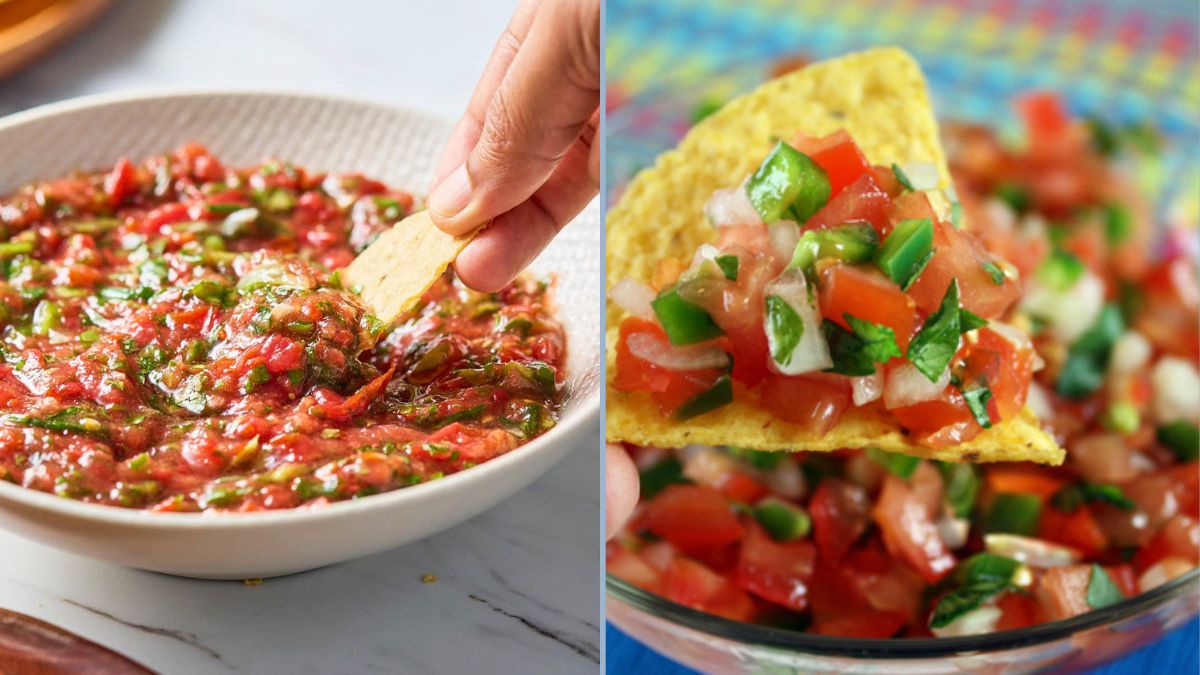
Tomato salsa is one of the most popular condiments across the world, cherished for its fresh flavor, nutritional richness, and versatility in vegetarian cooking. This paper explores the preparation of homemade tomato salsa using fresh, garden-grown tomatoes. The study emphasizes the advantages of using locally grown produce, discusses the nutritional profile of key ingredients, and presents variations of salsa suited to everyday vegetarian meals. By focusing on freshness, sustainability, and simplicity, this article demonstrates how homemade salsa not only enhances taste but also supports a healthy, plant-based lifestyle.
Introduction
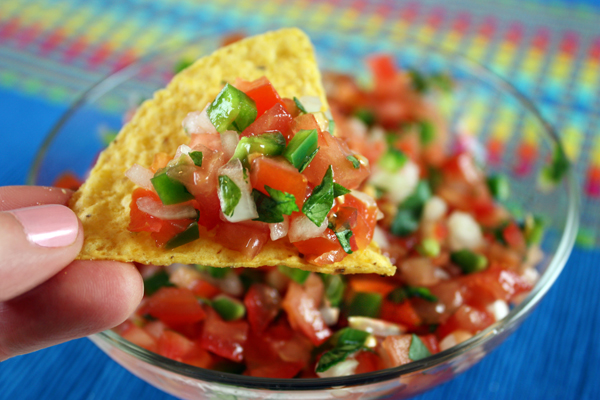
Tomatoes (Solanum lycopersicum) are among the most widely cultivated and consumed vegetables globally. They are valued not only for their vibrant color and taste but also for their exceptional nutritional content. Garden-grown tomatoes, in particular, offer superior flavor and freshness compared to commercially produced varieties, as they are harvested at peak ripeness without chemical ripening agents.
Salsa, a Spanish word meaning “sauce,” has evolved from its Mexican origins into a global culinary staple. Traditionally made from tomatoes, chili peppers, onions, and herbs, salsa serves as both a condiment and a side dish. It can be paired with numerous vegetarian foods such as roasted vegetables, rice, nachos, or whole-grain bread.
This article presents a comprehensive guide to preparing homemade tomato salsa using fresh garden tomatoes, examining the process, nutritional benefits, variations, and its role in sustainable vegetarian diets.
Nutritional Value of Tomatoes and Salsa Ingredients
Tomatoes are nutrient-dense and low in calories, making them ideal for healthy meal planning. A 100-gram serving of raw tomatoes provides approximately 18 calories and significant amounts of vitamin C, potassium, folate, and the antioxidant lycopene.
Key nutritional aspects:
- Lycopene: A powerful antioxidant known for reducing oxidative stress and promoting heart health.
- Vitamin C: Strengthens the immune system and enhances collagen synthesis.
- Potassium: Helps regulate blood pressure and nerve function.
- Fiber: Aids digestion and promotes satiety.
Other common salsa ingredients, such as onions, garlic, cilantro, and lemon, contribute additional benefits:
- Onions and garlic contain sulfur compounds that support heart and immune health.
- Cilantro provides detoxifying properties and a refreshing herbal note.
- Lemon or lime juice adds vitamin C and balances acidity, enhancing both flavor and preservation.
Together, these ingredients create a nutrient-packed, low-fat condiment suitable for vegetarian diets.
Why Use Garden-Grown Tomatoes?
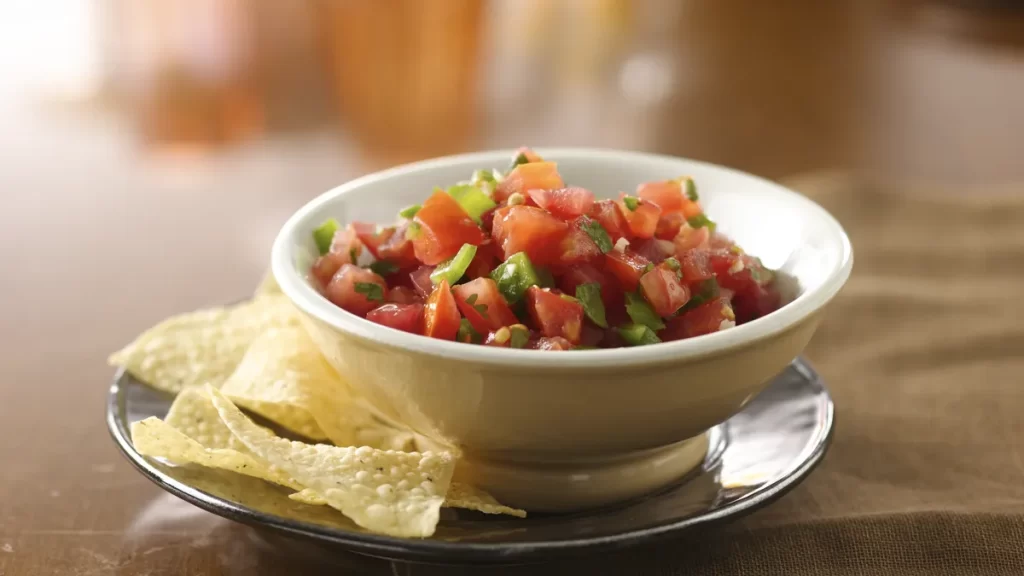
Home-grown or locally cultivated tomatoes have distinct advantages over store-bought varieties:
- Superior Flavor: Tomatoes allowed to ripen naturally on the vine develop higher sugar content, resulting in a more intense and balanced flavor.
- Nutrient Retention: Garden tomatoes often contain higher vitamin and antioxidant levels due to minimal storage and transport time.
- No Chemical Additives: They are free from artificial ripening agents and preservatives.
- Sustainability: Growing tomatoes at home reduces the carbon footprint associated with transportation and packaging.
- Economic and Emotional Value: Home gardening encourages sustainable living and provides personal satisfaction from cultivating one’s own food.
Thus, homemade salsa prepared from garden-fresh tomatoes not only enhances flavor but also promotes ecological and nutritional well-being.
The Science Behind Salsa Flavor
The unique taste of tomato salsa arises from a blend of natural acids, sugars, and aromatic compounds. When combined with herbs and citrus, the natural glutamates in tomatoes produce a deep umami flavor — often described as savory satisfaction.
Acidity from lemon or vinegar enhances freshness, while the mild heat from chili peppers activates taste receptors, stimulating appetite and digestion. The balance between sweet, sour, and spicy flavors makes salsa a dynamic addition to vegetarian meals.
Homemade Tomato Salsa Recipe
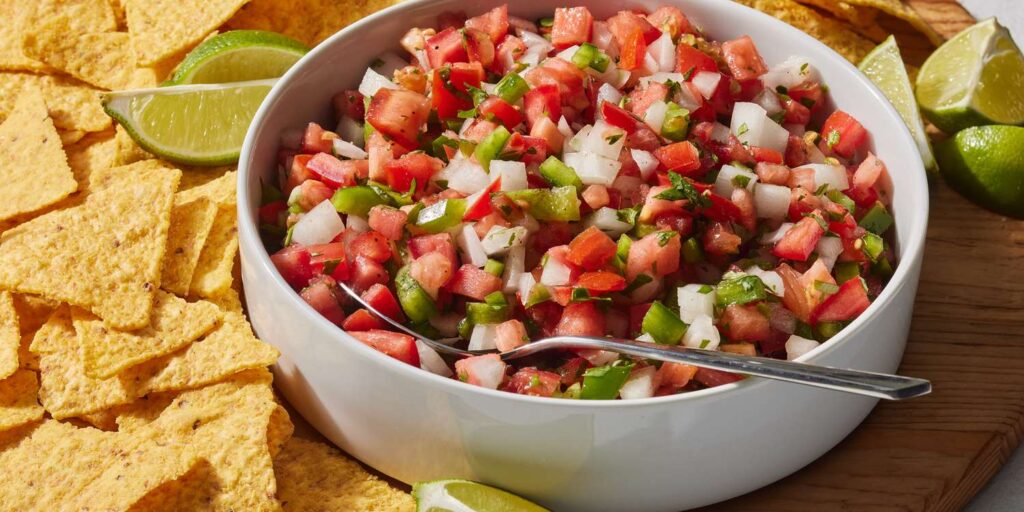
Ingredients (for approximately 500g of salsa):
- 6 medium ripe garden tomatoes
- 1 small red onion
- 2 cloves of garlic
- 1–2 green chilies (adjust to taste)
- 1 tablespoon fresh lime or lemon juice
- A handful of fresh cilantro (coriander leaves)
- 1 tablespoon olive oil (optional)
- Salt to taste
- A pinch of cumin or black pepper (optional)
Preparation Method:
- Selecting Tomatoes: Choose firm, ripe tomatoes with bright red skin. Avoid overripe or mushy ones.
- Blanching (optional): For a smoother texture, blanch tomatoes in boiling water for 30 seconds and peel the skin.
- Chopping: Finely dice the tomatoes, onions, chilies, and cilantro.
- Mixing: Combine all ingredients in a bowl. Add salt, lime juice, and olive oil.
- Resting: Allow the salsa to rest for 10–15 minutes to let the flavors blend.
- Serving: Serve fresh as a dip, side dish, or topping.
Storage Tip: Store salsa in a glass jar and refrigerate. It remains fresh for up to 3 days. Avoid storing in metal containers, as acidity may react with the surface.
Variations of Homemade Tomato Salsa
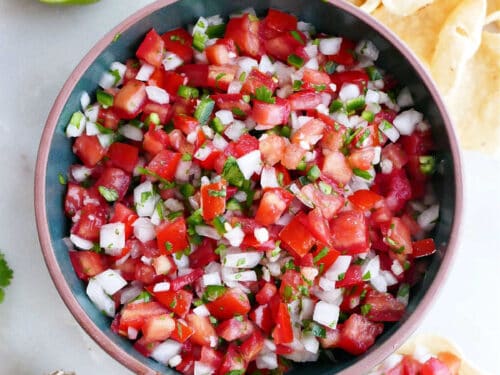
To cater to different preferences and regional tastes, various versions of salsa can be made using the same base ingredients:
- Chunky Garden Salsa: Keep vegetables coarsely chopped for a rustic, hearty texture.
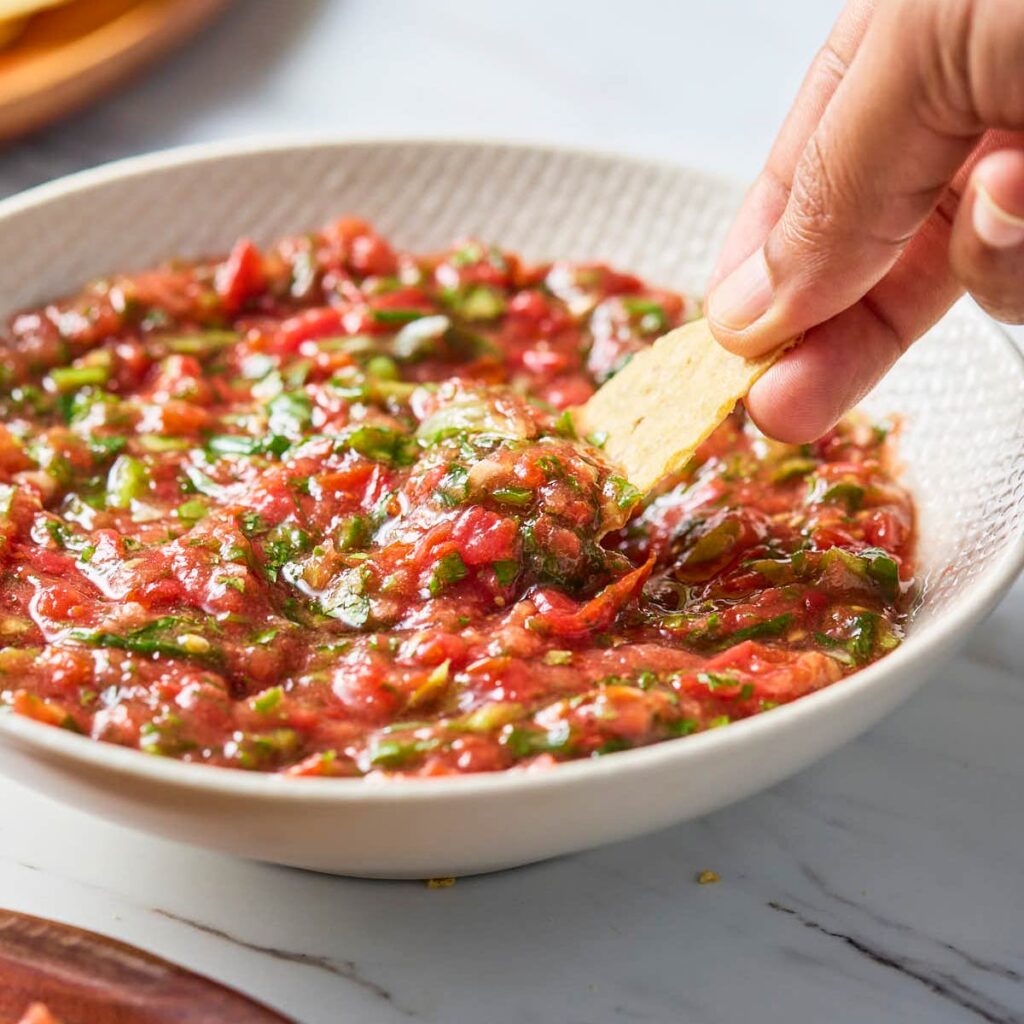
- Smooth Salsa: Blend all ingredients for a creamy, sauce-like consistency ideal for tacos or pasta.
- Roasted Tomato Salsa: Roast tomatoes, onions, and garlic before blending. This enhances sweetness and adds a smoky flavor.
- Spicy Salsa Verde (Green Version): Substitute red tomatoes with green ones or tomatillos for a tangier taste.
- Fruit-Infused Salsa: Add diced mango, pineapple, or cucumber for a refreshing twist suited to summer meals.
All variations remain vegetarian and can be paired with numerous plant-based dishes, from rice bowls to wraps.
Culinary Applications of Tomato Salsa
Homemade tomato salsa is an exceptionally versatile condiment. It can be used as:
- A dip for nachos, vegetable sticks, or crackers.
- A topping for roasted vegetables, baked potatoes, or salads.
- A side for grilled tofu, paneer, or quinoa dishes.
- A spread on sandwiches, wraps, and veggie burgers.
- A base for pasta sauces or stews, enhancing flavor naturally without preservatives.
By replacing processed condiments with fresh salsa, individuals can significantly reduce sodium and sugar intake, making meals healthier and more natural.
Nutritional and Health Implications
Homemade tomato salsa offers numerous health benefits, particularly for vegetarians seeking nutrient-rich, low-calorie condiments. Its nutritional composition supports various aspects of wellness:
- Heart Health: Lycopene and potassium help regulate cholesterol and blood pressure.
- Digestive Health: Dietary fiber and mild spices stimulate metabolism and gut health.
- Weight Management: Low in calories and fat, salsa enhances meals without excess calories.
- Immunity Support: High vitamin C content strengthens immune defense.
- Antioxidant Protection: Regular consumption combats oxidative stress and promotes skin health.
Compared to store-bought sauces that often contain added sugar, salt, and preservatives, homemade salsa ensures purity, freshness, and nutritional integrity.
Sustainability and Local Food Systems
The practice of preparing salsa with garden-grown tomatoes contributes to sustainable food systems. It reduces dependence on industrially produced condiments and encourages home gardening, composting, and waste reduction.
Locally sourced ingredients lower transportation emissions and support biodiversity. Furthermore, homemade salsa allows complete control over ingredient selection—favoring organic produce and reusable containers—thereby minimizing environmental impact.
Discussion
Tomato salsa represents the harmony of simplicity and nutrition in vegetarian cuisine. Its universal appeal lies in its adaptability across cultures, from Mexican and Mediterranean to Indian and Asian vegetarian meals.
Using homegrown tomatoes adds an element of self-reliance and ensures superior taste and nutrition. The process of making salsa fosters an appreciation for fresh produce and traditional cooking methods, aligning with modern trends in sustainable living and plant-based nutrition.
Moreover, the sensory qualities of homemade salsa — its color, aroma, and tang — stimulate appetite and enhance meal satisfaction, particularly when used as a companion to otherwise mild vegetarian dishes.
Conclusion
Homemade tomato salsa, especially when made with garden-fresh tomatoes, embodies the essence of healthy, flavorful, and sustainable cooking. Its preparation requires minimal effort, yet the outcome delivers exceptional taste, nutrition, and versatility.
By combining natural ingredients like tomatoes, herbs, and citrus, this simple condiment transforms ordinary vegetarian meals into vibrant, nutrient-rich experiences. Beyond its culinary appeal, salsa reflects broader values of sustainability, health consciousness, and respect for fresh, locally grown produce.
In conclusion, the art of making homemade tomato salsa represents not just a recipe, but a lifestyle choice — one that celebrates freshness, balance, and the profound satisfaction of creating wholesome food from one’s own garden.