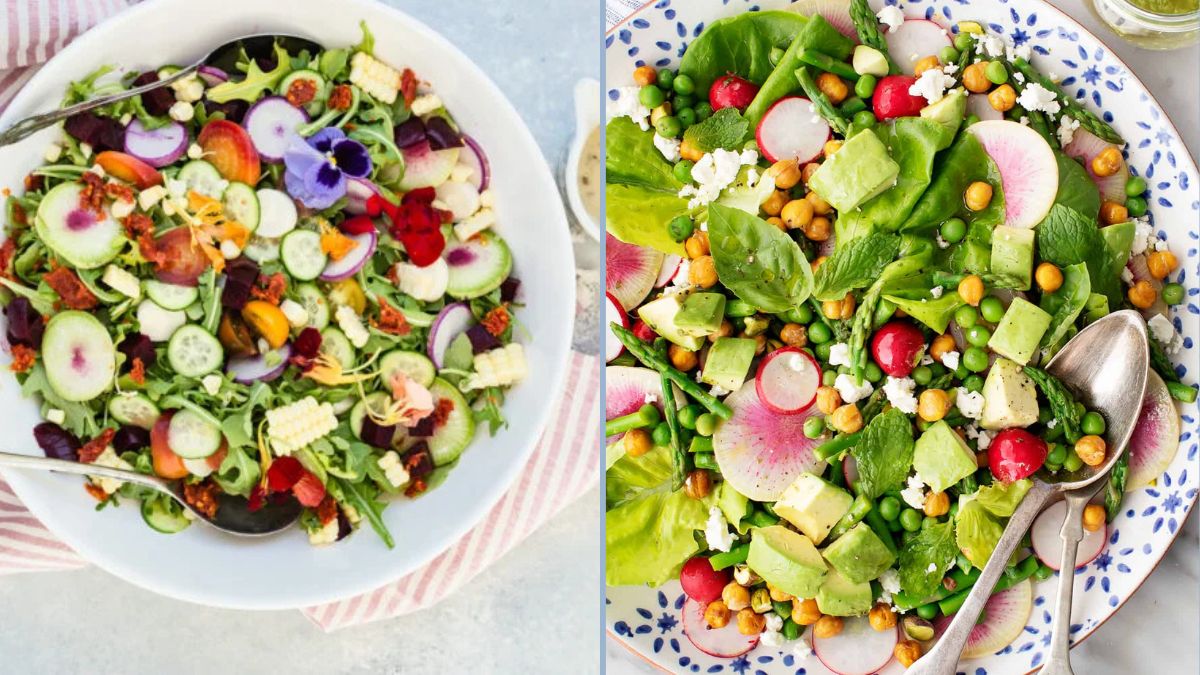
The increasing focus on healthy and sustainable eating has led to a growing interest in home gardening and the consumption of fresh, seasonal produce. Summer salads, made directly from ingredients harvested in one’s own garden, exemplify this trend by combining nutrition, freshness, and convenience. This paper explores the concept of preparing nutrient-rich vegetarian summer salads using homegrown vegetables, herbs, and fruits. It discusses the health benefits, flavor combinations, and preparation techniques that highlight freshness and sustainability. The study demonstrates how garden-to-table salads not only promote personal health but also encourage eco-friendly food practices and a deeper connection with nature.
Introduction
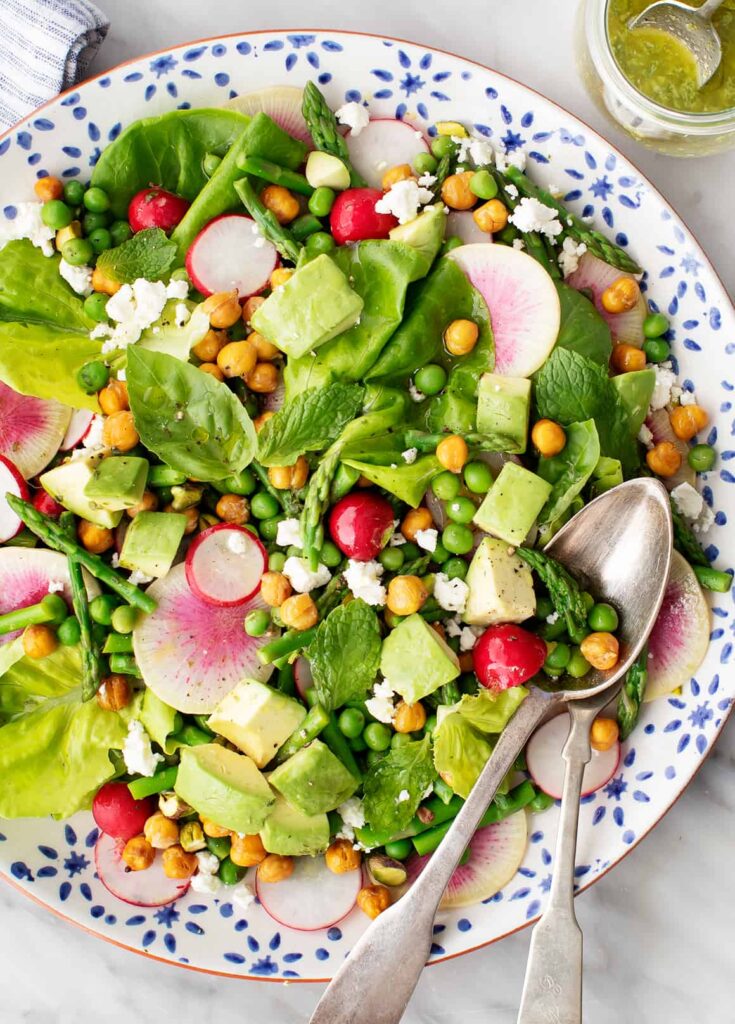
Summer is the season of abundance, color, and vitality — qualities that are best reflected in a bowl of freshly prepared salad. With longer days and warmer temperatures, the body naturally craves light, refreshing meals rich in water and nutrients. Salads, especially those made from homegrown produce, fulfill these needs perfectly by offering a combination of hydration, vitamins, and fiber.
Home gardening provides easy access to organic and chemical-free vegetables and herbs. Using garden produce for salad preparation reduces dependence on store-bought ingredients and minimizes food miles, thereby contributing to environmental sustainability.
This paper focuses on the art of creating delicious and nutritious summer salads using ingredients readily available in home gardens. It emphasizes vegetarian options that celebrate the natural flavors of plants while ensuring health, taste, and sustainability.
Nutritional Benefits of Summer Salads
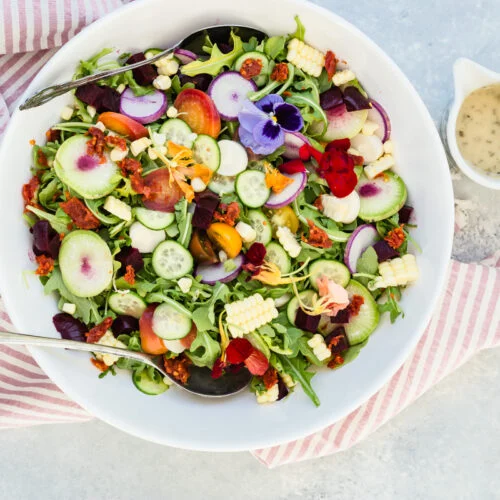
Fresh vegetables and fruits are naturally low in calories but dense in essential nutrients. When consumed raw or lightly dressed, they retain their vitamins, minerals, and antioxidants. The key nutritional advantages of summer salads include:
- Hydration: Vegetables like cucumber, lettuce, and tomatoes are over 90% water, helping maintain hydration during hot weather.
- Fiber: Raw salads provide dietary fiber that supports digestion and helps manage cholesterol levels.
- Vitamins and Minerals: Greens and fruits supply vitamins A, C, K, and folate, as well as potassium and magnesium.
- Antioxidants: Herbs, leafy greens, and colorful vegetables contain phytonutrients that protect cells from oxidative damage.
- Low-Calorie Density: Salads are filling yet light, supporting healthy weight management.
By combining different textures and flavors — crunchy, juicy, tangy, and sweet — salads deliver both nutrition and sensory satisfaction.
Homegrown Ingredients for the Perfect Summer Salad
A typical home garden can supply a variety of salad-friendly ingredients throughout the summer months. Some common and easy-to-grow options include:
- Leafy Greens: Lettuce, spinach, kale, and arugula form the base of most salads.
- Vegetables: Tomatoes, cucumbers, bell peppers, radishes, and carrots add color and crunch.
- Herbs: Basil, mint, coriander, parsley, and dill enhance flavor naturally.
- Fruits: Strawberries, mangoes, apples, or oranges lend a sweet and refreshing contrast.
- Toppings: Seeds (chia, sunflower, sesame) and nuts (almonds, walnuts) add protein and texture.
Using these garden-fresh ingredients ensures freshness, seasonal diversity, and superior flavor compared to store-bought produce.
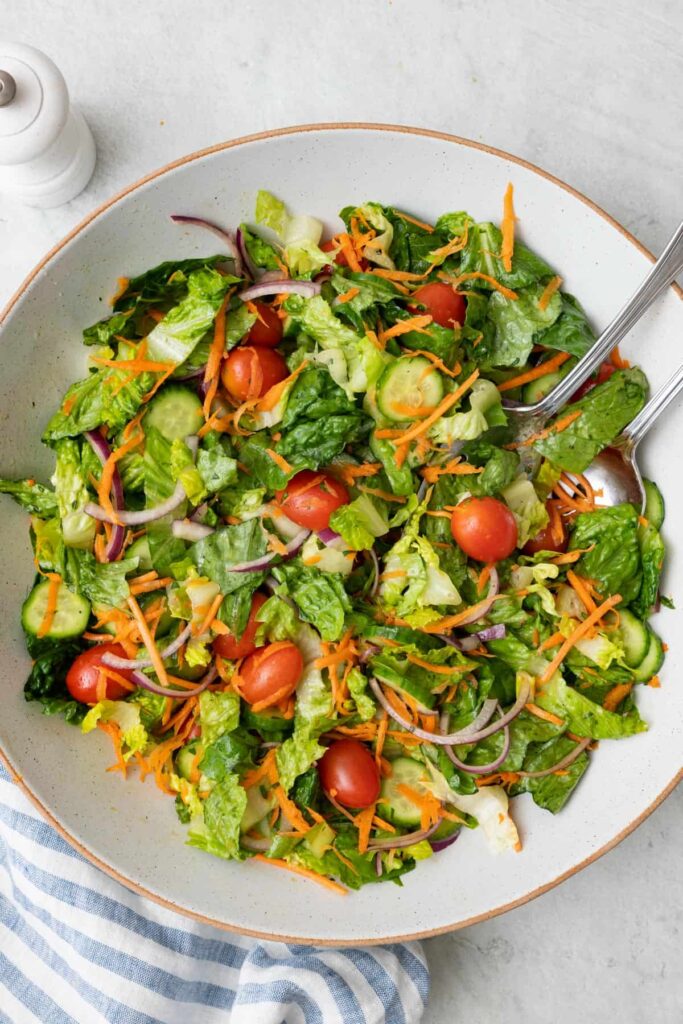
1. Classic Garden Salad
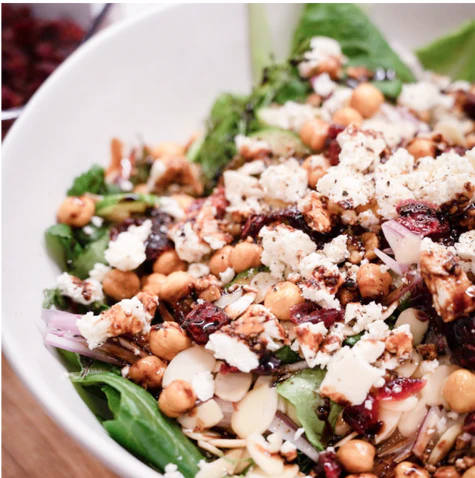
Ingredients: Lettuce, tomatoes, cucumber, carrots, and bell peppers.
Preparation: Chop all vegetables, toss with lemon juice, olive oil, and salt. Garnish with fresh parsley or coriander.
Nutritional Value: High in vitamins A and C, fiber, and hydration.
Creative Twist: Add roasted sunflower seeds for crunch or a spoon of yogurt dressing for creaminess.
2. Cucumber and Mint Cooling Salad
Ingredients: Sliced cucumbers, mint leaves, lemon juice, and a pinch of rock salt.
Preparation: Mix all ingredients and chill before serving.
Nutritional Value: Refreshing and hydrating; supports digestion and detoxification.
Creative Twist: Add a spoon of curd or yogurt for a probiotic-rich version.
3. Tomato and Basil Summer Bowl
Ingredients: Cherry tomatoes, basil leaves, olive oil, and a drizzle of honey or balsamic vinegar.
Preparation: Halve the tomatoes, mix with chopped basil, and drizzle with dressing.
Nutritional Value: Rich in antioxidants like lycopene; supports heart health.
Creative Twist: Add mozzarella substitutes (plant-based) or toasted bread cubes for texture.
4. Spinach and Strawberry Salad
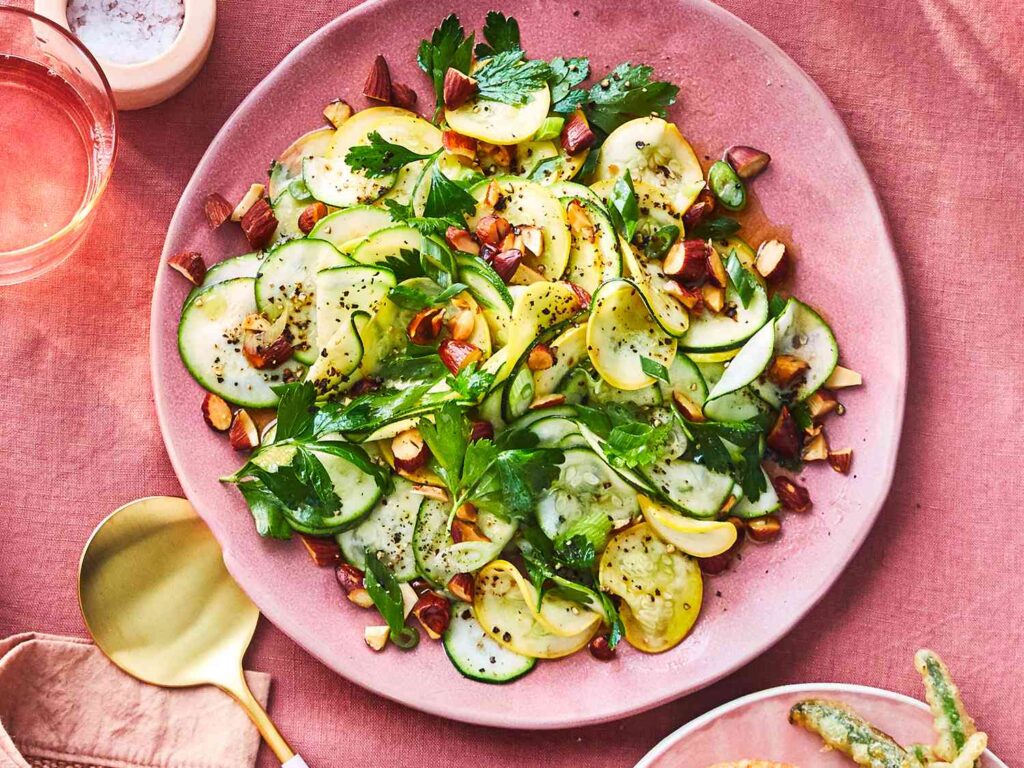
Ingredients: Tender spinach leaves, sliced strawberries, walnuts, and a honey-lemon dressing.
Preparation: Toss all ingredients together just before serving.
Nutritional Value: Combines iron-rich greens with vitamin C from fruit, enhancing iron absorption.
Creative Twist: Add chia seeds or pumpkin seeds for extra nutrients.
5. Rainbow Veggie Crunch Salad
Ingredients: Red cabbage, carrots, bell peppers (red, yellow, green), and a handful of herbs.
Preparation: Shred vegetables finely and toss with a light sesame or peanut dressing.
Nutritional Value: Packed with antioxidants and fiber; visually vibrant and nutritionally complete.
Creative Twist: Add crushed peanuts or roasted chickpeas for protein.
6. Mango and Avocado Salad
Ingredients: Ripe mango cubes, diced avocado, coriander leaves, and lemon juice.
Preparation: Gently mix all ingredients and serve immediately to preserve avocado texture.
Nutritional Value: High in healthy fats, potassium, and vitamin E.
Creative Twist: Add chili flakes for a tangy-spicy contrast.
7. Fresh Corn and Bean Salad
Ingredients: Boiled corn, kidney beans (or chickpeas), diced tomato, onion, coriander, and lime juice.
Preparation: Mix all ingredients, season with salt and cumin powder.
Nutritional Value: High in protein and fiber, perfect for a light lunch.
Creative Twist: Add diced bell peppers or a spoon of yogurt dressing for extra creaminess.
Homemade Salad Dressings
Store-bought salad dressings often contain preservatives, added sugars, and unhealthy fats. Simple homemade dressings made from pantry staples can elevate your salad without compromising health.
- Lemon-Honey Dressing: Mix lemon juice, olive oil, honey, and a pinch of black pepper.
- Yogurt Herb Dressing: Combine yogurt with mint, coriander, and salt for a creamy yet light texture.
- Sesame-Ginger Dressing: Blend sesame oil, grated ginger, and soy sauce for an Asian-inspired flavor.
- Apple Cider Vinaigrette: Mix apple cider vinegar, mustard, and olive oil for a tangy dressing rich in probiotics.
These homemade dressings are nutrient-dense, easy to make, and free from chemical additives.
Health and Environmental Benefits
Preparing salads from garden produce offers multiple advantages:
- Nutritional Freshness: Garden vegetables retain more vitamins and minerals due to minimal storage time.
- Reduced Food Waste: Harvesting as needed minimizes spoilage.
- Eco-Friendly: Reduces packaging waste and transportation emissions.
- Organic and Pesticide-Free: Home-grown produce avoids harmful chemicals.
- Physical and Mental Well-being: Gardening itself provides relaxation and physical activity, complementing healthy eating.
Together, these benefits make garden-based salad preparation an environmentally sustainable and health-promoting practice.
Discussion
Summer salads from the garden symbolize more than just healthy eating — they represent self-sufficiency and a return to nature. Each salad variation discussed in this study demonstrates how simple ingredients, when used creatively, can result in nutritionally rich and flavorful dishes.
Salads are versatile, catering to various dietary preferences, from vegan to gluten-free. Their high fiber and water content aid in detoxification and temperature regulation, making them ideal for summer months. Furthermore, salads encourage the consumption of raw foods, preserving enzymes and essential nutrients often lost through cooking.
From a sustainability perspective, the garden-to-table concept reduces carbon footprints and promotes biodiversity. Growing leafy greens, herbs, and vegetables at home also nurtures environmental awareness and reduces reliance on commercial agriculture. Thus, the act of preparing salads from homegrown ingredients embodies a holistic lifestyle — one that supports health, ecology, and mindful living.
Conclusion
Summer salads made from homegrown ingredients are a celebration of freshness, simplicity, and health. They embody the essence of seasonal eating — using what nature provides at its peak ripeness. With combinations of crisp vegetables, aromatic herbs, and juicy fruits, these salads deliver nourishment while tantalizing the senses.
By preparing salads from your garden, you not only ensure maximum nutritional value but also contribute to sustainable living practices. Each bowl of salad represents a fusion of taste and wellness — free from preservatives, rich in natural flavors, and aligned with eco-friendly living.
In conclusion, embracing garden-fresh summer salads is more than a dietary choice; it is a step toward a healthier body, a greener planet, and a more mindful way of life. The simplicity of sowing, growing, and savoring your own produce transforms everyday meals into wholesome experiences that nourish both the body and the soul.