A well-organized kitchen is the foundation of healthy, fresh, and efficient cooking. The modern home kitchen is not just a place to prepare food—it is a creative workspace that reflects one’s lifestyle, health goals, and sustainability practices. For individuals focused on vegetarian or plant-based diets, proper organization ensures that fresh ingredients like vegetables, fruits, and herbs remain easily accessible and well-preserved. This article explores the principles of kitchen organization aimed at promoting fresh cooking. It discusses the importance of storage systems, layout optimization, cleanliness, time management, and eco-friendly practices that enhance cooking efficiency and encourage a balanced, nutritious lifestyle.
Introduction
Cooking with fresh ingredients transforms the way we experience food. Fresh cooking emphasizes natural flavors, seasonal produce, and minimal processing—all of which promote better nutrition and sustainability. However, the process begins not with the stove but with the kitchen’s organization.
A cluttered or poorly arranged kitchen can make meal preparation stressful, leading to waste and reduced enthusiasm for cooking. Conversely, a well-organized kitchen supports creativity, cleanliness, and mindfulness in meal preparation.
This article provides an in-depth look at how to organize a kitchen effectively for fresh, vegetarian cooking. It addresses layout design, equipment management, ingredient storage, and practical systems to streamline meal preparation and reduce waste.
The Importance of Kitchen Organization
A well-planned kitchen offers multiple benefits beyond aesthetics. It influences efficiency, hygiene, and food quality.
1. Time Efficiency:
An organized kitchen saves time. Knowing where ingredients and tools are located allows you to prepare meals quickly and confidently.
2. Reduced Waste:
Proper storage of vegetables, fruits, and herbs prevents spoilage, ensuring minimal food waste.
3. Better Nutrition:
When fresh produce is visible and easily accessible, you’re more likely to use it regularly.
4. Enhanced Creativity:
A tidy, functional kitchen space inspires experimentation with new vegetarian recipes.
5. Sustainability:
Using the right containers, minimizing packaging, and composting organic waste align with eco-friendly cooking values.
Understanding the Kitchen Work Triangle
At the heart of kitchen design lies the “work triangle” principle, which connects three main areas:
- The Refrigerator (Storage Zone)
- The Sink (Cleaning Zone)
- The Stove or Countertop (Cooking Zone)
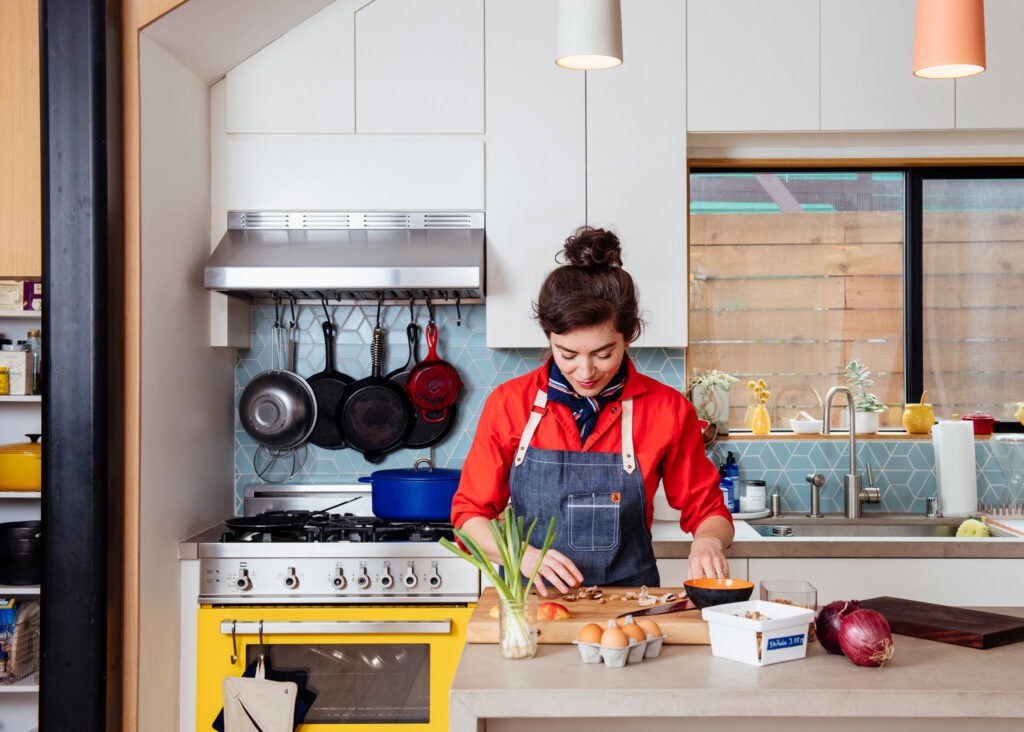
This layout minimizes unnecessary movement, allowing cooks to move seamlessly between preparation, cooking, and cleaning tasks. For fresh cooking, this efficient flow ensures that delicate vegetables and herbs are handled quickly and stored safely.
Zones of a Well-Organized Kitchen

To optimize workflow and maintain freshness, the kitchen can be divided into specific zones, each with a clear purpose.
1. Preparation Zone
This area should include:
- A spacious countertop for chopping vegetables and fruits.
- Access to cutting boards, knives, and mixing bowls.
- A compost bin or waste bowl for peels and scraps.
Keeping fresh produce close to the prep area reduces handling time and ensures ingredients remain crisp.
2. Cooking Zone
Arrange frequently used utensils—spatulas, spoons, pots, and pans—near the stove. Avoid overcrowding the area, and ensure ventilation to prevent moisture buildup that could affect nearby produce.
3. Storage Zone
This includes both pantry and refrigerator spaces.
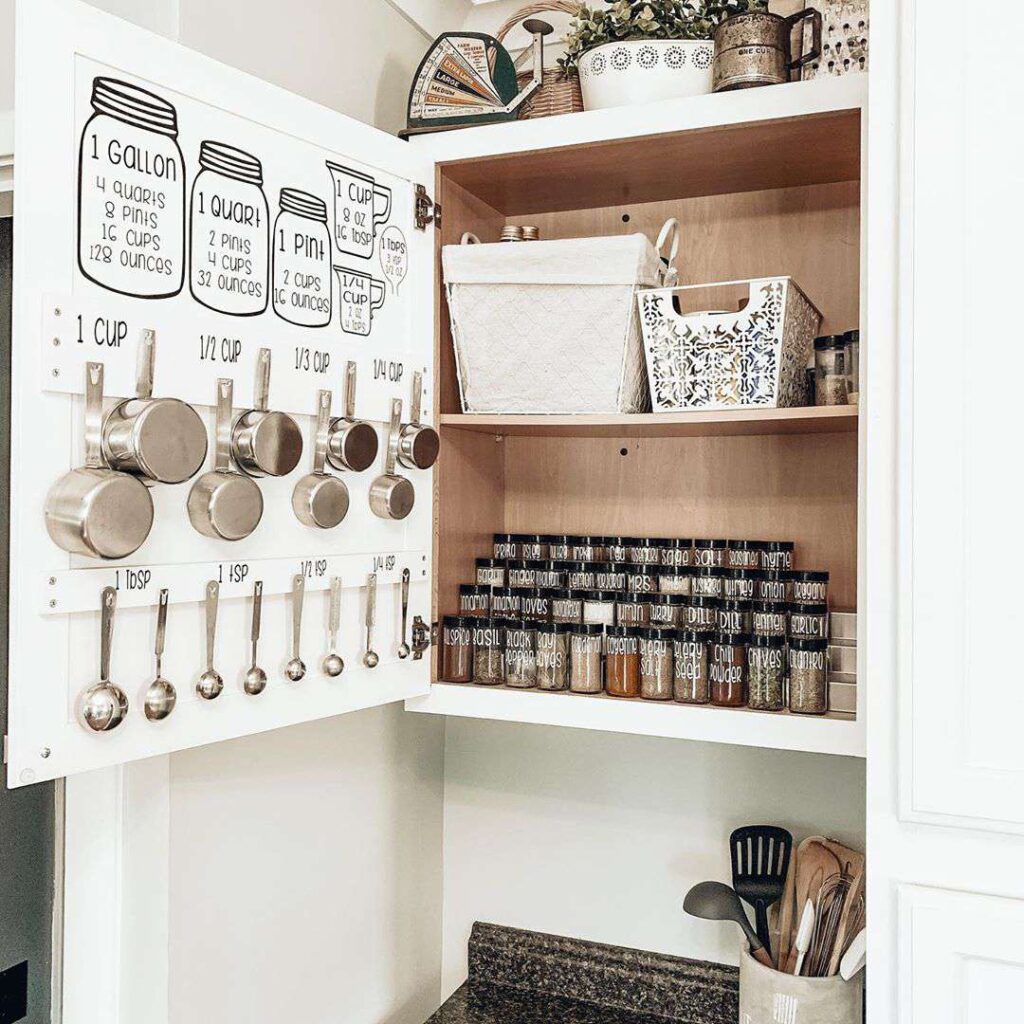
- Store grains, pulses, nuts, and spices in labeled, airtight glass jars.
- Group similar items together (e.g., cereals in one section, baking items in another).
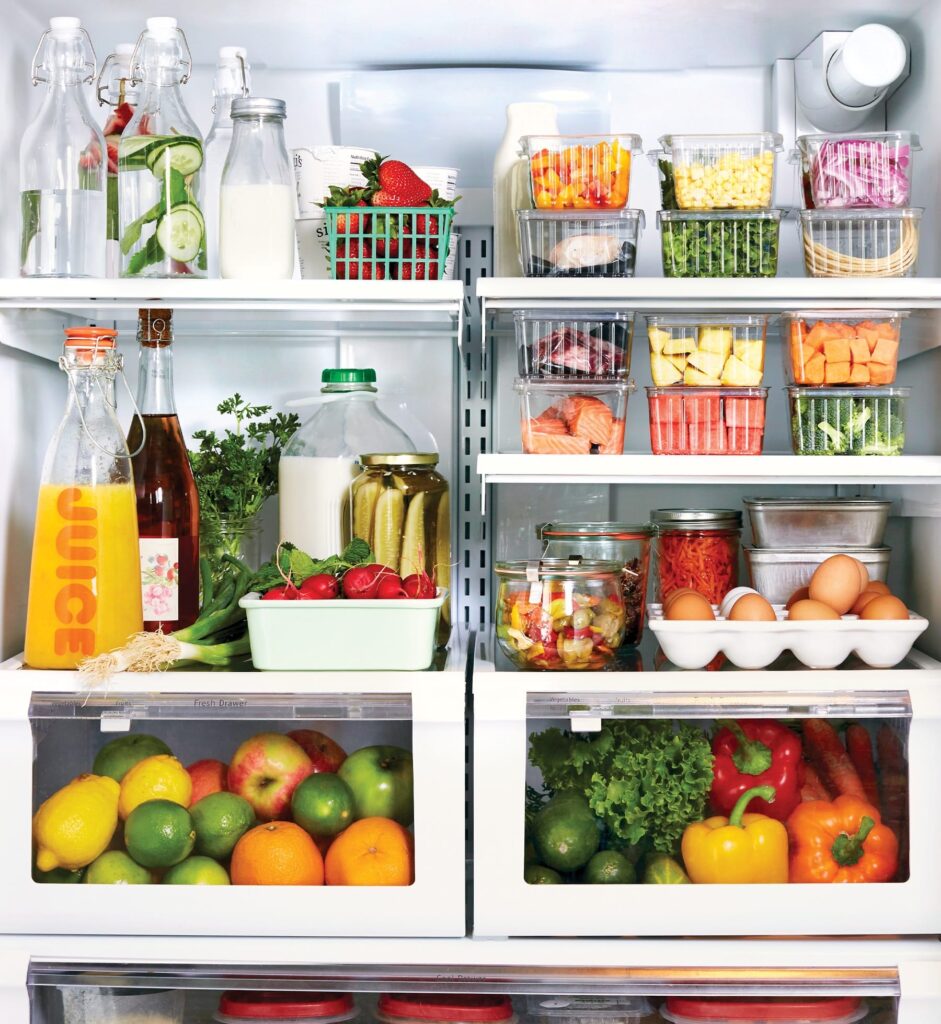
- Keep perishable items like greens and herbs in clear containers so they remain visible and used promptly.
4. Cleaning Zone
Ensure the sink area remains free of clutter. Keep natural cleaning supplies—like vinegar, baking soda, and reusable cloths—within reach to maintain hygiene without chemical residue on fresh produce.
Organizing Tools and Equipment
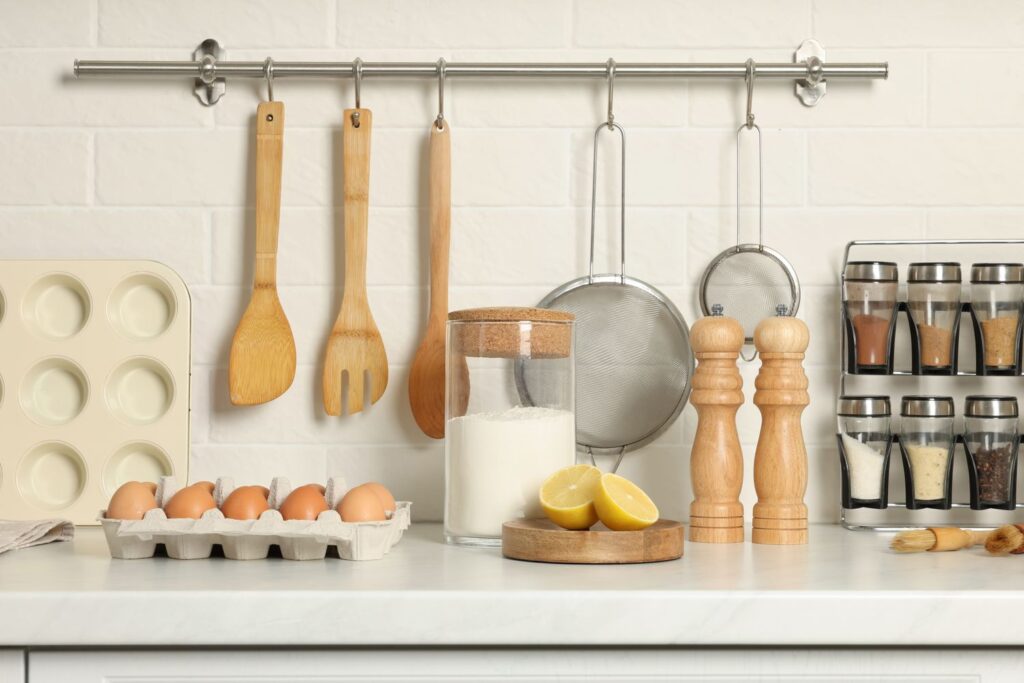
The success of fresh cooking depends on how efficiently tools are arranged and maintained.
Essential Tools for Vegetarian Cooking
- Sharp knives for chopping vegetables and fruits.
- Cutting boards (preferably bamboo or wooden) for durability and hygiene.
- Blenders or food processors for sauces, smoothies, and soups.
- Steamer baskets and woks for quick vegetable cooking.
- Salad spinners to dry greens effectively.
Keep these essentials within easy reach and categorize them by function—cutting, blending, cooking, and serving.
Decluttering Regularly
Remove unnecessary gadgets or duplicate tools. A clutter-free countertop enhances focus and prevents cross-contamination between raw produce and cooked dishes.
Effective Storage for Fresh Ingredients
Fresh ingredients require thoughtful storage to maintain quality and longevity.
1. Vegetables and Fruits
- Refrigerator Drawers: Separate fruits and vegetables; some fruits emit ethylene gas that can cause vegetables to spoil faster.
- Root Vegetables: Store in a cool, dark place rather than the refrigerator.
- Leafy Greens: Wrap in damp cloths or store in airtight containers to prevent wilting.
2. Fresh Herbs
- Store herbs like basil in a glass of water at room temperature.
- Keep parsley and cilantro refrigerated, wrapped in a damp paper towel.
- Freeze excess herbs in olive oil cubes for later use.
3. Dry Ingredients
Use transparent jars for grains, lentils, and spices. Label clearly with names and purchase dates to ensure freshness rotation.
Tip: Follow the “first in, first out” principle to use older stock before new items.
Sustainable and Eco-Friendly Practices
A kitchen for fresh cooking should also align with environmental responsibility.
- Composting: Use a countertop compost bin for vegetable scraps and fruit peels. Composting reduces waste and creates nutrient-rich soil for home gardens.
- Reusable Storage: Replace plastic wraps with beeswax wraps or glass containers.
- Minimal Packaging: Buy ingredients in bulk using reusable bags.
- Energy Efficiency: Use natural light when possible and invest in energy-saving appliances.
These practices ensure your kitchen supports both health and sustainability.
Maintaining Cleanliness and Hygiene
Fresh cooking requires a sanitary environment to preserve food safety.
Daily Cleaning Routine:
- Wipe counters and cutting boards after every use.
- Sanitize utensils that come in contact with raw produce.
- Regularly check and clean the refrigerator to remove spoiled items.
Weekly Maintenance:
- Deep clean cabinets, drawers, and the sink area.
- Organize shelves to maintain accessibility.
- Disinfect sponges and cloths to prevent bacterial buildup.
Clean surroundings protect fresh food from contamination and help maintain flavor and quality.
Time-Saving Strategies for Fresh Cooking
Efficient kitchen organization helps you prepare nutritious meals quickly—even with a busy schedule.
- Pre-chop and Store: Prepare vegetables in advance and store them in airtight containers.
- Label and Date: Use labels for prepped ingredients to avoid confusion.
- Group Ingredients by Recipe: Store components for commonly cooked meals together for quick access.
- Plan Weekly Menus: Reduces last-minute stress and ensures balanced, fresh meals.
By preparing and storing smartly, you reduce waste and encourage consistent healthy eating.
Aesthetic and Functional Design
A well-organized kitchen should also feel inviting. Visual harmony promotes calmness and creativity.
- Use natural light to highlight the freshness of produce.
- Incorporate open shelves for easy visibility of ingredients.
- Add plants or herbs near windows for both beauty and function.
- Opt for neutral or earthy tones that complement natural ingredients.
A visually pleasant environment encourages regular home cooking and mindful eating.
Common Mistakes to Avoid
- Overcrowding Counters: Cluttered spaces reduce efficiency.
- Ignoring Expiry Dates: Leads to spoilage and food waste.
- Poor Lighting: Makes food preparation difficult and unsafe.
- Mixing Fresh and Dry Storage: Can lead to moisture damage in dry goods.
- Neglecting Cleaning Schedules: Results in loss of hygiene and food freshness.
Awareness of these mistakes helps maintain a kitchen that’s both functional and inspiring.
Discussion
Organizing a kitchen for fresh cooking is not merely about appearance—it reflects a lifestyle that values health, sustainability, and mindfulness. In vegetarian households, where freshness directly influences nutritional intake and flavor, effective organization becomes even more critical.
Each element—from layout design and ingredient storage to cleanliness and eco-practices—plays a role in shaping a productive cooking environment. Moreover, kitchen organization promotes stress-free meal preparation, reduces waste, and fosters appreciation for the natural diversity of plant-based foods.
By combining functionality, aesthetics, and environmental consciousness, one transforms cooking from a daily task into a rewarding, sustainable practice.
Conclusion
A well-organized kitchen is the heart of fresh, vegetarian cooking. By strategically arranging tools, ingredients, and spaces, home cooks can enhance efficiency, maintain hygiene, and preserve the integrity of their produce.
The core principles—decluttering, zoning, sustainable storage, and consistent cleanliness—ensure a harmonious workflow that supports both health and creativity. When everything has its place, fresh cooking becomes effortless, enjoyable, and sustainable.
Ultimately, an organized kitchen is more than a workspace—it is a reflection of one’s values toward healthy living, respect for natural ingredients, and mindful connection to the food we prepare and share.