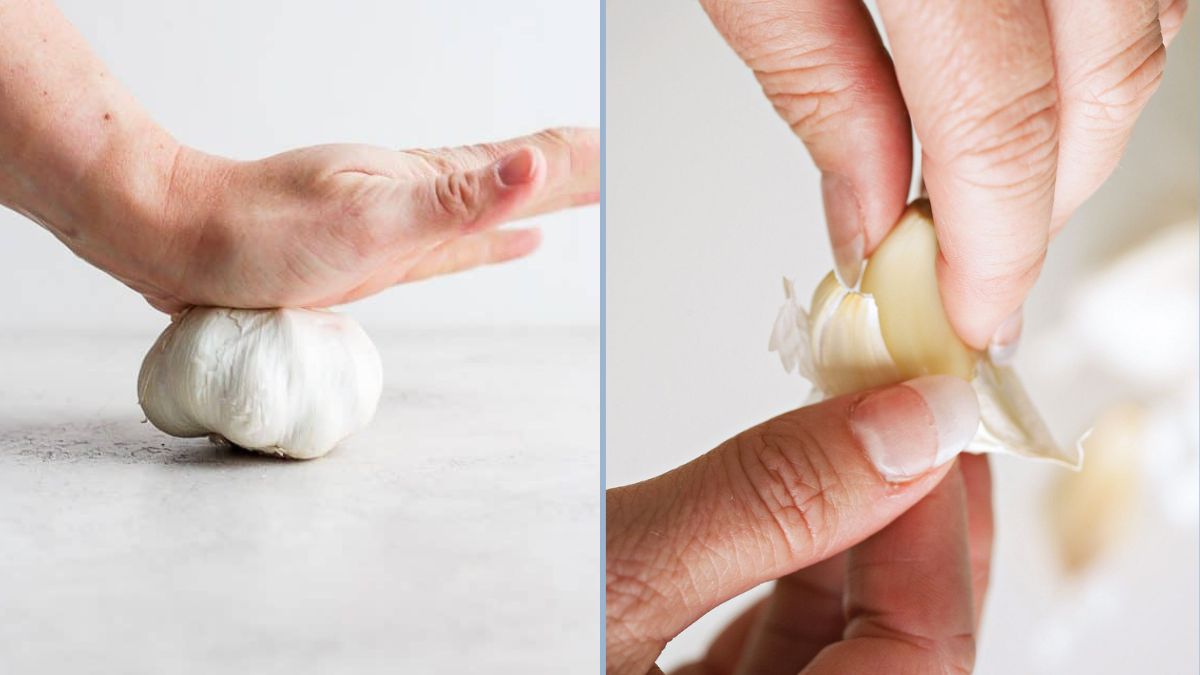
Garlic (Allium sativum) is a fundamental ingredient in vegetarian cooking across cultures. Its unique flavor and powerful health benefits make it a kitchen essential. However, one common inconvenience faced by cooks is peeling garlic cloves efficiently without wasting time or creating a mess. This article explores the science and techniques behind peeling garlic quickly and easily. It explains the structure of garlic, why the peel adheres tightly, and offers several methods—from traditional hand peeling to modern innovative tools—that streamline the process. The goal is to help home cooks and culinary students improve kitchen productivity while maintaining the quality and nutritional integrity of this vital plant-based ingredient.
Introduction
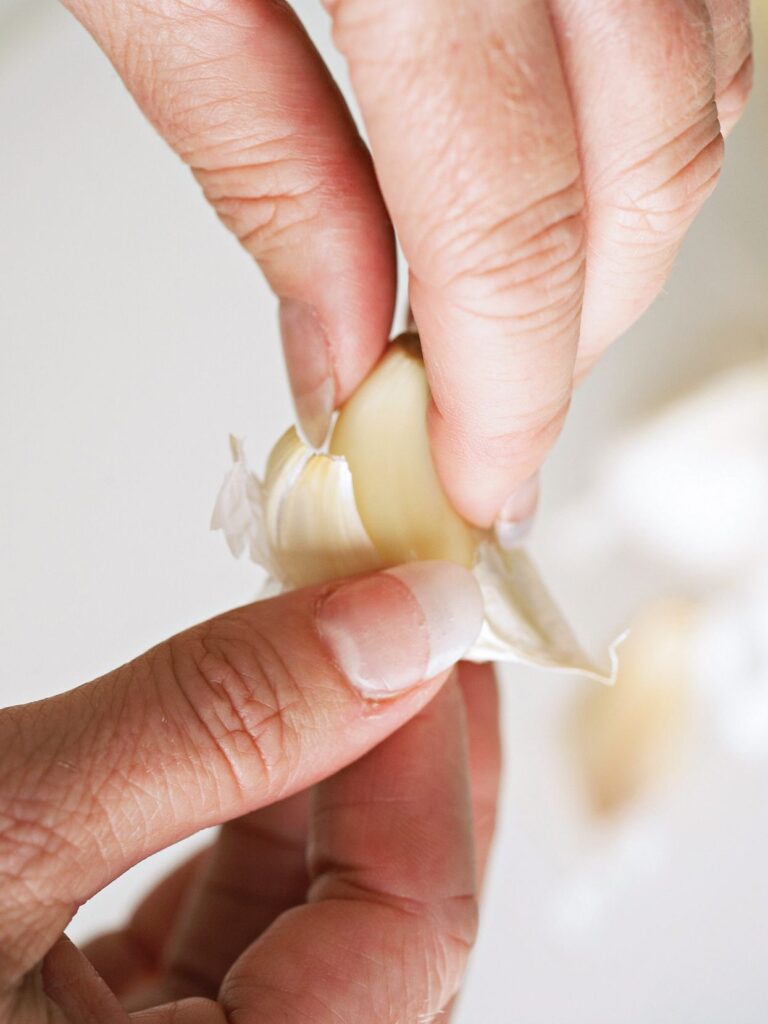
Garlic has been a cornerstone of vegetarian and plant-based cuisines for centuries. Its intense aroma, depth of flavor, and numerous medicinal properties have made it an indispensable ingredient in sauces, soups, stir-fries, and spice blends. However, the process of peeling garlic can often deter even enthusiastic cooks. The thin, papery skin tends to cling to the cloves, and the sticky natural oils can make handling cumbersome.
For efficient, mess-free cooking, mastering the skill of peeling garlic quickly and cleanly is crucial. This article examines the reasons garlic is difficult to peel and presents a variety of practical, evidence-based techniques that save time and enhance kitchen hygiene—all without compromising flavor or freshness.
Understanding Garlic Structure
Garlic grows underground as a bulb composed of multiple cloves. Each clove is surrounded by a thin, papery sheath, and the entire bulb is wrapped in several layers of protective skin.
Key Components of a Garlic Bulb:
- Outer Bulb Skin: The dry outer layer that protects the entire bulb.
- Clove Skin: The thin individual wrapper around each clove, tightly adhered due to natural oils and moisture.
- Clove Flesh: The edible part, rich in sulfur compounds that produce garlic’s distinctive aroma and health-promoting effects.
The papery skin’s purpose is protection—it keeps the cloves from losing moisture and shields them from microbial contamination. Unfortunately, this also makes peeling a challenge, particularly when cloves are small or unevenly shaped.
Nutritional Importance of Garlic
Garlic’s health benefits make it a vital component of vegetarian diets. It provides not only flavor but also several essential nutrients and bioactive compounds.
- Allicin: A sulfur compound released when garlic is crushed or chopped; known for its antibacterial, antiviral, and antifungal properties.
- Vitamins and Minerals: Contains vitamin B6, vitamin C, manganese, and selenium.
- Antioxidants: Help neutralize free radicals, promoting overall health.
- Heart Health Benefits: Studies suggest that garlic may reduce cholesterol levels and blood pressure.
Preserving these nutrients requires minimal handling and appropriate peeling techniques that prevent unnecessary exposure to air and heat.
Challenges in Peeling Garlic
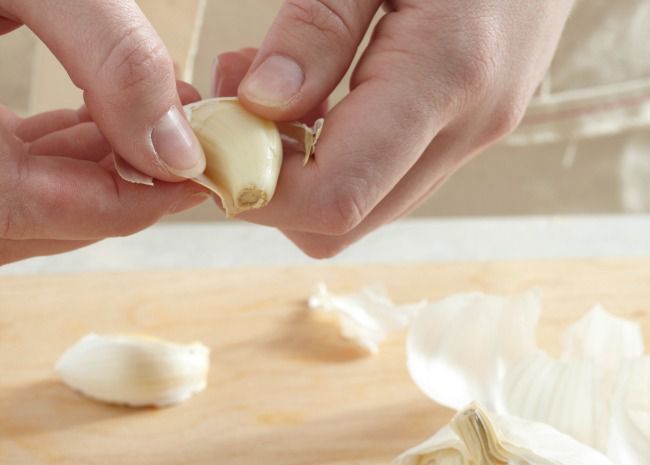
Several factors make garlic peeling tedious:
- The tight adherence of the skin to the clove due to low moisture content.
- The sticky nature of garlic oils released during crushing or cutting.
- The small size and irregular shape of cloves.
- The risk of bruising or crushing the clove when peeling forcefully.
Therefore, effective peeling techniques should balance speed, cleanliness, and preservation of clove integrity.
Effective Methods to Peel Garlic Quickly and Easily
1. The Smash and Peel Method
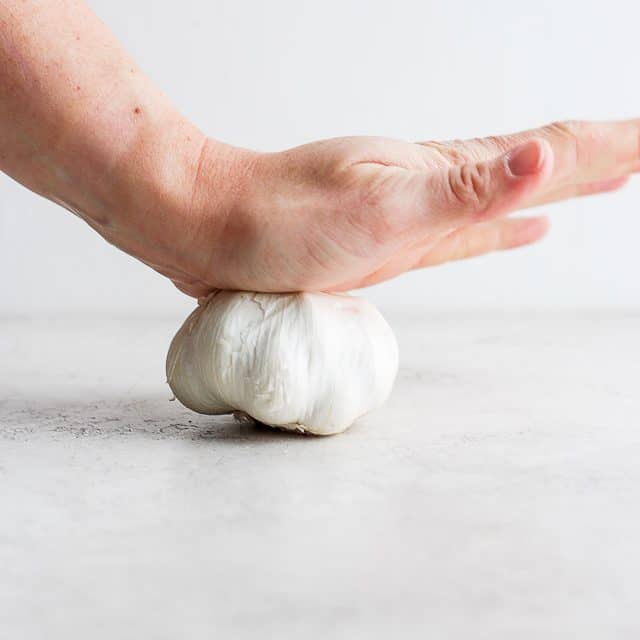
This is one of the simplest and most popular techniques among chefs.
Procedure:
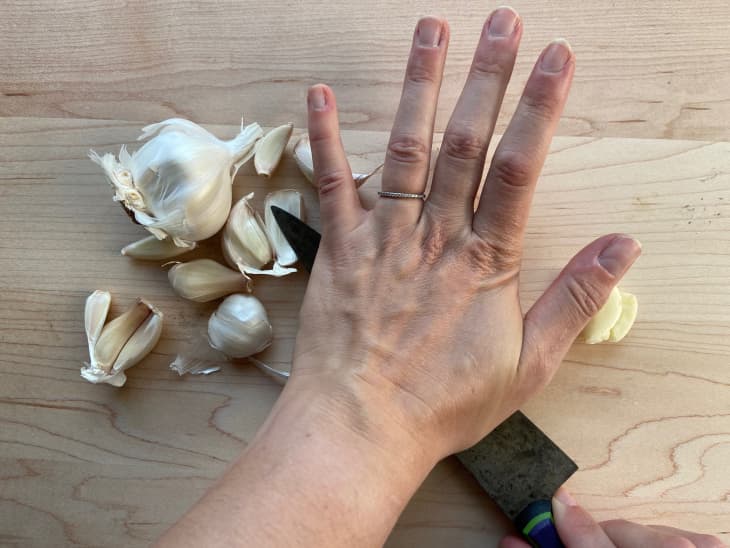
- Place a garlic clove under the flat side of a chef’s knife.
- Apply light pressure with the palm of your hand until the skin cracks.
- Remove the loosened peel easily with your fingers.
Scientific Basis:
Crushing the clove slightly breaks the bond between the skin and the flesh, releasing natural oils that help separate the layers.
Advantages:
- Quick and requires no special tools.
- Releases aroma, making it ideal for recipes where garlic will be minced or crushed.
Note:
Avoid excessive pressure if you need whole, unbruised cloves.
2. The Shake Method (Jar or Bowl Technique)
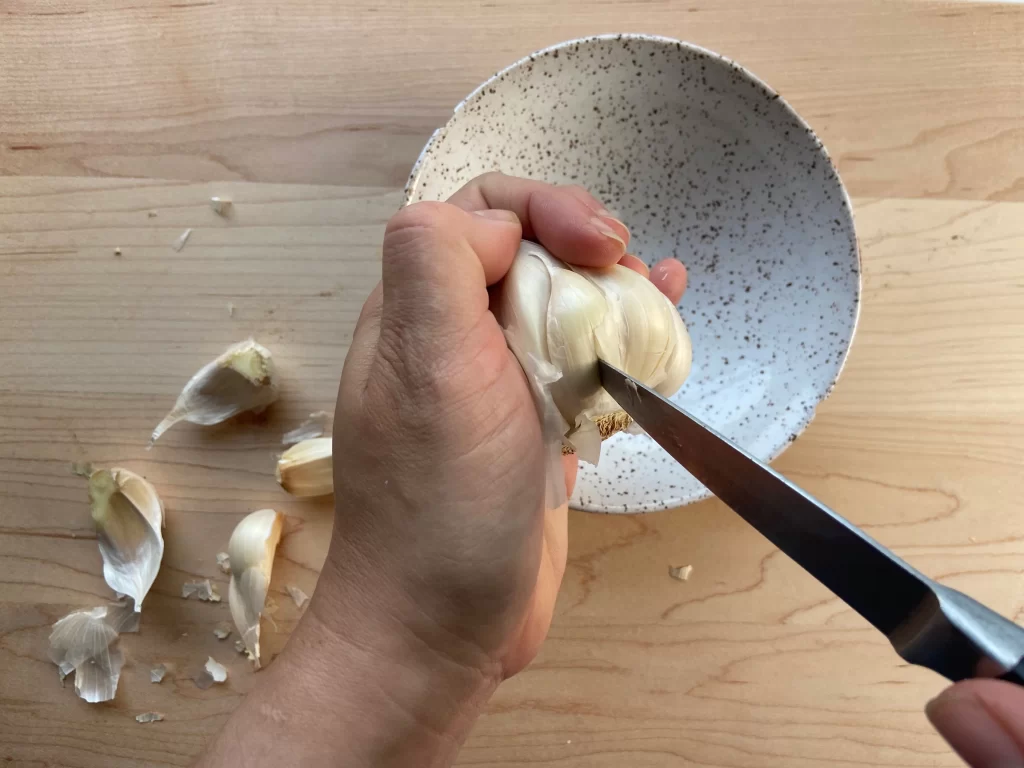
This method is excellent for peeling large quantities at once.
Procedure:
- Separate cloves from the bulb.
- Place them in a metal bowl or jar with a lid.
- Shake vigorously for 20–30 seconds.
- Open the container — most skins will have separated from the cloves.
Scientific Basis:
The friction caused by the cloves hitting the container dislodges the papery skins.
Advantages:
- No knife required.
- Keeps hands clean and odor-free.
- Efficient for bulk peeling.
Tip:
Use stainless steel bowls to minimize static and make cleanup easier.
3. The Soak Method
This method uses water to soften the garlic skin.
Procedure:
- Place unpeeled garlic cloves in warm water for 10 minutes.
- After soaking, the skins will slip off easily by rubbing between your fingers.
Scientific Basis:
Moisture loosens the skin’s adhesion by softening the dry outer layers and breaking the static bond between clove and peel.
Advantages:
- Gentle on garlic.
- Ideal for preserving whole cloves.
Note:
Dry the cloves thoroughly afterward to prevent sprouting or mold growth during storage.
4. The Microwave Trick
Heat can also help release the skins quickly.
Procedure:
- Place cloves in a microwave-safe bowl.
- Heat for 10–15 seconds.
- Once slightly warm, the skins should peel off easily.
Scientific Basis:
The heat causes slight expansion of water molecules inside the clove, separating the skin from the flesh.
Advantages:
- Extremely fast and efficient.
- Minimal effort required.
Caution:
Avoid overheating, as it may cook the garlic slightly and alter its flavor.
5. Rolling Between Hands or on a Mat
A manual yet effective way to peel small batches.
Procedure:
- Place garlic cloves between your palms or on a silicone mat.
- Roll gently back and forth with light pressure.
- The friction helps detach the skins.
Advantages:
- Simple and effective without tools.
- Gentle enough to preserve the shape of cloves.
Note:
This method works best when garlic is moderately dry and firm.
6. The Silicone Garlic Peeler Tube
A modern tool designed specifically for easy garlic peeling.
Procedure:
- Insert a few cloves into the silicone tube.
- Roll it on a flat surface with gentle pressure.
- The skins detach quickly and remain inside the tube.
Advantages:
- Fast, clean, and hands remain odor-free.
- Ideal for everyday cooking.
Scientific Explanation:
The silicone surface provides controlled friction, loosening the skins without damaging the cloves.
7. Freezing and Peeling
Cold temperatures can also make peeling easier.
Procedure:
- Freeze garlic cloves for about 15 minutes.
- Remove from the freezer and let thaw slightly.
- Skins will crack and slip off easily.
Advantages:
- Simple and effective.
- Preserves the clove’s natural flavor.
Tip:
If you freeze peeled cloves afterward, store them in airtight containers to avoid moisture loss.
Maintaining Garlic Freshness After Peeling
Once garlic is peeled, it should be stored correctly to retain its quality and flavor.
- Refrigeration: Store peeled cloves in an airtight container in the refrigerator for up to a week.
- Freezing: Freeze minced or whole peeled garlic in small portions for up to three months.
- Oil Preservation: Submerge peeled cloves in olive oil and store in the refrigerator. (Use within a week to avoid bacterial growth.)
- Dehydration: Dehydrate peeled cloves for long-term storage and grind into garlic powder.
Proper storage ensures that peeled garlic maintains its nutritional and culinary properties.
Health and Culinary Significance of Garlic
Garlic’s role extends beyond seasoning. In vegetarian cooking, it enhances natural flavors and provides several health benefits:
- Boosts Immunity: Its sulfur compounds help fight infections.
- Improves Digestion: Stimulates enzyme secretion in the stomach.
- Supports Heart Health: Helps regulate cholesterol and blood pressure.
- Acts as an Antioxidant: Protects cells from oxidative stress.
Peeling garlic efficiently encourages its regular use in daily meals, enhancing both flavor and wellness.
Discussion
Efficient garlic peeling combines scientific understanding with culinary practicality. Each technique has advantages depending on context—whether peeling a single bulb for a meal or preparing large batches for storage. Traditional methods, like the smash or soak technique, rely on natural processes, while modern innovations, such as silicone peelers and microwaving, optimize convenience.
For vegetarian cooking, where garlic forms the base of numerous dishes like curries, soups, and stir-fries, saving preparation time enhances kitchen efficiency and meal quality. Moreover, minimizing waste and maintaining hygiene align with sustainable cooking principles, promoting mindful food handling and respect for plant-based ingredients.
Conclusion
Peeling garlic quickly and easily is a skill that blends simplicity with science. By understanding garlic’s anatomy and applying the right combination of pressure, friction, or temperature, anyone can remove the stubborn skins without struggle.
Methods such as smashing with a knife, shaking in a jar, soaking in warm water, microwaving briefly, or using silicone peelers all offer clean, efficient results. Beyond convenience, these techniques uphold the integrity and flavor of garlic — an essential component of vegetarian and health-conscious cooking.
In essence, peeling garlic efficiently reflects the broader philosophy of smart, sustainable food preparation: minimal waste, maximum flavor, and deep appreciation for the natural beauty of ingredients.