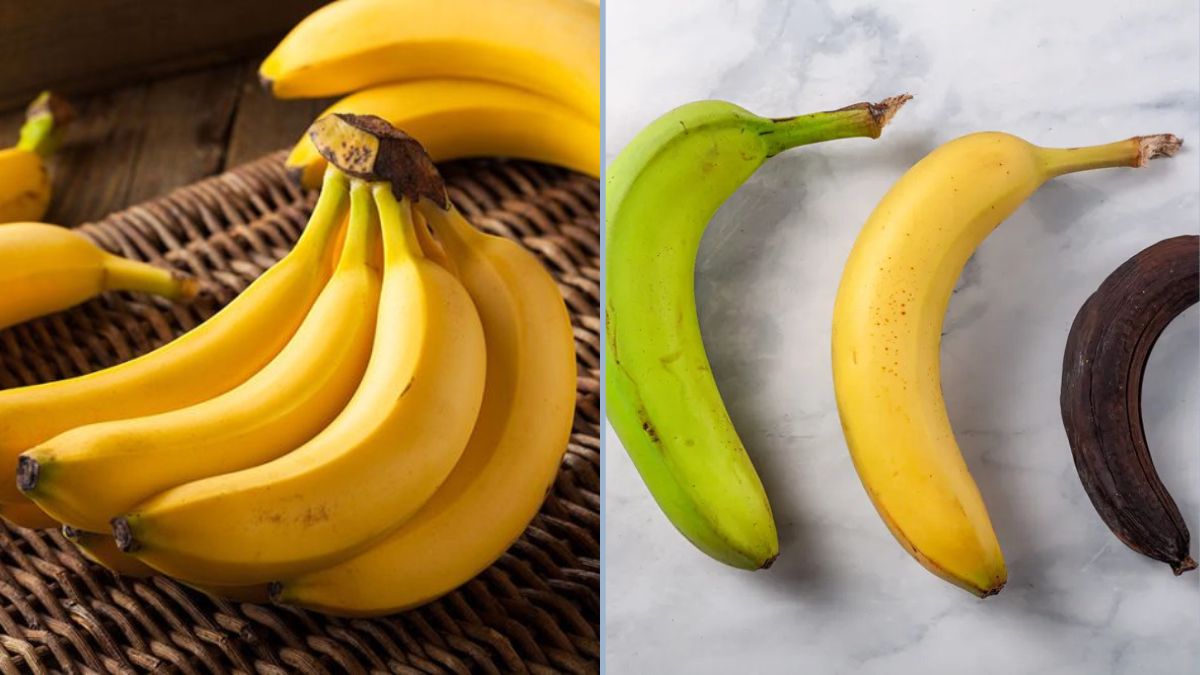
Bananas are among the most widely consumed fruits in the world, prized for their natural sweetness, nutritional benefits, and convenience. However, one of the most common challenges in storing and using bananas is enzymatic browning—the natural process that causes peeled or ripened bananas to turn brown. This paper explores the biochemical causes of banana browning and presents various methods to delay or prevent this process using natural, vegetarian-friendly techniques. It discusses the role of enzymes, temperature, and handling, and introduces both traditional and modern household methods to preserve bananas’ freshness, flavor, and appearance.
Introduction
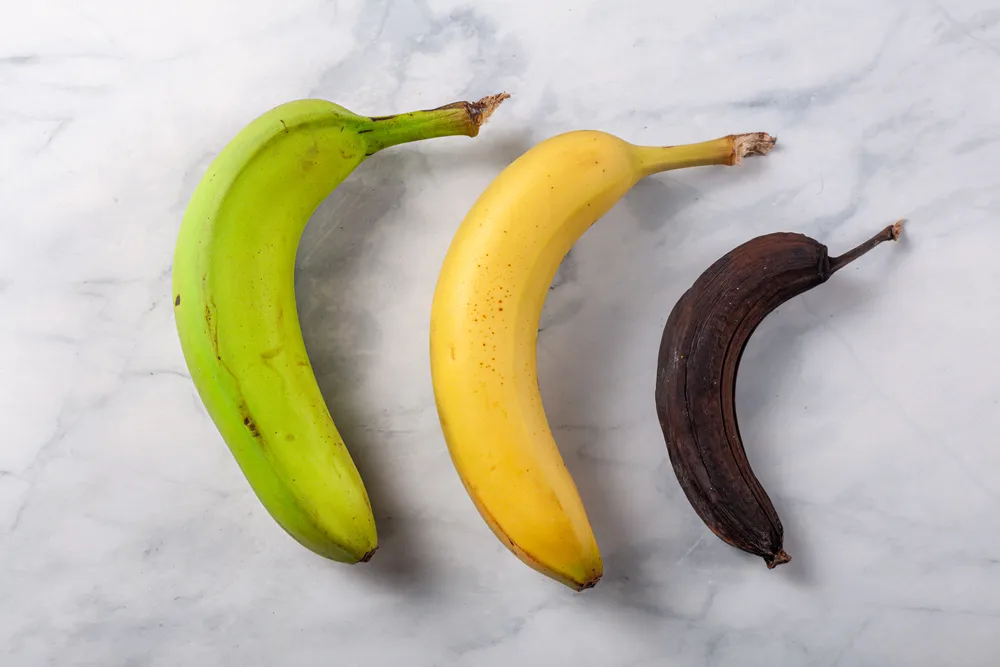
Bananas are a staple fruit in many vegetarian diets, valued for their rich potassium content, dietary fiber, and natural sweetness. However, their tendency to brown quickly after peeling or ripening often leads to food waste and reduced aesthetic appeal. The browning of bananas is not harmful, but it alters the texture and flavor, making them less desirable for fresh consumption.
Understanding how and why bananas brown is key to developing effective preservation techniques. This paper examines the science behind banana browning, focusing on enzymatic reactions, and explores practical ways to slow or prevent this process using easily available, plant-based methods. The goal is to maintain the fruit’s freshness while minimizing waste and preserving its nutritional quality.
The Science Behind Banana Browning
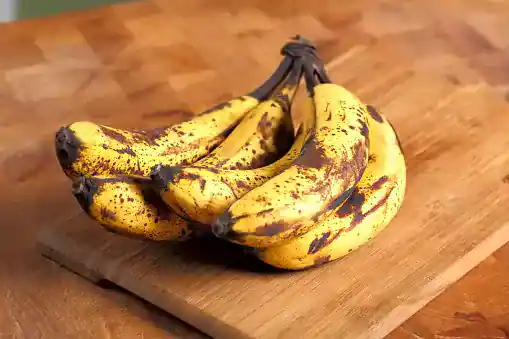
Banana browning is primarily caused by enzymatic oxidation, a natural process that begins when the fruit’s cells are damaged—typically through cutting, peeling, or bruising.
- Enzyme Involvement:
- The main enzyme responsible is polyphenol oxidase (PPO), also known as tyrosinase.
- When bananas are exposed to air, PPO reacts with oxygen to convert phenolic compounds into melanins, which are dark pigments responsible for the brown color.
- Other Contributing Factors:
- Ethylene gas: Bananas produce high levels of ethylene, a natural ripening hormone that accelerates color and texture changes.
- Temperature: Warm environments promote enzymatic activity, causing faster browning.
- pH levels: Acidic conditions slow PPO activity, while neutral or alkaline environments speed it up.
Understanding these factors allows for the development of strategies to minimize browning without artificial additives or preservatives.
Nutritional Value of Bananas
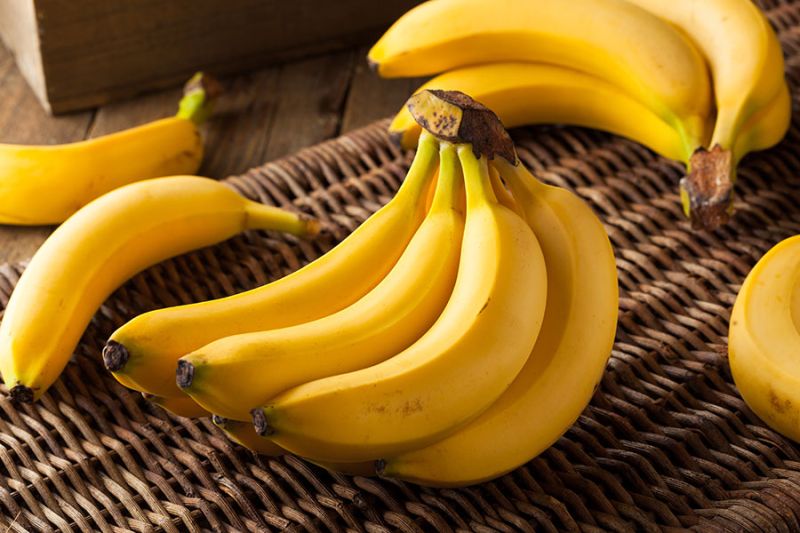
Despite their susceptibility to browning, bananas remain nutritionally valuable:
- Vitamins and Minerals: Rich in vitamin B6, vitamin C, potassium, and magnesium.
- Fiber: Supports digestion and promotes satiety.
- Natural Sugars: Provide quick energy in a balanced form with fiber and micronutrients.
- Antioxidants: Help reduce oxidative stress and inflammation.
Preserving bananas effectively helps retain these essential nutrients and reduces food waste in plant-based diets.
Methods to Prevent Bananas from Browning
1. Acidic Treatments
Acidic substances inhibit the activity of the polyphenol oxidase enzyme, reducing browning significantly.
Examples of Acidic Solutions:
- Lemon or lime juice
- Pineapple juice
- Orange juice
- Vinegar (mild, diluted solutions)
Method:
Brush or spray the cut surfaces of peeled bananas with lemon juice or another acidic liquid. The acid lowers the surface pH, preventing enzymatic oxidation.
Tip: Mix one part lemon juice with three parts water to maintain the banana’s flavor without excessive sourness.
2. Cold Storage
Temperature has a direct effect on enzyme activity. Cooler temperatures slow oxidation, while excessive cold can damage texture.
Method:
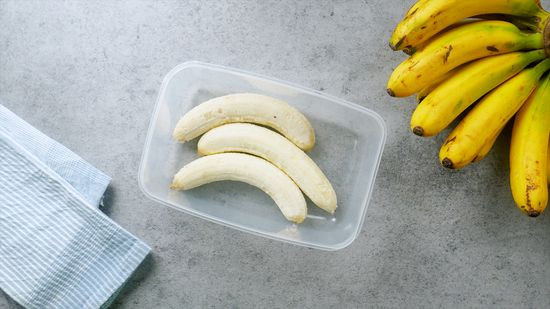
- Store unpeeled bananas at room temperature until they begin to ripen.
- Once ripe, place them in the refrigerator to slow further ripening. The peel may darken, but the fruit inside remains fresh longer.
Scientific Explanation:
Cold storage reduces PPO activity and ethylene production, extending freshness by several days.
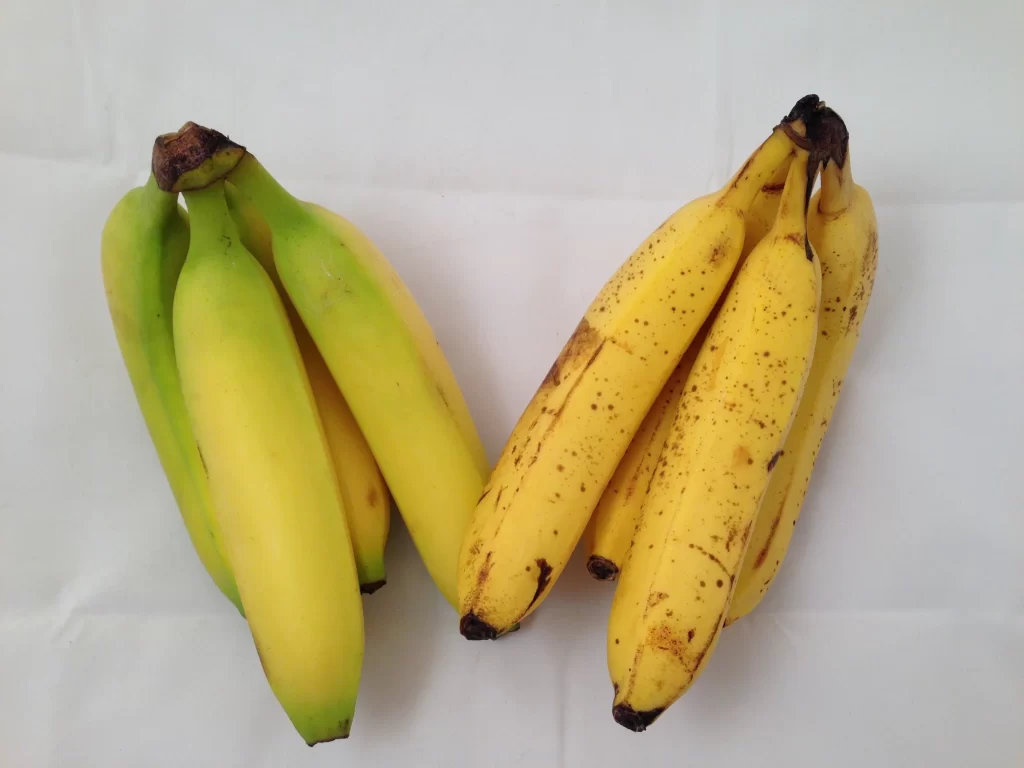
3. Separation of Bananas
Bananas emit ethylene gas as they ripen, which accelerates browning in nearby fruits.
Method:
- Separate individual bananas from the bunch.
- Wrap the stems in plastic wrap or aluminum foil to contain ethylene emission.
Effectiveness:
This simple method can delay ripening and browning by up to 2–3 days.
4. Use of Natural Antioxidants
Antioxidants prevent oxidation by neutralizing reactive oxygen species before they interact with phenolic compounds.
Examples:
- Honey and Water Solution: A mild coating of honey mixed with water forms a protective barrier against oxygen.
- Citrus Juices: Contain vitamin C (ascorbic acid), a potent antioxidant that slows enzymatic browning.
- Green Tea Extract: Contains catechins, natural antioxidants that inhibit PPO activity.
Application:
Dip or brush the banana slices in these natural solutions to retain their color and texture.
5. Controlled Atmosphere Storage
This technique involves reducing oxygen exposure and increasing humidity levels.
Method:
- Store bananas in airtight containers or reusable silicone bags.
- Include a small piece of citrus peel or a damp paper towel to maintain moisture.
Effectiveness:
Limiting oxygen access prevents oxidation, while humidity keeps the fruit from drying out.
6. Using Salt Water Solutions
A mild saline solution can inhibit enzyme activity by reducing oxygen availability on the banana’s surface.
Method:
- Mix 1/2 teaspoon of salt in a cup of cold water.
- Dip banana slices for 2–3 minutes, then rinse lightly to remove excess salt.
Result:
The bananas retain their color longer without noticeable saltiness.
7. Vacuum Sealing or Airtight Storage
Exposure to oxygen accelerates browning, so limiting air contact can be highly effective.
Method:
Store bananas or banana-based dishes in vacuum-sealed bags or airtight glass containers.
Tip:
Add a few drops of lemon juice before sealing for extended preservation.
Creative Uses for Slightly Brown Bananas
Even with careful handling, some browning is inevitable. Instead of discarding them, overripe bananas can be repurposed into delicious vegetarian dishes:
- Banana Smoothies: Blend with plant-based milk, spinach, or nuts.
- Banana Bread or Muffins: Adds natural sweetness and moisture.
- Frozen Banana Bites: Dip in dark chocolate and freeze for a healthy snack.
- Oatmeal or Pancake Mix: Mashed bananas enhance texture and flavor.
These creative uses ensure minimal waste while preserving nutritional value.
Health and Culinary Benefits of Preserving Bananas
- Reduces Food Waste: Proper preservation minimizes discarded produce.
- Maintains Nutritional Integrity: Prevents nutrient degradation during oxidation.
- Improves Visual Appeal: Bright yellow or cream-colored bananas enhance food presentation.
- Supports Healthy Snacking: Makes it easier to include fresh fruit in daily meals.
- Encourages Sustainable Eating: Promotes mindful use of perishable garden or store-bought produce.
Discussion
Banana browning, though natural, presents both a scientific and culinary challenge. Understanding the biochemical mechanisms of enzymatic oxidation allows for effective, plant-based preservation techniques. Acids, antioxidants, refrigeration, and reduced oxygen exposure all target different stages of the browning process.
For practical applications, the combination of methods—such as using lemon juice followed by airtight refrigeration—provides the most effective results. These approaches align with sustainable, vegetarian living by emphasizing natural, chemical-free solutions.
Moreover, embracing slightly browned bananas as ingredients for smoothies or baked goods promotes a zero-waste approach and encourages creative home cooking.
Conclusion
Preventing bananas from browning too quickly involves understanding the science of enzymatic oxidation and applying natural, accessible methods. Techniques such as acidic treatments, cold storage, antioxidant coatings, and controlled atmospheres can significantly extend the freshness and visual quality of bananas.
By adopting these plant-based preservation strategies, home cooks can reduce food waste, retain nutrients, and enjoy bananas in their best condition. Furthermore, embracing overripe bananas for creative recipes reinforces sustainable cooking practices. Ultimately, preserving bananas effectively is both a scientific process and a reflection of mindful, eco-conscious eating.