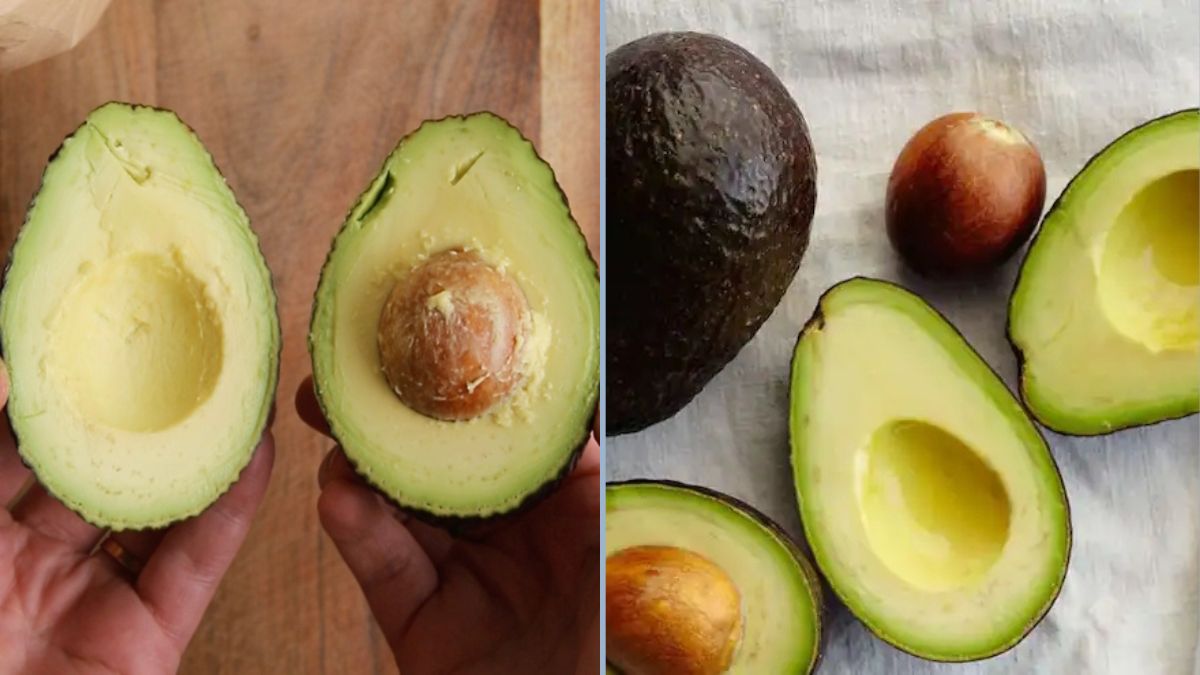
Avocados are highly valued for their creamy texture, mild flavor, and nutritional benefits, but they are also notorious for their unpredictable ripening process. Often, avocados purchased from markets are firm and unripe, requiring several days to soften naturally. Understanding how to ripen avocados efficiently at home can help reduce food waste, ensure consistent texture, and enhance the culinary experience in vegetarian dishes. This paper explores the science behind avocado ripening, methods to accelerate the process, environmental factors affecting ripening speed, and safe storage techniques. It also highlights the importance of temperature control, natural ethylene gas exposure, and proper handling to achieve optimal ripeness without sacrificing flavor or nutrition.
Introduction
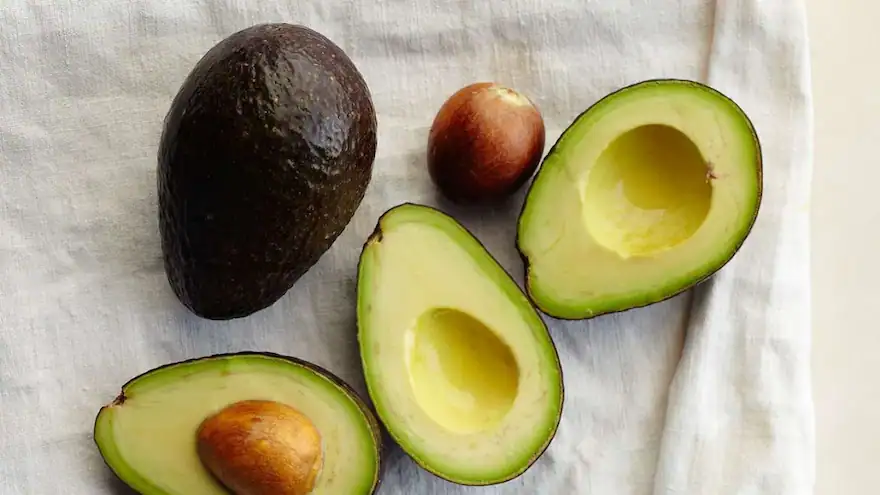
Avocados have become a staple ingredient in modern vegetarian and vegan cuisine due to their versatility and nutrient-rich composition. From salads and sandwiches to smoothies and dips, their smooth texture and mild taste complement a wide range of dishes. However, the challenge most home cooks face is timing—purchasing avocados that are either too hard or, within a few days, overly soft and unusable.
The process of ripening involves natural biochemical changes where starches convert into sugars, and enzymes soften the flesh. By understanding and controlling these changes, it is possible to ripen avocados efficiently at home. This article provides a comprehensive guide to the science, methods, and best practices for ripening avocados safely and effectively, emphasizing freshness and minimizing waste.
Understanding the Ripening Process
Avocados are climacteric fruits, meaning they continue to ripen after harvest. The ripening process is largely driven by ethylene gas, a natural plant hormone responsible for stimulating the softening and sweetening of fruit.
During ripening:
- Starch converts to sugar, enhancing the fruit’s taste.
- Pectin in the cell walls breaks down, leading to a softer texture.
- Chlorophyll degrades, causing the skin to darken from green to brown or black.
The key to quick ripening lies in controlling exposure to ethylene gas and maintaining the right temperature and humidity.
Signs of Ripeness
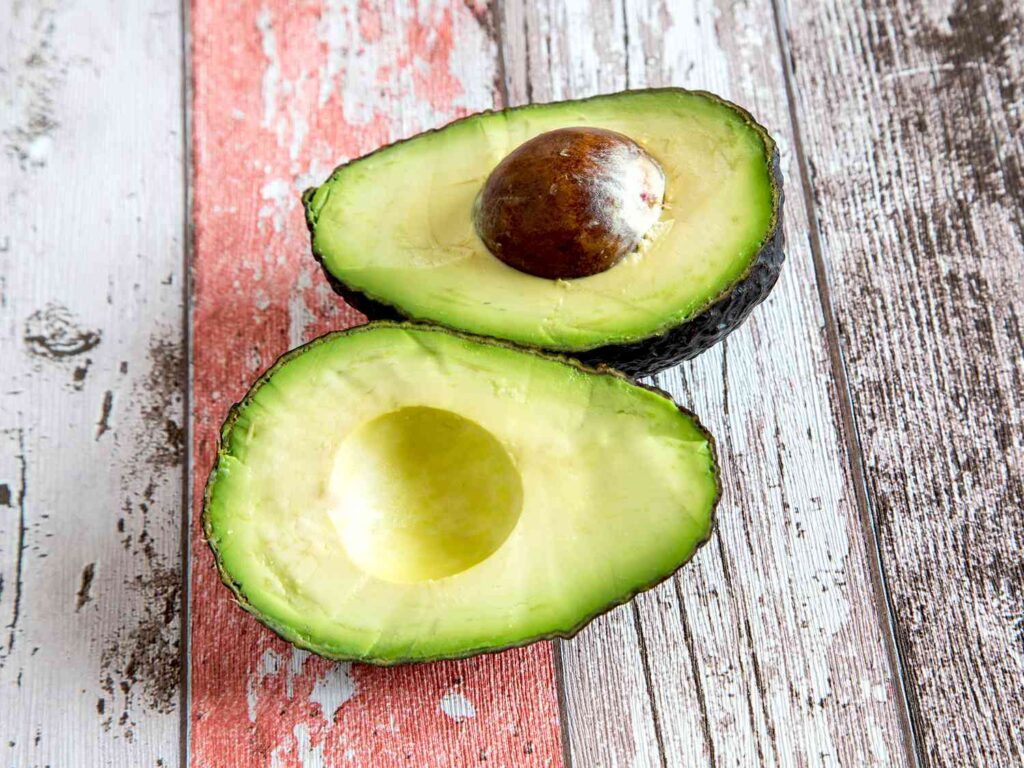
To achieve perfectly ripe avocados, it’s essential to recognize the stages of ripening:
- Unripe (Hard): Skin is bright green and firm. Flesh resists pressure when gently squeezed.
- Ripening: Color begins to darken; the fruit yields slightly to gentle pressure near the stem.
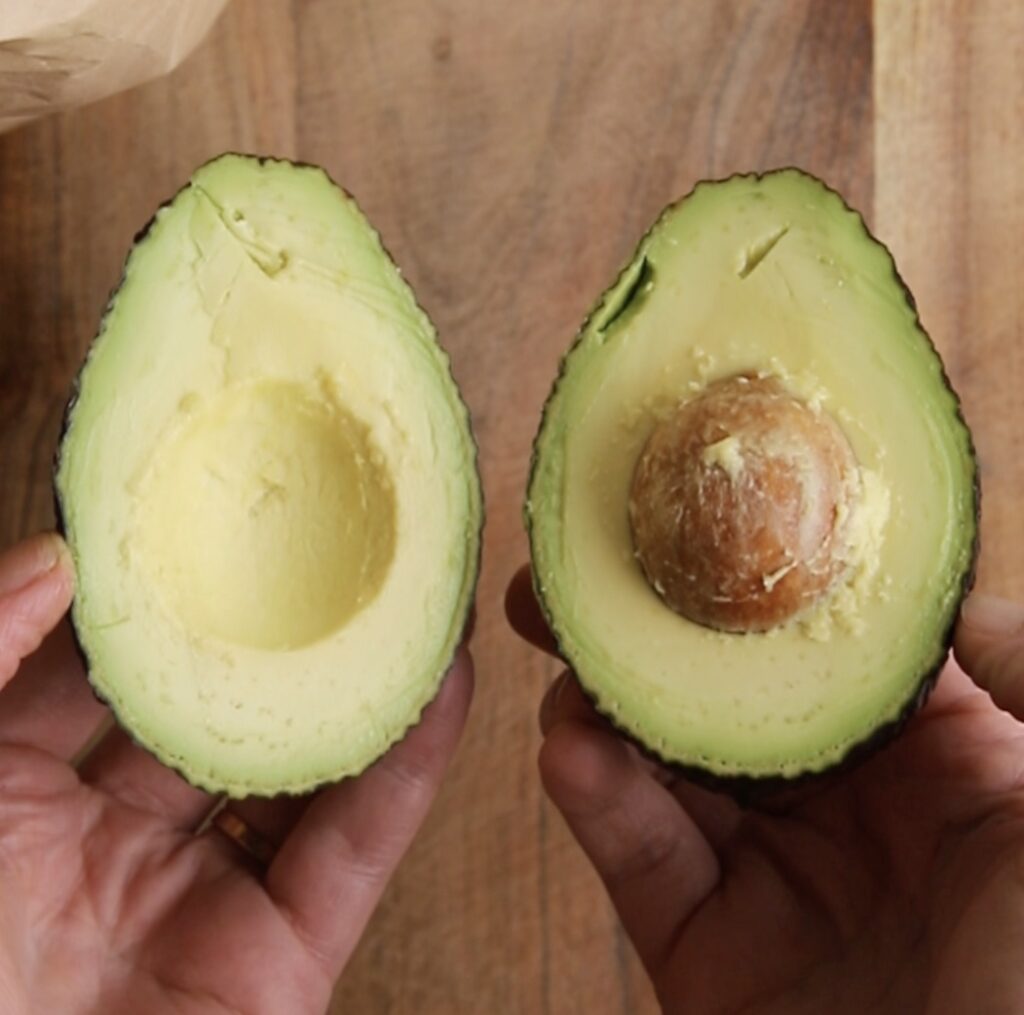
- Ripe: Darker skin with a slight give when pressed. Flesh is soft but not mushy.
- Overripe: Skin turns black, and the flesh becomes mushy or develops brown spots.
Using visual cues and touch tests helps determine the ideal moment for consumption or refrigeration.
Factors Affecting Ripening Speed
Several environmental and biological factors influence how quickly avocados ripen:
- Temperature: Warmer conditions (20–25°C or 68–77°F) accelerate ripening, while colder conditions slow it down.
- Ethylene Concentration: Higher exposure to ethylene gas increases ripening speed.
- Humidity: Moderate humidity prevents moisture loss without promoting mold growth.
- Fruit Condition: Slightly bruised or older avocados ripen faster due to higher enzyme activity.
- Air Circulation: Proper airflow ensures even ripening and prevents spoilage.
Balancing these factors allows for precise control over the ripening process.
Methods to Ripen Avocados Quickly
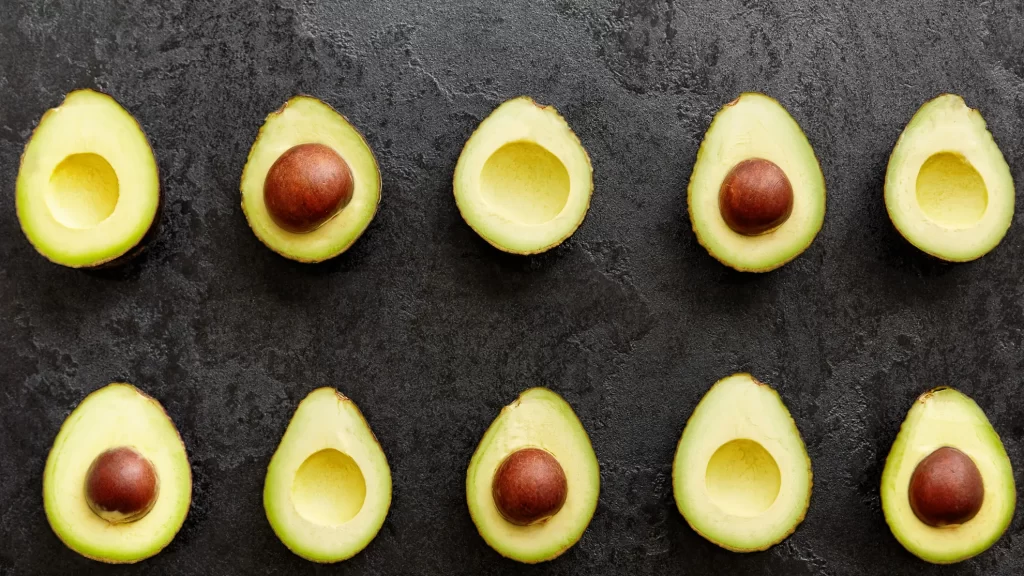
There are several safe and effective techniques to ripen avocados naturally at home without artificial chemicals.
1. Paper Bag Method
The most popular and efficient method for ripening avocados involves trapping ethylene gas to speed up the process.
Steps:
- Place the avocados in a brown paper bag.
- Add an ethylene-producing fruit—such as a banana, apple, or kiwi.
- Fold the bag loosely to allow minimal air circulation.
- Store at room temperature (around 22°C) for 24–48 hours.
- Check daily by gently pressing near the stem.
Scientific Explanation:
The bag traps ethylene gas emitted by both fruits, creating a concentrated environment that enhances enzymatic activity and speeds up ripening.
2. Warm Oven Method (For Immediate Use)
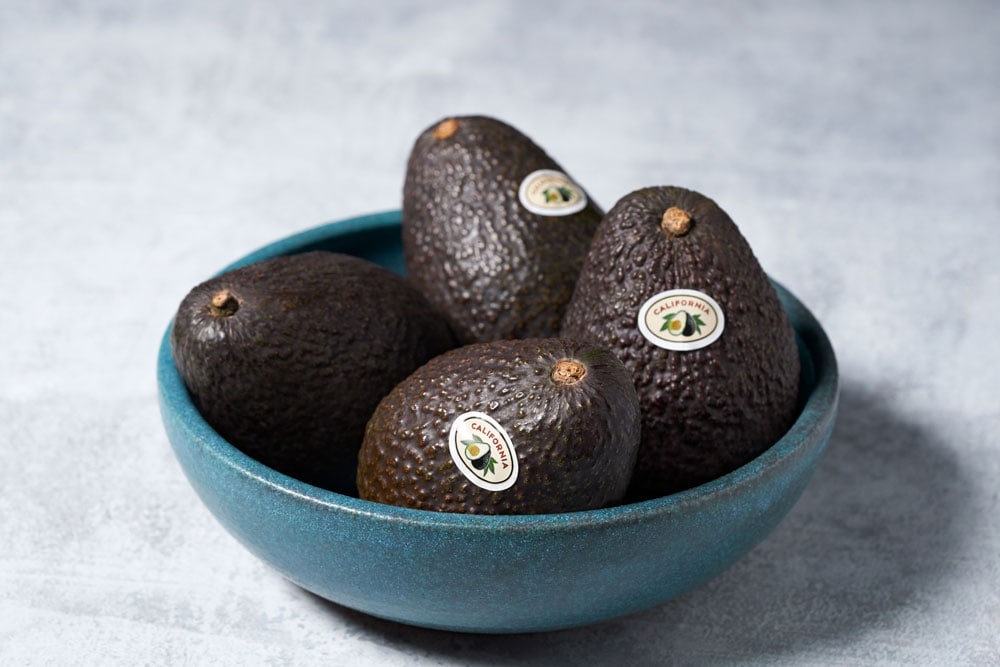
When you need ripe avocados within hours rather than days, the oven method can be used cautiously.
Steps:
- Preheat the oven to 90°C (200°F).
- Wrap the unripe avocado tightly in aluminum foil.
- Place it on a baking tray and heat for 10–15 minutes.
- Remove and cool before using.
Note: This method softens the fruit but may slightly alter its natural flavor. It’s best for mashed or cooked dishes like sauces or guacamole.
3. Rice or Flour Method
Storing avocados in a container filled with uncooked rice or flour also helps trap ethylene gas.
Steps:
- Bury the avocados in rice or flour in an airtight container.
- Keep at room temperature for 1–2 days.
- Check periodically for softness.
This method is particularly effective in humid climates where paper bags may absorb moisture.
4. Sunlight Exposure
Natural warmth can accelerate ripening if monitored carefully.
Steps:
- Place avocados near a sunny window or on the kitchen counter where sunlight is moderate.
- Turn occasionally to ensure even ripening.
- Avoid excessive heat exposure, which can cause uneven softening or spoilage.
5. Microwave Method (Emergency Only)
If a recipe requires ripe avocados immediately, this method can temporarily soften them.
Steps:
- Pierce the avocado skin several times with a fork.
- Microwave on medium heat for 30-second intervals, checking after each.
- Let cool before cutting open.
While the microwave softens the fruit, it does not truly ripen it chemically; the flavor remains slightly underdeveloped. Use this only for cooked recipes or dressings.
Storing Ripe Avocados
Once avocados reach the desired softness, proper storage helps maintain freshness.
- Refrigeration:
Place ripe avocados in the refrigerator to slow further ripening. They typically last 3–5 days. - Freezing:
Mash ripe avocado flesh with a little lemon juice to prevent browning. Store in airtight containers for up to 3 months. - Partial Ripeness:
If only partially ripe, keep them at room temperature and check daily. - Cut Avocados:
- Sprinkle lemon or lime juice on the exposed surface.
- Cover tightly with plastic wrap or store in an airtight container to minimize oxidation.
Preventing Browning
Browning occurs when the enzyme polyphenol oxidase reacts with oxygen, forming brown pigments on the surface of the flesh.
To prevent this:
- Apply acidic ingredients (lemon, lime, or vinegar) to the surface.
- Store with the pit inside to reduce exposed surface area.
- Keep in airtight containers or sealed bags.
- Avoid metal utensils that can accelerate oxidation.
These methods preserve the vibrant green color and creamy texture of avocados for a longer period.
Nutritional Significance of Ripe Avocados
Properly ripened avocados provide maximum flavor and nutrition.
- Healthy Fats: Rich in monounsaturated fats that support heart health.
- Vitamins: Excellent source of vitamins E, K, and B-complex.
- Minerals: Contains potassium, magnesium, and folate.
- Fiber: Promotes digestion and satiety.
- Antioxidants: Offers carotenoids and lutein that support eye and skin health.
Unripe avocados have harder fibers and lower oil content, while overripe ones may lose nutrients due to oxidation.
Sustainability and Waste Reduction
Ripening avocados correctly also helps reduce food waste. Many consumers discard avocados that seem too firm or too soft due to improper storage. By controlling ripening at home, one can extend shelf life and minimize unnecessary disposal.
Sustainable Practices Include:
- Buying avocados at different ripeness stages for staggered use.
- Using natural ripening methods instead of artificial chemicals.
- Composting peels and pits for organic gardening.
This approach supports eco-friendly living and mindful cooking habits.
Common Mistakes to Avoid
- Refrigerating Unripe Avocados:
Cold temperatures halt ripening completely. - Using Plastic Bags:
Plastic traps excess moisture, leading to mold. - Overheating:
High heat damages nutrients and alters taste. - Ignoring Daily Checks:
Avocados can transition from firm to overripe within a day. - Storing Near Spoiled Fruit:
Mold spores can transfer easily between fruits.
Avoiding these mistakes ensures consistently perfect, fresh avocados every time.
Discussion
The ability to ripen avocados efficiently at home highlights the connection between food science and practical cooking. Through understanding ethylene gas behavior, temperature control, and natural ripening catalysts, consumers can manage the process safely and sustainably.
Quick-ripening methods not only enhance meal preparation convenience but also promote less wasteful consumption patterns. This aligns with the broader goals of healthy, vegetarian cooking—freshness, sustainability, and nutrition.
Conclusion
Ripening avocados quickly at home is a simple yet essential skill for modern vegetarian kitchens. By applying scientific principles and practical methods—such as the paper bag technique, temperature control, and natural ethylene exposure—anyone can achieve perfectly ripe, flavorful avocados in a short time.
Proper storage and handling further preserve their texture and nutrition, while reducing waste contributes to sustainable living. Ultimately, efficient avocado ripening combines culinary creativity, food science, and environmental mindfulness—turning a once-unpredictable process into a reliable, eco-conscious kitchen practice.