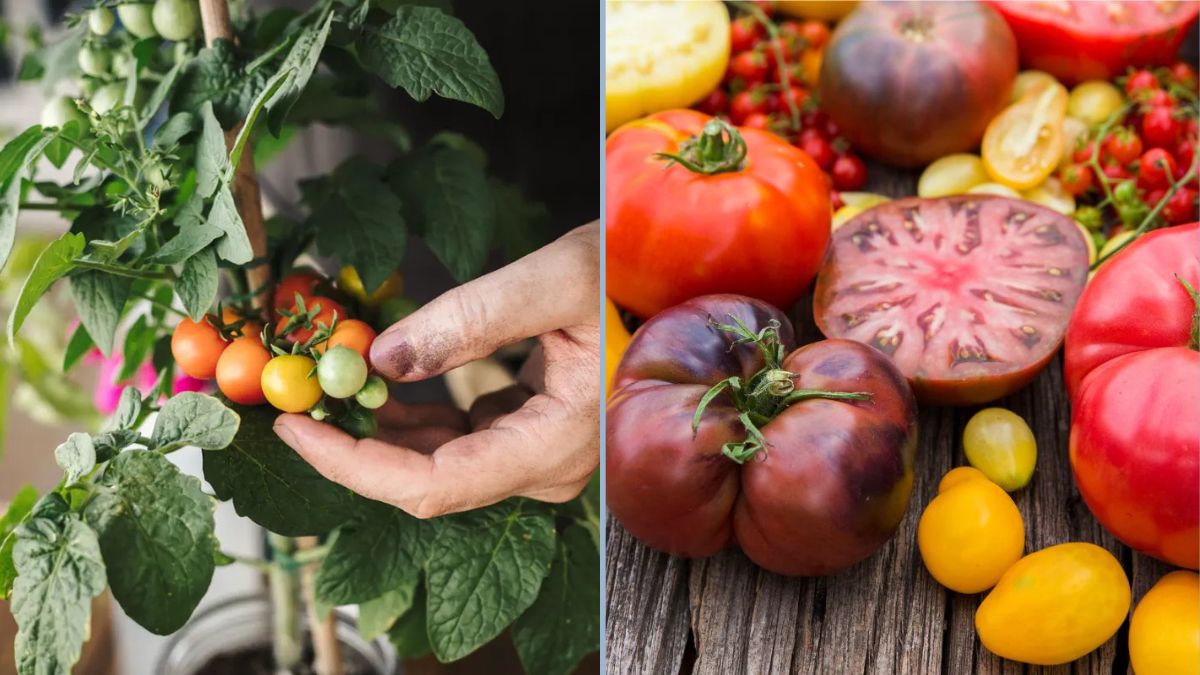
Tomatoes are one of the most widely used ingredients in vegetarian cooking, prized for their bright color, natural sweetness, and tangy flavor. However, improper storage often diminishes their taste, texture, and nutritional value. The challenge lies in understanding the right storage techniques that preserve their freshness without causing premature spoilage or flavor loss. This paper explores the science of tomato ripening, environmental conditions influencing quality, and best practices for storing tomatoes at different ripeness stages. Through proper handling and storage, home cooks and gardeners can retain the natural aroma, texture, and flavor of tomatoes for longer periods while reducing food waste.
Introduction
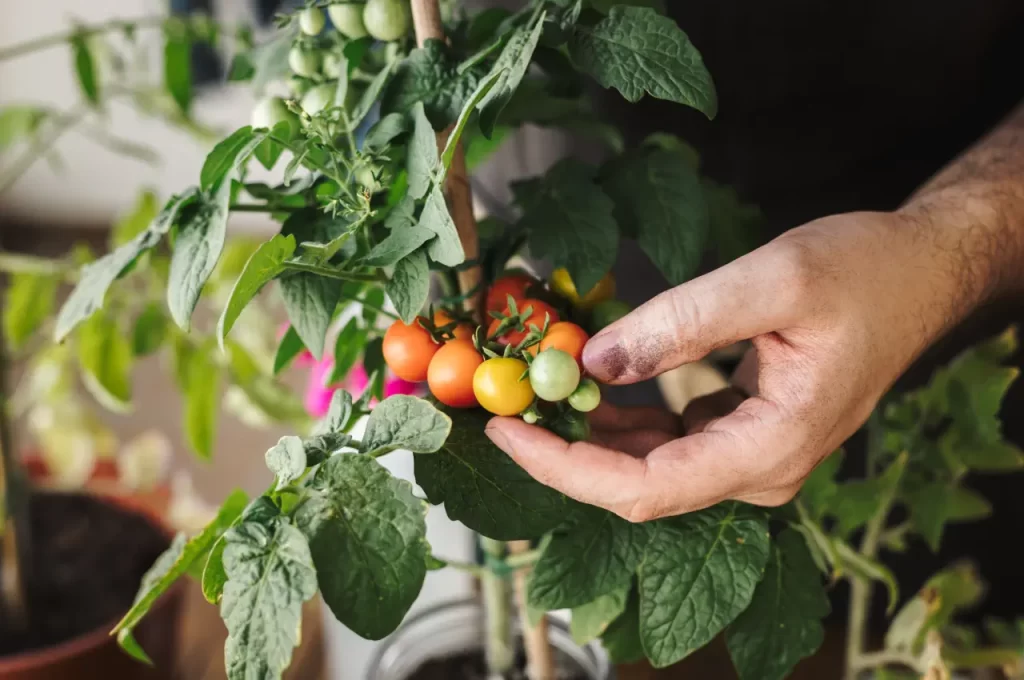
Tomatoes are central to countless vegetarian dishes—ranging from salads, soups, and sauces to curries and sandwiches. Their culinary versatility comes from a perfect balance of acidity, sweetness, and juiciness. Yet, their delicate nature makes them susceptible to rapid deterioration if not stored correctly. Many people unknowingly refrigerate or expose tomatoes to unsuitable conditions, leading to flavor loss and mushy texture.
The objective of this article is to explore the principles of tomato storage, focusing on maximizing flavor retention. By understanding how temperature, humidity, and ripeness affect tomato chemistry, we can establish effective home-storage methods that preserve both flavor and nutritional quality.
Understanding Tomato Ripening
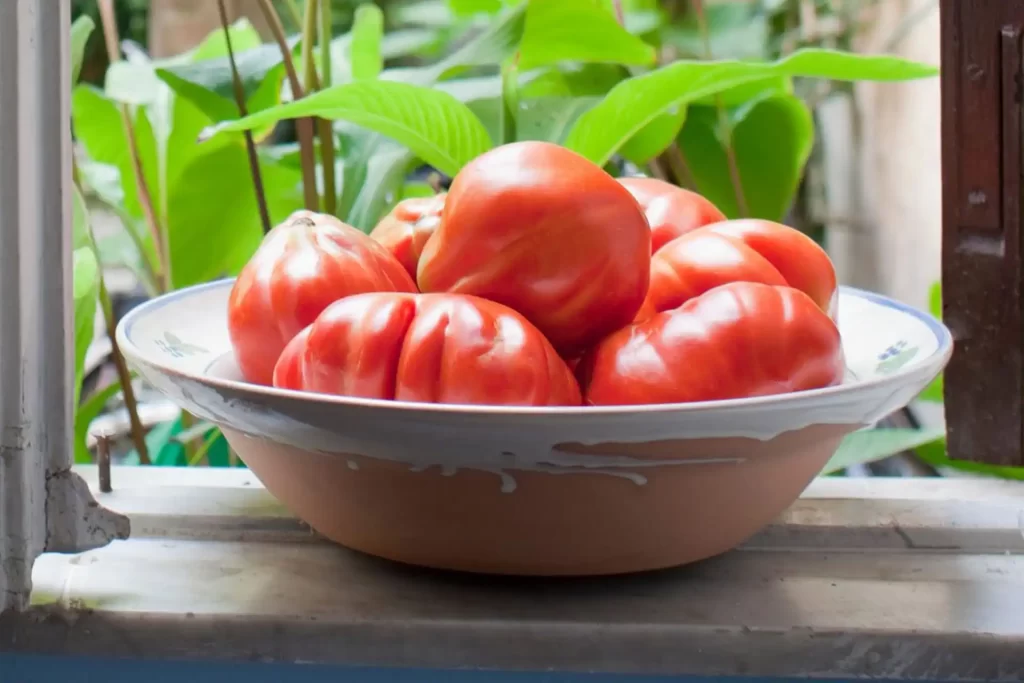
Tomato ripening is a natural biochemical process driven by ethylene gas, a plant hormone that regulates fruit maturation. During ripening:
- Chlorophyll breaks down, turning green tomatoes red, orange, or yellow depending on the variety.
- Carotenoids (like lycopene and beta-carotene) develop, enhancing color and nutritional value.
- Acid-sugar balance shifts, creating the characteristic tomato flavor.
- Cell walls soften, making the fruit tender and juicy.
Ripening continues after harvest since tomatoes are climacteric fruits, meaning they produce and respond to ethylene gas even when detached from the vine. Thus, managing exposure to ethylene and controlling environmental conditions are crucial for flavor preservation.
Key Factors Affecting Tomato Flavor
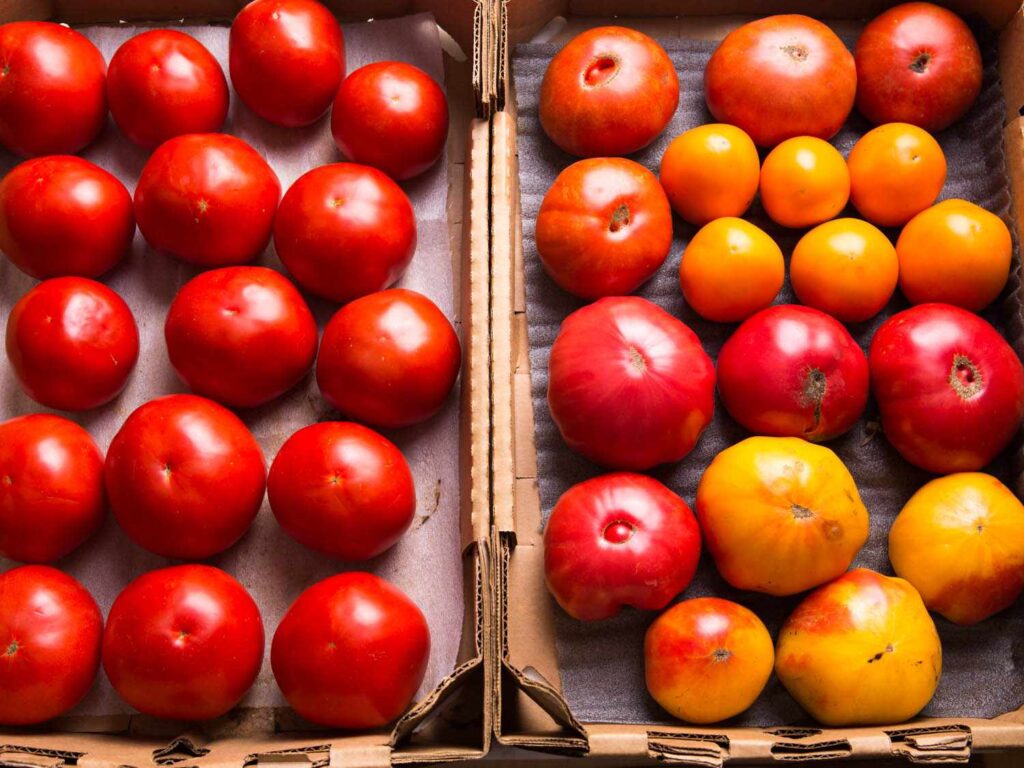
- Temperature:
Temperature strongly influences ripening speed and flavor development. Tomatoes stored below 10°C (50°F) lose their aroma and develop a mealy texture because cold inhibits enzyme activity responsible for flavor synthesis. - Humidity:
Ideal humidity levels (around 85–90%) prevent moisture loss and shriveling while minimizing mold growth. - Light and Airflow:
Tomatoes require gentle airflow to prevent condensation and mold. However, direct sunlight can cause uneven ripening or overheating. - Handling:
Rough handling can bruise tomatoes, leading to faster spoilage and microbial growth. - Stage of Ripeness:
Fully ripe tomatoes are best consumed immediately, while semi-ripe or green ones can be stored longer and ripened gradually at room temperature.
Understanding these factors allows home cooks to make informed decisions about where and how to store tomatoes effectively.
Room Temperature Storage: The Best Option for Flavor
For most tomatoes, room temperature storage is ideal for preserving both taste and texture.
Method:
- Store tomatoes stem-side down on a flat surface or in a single layer in a shallow bowl.
- Keep them in a cool, dry, and shaded area (around 20–22°C or 68–72°F).
- Avoid stacking or crowding to prevent bruising.
Why It Works:
At room temperature, tomatoes continue to ripen naturally, developing their full range of flavors and sugars. The stem-down position prevents air and moisture from entering the scar where the tomato was attached to the vine, reducing spoilage risk.
Refrigeration: When and How to Use It
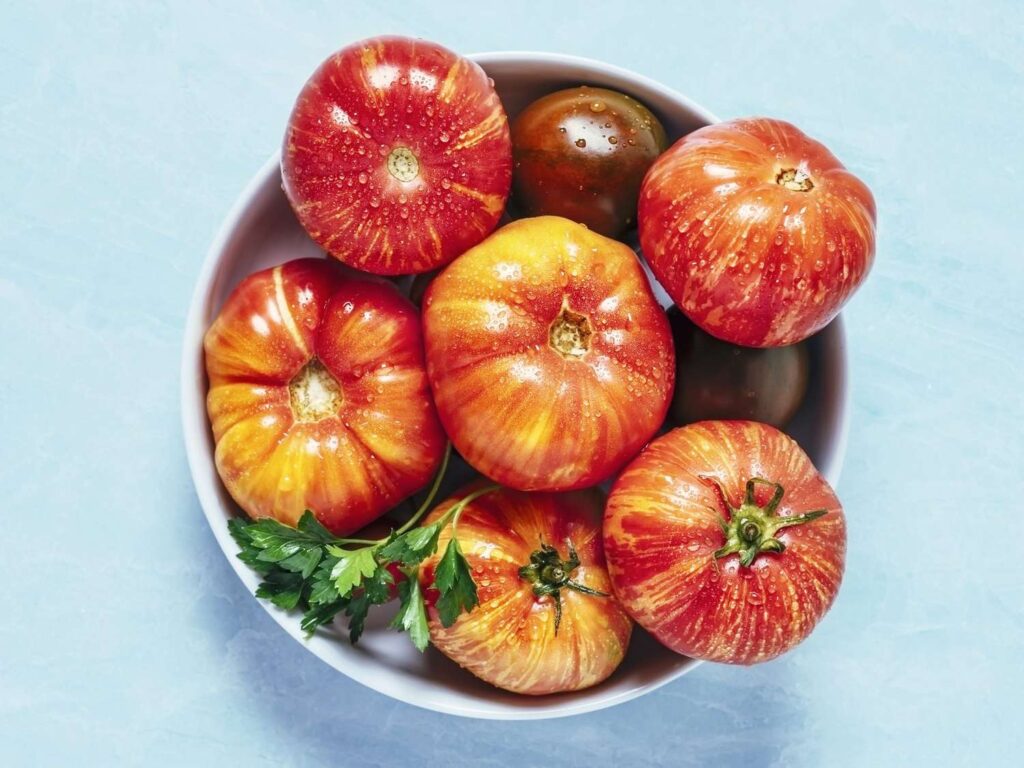
While refrigeration is often discouraged, it can be useful under specific conditions—mainly when tomatoes are fully ripe and cannot be consumed immediately.
Guidelines:
- Allow tomatoes to ripen completely at room temperature before refrigeration.
- Store ripe tomatoes in the refrigerator crisper drawer at 10–12°C (50–54°F).
- Before using, let them return to room temperature for at least 30–60 minutes to restore flavor and aroma.
Scientific Explanation:
Cold temperatures slow down enzymatic reactions responsible for flavor compounds such as aldehydes and alcohols. However, research shows that short-term refrigeration (1–3 days) does not significantly harm flavor if tomatoes are properly ripened before chilling.
Storing Green or Partially Ripe Tomatoes
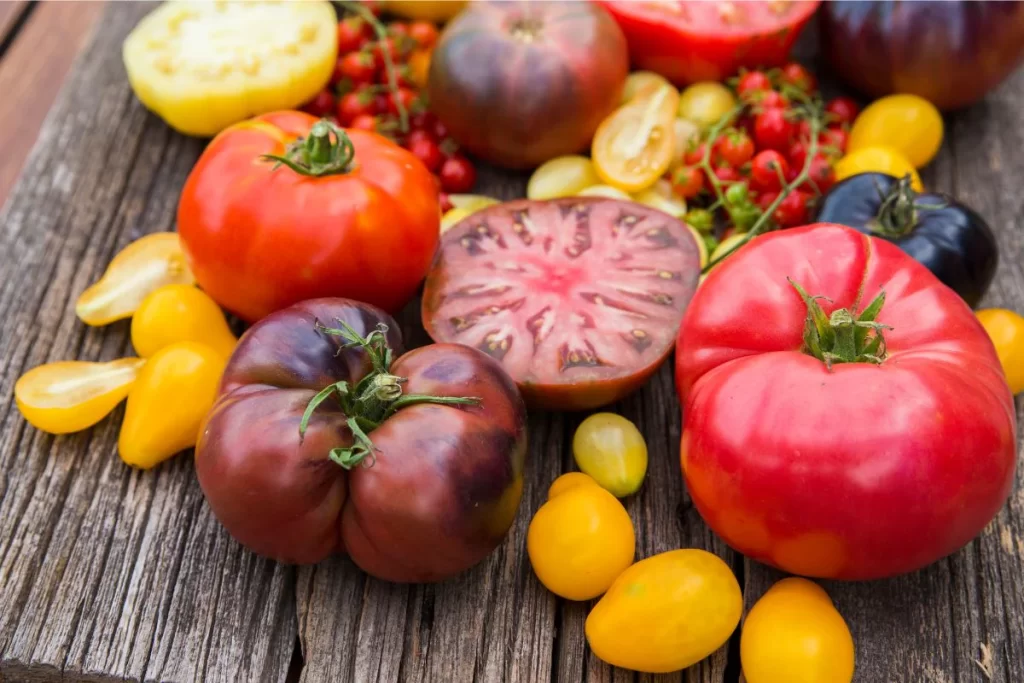
For tomatoes that are still green or only partially ripe, controlled ripening is the best approach.
Method:
- Place green tomatoes in a paper bag or cardboard box with an ethylene-producing fruit such as a banana or apple.
- Store at room temperature away from direct sunlight.
- Check daily to avoid overripening.
This method traps ethylene gas, encouraging even ripening without exposure to heat or light that can damage skin texture.
Freezing Tomatoes for Long-Term Use
Freezing is ideal for preserving tomatoes when they are overripe or abundant, though it changes texture.
Method 1: Whole or Halved Tomatoes
- Wash and remove stems.
- Freeze whole or halved tomatoes on a tray, then transfer to freezer-safe bags.
- Use directly in soups, stews, or sauces.
Method 2: Blanched and Peeled
- Blanch tomatoes in hot water for 30 seconds, then peel off skins.
- Pack into airtight containers with minimal air.
- Label with date and freeze for up to 8 months.
Note: Frozen tomatoes are best for cooked dishes, as thawing softens their structure.
Drying and Dehydrating Tomatoes
Drying tomatoes concentrates their flavor, transforming them into a rich, tangy ingredient perfect for vegetarian recipes.
Methods:
- Oven Drying: Slice tomatoes and bake at a low temperature (90–100°C / 195–210°F) for 6–8 hours.
- Sun Drying: In warm, dry climates, sun-dry on mesh trays covered with netting for protection.
- Dehydrator: Use an electric dehydrator for consistent results.
Once dried, store tomatoes in airtight jars or olive oil. They can last for months and be used in pastas, salads, or sandwiches.
Canning Tomatoes
Canning is another effective long-term preservation method.
Steps:
- Blanch and peel tomatoes.
- Pack into sterilized jars with lemon juice or citric acid to maintain acidity.
- Process jars in a boiling water bath for 40–50 minutes.
Canned tomatoes retain flavor for up to a year and are excellent for soups, sauces, and curries—all vegetarian-friendly dishes.
Avoiding Common Mistakes
- Do Not Refrigerate Unripe Tomatoes: Cold halts ripening and leads to flavor loss.
- Avoid Plastic Bags: They trap moisture, causing mold.
- Do Not Store Near Onions or Garlic: These can transfer strong odors.
- Keep Away from Direct Sunlight: Sunlight overheats and causes uneven ripening.
- Avoid Overcrowding: Proper air circulation is essential to prevent rot.
Being mindful of these errors ensures maximum freshness and taste retention.
Nutritional Considerations
Properly stored tomatoes retain their essential nutrients:
- Vitamin C supports immunity.
- Lycopene, a powerful antioxidant, protects against cell damage.
- Beta-carotene contributes to skin and eye health.
- Potassium and folate aid in metabolism and heart function.
Storage methods like freezing and canning may slightly reduce vitamin C but preserve lycopene and other antioxidants effectively.
Environmental and Sustainability Benefits
Efficient tomato storage also contributes to environmental sustainability by reducing food waste.
- Home gardeners can extend the usability of their harvest through freezing, drying, or canning.
- Avoiding spoilage reduces waste disposal and energy consumption.
- Reusing glass jars and biodegradable packaging supports eco-friendly practices.
Sustainable storage ensures that the flavor and nutritional richness of homegrown or local tomatoes are enjoyed fully.
Discussion
The balance between flavor preservation and longevity is key to effective tomato storage. Temperature plays the most critical role: while refrigeration can extend life, it must be applied judiciously to avoid flavor loss. For fresh consumption, room temperature remains ideal.
Methods such as freezing, canning, and drying serve specific purposes depending on intended use. Integrating scientific understanding of ethylene and enzymatic processes into everyday kitchen practices can elevate both the quality and sustainability of vegetarian cooking.
Conclusion
Storing tomatoes for maximum flavor requires knowledge of both science and practicality. Fresh, ripe tomatoes should be kept at room temperature for best taste, while refrigeration should be reserved for short-term preservation of already ripe fruits. Long-term storage methods such as freezing, canning, and drying allow cooks to enjoy tomatoes year-round without significant nutrient loss.
By controlling ripening, preventing spoilage, and selecting appropriate storage techniques, one can preserve the natural sweetness, aroma, and texture that make tomatoes such a valuable component of vegetarian cuisine. Mastering these techniques ensures that every tomato—whether homegrown or store-bought—retains its full potential, enriching both flavor and sustainability in everyday cooking.