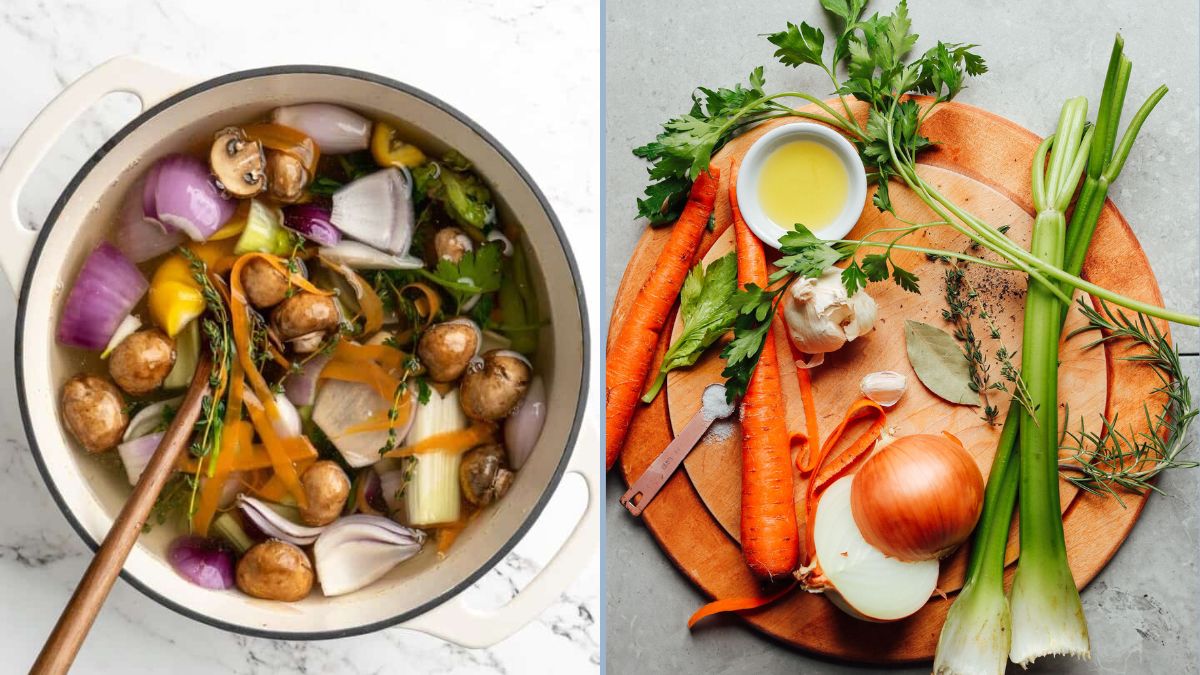
In the pursuit of sustainable cooking, reducing food waste has become a central concern for households and professional kitchens alike. One of the most effective and nutritious ways to minimize waste is by using vegetable scraps to make broth. Vegetable broth made from peels, stems, and trimmings not only prevents waste but also extracts valuable nutrients and deep flavors that enhance a wide range of vegetarian dishes. This paper explores the environmental, nutritional, and culinary benefits of making vegetable broth from scraps. It also provides detailed methods, safety guidelines, and creative variations to ensure both efficiency and taste. By transforming waste into nourishment, this practice represents a step toward eco-conscious and healthful cooking.
Introduction
Modern cooking often emphasizes freshness, flavor, and nutrition—but it can also generate considerable food waste. Peelings, stems, and ends of vegetables that are typically discarded still contain fiber, vitamins, and minerals. Instead of sending these scraps to the bin, they can be repurposed to create a flavorful and nutrient-rich broth.
Vegetable broth serves as a versatile base for soups, stews, gravies, risottos, and sauces. Making it from scraps is both economical and environmentally friendly, turning what would be waste into a valuable cooking ingredient.
This article explores how to collect, store, and use vegetable scraps efficiently to make broth. It highlights the health benefits, environmental impact, and creative variations that can enhance vegetarian meals.
The Value of Vegetable Scraps
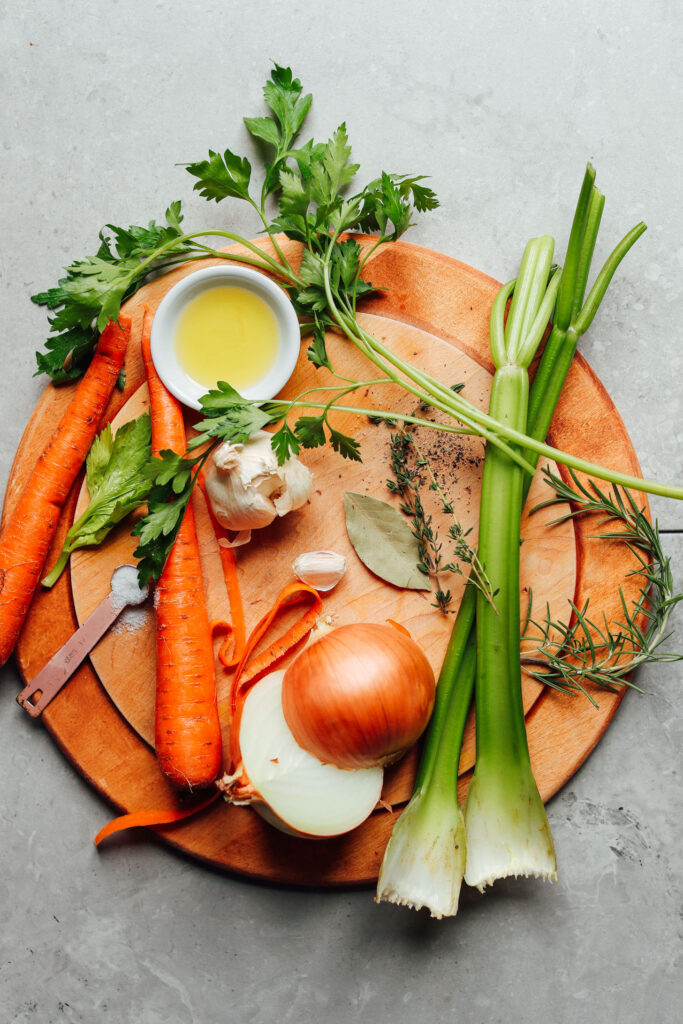
Vegetable scraps—such as onion skins, carrot tops, and celery ends—are rich in flavor compounds, vitamins, and antioxidants. When simmered in water, these nutrients infuse the broth, creating a base that enhances other dishes.
Common valuable scraps include:
- Onion skins and ends: Add depth of flavor and color.
- Carrot peels and tops: Bring natural sweetness.
- Celery leaves and ends: Offer earthy notes and aroma.
- Garlic peels: Add subtle pungency.
- Leek greens: Contribute a mild onion flavor.
- Herb stems (parsley, thyme, cilantro): Provide fragrance and freshness.
By utilizing these scraps, cooks can reduce waste while maintaining quality and nutrition in their meals.
Environmental and Economic Benefits
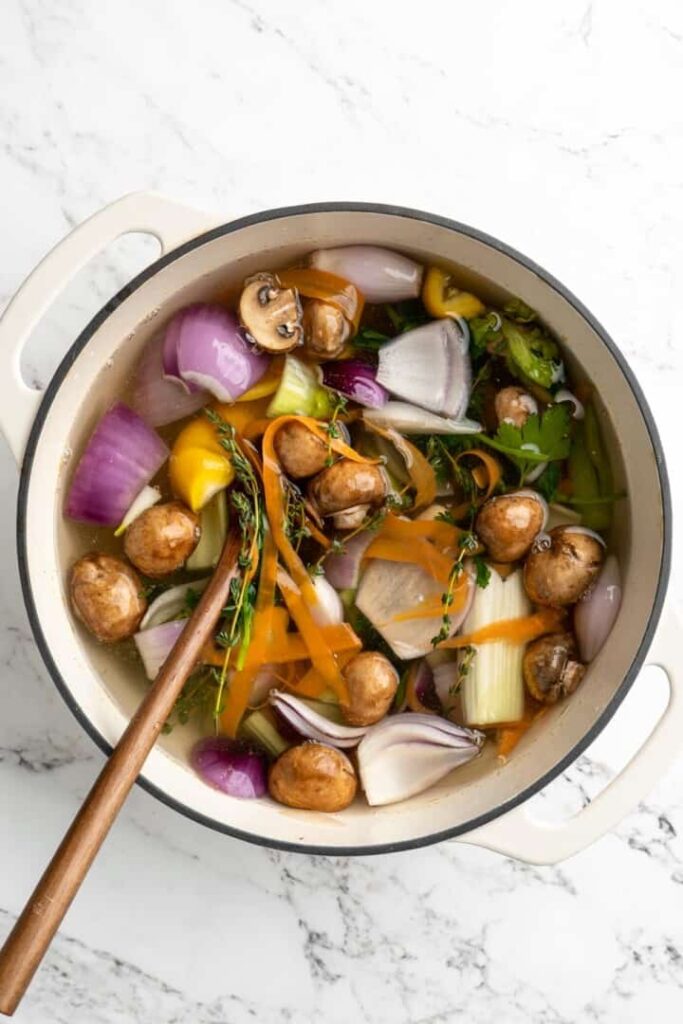
Using vegetable scraps for broth contributes to sustainability in several ways:
- Waste Reduction:
Reduces the amount of food discarded, easing the burden on landfills and composting systems. - Resource Efficiency:
Maximizes the use of water, soil, and energy resources invested in growing vegetables. - Cost-Effectiveness:
Eliminates the need for store-bought broth or bouillon cubes, lowering grocery expenses. - Reduced Packaging Waste:
Homemade broth eliminates the need for packaged alternatives, minimizing plastic and carton waste. - Carbon Footprint Reduction:
Making broth at home cuts down on transportation and production emissions associated with processed alternatives.
Thus, this small kitchen practice plays a significant role in promoting sustainable, environmentally conscious living.
Nutritional Benefits
Homemade vegetable broth offers a wealth of nutritional advantages:
- Vitamins and Minerals: Extracts water-soluble nutrients like vitamin C, potassium, magnesium, and B vitamins.
- Antioxidants: Onion skins and herb stems contain powerful antioxidants that support immunity and cell repair.
- Low in Calories: Provides flavor without added fats or sugars, ideal for light vegetarian dishes.
- Hydration and Digestion: The warm, savory liquid aids in hydration and supports digestion.
- Sodium Control: Homemade broth allows for control of salt levels compared to commercial options, which are often high in sodium.
Regularly incorporating vegetable broth in cooking supports both health and wellness goals.
Collecting and Storing Vegetable Scraps
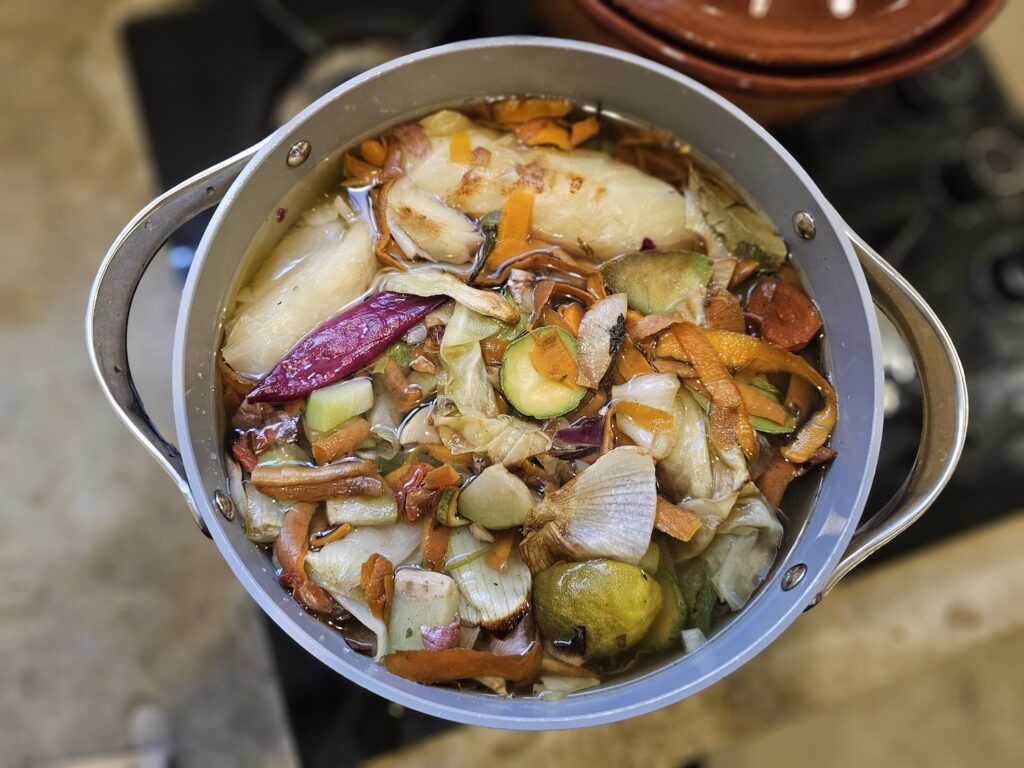
The first step in making broth is collecting suitable scraps. Not all vegetable parts are ideal—some may be bitter or alter the broth’s flavor.
Best Scraps for Broth:
- Onion, garlic, and leek ends (avoid excessive papery skin)
- Carrot peels and tips
- Celery stalks and leaves
- Parsley, thyme, or cilantro stems
- Tomato cores or peelings (adds richness and color)
- Mushroom stems (add umami flavor)
- Corn cobs (for a subtle sweetness)
Avoid Using:
- Potatoes and peels (can make broth cloudy and starchy)
- Cruciferous vegetables like broccoli, cauliflower, and cabbage (can cause bitterness)
- Moldy or decaying produce
Storage Tips:
- Keep a freezer-safe container or zip bag to collect scraps over time.
- Freeze until you have enough for a batch (approximately 4–6 cups of scraps).
- Use within two months for optimal freshness and flavor.
Steps to Make Vegetable Scrap Broth
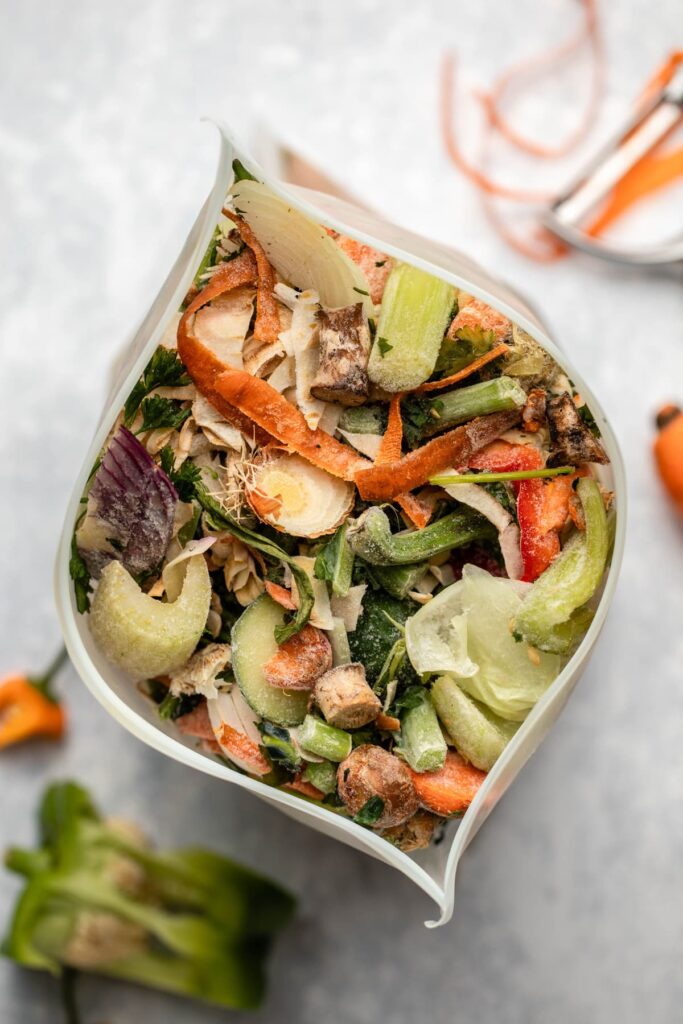
Ingredients:
- 4–6 cups of frozen vegetable scraps
- 10 cups of water
- 2–3 bay leaves
- 1 teaspoon black peppercorns
- Salt (optional, added after cooking)
- Fresh herbs (optional: thyme, parsley, rosemary)
Method:
- Combine Ingredients:
Place vegetable scraps in a large pot. Add water, herbs, and peppercorns. - Boil and Simmer:
Bring to a gentle boil, then reduce to low heat. Let it simmer uncovered for 45–60 minutes. - Strain:
Once done, strain the broth through a fine sieve or cheesecloth to remove solids. - Cool and Store:
Allow the broth to cool completely. Store in airtight containers or glass jars. - Storage Duration:
- Refrigerator: up to 5 days
- Freezer: up to 3 months
This simple process transforms kitchen scraps into a flavorful, multipurpose liquid base.
Flavor Enhancement Tips
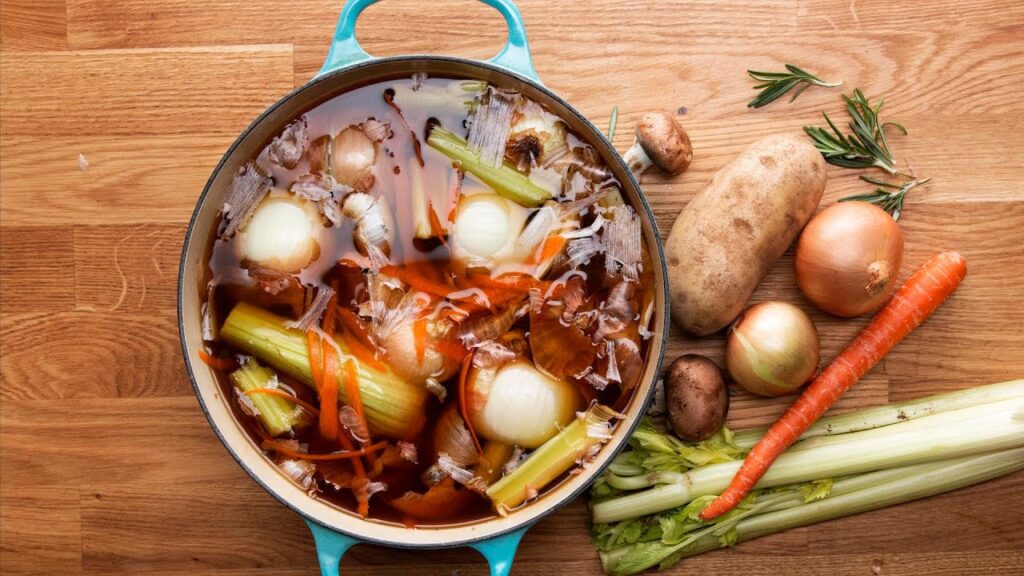
- Roast Scraps First:
For a deeper, richer flavor, roast the scraps in the oven at 200°C (400°F) for 20–25 minutes before simmering. - Add Seasonings:
Experiment with herbs, spices, or a splash of vinegar to balance acidity and sweetness. - Adjust Concentration:
Simmer longer for a more concentrated broth, or dilute with water for lighter flavor. - Avoid Overcooking:
Prolonged boiling may result in bitterness or loss of brightness in flavor. - Degreasing (Optional):
If using oil-coated roasted scraps, skim off any excess oil after straining for clarity.
Creative Uses for Vegetable Scrap Broth
Vegetable broth is a versatile ingredient in vegetarian cuisine. Some ways to use it include:
- Soup Base: Use for lentil soup, minestrone, or creamy vegetable soups.
- Cooking Grains: Replace water with broth when cooking rice, quinoa, or couscous for extra flavor.
- Stews and Curries: Adds body and aroma without overpowering other ingredients.
- Pasta Sauce Base: Enhances sauces for tomato or herb-based pastas.
- Sauté Liquid: Replace oil with broth for low-fat cooking.
- Healthy Beverage: Enjoy warm, seasoned broth as a comforting drink on cold days.
These creative uses ensure every drop contributes to nutritious and flavorful vegetarian meals.
Safety and Quality Considerations
To ensure your homemade broth is safe and fresh:
- Use Fresh Scraps Only: Avoid wilted or spoiled vegetables.
- Proper Straining: Remove all solids to prevent bacterial growth during storage.
- Quick Cooling: Let the broth cool quickly before refrigeration to maintain freshness.
- Label and Date: Always label containers with preparation dates.
- Avoid Reheating Repeatedly: Reheat only the portion you intend to use.
Following these safety measures ensures that your broth remains nutritious and free from contamination.
Environmental Impact and Sustainability
Creating broth from vegetable scraps promotes a circular approach to cooking. It aligns with sustainable kitchen principles by:
- Reducing organic waste
- Encouraging full use of produce
- Lowering demand for packaged goods
- Supporting composting of remaining solids after straining
After extracting the broth, the leftover solids can be composted, returning nutrients to the soil—thus completing the ecological cycle of food sustainability.
Discussion
Using vegetable scraps to make broth represents a shift in the way we view kitchen waste. Instead of discarding peels, stalks, and ends, they become valuable culinary resources. This practice embodies sustainability, economy, and creativity in home cooking.
From a nutritional standpoint, the broth extracts essential vitamins and minerals, offering a wholesome foundation for countless vegetarian dishes. From an environmental perspective, it reduces waste and promotes circular use of resources.
Moreover, it encourages mindfulness—reminding us that every part of the vegetable can serve a purpose, nurturing both the planet and our well-being.
Conclusion
Making vegetable broth from scraps is a simple, sustainable, and nutritious way to enhance vegetarian cooking. It transforms everyday kitchen waste into a flavorful, versatile base while supporting environmental responsibility.
By adopting this practice, home cooks not only save money and resources but also contribute to reducing food waste and promoting eco-friendly living. Each pot of homemade broth embodies the essence of mindful cooking—respecting ingredients, maximizing value, and embracing sustainability.
Ultimately, using vegetable scraps to make broth is more than a culinary technique—it is an ethical and creative approach to cooking that nourishes both body and planet.