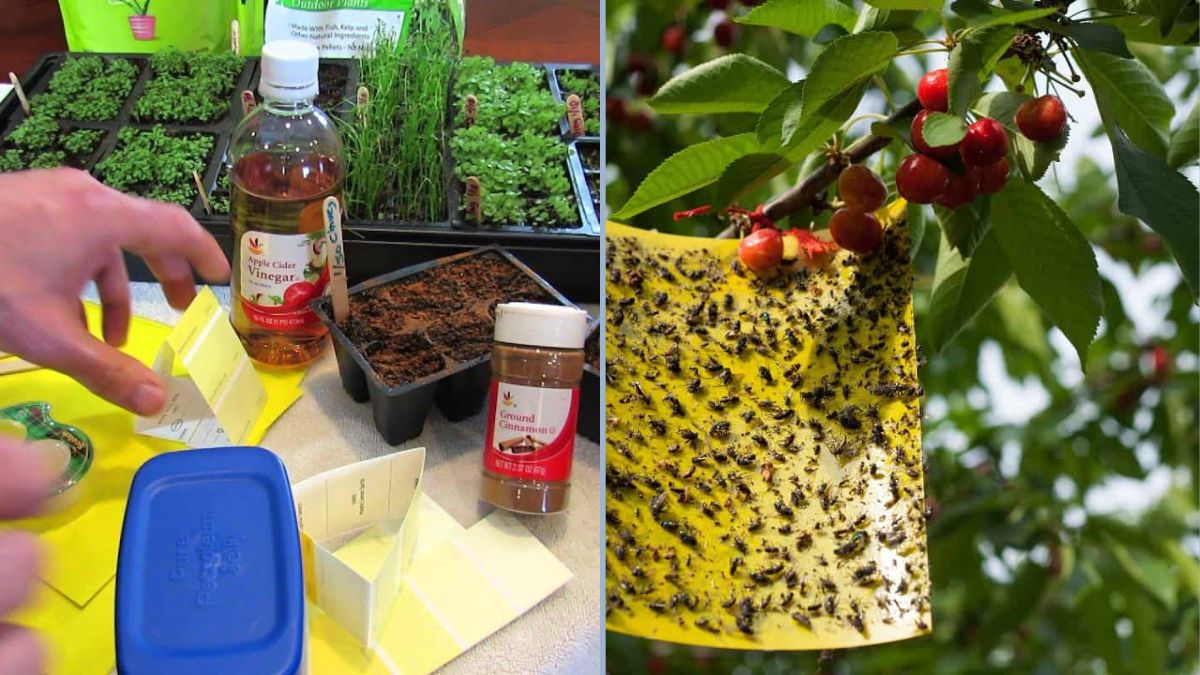
Healthy vegetable production depends heavily on managing pests without harming the environment, soil, or beneficial organisms. While chemical pesticides may offer fast results, they also leave residues, damage soil life, reduce pollinator populations, and can harm human health. An effective and sustainable alternative is the use of DIY insect traps—eco-friendly, inexpensive, and customizable devices that help control pests naturally. This article explores the importance of pest management, explains how DIY traps work, and provides detailed instructions for building various non-toxic traps using only plant-based or neutral household materials.
Why DIY Insect Traps?
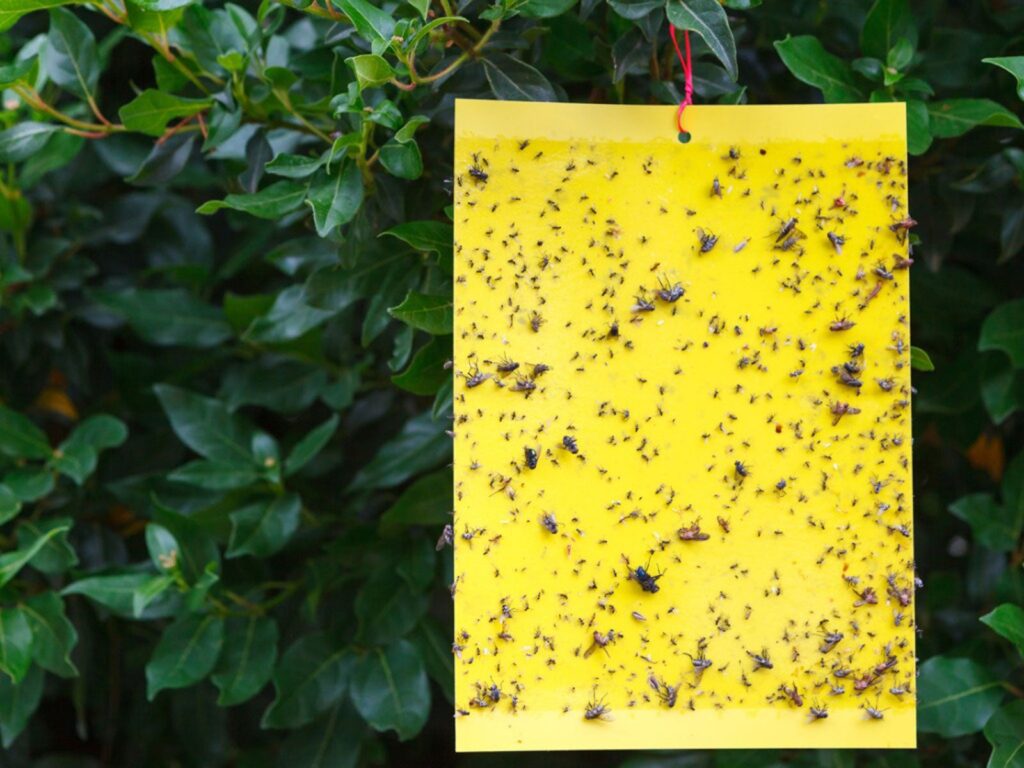
DIY insect traps offer several advantages:
- Chemical-Free Cultivation
No toxic residues contaminate vegetables, making them safe for consumption. - Cost-Effective Pest Control
Most traps are made from recycled bottles, paper, or natural materials. - Protects Soil and Ecosystems
Avoids the ecological damage caused by conventional pesticides. - Promotes Biodiversity
Traps can target harmful pests while leaving beneficial insects unaffected. - Sustainable and Customizable
Traps can be adjusted to target specific pests based on crop needs.
Common Pests in Vegetable Gardens
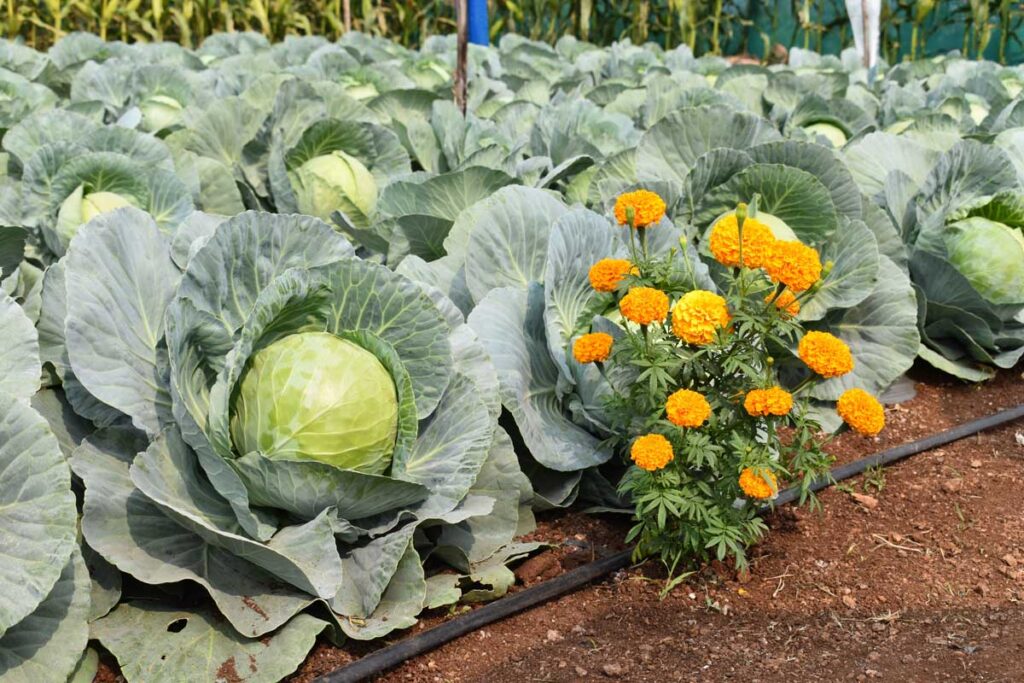
Before building a trap, it’s essential to know which insects are most likely to attack vegetable crops:
- Aphids – Sap-sucking insects that weaken plant tissues.
- Whiteflies – Small flying pests that cause yellowing and curling of leaves.
- Fruit Flies – Attack ripening produce such as tomatoes and cucumbers.
- Leaf Miners – Larvae that burrow within leaves.
- Moths and Caterpillars – Cause large holes in leaves.
- Flea Beetles – Chew small holes in young plants.
- Thrips – Distort leaf surfaces and inhibit photosynthesis.
Targeted traps allow gardeners to control these pests without harming pollinators like bees or ladybirds.
Types of DIY Insect Traps (Non-Veg Options Only)
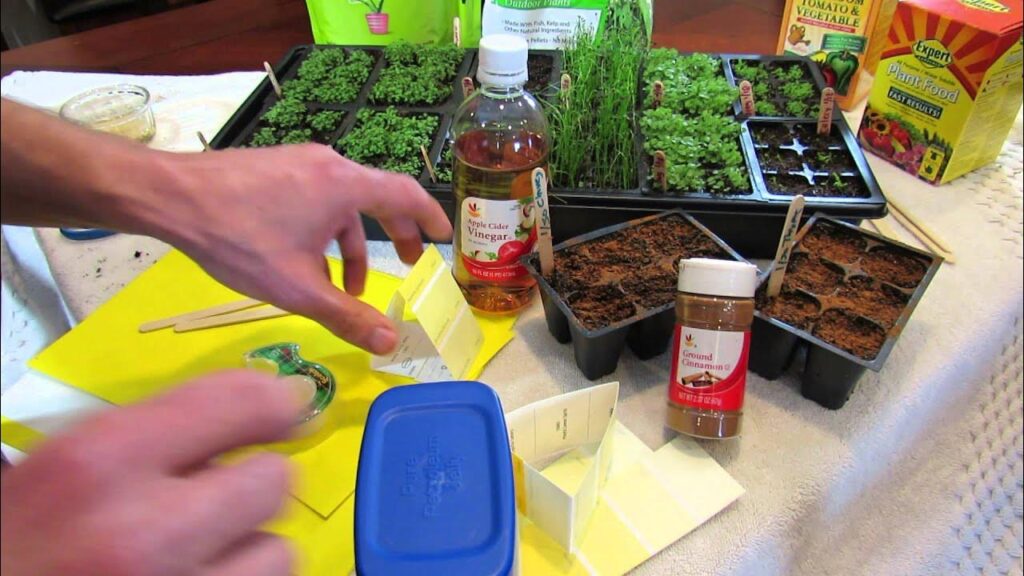
All traps below use plant-based ingredients, household items, and non-meat attractants. They are safe for vegetable gardens and align with vegetarian principles.
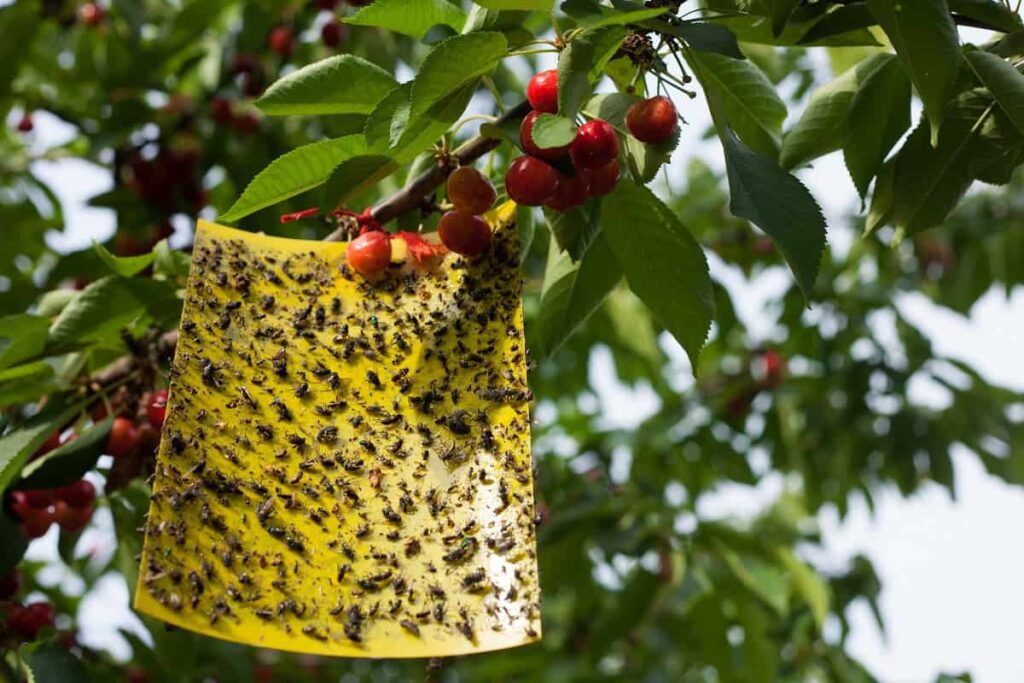
1. Yellow Sticky Traps (for Aphids, Whiteflies, Leaf Miners)
Why Yellow?
Many soft-bodied pests are naturally attracted to bright yellow surfaces.
Materials Needed:
- Thick yellow chart paper or painted plastic
- Clear cooking oil, petroleum jelly, or castor oil
- Wooden sticks or wires for support
How to Make:
- Cut yellow paper or plastic into 15 x 20 cm sheets.
- Coat with a layer of sticky oil or jelly.
- Insert sticks into soil and attach the sheets facing the crop canopy.
Placement Tip:
Use one sheet for every 8–10 square meters of garden space.
2. Soap Water Trap (for Aphids, Leafhoppers, Whiteflies)
Materials:
- 1 liter of water
- 1–2 tablespoons of mild, plant-based liquid soap
- A shallow plate or bowl
Steps:
- Mix soap and water gently to avoid creating excess foam.
- Place the bowl near infected plants.
- Flying pests land and drown in the solution.
Note:
Refresh the solution every 2–3 days.
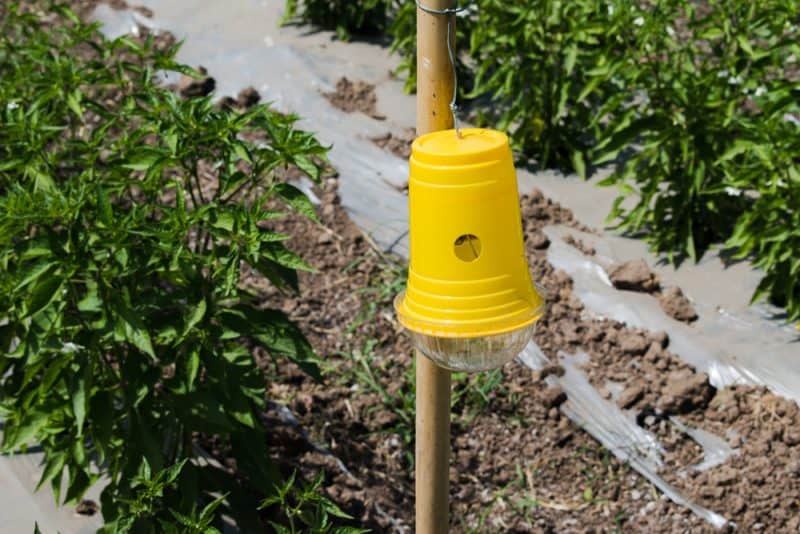
3. Fruit-Based Bottle Trap (for Fruit Flies and Moths)
Materials:
- Used plastic bottle (500 ml or 1 liter)
- Overripe fruit pieces (banana, mango, or guava)
- Water and 1 tablespoon of jaggery or sugar
- Cotton string (optional)
Instructions:
- Make 3–4 small holes near the bottle’s middle.
- Fill with fruit pieces mixed in water and jaggery.
- Hang the bottle using a string or place it on the soil surface.
This attracts fruit flies with scent but keeps them inside once they enter.
4. Cucumber Peel Trap (for Slugs and Beetles)
Materials:
- Fresh cucumber peels
- Small shallow container or bowl
How to Use:
- Place cucumber peels inside the bowl.
- Set it near plants during evening hours.
- Remove trapped insects in the morning.
This is fully biodegradable and harmless to beneficial insects.
5. Baking Soda and Sugar Trap (for Ants)
Materials:
- 1 tablespoon baking soda
- 1 tablespoon powdered sugar
- Small cardboard or paper lids
Method:
- Mix the two ingredients thoroughly.
- Place small portions near the soil surface.
- Ants ingest the mixture and leave the area over time.
This remedy avoids chemical ant killers and keeps roots safe.
6. Clay Pot or Pot-Saucer Trap (for Earwigs and Beetles)
Materials:
- Inverted clay pot
- Damp coconut coir or paper inside
Steps:
- Stuff the inside of the pot with moist coir.
- Place it upside down in the garden.
- Pests shelter inside at night and can be removed in the morning.
This works well in shaded, humid vegetable beds.
7. Garlic and Chili Spray (Repellent Trap Alternative)
Though not a trap in the traditional sense, this repellent spray prevents infestations.
Ingredients:
- 5–6 garlic cloves
- 2 green chilies
- 1 liter water
- 1 teaspoon mild soap (optional emulsifier)
Recipe:
- Grind garlic and chilies with some water.
- Strain and add to 1 liter of water.
- Optionally add soap to help the solution stick to leaves.
Spray 2–3 times a week to repel aphids, thrips, and mites.
Placement and Maintenance of Traps
To ensure high effectiveness:
- Strategic Positioning: Place traps close to the crop canopy or at pest flight levels.
- Regular Cleaning: Replace sticky surfaces or liquid bait every few days.
- Use Multiple Trap Types: Mixing traps increases protection against varied pests.
- Monitor and Adjust: Observe which pests are being captured and adjust placement.
Additional Ecology-Friendly Tips
1. Companion Planting
Growing basil, marigold, peppermint, or lemongrass near vegetables repels pests naturally.
2. Mulching
Organic mulch reduces the egg-laying space for many crawling pests.
3. Crop Rotation
Changing plant families each season disrupts the life cycle of pests.
4. Manual Inspection
Weekly checks help remove eggs and larvae before they grow.
5. Biological Allies
Even without using non-veg attractants, you can encourage ladybugs and lacewings by planting nectar-rich herbs like fennel and dill.
Benefits to Soil, Human Health, and Productivity
Using DIY traps supports:
- Safer Vegetables
Free from pesticide residues. - Environmental Protection
No toxins seep into soil or groundwater. - Long-Term Pest Control
Prevents pest resistance associated with chemical sprays. - Higher Yields
Healthy plants produce more fruits and leaves. - Community Adoption
Simple designs make these traps ideal for home gardens, schools, and urban farming.
Challenges and Solutions
| Challenge | Solution |
|---|---|
| Low initial catch rate | Increase trap number or adjust placement |
| Weather damage | Cover traps from rain or use sturdier materials |
| Pest identification issues | Monitor leaf damage and consult local guides |
| Attracting beneficial insects | Use color and scent that target specific pests only |
| Waste buildup | Replace liquids and sticky surfaces weekly |
Conclusion
DIY insect traps provide a sustainable, safe, and highly customizable way to protect vegetable crops. By using plant-based attractants, recycled materials, and non-toxic substances, gardeners and researchers can maintain healthy ecosystems while managing pests effectively. These traps not only reduce reliance on chemical pesticides but also encourage biodiversity and soil health.
For a thesis or research article, DIY traps offer a practical, experimental, and environment-friendly framework that aligns with modern agricultural sustainability goals. With consistent monitoring and intelligent design, even small-scale farmers and kitchen gardeners can produce abundant, healthy vegetables—without compromising ethics, ecology, or nutrition.
If you’d like this article formatted in sections (like introduction, methodology, results and discussion) or need references, infographics, or a summary table, just let me know!