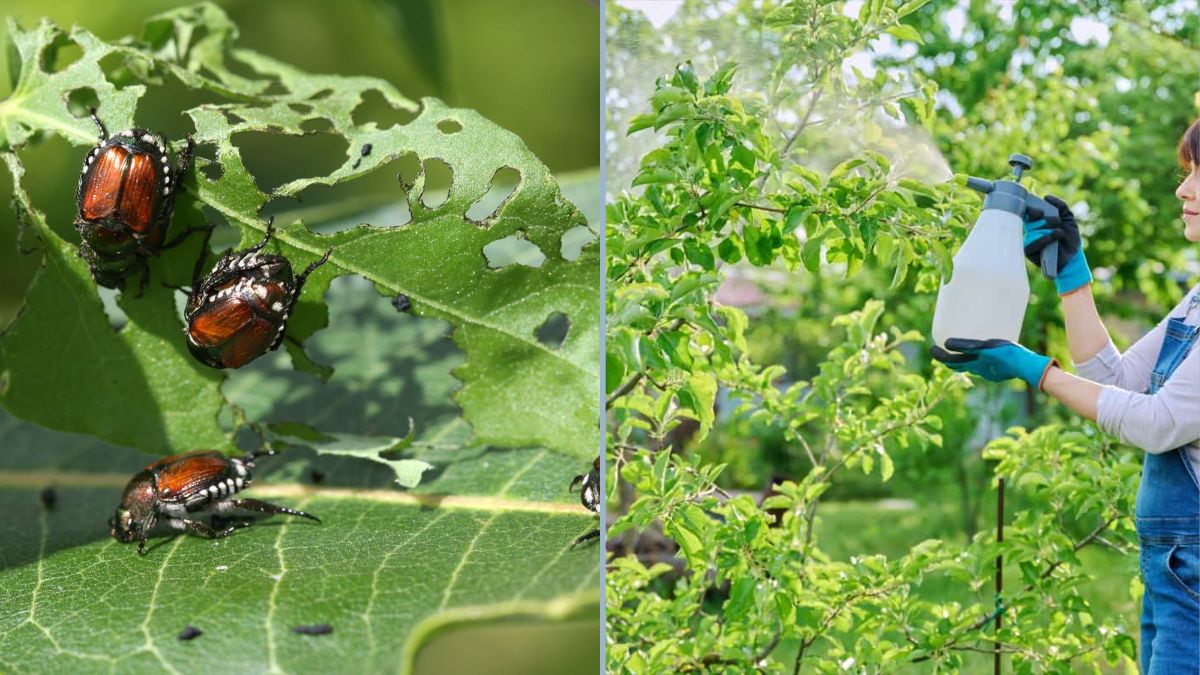
Gardening is a rewarding activity that enhances both the beauty of our surroundings and our connection with nature. However, gardeners frequently face the challenge of pests, which can damage leaves, stems, fruits, and flowers, reducing plant health and productivity. Common garden pests include aphids, whiteflies, caterpillars, mites, snails, and slugs. While chemical pesticides offer quick solutions, they often harm beneficial insects, pollinators, and the environment. Homemade, plant-based solutions provide an eco-friendly alternative that is safe, effective, and sustainable. This article explores the causes of pest infestations, the types of common garden pests, and detailed homemade solutions for managing them naturally.
Understanding Common Garden Pests
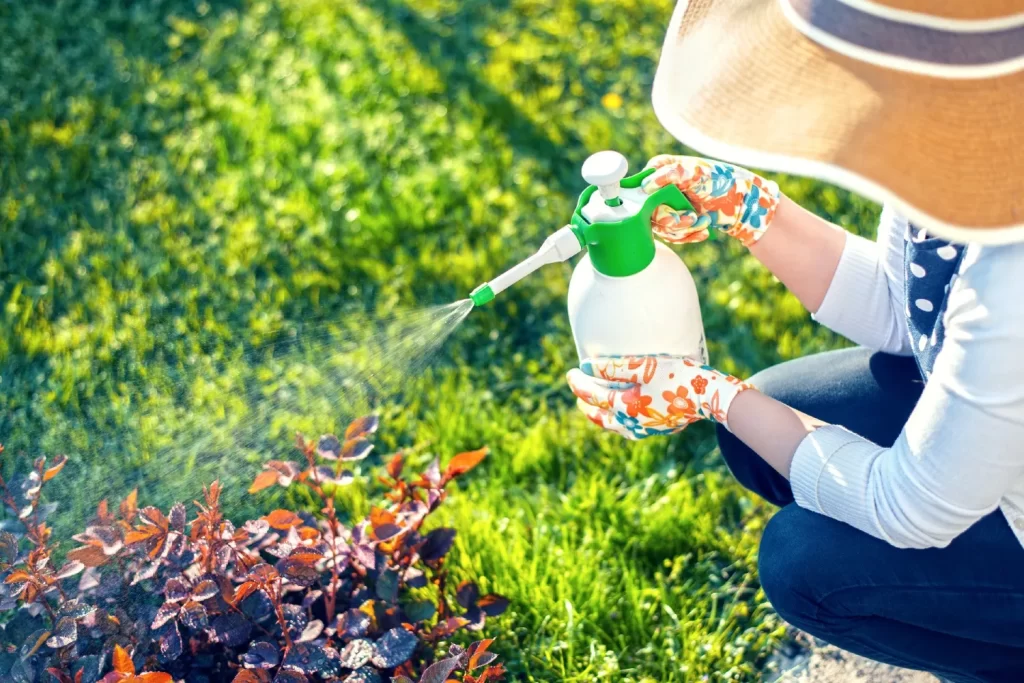
Effective pest management begins with understanding the pests and their behavior. Common garden pests include:
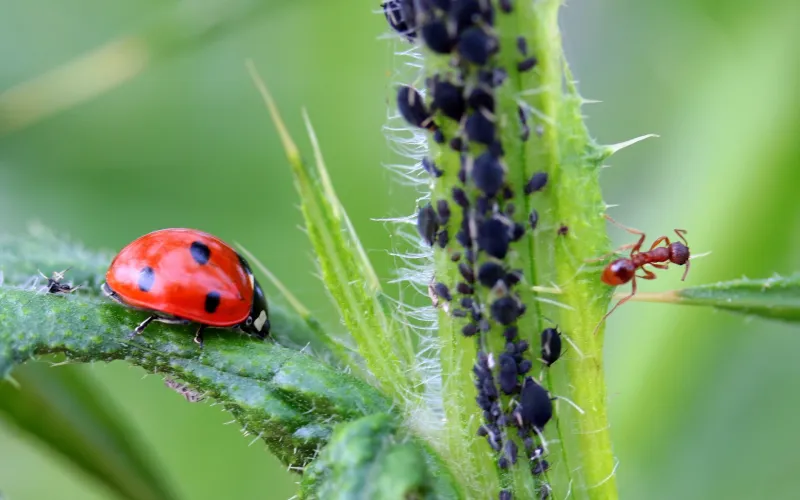
- Aphids: Small, soft-bodied insects that suck sap from plant leaves and stems, often causing curling and yellowing.
- Whiteflies: Tiny, winged insects that feed on the undersides of leaves, leaving a sticky residue called honeydew.
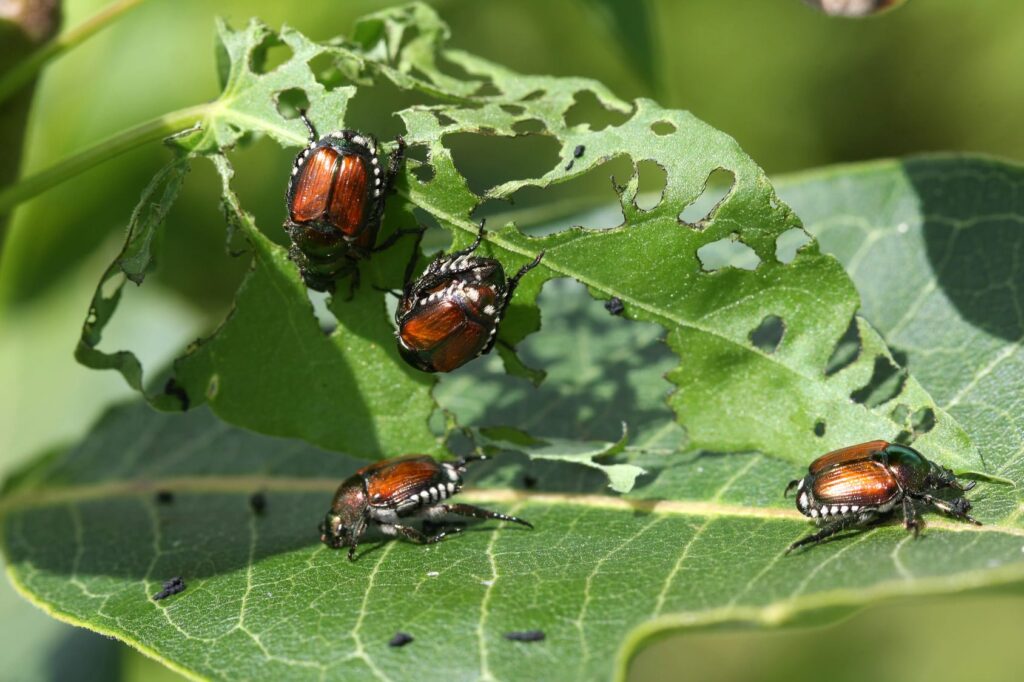
- Caterpillars: Larvae of butterflies and moths that chew holes in leaves and sometimes consume entire leaves.
- Spider Mites: Microscopic pests that create fine webbing and cause yellow speckling on leaves.
- Slugs and Snails: Mollusks that feed on tender leaves, especially in damp conditions, leaving holes and slime trails.
- Mealybugs and Scale Insects: Sap-sucking insects that can weaken plants and attract mold.
Recognizing the signs of pest damage is crucial for early intervention. Regular inspection of leaves, stems, and soil helps detect infestations before they spread.
Environmental and Cultural Factors Contributing to Pest Infestations
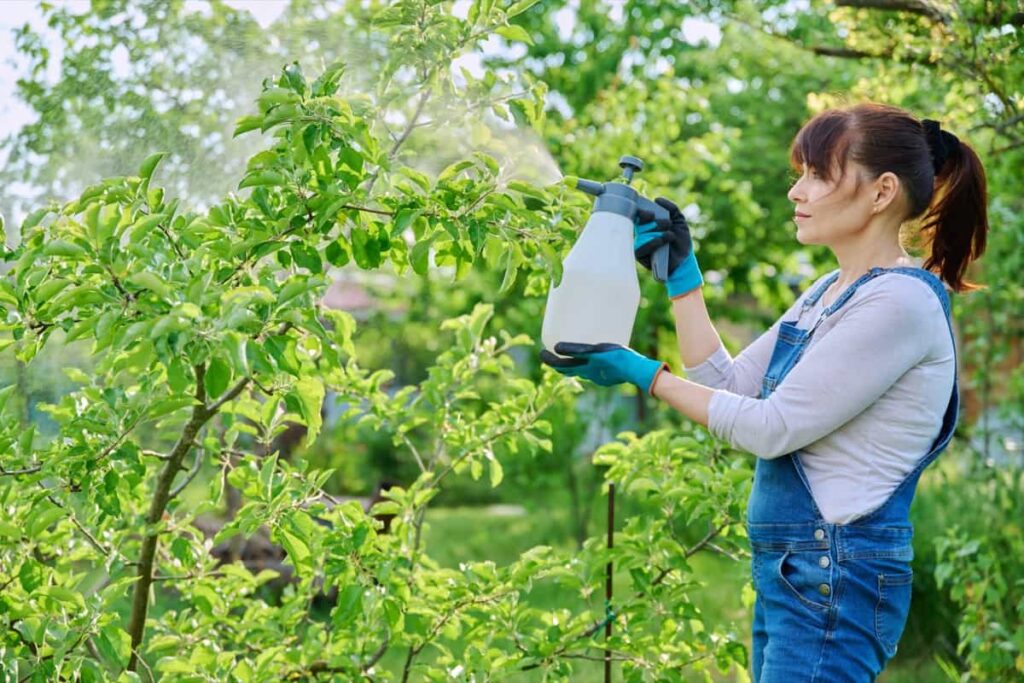
Several conditions in gardens can encourage pest outbreaks:
- Overcrowding: Plants placed too close together reduce airflow and increase humidity, creating an ideal environment for pests.
- Excess Fertilization: Overuse of nitrogen-rich fertilizers can produce tender, lush growth that attracts pests.
- Stagnant Water: Poor drainage and standing water encourage slugs, snails, and fungal pests.
- Monoculture Planting: Growing a single plant species repeatedly attracts pests specific to that crop.
By addressing these factors, gardeners can reduce the risk of pest problems naturally.
Homemade Solutions for Pest Control
Homemade, plant-based solutions are cost-effective, safe, and environmentally friendly. They often rely on ingredients readily available in the kitchen or garden.
1. Neem Oil Spray
Neem oil, extracted from the seeds of the neem tree (Azadirachta indica), is a potent natural pesticide and fungicide. It disrupts the feeding and reproductive cycles of insects.
Preparation:
- Mix 2–3 tablespoons of neem oil with 1 gallon of water.
- Add a few drops of mild liquid soap to help the oil emulsify.
- Spray the mixture thoroughly on affected plants, covering both the tops and undersides of leaves.
Neem oil is effective against aphids, whiteflies, caterpillars, and mites and can also prevent fungal diseases like powdery mildew.
2. Garlic and Chili Spray
Garlic and chili contain sulfur compounds and capsaicin that repel a wide range of insects.
Preparation:
- Blend 5–6 garlic cloves and 2–3 fresh chili peppers with 1 quart of water.
- Strain the mixture and spray it directly on plant foliage.
- Repeat every 7–10 days or after rainfall.
This solution is particularly effective against aphids, caterpillars, and whiteflies.
3. Soap and Water Spray
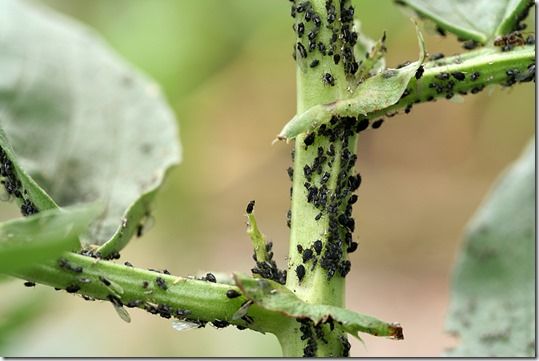
A simple mixture of liquid soap and water is highly effective against soft-bodied insects such as aphids, mealybugs, and spider mites.
Preparation:
- Mix 1 teaspoon of mild liquid soap with 1 quart of water.
- Spray the solution on affected leaves, ensuring thorough coverage.
- Repeat every few days until the infestation subsides.
The soap disrupts the protective outer layer of insects, causing dehydration and death.
4. Tobacco and Pepper Spray
For larger infestations of leaf-eating insects, a tobacco and pepper solution works as a natural deterrent.
Preparation:
- Steep 1 cup of tobacco leaves and 1–2 teaspoons of chili powder in 1 quart of water overnight.
- Strain and spray on affected plants, avoiding the flowers to prevent pollinator exposure.
This solution is most effective for caterpillars and beetles.
5. Diatomaceous Earth
Diatomaceous earth is a fine powder made from fossilized algae that acts as a mechanical pest deterrent.
Application:
- Sprinkle a thin layer around the base of plants to deter slugs, snails, and crawling insects.
- Reapply after rainfall, as the powder loses effectiveness when wet.
It is non-toxic to humans and pets and targets pests by damaging their exoskeletons, causing dehydration.
6. Companion Planting
Planting pest-repellent species alongside vulnerable plants is an effective preventive strategy:
- Marigolds deter nematodes and aphids.
- Basil and Mint repel whiteflies and mosquitoes.
- Lavender and Rosemary deter moths and flea beetles.
Companion planting also supports beneficial insects like ladybugs and lacewings that prey on garden pests.
7. Eggshell Barriers
Crushed eggshells scattered around seedlings act as a physical barrier against slugs and snails. The sharp edges prevent pests from crawling over the soil.
8. Beer Traps
Beer attracts slugs and snails, drawing them away from plants.
Application:
- Fill shallow containers with beer and place them near affected plants.
- Slugs crawl into the liquid and are trapped.
- Empty and refill as needed.
This method is particularly useful for vegetable gardens prone to slug infestations.
Integrated Pest Management (IPM) Approach
Combining multiple homemade solutions enhances effectiveness. An integrated approach may include:
- Regular inspection and manual removal of pests.
- Neem oil or garlic sprays for soft-bodied insects.
- Diatomaceous earth and eggshell barriers for slugs and snails.
- Companion planting to deter pests and attract predators.
- Environmental adjustments such as proper spacing, pruning, and balanced fertilization.
IPM minimizes pest damage while preserving beneficial insects and maintaining ecological balance.
Benefits of Homemade Pest Solutions
Homemade, plant-based pest solutions offer several advantages:
- Safety: Non-toxic to humans, pets, and pollinators.
- Cost-Effective: Uses readily available household or garden ingredients.
- Eco-Friendly: Reduces chemical runoff and preserves soil health.
- Sustainable: Supports long-term garden health and biodiversity.
- Customizable: Solutions can be tailored to specific pests or plant species.
Conclusion
Pests are an inevitable part of gardening, but their impact can be minimized through careful observation and natural, homemade interventions. Solutions such as neem oil sprays, garlic and chili sprays, soap water, diatomaceous earth, and companion planting provide effective, sustainable alternatives to chemical pesticides. Physical barriers, traps, and cultural practices further enhance pest management strategies.
By adopting homemade, plant-based solutions, gardeners protect both their plants and the environment, ensuring healthy growth, higher yields, and a thriving garden ecosystem. Integrating these methods into daily garden care promotes sustainability, reduces reliance on synthetic chemicals, and encourages an environmentally responsible approach to gardening.
A thoughtful combination of preventive measures, natural sprays, and ecological strategies ensures that common garden pests are controlled effectively, allowing gardens to flourish while maintaining harmony with nature.