Young seedlings are particularly vulnerable in gardens due to their tender leaves, delicate stems, and limited root systems. Among the most common and destructive pests that target seedlings are snails. These mollusks feed primarily at night, leaving behind holes in leaves, stripped stems, and silvery slime trails that can damage or even destroy new plants. Protecting seedlings from snail damage is critical for ensuring healthy growth, robust development, and long-term garden productivity. This article explores the biology of snails, their impact on seedlings, and comprehensive natural methods for keeping them away.
Understanding Snails and Their Behavior
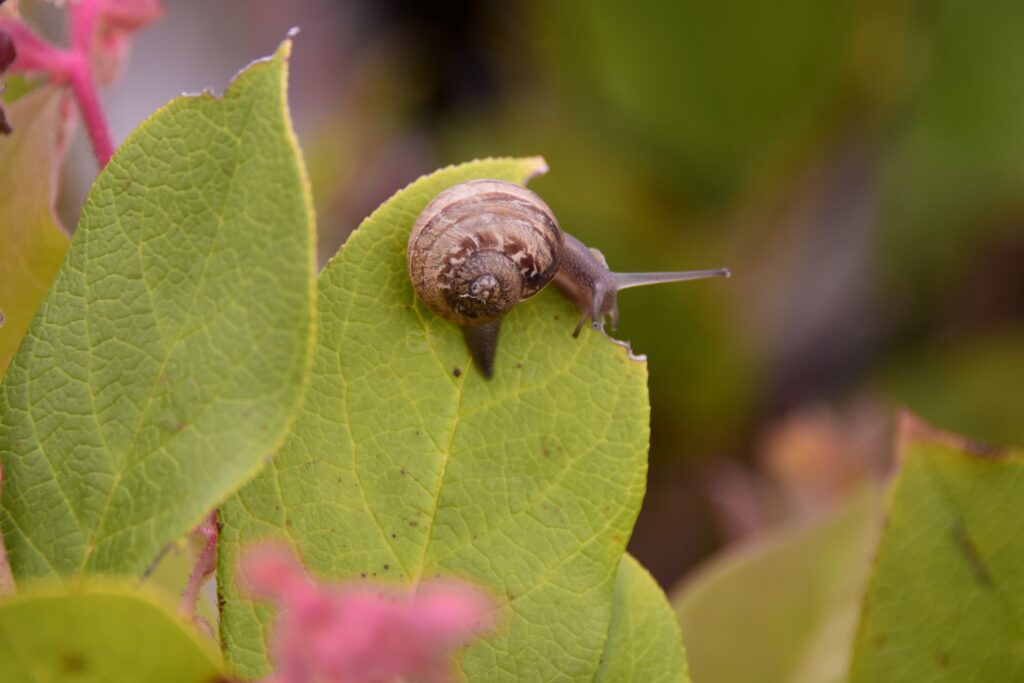
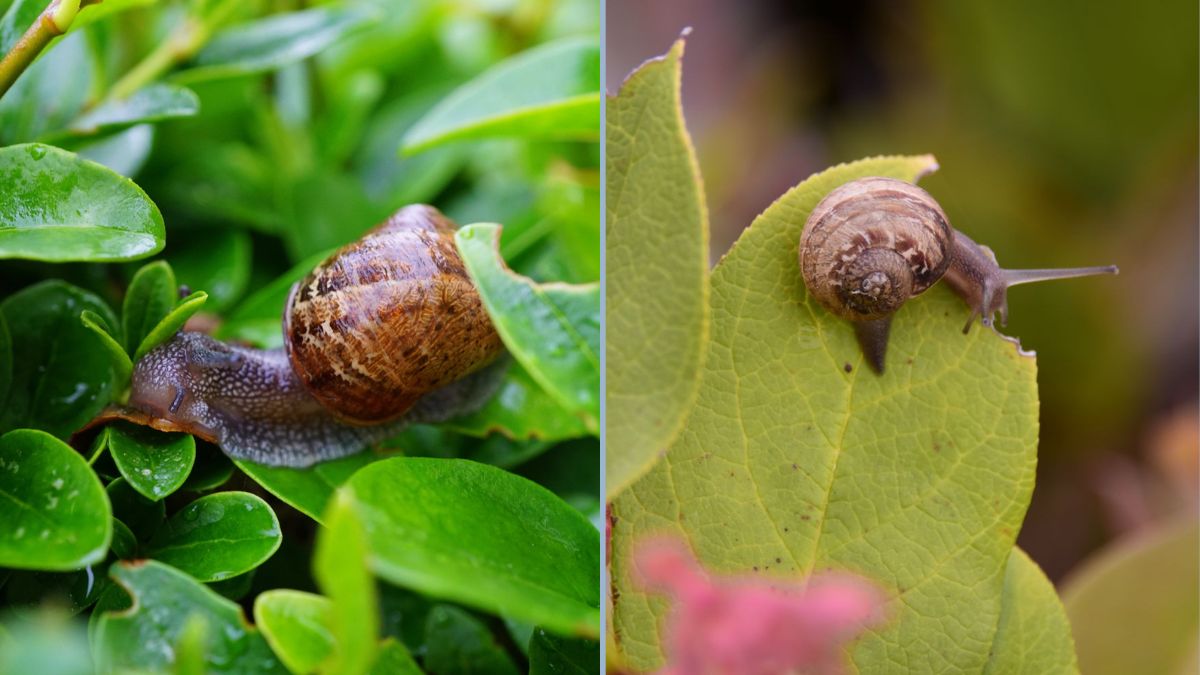
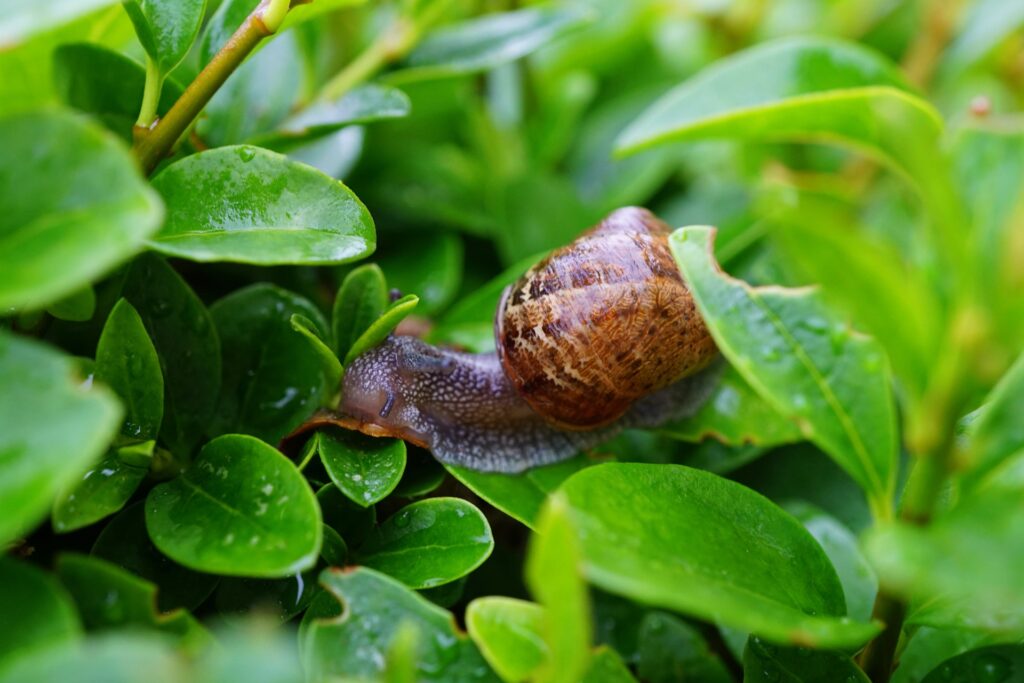
Snails are soft-bodied, slow-moving mollusks that belong to the class Gastropoda. They are primarily herbivorous and feed on a variety of plant materials, including leaves, stems, flowers, and roots. Snails are most active during damp, cool periods, particularly at night or after rain. They hide under mulch, stones, or plant debris during the day to avoid drying out.
Why Young Seedlings Are Vulnerable
Young seedlings are especially susceptible to snail damage for several reasons:
- Tender Leaves and Stems: Seedlings lack the toughened tissue that older plants develop, making them easy to chew.
- Small Size: The limited biomass of seedlings means that even minor feeding can significantly stunt growth or kill the plant.
- Proximity to the Soil Surface: Most seedlings are low-growing, placing them in direct contact with ground-dwelling snails.
Recognizing these vulnerabilities is key to implementing effective protective strategies.
Signs of Snail Damage
Early detection of snail activity helps prevent severe loss of seedlings. Common indicators include:
- Irregular Holes in Leaves: Snails create uneven, jagged holes while feeding.
- Stripped Leaf Edges or Complete Defoliation: Larger populations can completely consume seedling leaves.
- Silvery Slime Trails: Snails leave a thin, shiny mucus trail as they move, which is a telltale sign of their presence.
- Damaged Stems: Seedlings may collapse if snails chew through their delicate stems near the soil line.
Monitoring seedlings daily, especially at dawn and dusk, helps gardeners identify and address snail infestations early.
Environmental Factors That Encourage Snail Activity
Several conditions in a garden make it more hospitable to snails:
- Moist, Shady Areas: Snails thrive in damp environments, particularly under dense foliage or mulch.
- Overcrowded Plantings: Poor air circulation increases humidity at the soil level, providing favorable conditions.
- Organic Mulch: Thick layers of mulch or decaying plant matter can create hiding spots for snails.
- High Nitrogen Fertilization: Lush, tender growth resulting from excessive nitrogen can attract snails.
Adjusting these factors can reduce snail populations naturally, complementing other protective methods.
Natural Strategies to Keep Snails Away
Several environmentally friendly strategies can effectively prevent snails from attacking young seedlings.
1. Physical Barriers
Physical barriers prevent snails from reaching seedlings and are highly effective for small-scale gardens:
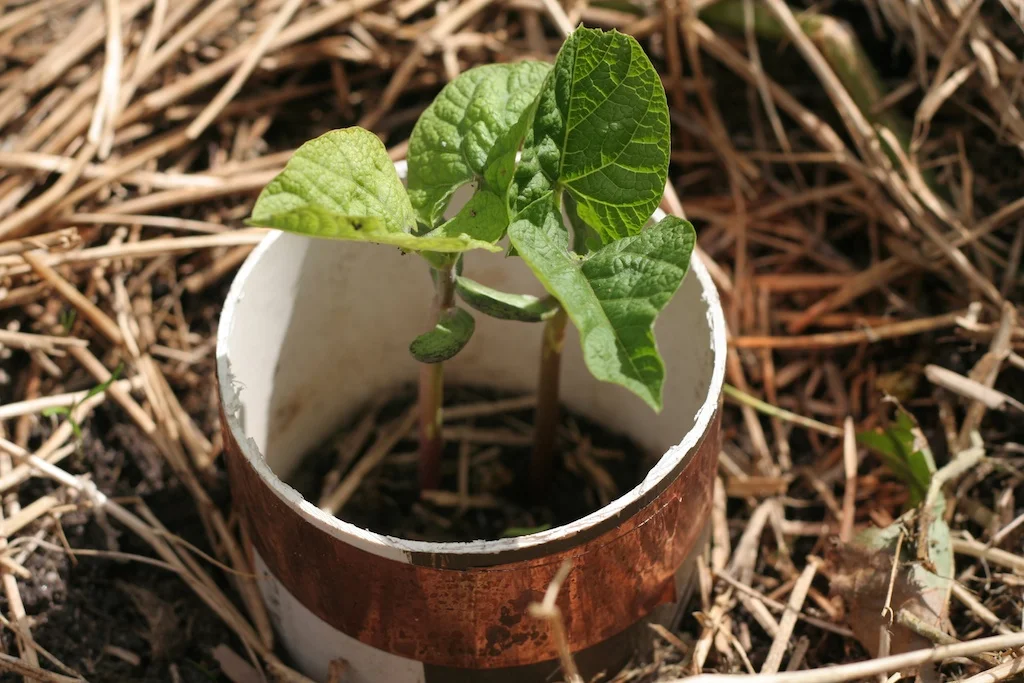
- Copper Tape or Wire: Placing copper around pots or garden beds creates a mild reaction that deters snails from crossing.
- Eggshell or Sand Borders: Crushed eggshells or coarse sand create a rough surface that snails avoid.
- Collars Around Seedlings: Paper or cardboard collars placed at the base of seedlings prevent snails from climbing onto stems.
These methods are non-toxic, cost-effective, and safe for other garden wildlife.
2. Handpicking
Manual removal of snails is a practical strategy, especially in the early stages of seedling growth.
Steps:
- Inspect the garden at dawn or dusk when snails are most active.
- Collect snails and relocate them away from your garden, or place them in a designated compost area where they cannot access seedlings.
- Regular monitoring and removal can significantly reduce snail populations over time.
3. Beer Traps
Beer traps attract snails and can reduce their numbers without harming the environment.
Method:
- Fill shallow containers with beer and place them near seedlings.
- Snails crawl into the beer and become trapped.
- Check traps daily and refill as needed.
Beer traps are particularly effective in damp gardens where snail populations are high.
4. Garlic and Chili Spray
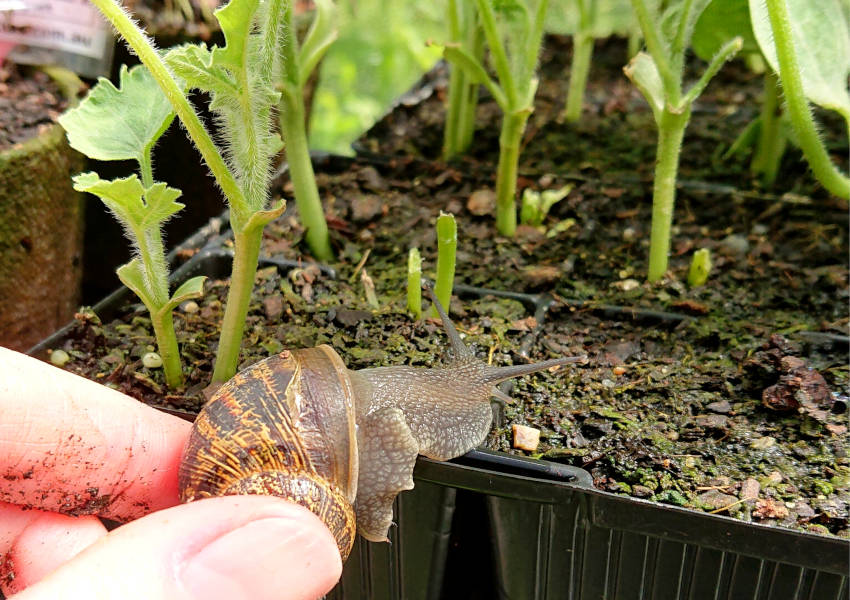
A homemade garlic and chili spray can repel snails naturally by masking plant scents and creating an unappealing surface.
Preparation:
- Blend several garlic cloves and chili peppers with water.
- Strain the mixture and spray lightly around seedlings.
- Reapply after rainfall to maintain effectiveness.
This method deters snails while being safe for plants and humans.
5. Encouraging Natural Predators
Certain wildlife and beneficial insects feed on snails and can help control their populations:
- Birds: Many small bird species eat snails. Providing bird feeders and water sources encourages them to visit your garden.
- Beetles and Ground-Dwelling Insects: Predatory beetles, such as carabids, feed on snails.
- Frogs and Toads: Amphibians naturally consume snails and help maintain ecological balance.
Creating a habitat that attracts natural predators enhances long-term, chemical-free snail control.
6. Proper Garden Maintenance
Cultural practices play a crucial role in reducing snail infestations:
- Clear Debris: Remove fallen leaves, plant litter, and excess mulch where snails can hide.
- Watering Practices: Water seedlings early in the day to reduce nighttime moisture that favors snail activity.
- Spacing Seedlings: Avoid overcrowding to improve air circulation and reduce humidity near the soil.
- Crop Rotation: Moving seedlings to different locations annually can disrupt snail feeding patterns.
Combining these practices with physical barriers and repellents maximizes protection.
7. Companion Planting
Certain plants naturally repel snails, and integrating them into a garden can create a protective environment:
- Herbs like Rosemary, Thyme, and Sage: Their strong aroma discourages snail activity.
- Fennel and Dill: These aromatic plants can mask the scent of vulnerable seedlings.
- Chili and Marigolds: Their scent or chemical properties reduce snail presence around seedlings.
Companion planting also supports pollinators and beneficial insects, contributing to overall garden health.
Integrated Approach for Young Seedling Protection
An effective strategy for keeping snails away combines multiple methods:
- Use physical barriers such as copper tape or crushed eggshells.
- Apply garlic or chili sprays around seedlings.
- Set up beer traps for active snail populations.
- Encourage natural predators by creating habitats and planting aromatic companion plants.
- Maintain proper garden hygiene and watering practices.
By adopting an integrated approach, gardeners can protect seedlings efficiently while minimizing environmental impact.
Benefits of Natural Snail Control
Natural, homemade solutions for snail control provide numerous advantages:
- Eco-Friendly: No harmful chemicals are introduced into the soil or water systems.
- Safe for Humans and Pets: Unlike synthetic pesticides, natural methods pose minimal risk.
- Cost-Effective: Utilizes household ingredients or readily available garden materials.
- Supports Biodiversity: Encourages beneficial insects, birds, and pollinators.
- Sustainable: Provides long-term protection without disrupting garden ecology.
Conclusion
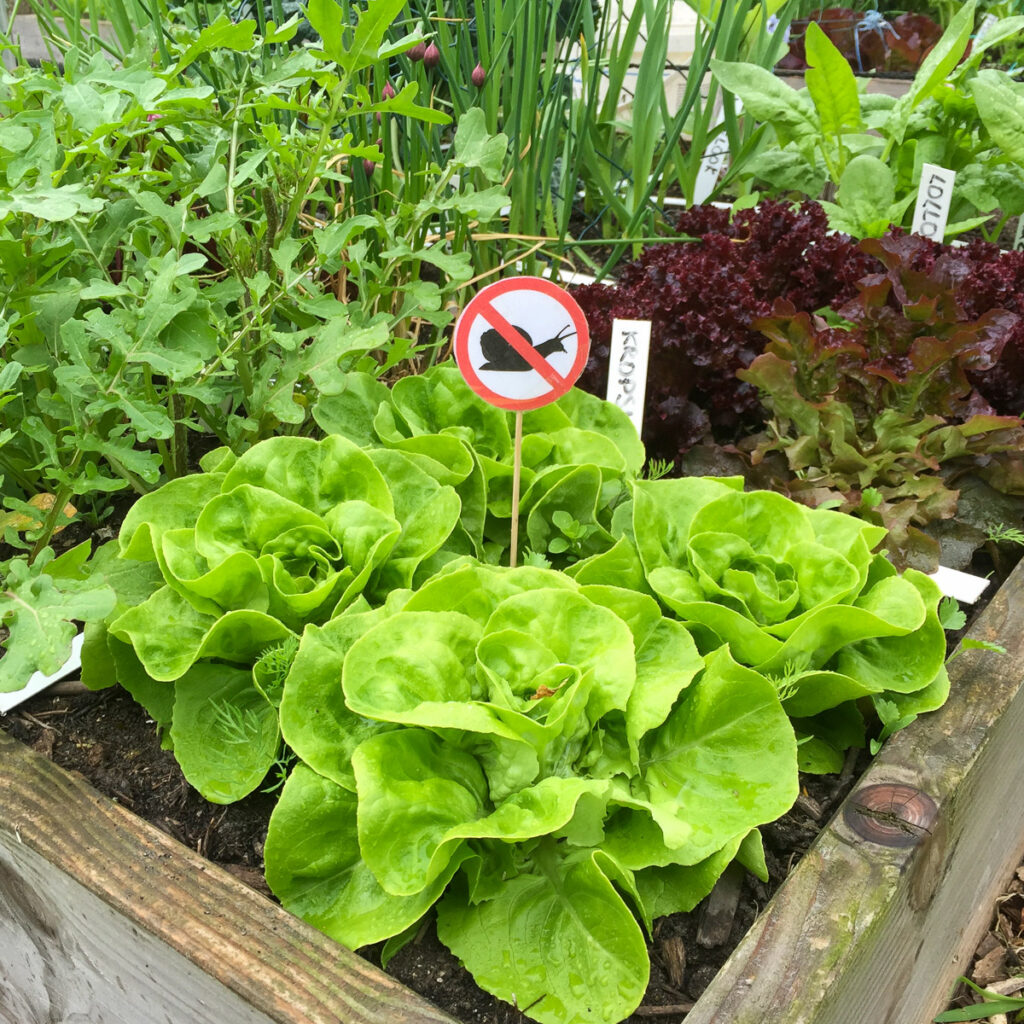
Snails are persistent pests that pose significant threats to young seedlings, but their impact can be minimized through natural, environmentally friendly strategies. Physical barriers, homemade sprays, traps, companion planting, and encouraging natural predators provide effective protection. Combined with proper garden maintenance, these methods create a safe and thriving environment for seedlings to grow into healthy, mature plants.
Protecting seedlings from snails not only ensures strong early growth but also promotes sustainable gardening practices that maintain ecological balance. By using homemade and natural solutions, gardeners can safeguard their young plants while fostering a biodiverse, resilient garden ecosystem that thrives without relying on harmful chemicals.