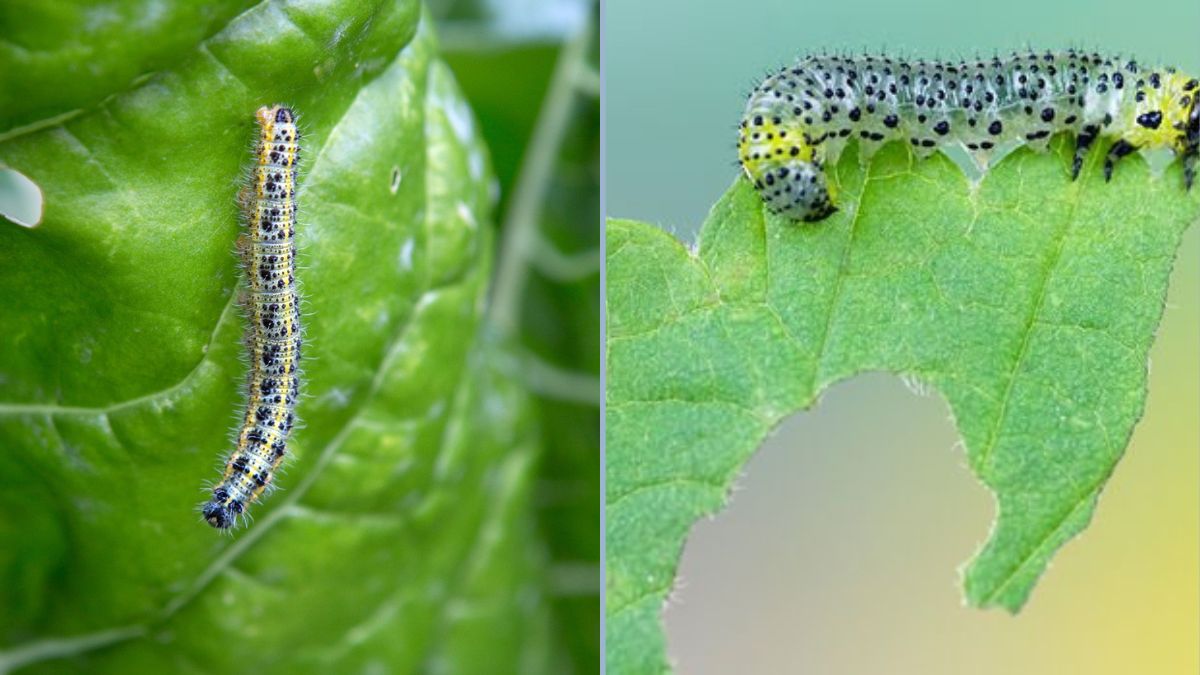
Caterpillars, the larval stage of butterflies and moths, are common herbivorous pests that feed on the leaves of many plants. While they play an important role in ecosystems as pollinators and as part of the food chain, caterpillars can become destructive in gardens and indoor plant collections. Their voracious appetite can defoliate plants, weaken them, and reduce growth, flowering, and fruit production. Understanding how to prevent caterpillars from eating leaves is crucial for gardeners, farmers, and plant enthusiasts seeking to maintain healthy, thriving plants. This article explores the biology of caterpillars, their impact on plants, and effective natural strategies for prevention and control.
Understanding Caterpillars and Their Feeding Habits
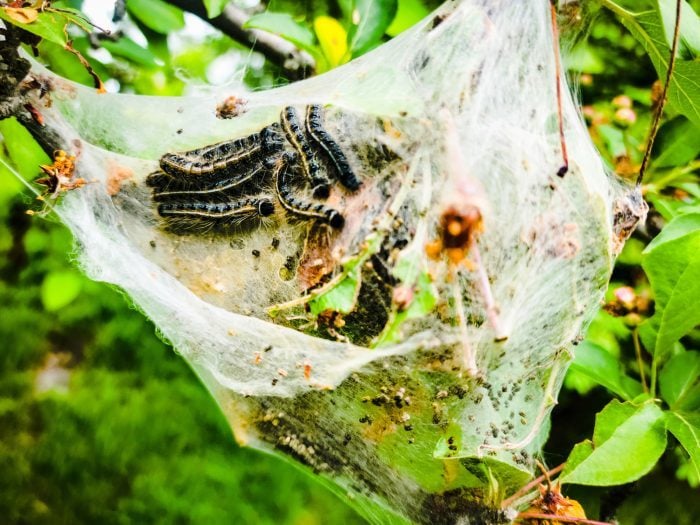
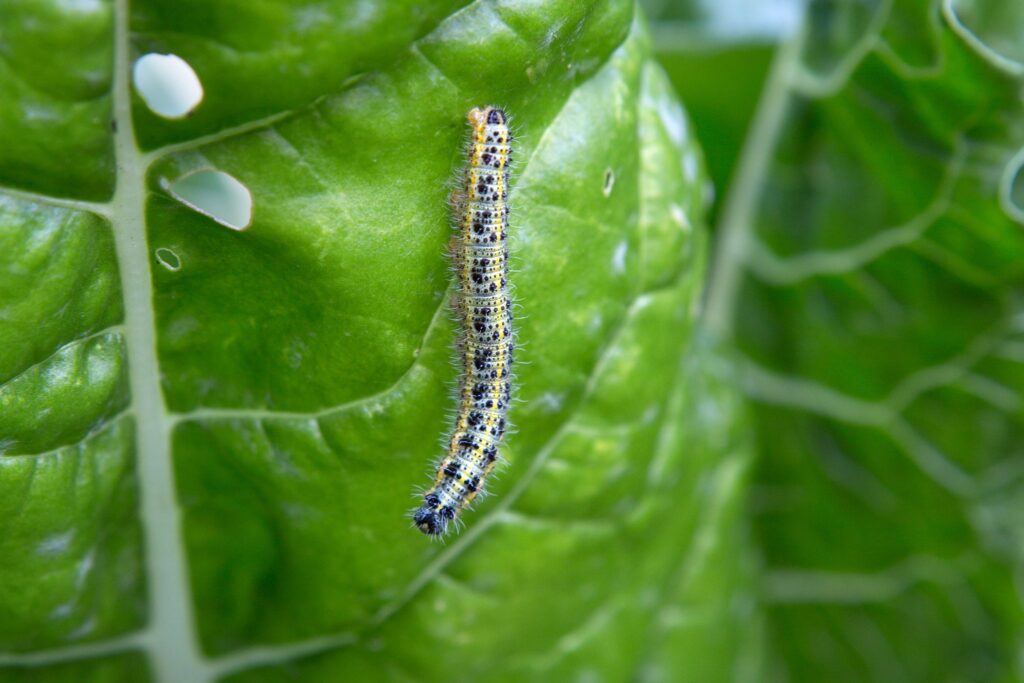
Caterpillars are the larval stage of Lepidoptera, a group that includes butterflies and moths. They hatch from eggs laid on plant surfaces, typically on leaves, stems, or flowers. Caterpillars feed primarily on leaves, although some species target buds, flowers, or fruits. Their feeding is driven by their rapid growth and energy requirements, which can lead to significant plant damage in a short time.
Common Signs of Caterpillar Damage
Early detection is key to preventing widespread damage. Common signs include:
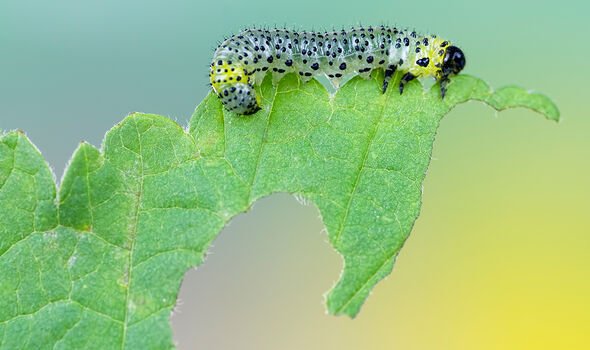
- Chewed Leaves: Caterpillars often leave irregular holes or edges on leaves. The pattern of damage can vary depending on the species.
- Skeletonized Leaves: Some caterpillars consume leaf tissue between veins, leaving only a network of veins intact.
- Presence of Frass: Frass, or caterpillar droppings, are small, dark pellets often found on leaves or beneath plants.
- Visible Caterpillars: In many cases, the pests themselves can be spotted on the undersides of leaves or along stems.
Different caterpillar species have varying preferences, but the general result is reduced photosynthesis, slower growth, and diminished plant health.
Environmental and Cultural Factors That Encourage Caterpillars
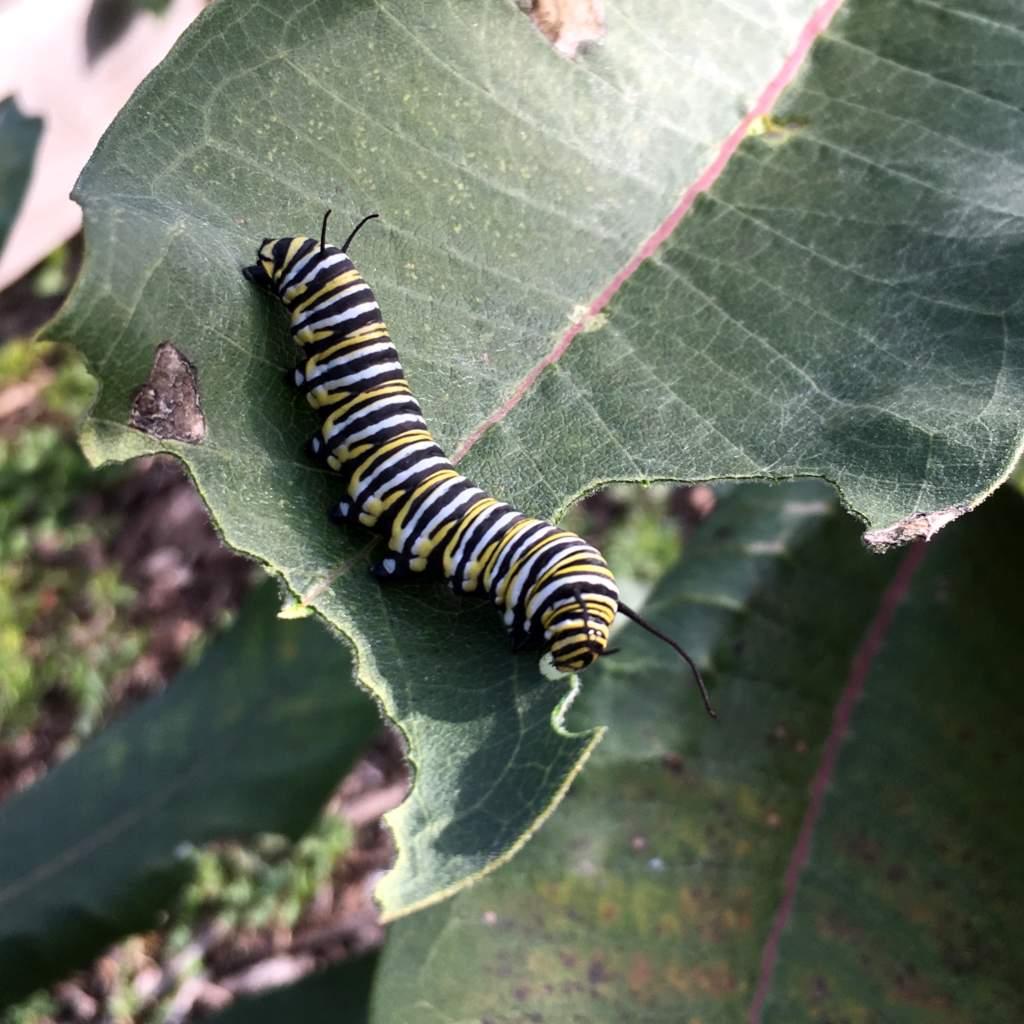
Certain environmental conditions can make plants more susceptible to caterpillar infestations:
- Dense Planting: Crowded plants provide shelter and breeding grounds for caterpillars.
- Lack of Natural Predators: In urban or indoor environments, natural predators like birds, spiders, and predatory insects may be absent.
- Overfertilization: Excess nitrogen can produce tender leaves that caterpillars prefer.
- Continuous Planting: Year-round availability of host plants allows caterpillar populations to build rapidly.
Recognizing these factors can help in designing preventive strategies.
Natural Prevention and Control Strategies
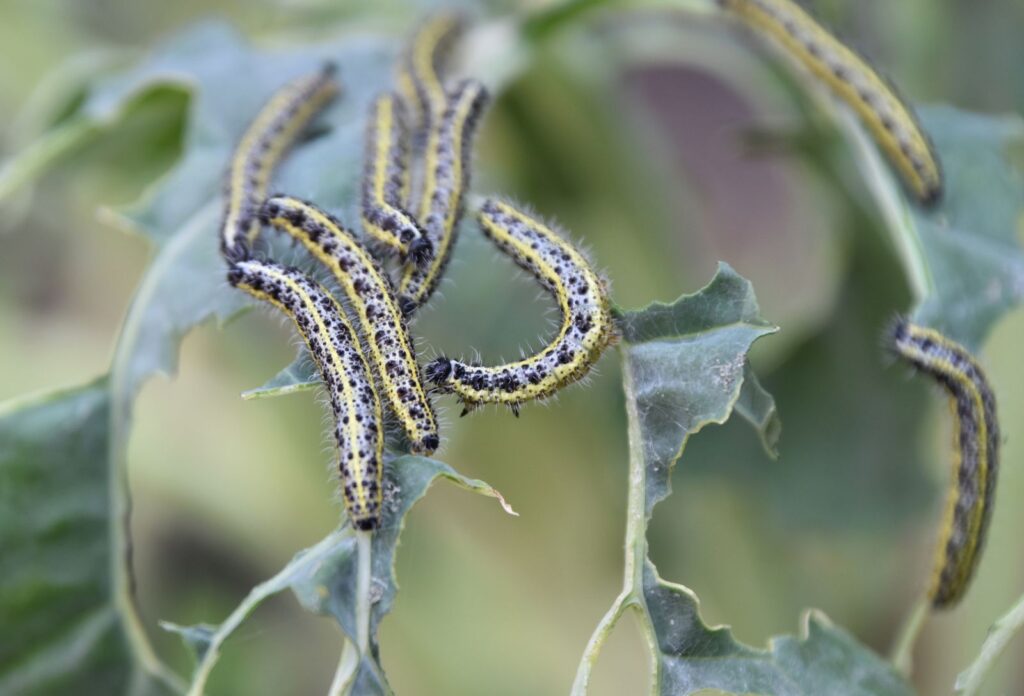
Preventing caterpillar damage without using non-vegetarian or chemical pesticides involves several environmentally friendly strategies. These focus on deterring caterpillars, supporting natural predators, and creating conditions unfavorable for their development.
1. Manual Removal
For small-scale infestations, physically removing caterpillars is highly effective. This can involve:
- Inspecting leaves and stems regularly.
- Picking off caterpillars by hand and placing them in soapy water or relocating them far from the garden.
- Shaking branches over a cloth to dislodge hidden larvae.
While labor-intensive, manual removal prevents immediate damage and avoids chemical treatments.
2. Neem Oil and Other Plant-Based Sprays
Neem oil, derived from Azadirachta indica, is an effective natural insect deterrent. It works by disrupting the hormonal system of caterpillars, preventing feeding and growth.
Application:
- Mix 2–3 tablespoons of neem oil with 1 gallon of water and a few drops of mild liquid soap.
- Spray thoroughly on leaves, stems, and flowers, paying attention to the undersides of leaves.
- Reapply every 7–10 days or after rainfall.
Other plant-based sprays, such as garlic extract or chili pepper solution, can also repel caterpillars naturally.
3. Bacillus thuringiensis (Bt)
Bacillus thuringiensis is a naturally occurring soil bacterium that acts as a biological pesticide specifically against caterpillars. It is safe for humans, pets, and beneficial insects.
Application:
- Apply Bt in the early morning or late evening to reduce degradation from sunlight.
- Ensure full coverage of leaves, including the undersides.
- Repeat applications as directed on the product label.
Bt is highly selective, affecting only caterpillars and related larvae, making it ideal for organic gardening.
4. Companion Planting
Planting certain species alongside susceptible plants can deter caterpillars naturally:
- Marigolds: Emit a strong scent that repels many pests.
- Basil and Mint: Aromatic herbs can mask the scent of host plants and deter feeding.
- Nasturtiums: Serve as trap crops, attracting caterpillars away from main plants.
Companion planting not only reduces caterpillar damage but also enhances biodiversity and soil health.
5. Physical Barriers
Using barriers can prevent caterpillars from reaching plants:
- Row Covers or Netting: Fine mesh prevents adult moths or butterflies from laying eggs on plants.
- Sticky Bands: Wrap sticky tape or bands around stems to trap crawling larvae.
- Collars: Paper or cardboard collars at the base of plants prevent certain caterpillars from climbing.
Physical barriers are especially useful for young seedlings and high-value plants.
6. Encouraging Natural Predators
Supporting beneficial insects and birds helps control caterpillar populations naturally:
- Ladybugs and Lacewings: Feed on eggs and small larvae.
- Parasitic Wasps: Lay eggs inside caterpillars, eventually killing them.
- Birds: Many species feed on caterpillars, reducing infestations in larger gardens.
Providing birdhouses, insect hotels, and flowering plants to attract these predators can enhance natural pest control.
7. Proper Garden Maintenance
Cultural practices are crucial for long-term prevention:
- Regular Pruning: Remove heavily infested leaves and branches.
- Crop Rotation: Avoid planting the same species in the same location repeatedly.
- Sanitation: Clear fallen leaves and debris where caterpillars may pupate.
- Balanced Fertilization: Avoid excess nitrogen while providing adequate nutrients for healthy, resistant plants.
Healthy plants are naturally more resistant to caterpillar feeding.
Integrated Approach
The most effective prevention combines multiple strategies:
- Begin with manual inspection and removal.
- Apply neem oil or Bt as needed.
- Incorporate companion plants to repel or distract caterpillars.
- Use physical barriers for young plants or high-value crops.
- Maintain environmental conditions that favor plant health and natural predators.
By integrating these methods, gardeners can sustainably manage caterpillars while maintaining ecological balance.
Conclusion
Caterpillars, while natural components of ecosystems, can pose significant challenges to plant health when populations are unchecked. Preventing them from eating leaves requires understanding their life cycle, feeding habits, and environmental preferences. By combining manual removal, natural sprays like neem oil, biological controls such as Bacillus thuringiensis, companion planting, physical barriers, and supporting natural predators, gardeners can protect their plants without relying on chemical pesticides or non-vegetarian methods.
Preventive cultural practices and regular monitoring are essential for maintaining plant health, reducing damage, and promoting sustainable gardening practices. Adopting these natural strategies ensures healthy, thriving plants, while respecting the ecological role of caterpillars and preserving biodiversity.