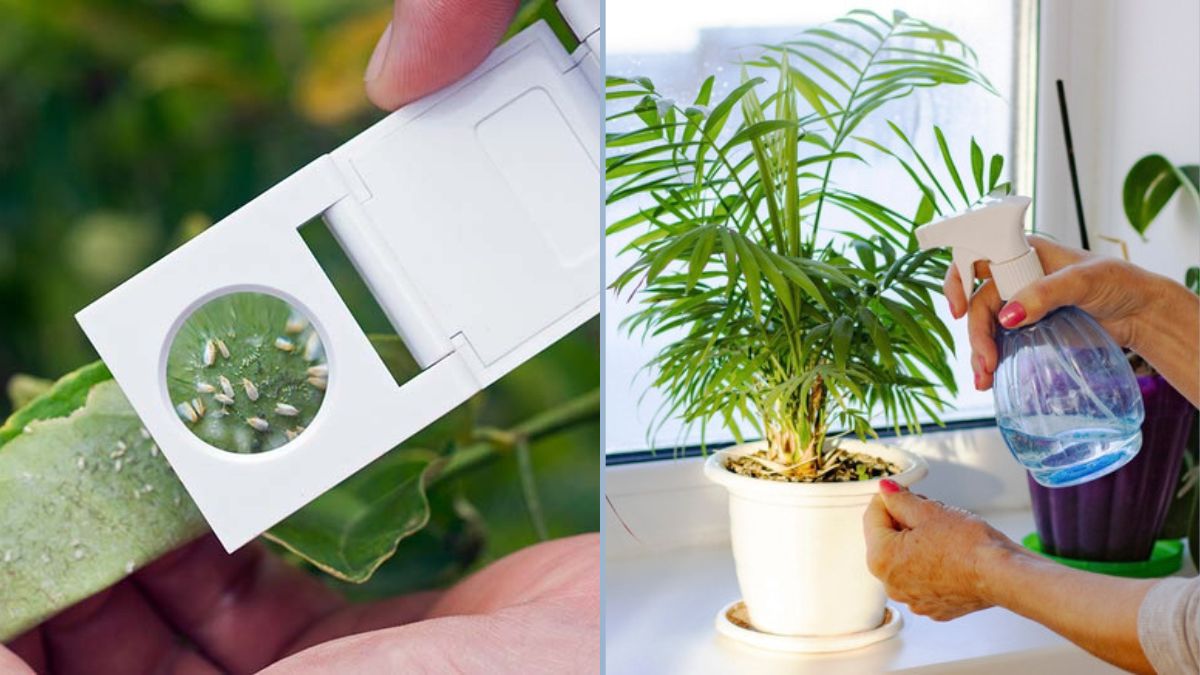
Whiteflies are among the most persistent indoor plant pests, often appearing as tiny white specks fluttering up when a plant is disturbed. Despite their delicate appearance, these insects can severely weaken houseplants by sucking sap, spreading diseases, and causing mold growth. For indoor gardeners and hobbyists, especially those seeking eco-friendly and cruelty-free methods, controlling whiteflies safely is essential. This article presents detailed, non-toxic, plant-based, and non-animal approaches to preventing and managing whitefly infestations indoors.
Understanding Whiteflies and Their Life Cycle
To effectively manage whiteflies, it’s important to understand their development:
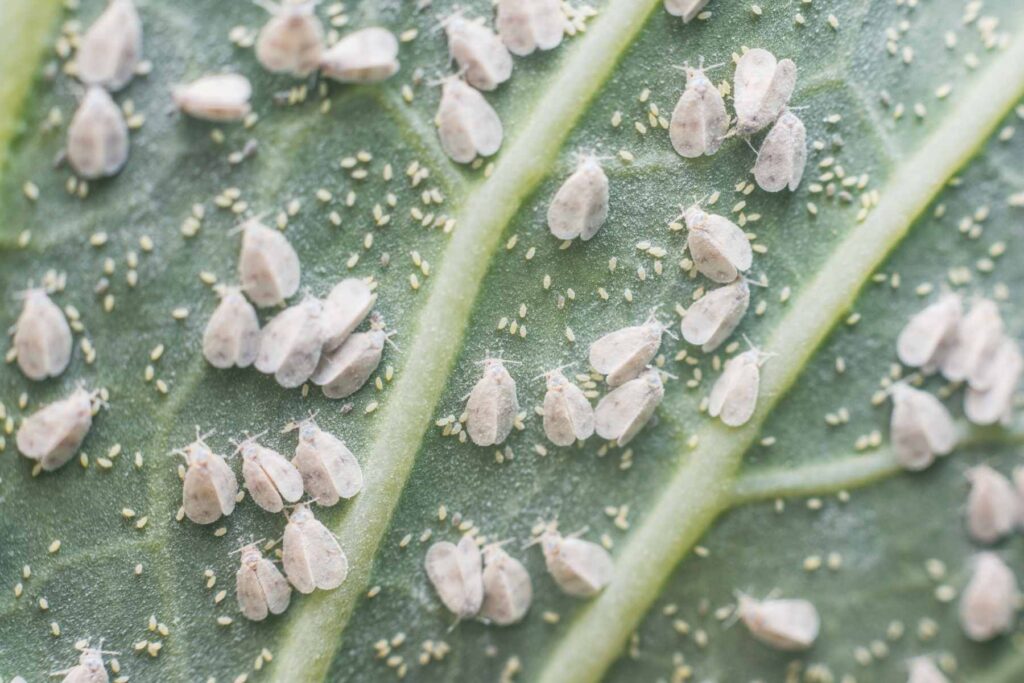
- Eggs: Laid in circles or crescents on the undersides of leaves.
- Nymphs (Crawlers): Flat, translucent, and nearly immobile.
- Pupae: Mature stage before becoming adults.
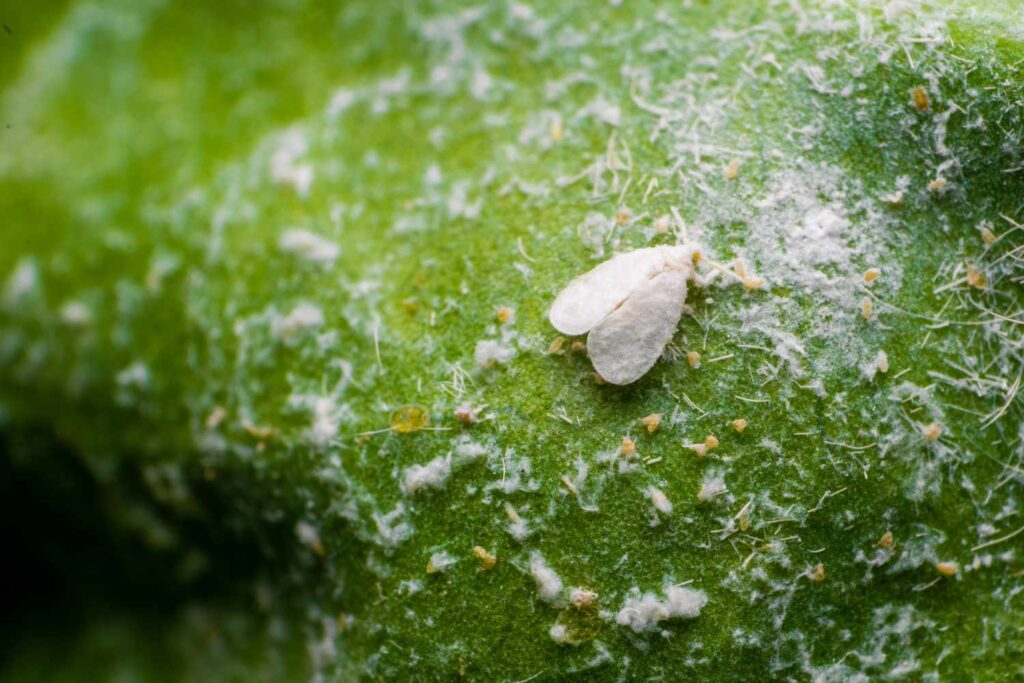
- Adults: Small (1–2 mm), moth-like insects that feed on sap.
Whiteflies reproduce rapidly, especially in the warm, humid environments typical of indoor spaces. A single female may lay 200–400 eggs in her lifetime, and a full generation can develop in as little as three weeks. Swift action and ongoing prevention are therefore essential.
Early Detection and Monitoring
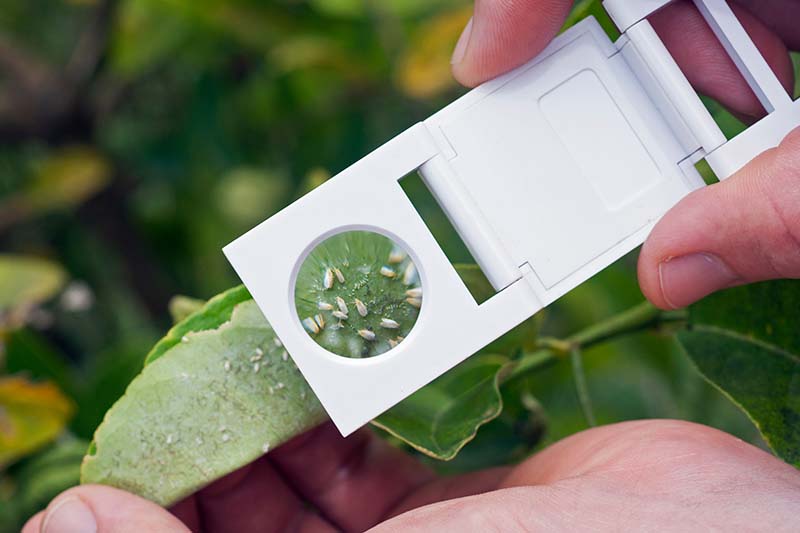
A critical step in safe whitefly control is identifying infestations early. Here are gentle but effective detection methods:
- Leaf Inspection
Check the undersides of leaves weekly for eggs, nymphs, or sticky residue (honeydew). - Tap Tests
Gently tap or shake a plant; if small white insects fly up, whiteflies are present. - Yellow Sticky Traps
These are non-toxic and widely available. Place them near plants to catch adults and track infestation levels without harming beneficial organisms.
Environmental Adjustments
Whiteflies thrive in specific conditions. Modifying the indoor environment helps suppress their reproduction naturally.
1. Humidity Balance
Whiteflies prefer moderate humidity. Too much moisture can also promote fungal issues, so maintain balance with good air circulation.
2. Temperature Control
Temperatures above 21°C (70°F) encourage whitefly reproduction. Keep plants in slightly cooler conditions where possible.
3. Airflow
Use fans or open windows periodically to disrupt stagnant air where whiteflies congregate.
4. Spacing Plants
Avoid overcrowding. Better airflow reduces humidity pockets and makes it harder for whiteflies to spread.
Manual and Mechanical Control Methods
These non-chemical interventions are safe for humans, pets, and indoor plants.
1. Pruning Affected Leaves
Remove heavily infested leaves using sterile scissors. Seal and discard them immediately in outdoor trash to prevent reinfestation.
2. Vacuuming
Use a handheld vacuum on low suction to gently remove adults from plants. Dispose of the contents promptly.
3. Water Sprays
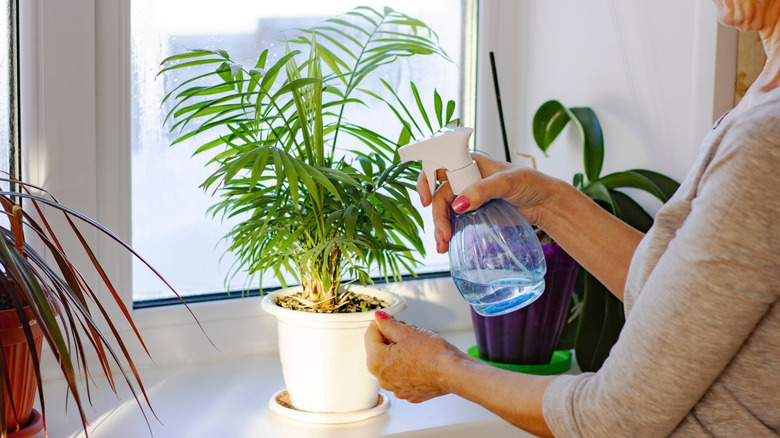
A firm but gentle rinse using room-temperature water can dislodge eggs and nymphs. Avoid damaging delicate foliage.
Plant-Based and Natural Sprays
Without using animal-derived ingredients, the following plant-safe solutions work well indoors:
1. Insecticidal Soap (Plant-Based Formulations)
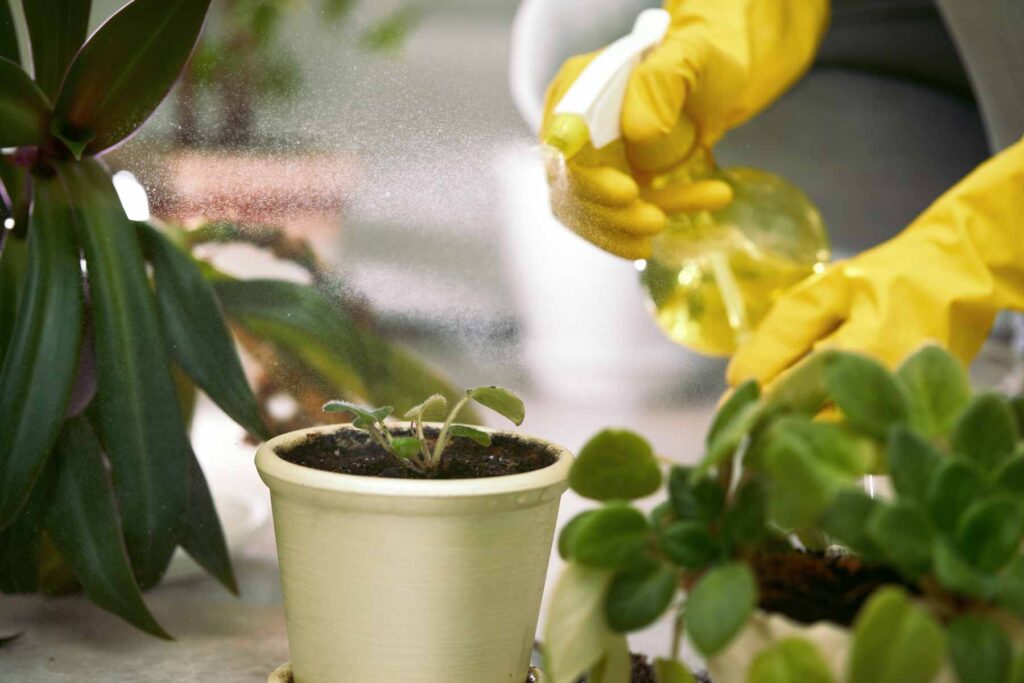
Choose vegan or vegetable-oil-based options. These disrupt the outer layer of whiteflies and nymphs, causing dehydration. Spray thoroughly under and over leaves. Reapply every 5–7 days until populations decline.
Recipe option:
- 1 liter water
- 1–2 teaspoons mild liquid castile soap
Mix gently and test on a few leaves before full use.
2. Neem Oil
Neem oil is derived from the neem tree and is one of the safest and most effective indoor pest control options. It interferes with insect feeding and reproduction without harming plants when properly diluted.
Application:
- Mix 1–2 teaspoons of pure, cold-pressed neem oil with 1 liter of water
- Add a few drops of plant-based soap as an emulsifier
- Spray in the early evening to prevent leaf burn
3. Garlic or Ginger Extract Spray
These natural repellents deter adult whiteflies and reduce feeding on leaves.
How to prepare (Garlic example):
- Crush 4–5 garlic cloves
- Steep in 1 liter of water for 24 hours
- Strain and spray weekly
4. Essential Oils (Plant-Derived)
Some essential oils repel whiteflies without harming plants:
- Peppermint
- Rosemary
- Thyme
- Lemongrass
Mix 5–10 drops of essential oil with 1 liter of water and a small amount of liquid soap. Spray the underside of leaves and reapply weekly.
Soil and Plant Hygiene Practices
Whiteflies lay eggs on leaves, but overall plant health affects infestation levels.
- Remove Leaf Debris
Fallen leaves can harbor pests. Clean soil surfaces regularly. - Avoid Over-Fertilizing
Excess nitrogen leads to soft, new growth that whiteflies love. Use balanced, plant-based fertilizers at recommended rates. - Repot When Necessary
If infestation persists, repot plants using fresh soil and sterilize pots with hot water and plant-safe soap.
Botanical Companion Planting Indoors
Even indoors, strategic plant combinations can deter whiteflies without harming any organisms.
- Basil, marigold, mint, and lavender release scents that repel whiteflies.
- Potted companion plants can be placed near susceptible houseplants.
- Avoid plants with overpowering scents in small, unventilated spaces.
Barriers and Traps
1. Yellow Sticky Traps
These trap adults without chemicals or animal products. Replace when full.
2. Reflective Mulch or Foil
Placing reflective materials around plant bases disturbs whiteflies’ ability to land and lay eggs.
Non-Animal Biological Alternatives
Most conventional biological controls involve predatory insects (e.g., ladybugs or parasitoid wasps), which may be unsuitable indoors and violate non-veg preferences. However, some non-animal microbial options may help:
Beauveria bassiana (Fungal Biocontrol)
This naturally occurring fungus infects whiteflies but is safe for plants and humans when applied as a foliar spray. Ensure it is a certified indoor-safe formulation.
Plant-Derived Biopesticides
Products based on azadirachtin (from neem seeds) or pyrethrins derived from chrysanthemums can be used cautiously. Select versions without synthetic additives or animal testing whenever possible.
Long-Term Prevention Strategies
- Quarantine New Plants
Before introducing them indoors, isolate new plants for 1–2 weeks. - Regular Monitoring
Use sticky traps year-round to detect early infestations. - Healthy Plant Maintenance
Hydrated, pest-resistant plants are less prone to attack. Dust leaves gently to allow photosynthesis and discourage pests. - Seasonal Deep Cleaning
Wipe pots, trays, and nearby surfaces with mild, plant-safe cleaners to remove eggs and debris.
When to Re-Treat or Reassess
Whitefly control is not instantaneous. Evaluate treatment effectiveness weekly and rotate safe methods to avoid resistance. Combine manual removal, plant-based sprays, and environmental adjustments for best results.
If you notice:
- Persistent adult activity after two weeks
- Wilting leaves despite treatment
- Widespread honeydew or sooty mold
…increase treatment frequency and check neighboring plants.
Conclusion
Controlling whiteflies indoors requires an integrated plan emphasizing safety, sustainability, and plant wellness. With vigilant monitoring, non-toxic sprays, environmental modifications, and plant-based solutions, whitefly populations can be effectively managed without the need for non-vegetarian or animal-based methods.
By combining preventive care, early intervention, and eco-friendly treatments, indoor gardeners can protect their plants from damage while maintaining an ethical and chemical-free environment. Whitefly control is an ongoing process, but with consistent attention and thoughtful practices, healthy indoor greenery can thrive without compromise.