Indoor plants have become an essential part of modern homes and offices, offering aesthetic appeal, improving air quality, and promoting psychological well-being. However, maintaining healthy indoor plants requires vigilance, especially against diseases caused by fungi. Fungal infections are among the most common threats to indoor plants and can significantly affect their growth, vitality, and overall appearance. Understanding the signs of fungal disease is critical for plant enthusiasts, gardeners, and researchers in preventing and managing infections before they become severe. This article explores the various symptoms, causes, and preventive measures associated with fungal diseases in indoor plants.
Introduction to Fungal Diseases in Indoor Plants
Fungal diseases in plants are caused by microscopic organisms that thrive in warm, humid, and poorly ventilated environments. Unlike bacterial or viral infections, fungal pathogens often produce spores that can spread easily through air, water, or contaminated tools. Indoor plants, especially those kept in confined spaces, are particularly susceptible due to limited airflow, inconsistent watering, and high humidity levels often associated with indoor environments. Common fungal pathogens affecting indoor plants include Powdery Mildew (Oidium spp.), Botrytis (Gray Mold), Root Rot (Pythium and Phytophthora spp.), and Leaf Spot fungi (Alternaria and Cercospora spp.).
Common Signs of Fungal Disease
1. Leaf Discoloration
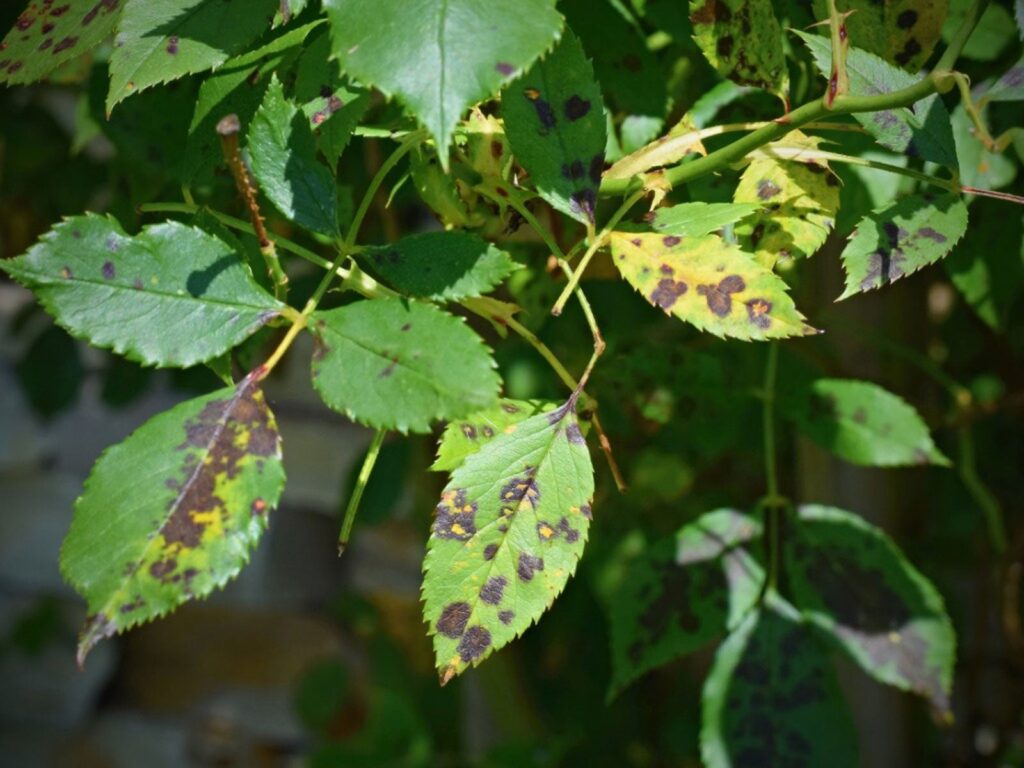
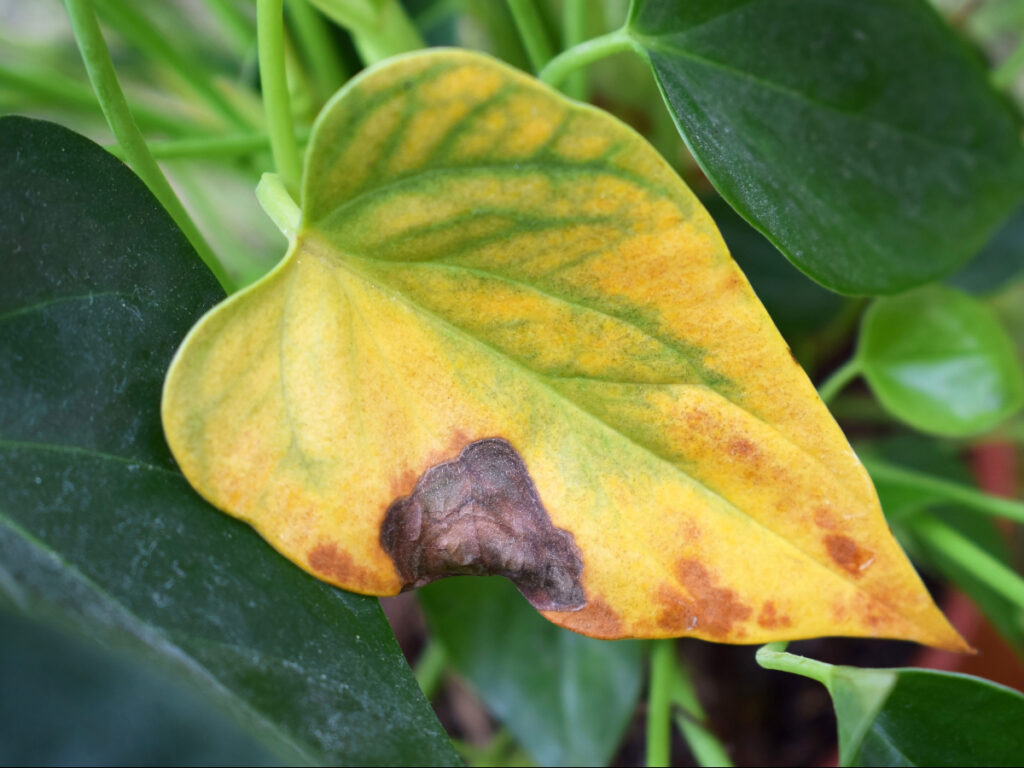
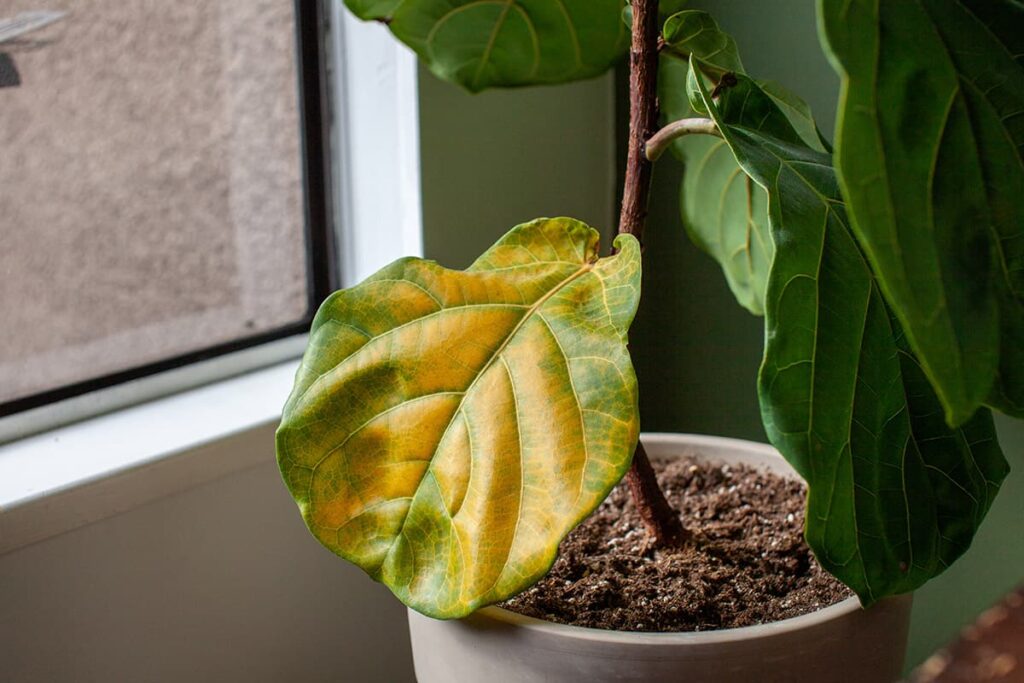
One of the first signs of fungal infection in indoor plants is a change in leaf color. Leaves may turn yellow, brown, or black, depending on the type of fungus. For instance, leaf spot fungi often cause circular brown or black spots surrounded by yellow halos. Over time, these spots may coalesce, leading to extensive leaf damage. Monitoring leaf color changes is crucial, as early detection allows for prompt intervention.
2. Powdery or Fuzzy Growth
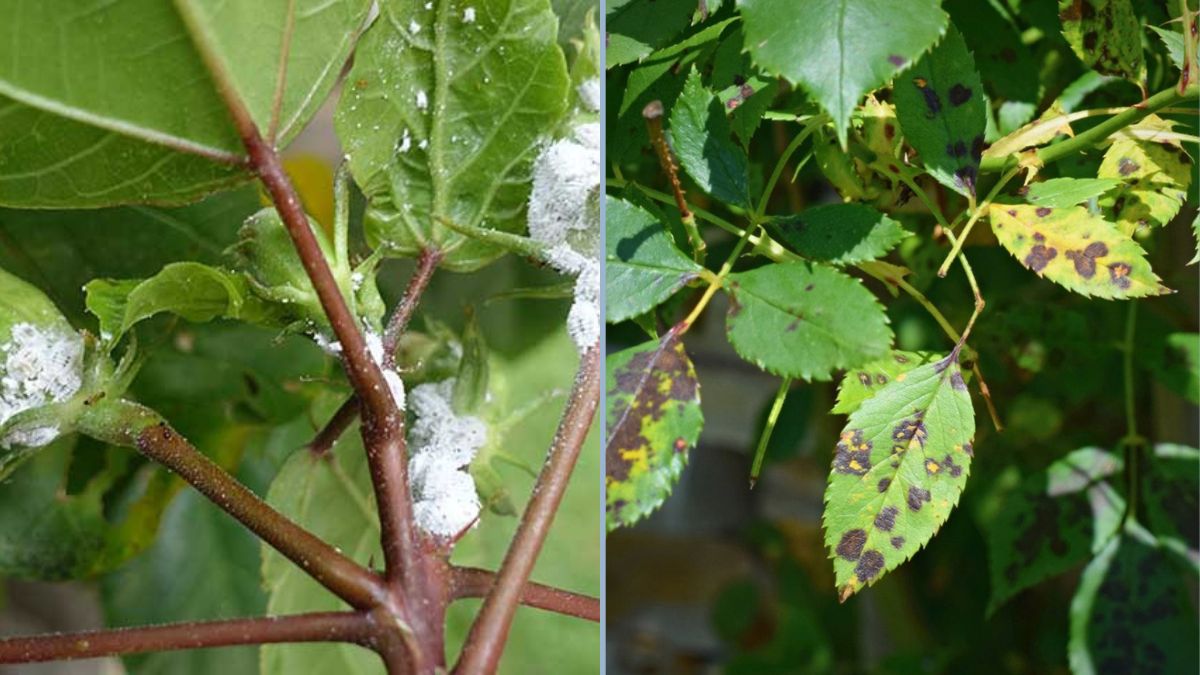
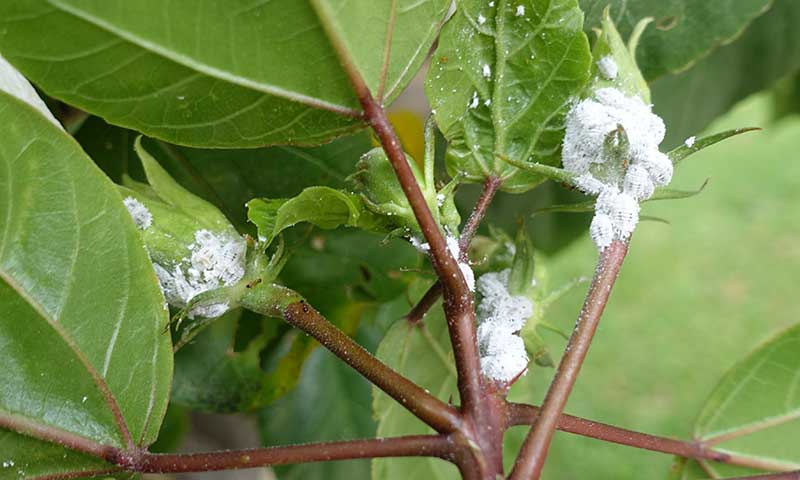
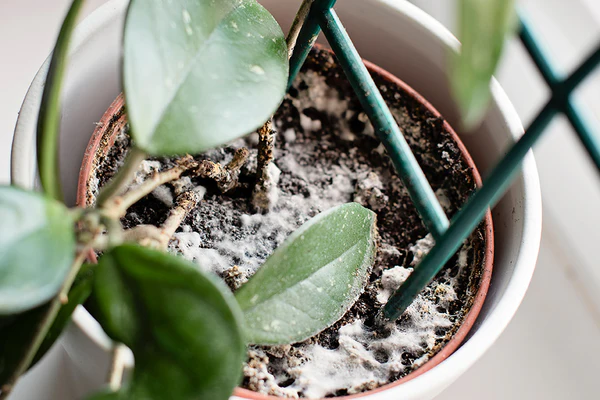
Fungal infections often manifest as powdery or fuzzy coatings on leaves, stems, or flowers. Powdery mildew is characterized by a white or gray powdery substance on the surface of leaves, often appearing in dry conditions. Botrytis, on the other hand, produces a gray fuzzy mold, usually in humid environments or on decaying plant tissue. These visual signs are unmistakable indicators that the plant is under fungal attack.
3. Wilting or Drooping
Fungal infections affecting the roots or vascular system of indoor plants often result in wilting or drooping leaves, even when the soil is adequately moist. Root rot fungi, such as Pythium and Phytophthora, attack the plant’s root system, preventing proper water and nutrient absorption. As a result, leaves lose turgor, wilt, and may eventually fall off. Root inspection can confirm fungal presence, revealing dark, mushy, or foul-smelling roots.
4. Stunted Growth
Fungal pathogens disrupt the normal physiological processes of indoor plants, leading to stunted growth. Infected plants may fail to produce new leaves, flowers, or stems at the expected rate. This symptom is often observed in conjunction with root rot or soil-borne fungal infections. Regular monitoring of plant growth patterns helps identify abnormal changes and prompt corrective measures.
5. Leaf Curling and Deformation
Certain fungal diseases induce leaf curling, twisting, or deformation. For example, anthracnose fungi often cause leaves to develop irregular shapes, curls, or lesions. Deformed leaves are not only unattractive but also indicate that the plant’s health is compromised. Early recognition and treatment can prevent the spread of the fungus to other parts of the plant.
6. Stem Lesions and Cankers
Fungal infections can also attack the stems of indoor plants. Lesions, cankers, or sunken patches on stems are common indicators of stem rot fungi. These infections can interfere with nutrient transport, weaken structural support, and increase susceptibility to secondary infections. Inspecting the stems regularly for unusual discoloration or soft patches is essential for early detection.
7. Presence of Spores
In some cases, fungal spores can be visible to the naked eye as tiny black, brown, or gray dots on leaves, stems, or soil surface. Spore clusters are a clear sign of fungal reproduction and potential disease spread. Spores can easily transfer to healthy plants through air currents, water splashes, or gardening tools, emphasizing the importance of quarantine measures for infected plants.
Environmental Factors Contributing to Fungal Disease
Fungal growth thrives under specific environmental conditions. Understanding these factors helps in preventing infections:
- High Humidity: Many fungal pathogens flourish in moist, humid environments. Overwatering or inadequate air circulation indoors increases humidity around plants, promoting fungal growth.
- Poor Ventilation: Stagnant air encourages spore accumulation and infection. Indoor plants require proper airflow to reduce the risk of fungal disease.
- Overcrowding: Placing plants too close together limits airflow and sunlight exposure, creating an ideal environment for fungi to thrive.
- Contaminated Soil or Tools: Reusing soil without sterilization or sharing tools among multiple plants can introduce fungal spores to healthy plants.
Preventive Measures and Management
Preventing fungal disease is always more effective than treatment. Here are some strategies for keeping indoor plants healthy:
- Proper Watering Techniques: Avoid overwatering and water the plants at the base rather than from overhead. Ensure pots have drainage holes to prevent waterlogging.
- Maintain Air Circulation: Place indoor plants in areas with adequate ventilation. Use fans or open windows to reduce humidity levels.
- Sanitize Tools: Clean and disinfect gardening tools before and after use to prevent cross-contamination of fungal spores.
- Prune Infected Parts: Remove and dispose of affected leaves, stems, or flowers to limit the spread of infection.
- Use Fungicides Carefully: Organic fungicides, such as neem oil or copper-based sprays, can help control fungal infections. Follow instructions and avoid overuse to prevent resistance.
- Quarantine New Plants: Isolate new plants for a few weeks to monitor for signs of disease before introducing them to other indoor plants.
Conclusion
Fungal diseases pose a significant challenge for indoor plant care, but they can be effectively managed with careful observation and preventive measures. Recognizing early signs such as leaf discoloration, fuzzy growth, wilting, stunted growth, leaf deformation, stem lesions, and spore presence is crucial for maintaining plant health. By understanding the environmental factors that favor fungal infections and implementing proper care techniques, indoor plant enthusiasts can enjoy thriving greenery and a healthier indoor environment. Vigilance, timely intervention, and good cultural practices are the keys to keeping indoor plants disease-free and visually appealing.