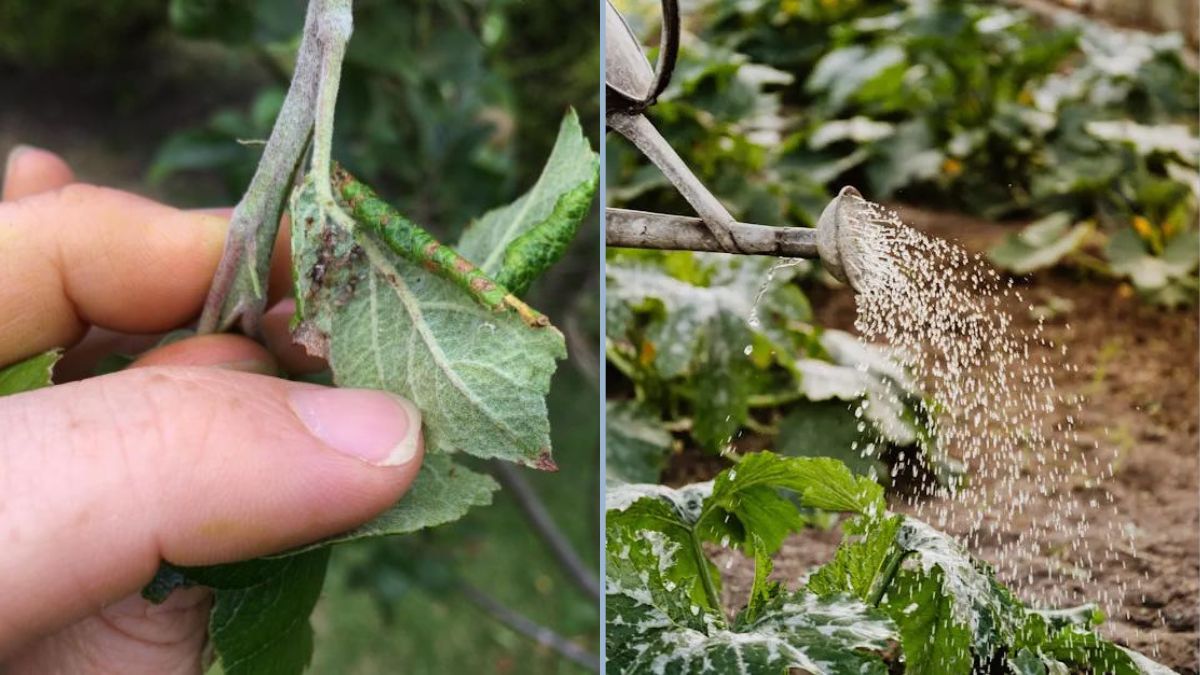
Garden pests—ranging from aphids, caterpillars, and whiteflies to mites, beetles, and nematodes—pose significant challenges to both ornamental and edible plants. They reduce yields, stunt growth, and compromise plant aesthetics. While chemical pesticides can offer rapid control, they often harm beneficial insects, degrade soil health, and leave residues on edible crops.
Preventing pest populations from multiplying is far more effective than attempting to control established infestations. Early intervention, integrated cultural practices, and plant-based preventive measures can suppress pest reproduction while supporting a healthy garden ecosystem. This article explores non-chemical, non-animal strategies for stopping garden pests before they multiply, providing detailed guidance for sustainable and eco-friendly gardening.
1. Understanding Garden Pest Life Cycles
Preventing pest multiplication requires knowledge of their life cycles:
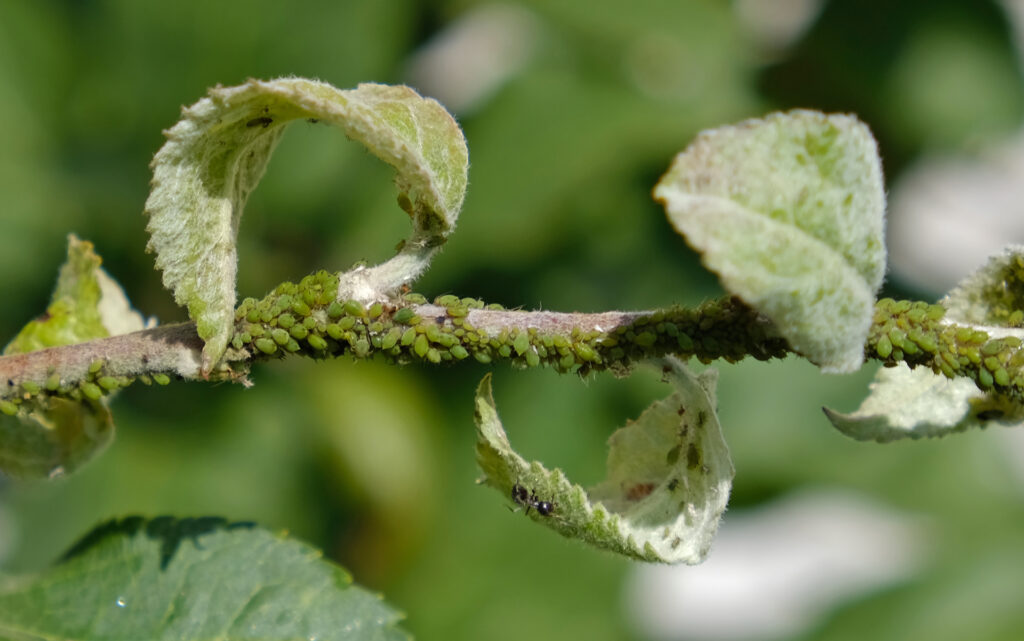
- Aphids and Whiteflies: Rapid reproduction, especially under warm conditions; females can produce live offspring without mating.
- Caterpillars and Beetles: Lay eggs on leaves or stems, which hatch into larvae that consume plant tissues.
- Spider Mites and Thrips: Thrive in dry, warm conditions, reproducing quickly on stressed plants.
- Nematodes and Root Grubs: Develop underground, feeding on roots before emerging as adults to lay eggs.
Early identification of the pest species and understanding their reproductive strategies is crucial for timely intervention. Targeting pests during their egg or larval stages prevents population explosions.
2. Early Detection and Monitoring
Regular observation is the cornerstone of prevention:
- Inspect leaves, stems, and soil for eggs, larvae, or adult insects.
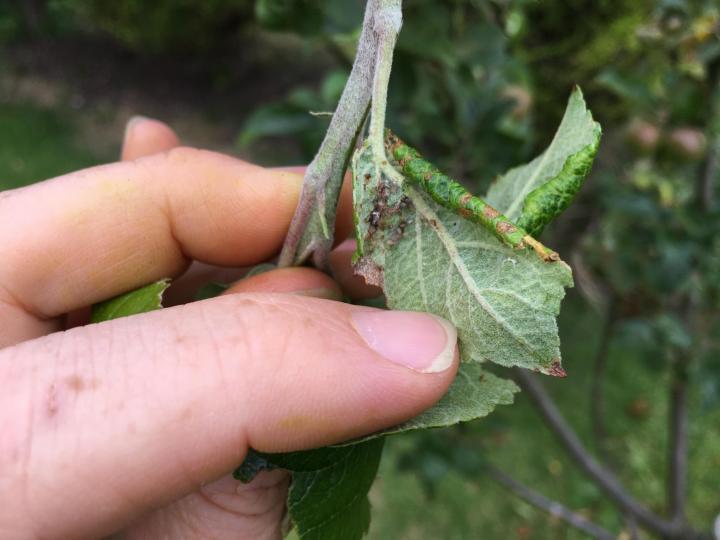
- Look for damage symptoms such as yellowing, stippling, leaf curling, or wilting.
- Use magnifying lenses or handheld microscopes to detect small pests like thrips or spider mites.
- Set up sticky traps to monitor flying insects like whiteflies or fungus gnats.
By identifying pests before they reach reproductive maturity, gardeners can interrupt the multiplication cycle effectively.
3. Cultural Practices to Suppress Pest Multiplication
a. Sanitation
- Remove dead or damaged leaves, fallen fruits, and decaying plant material, which serve as breeding grounds for pests.
- Clean pots, trays, and gardening tools to prevent accidental pest transfer.
b. Proper Spacing and Pruning
- Avoid overcrowding; ensure adequate airflow between plants to reduce humidity-loving pests.
- Prune dense foliage to prevent pests from establishing sheltered microclimates.
c. Crop Rotation
- Rotate crops annually to disrupt pest life cycles.
- Avoid planting the same crop repeatedly in the same area, which allows pest populations to accumulate.
d. Resistant Varieties
- Select plant cultivars naturally resistant to specific pests.
- Resistant plants can reduce reproduction rates by minimizing pest feeding opportunities.
4. Soil Health and Root Care
Healthy roots are less susceptible to pests and diseases:
a. Well-Draining Soil
- Use loose, aerated, plant-based soil mixes to prevent root rot and discourage soil-dwelling pests like fungus gnats and grubs.
b. Organic Amendments
- Incorporate compost, green manures, and plant-based biochar to enhance microbial diversity.
- Beneficial microbes suppress pest larvae and compete with harmful soil organisms, reducing pest multiplication.
c. Mulching
- Use organic mulches like straw or shredded leaves to stabilize soil temperature, conserve moisture, and reduce habitat for egg-laying pests.
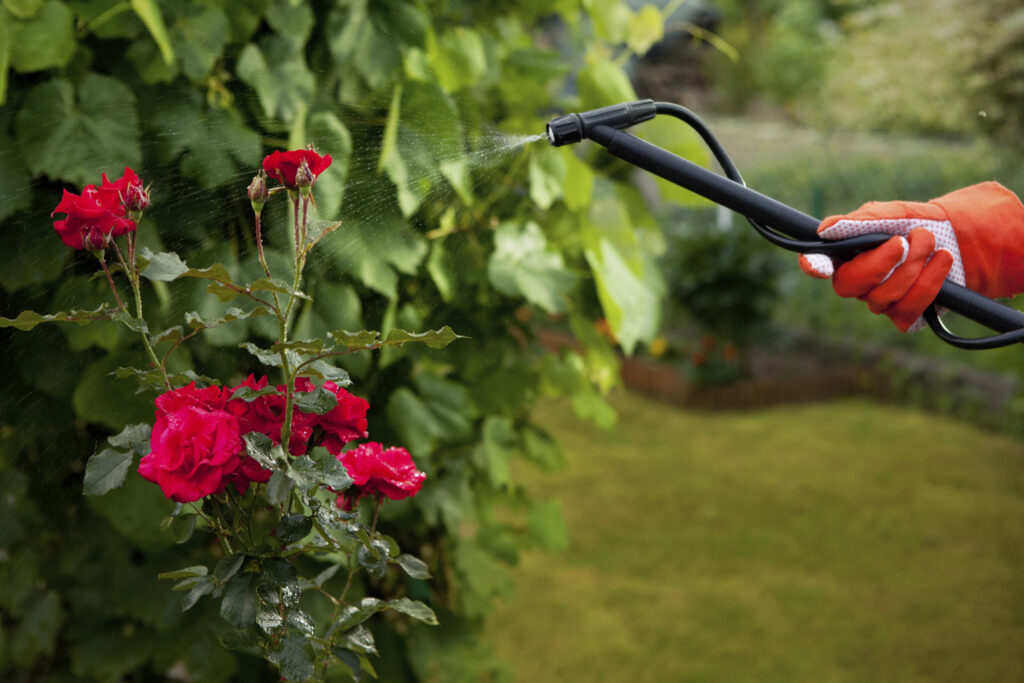
5. Plant-Based Preventive Sprays
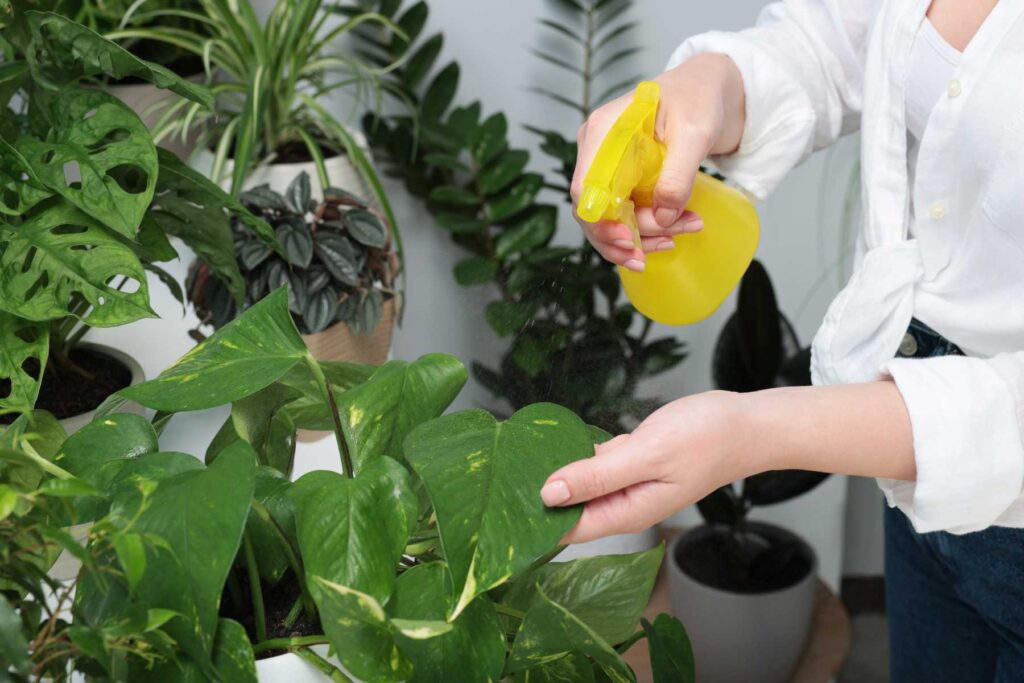
Botanical extracts can reduce pest populations before they multiply:
a. Neem (Azadirachta indica)
- Acts as a natural deterrent and disrupts insect growth and reproduction.
- Spray diluted neem oil on leaves and stems weekly, targeting both pests and eggs.
b. Garlic Extract
- Repels aphids, whiteflies, and caterpillars through sulfur-containing compounds.
- Crush garlic, soak in water for 24 hours, strain, and spray lightly on plants.
c. Chili or Pepper Spray
- Capsaicin-based sprays deter leaf-chewing pests.
- Apply carefully to avoid leaf burn, focusing on young growth and undersides of leaves.
d. Mild Soap Solutions
- Plant-based or castile soap can suffocate soft-bodied insects like aphids and mites.
- Spray early in the morning or evening to maximize efficacy and minimize leaf stress.
e. Herbal Infusions
- Extracts from mint, rosemary, or basil act as preventive repellents when sprayed lightly on garden plants.
6. Mechanical and Physical Controls
Physical measures can prevent pest proliferation without chemicals:
a. Handpicking
- Remove visible pests such as caterpillars, beetles, or larvae by hand, reducing reproductive individuals.
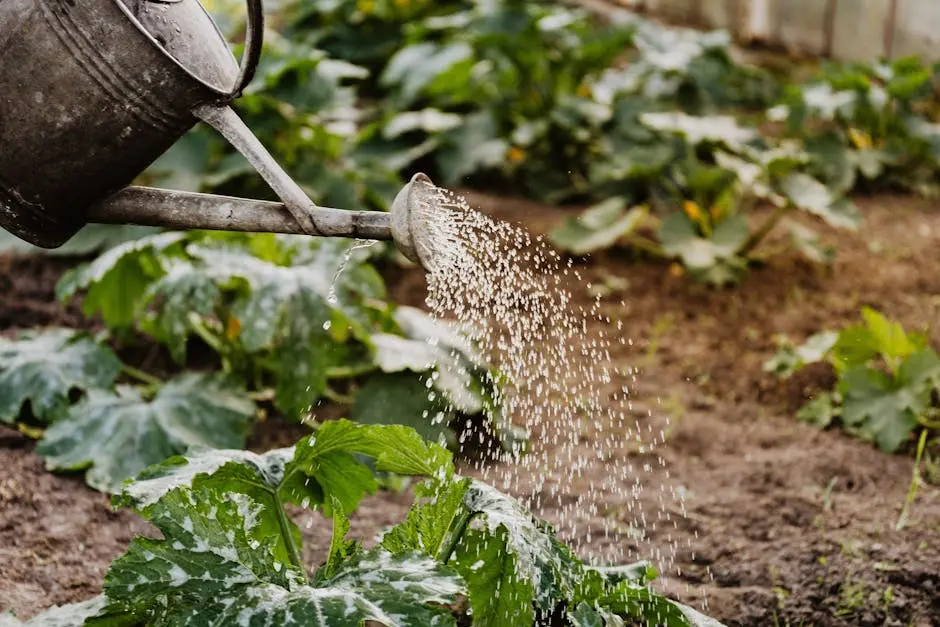
b. Water Sprays
- A strong jet of water can dislodge eggs and larvae from leaves.
- Focus on undersides of foliage where pests often congregate.
c. Barriers
- Row covers, nets, or mesh protect seedlings and tender plants from oviposition.
- Barriers are particularly useful in small garden beds and indoor setups.
d. Sticky Traps
- Yellow or blue sticky traps capture adult flying pests, reducing egg-laying opportunities.
- Place traps at canopy height for maximum effectiveness.
7. Companion Planting for Pest Suppression
Certain plant combinations naturally reduce pest reproduction:
- Basil with tomatoes: Repels whiteflies and aphids.
- Marigold near vegetables: Reduces nematode populations and deters leaf-feeding insects.
- Garlic or chives near leafy greens: Prevents aphid and thrip buildup.
- Mint and rosemary near herbs: Discourages spider mites and caterpillars.
Companion planting provides a continuous, natural defense system that interrupts pest reproduction cycles.
8. Encouraging Beneficial Organisms
Even in plant-only systems, some strategies promote pest suppression:
- Plant-based compost teas encourage microbial populations that compete with pest larvae and eggs.
- Nectar- or pollen-producing plants (like marigold or basil flowers) attract natural predators such as predatory mites and parasitic wasps.
- These strategies reduce pest reproduction without introducing animal-based inputs.
9. Environmental Management
Environmental conditions can influence pest multiplication:
- Maintain moderate humidity to prevent rapid spider mite or thrip reproduction.
- Avoid over-fertilization with nitrogen, which can encourage soft, tender growth attractive to aphids and caterpillars.
- Ensure adequate sunlight and ventilation to promote plant vigor, making them less susceptible to infestations.
10. Integrated Pest Prevention Approach
A multi-faceted strategy ensures effective prevention:
- Sanitation and Monitoring: Early detection and removal of eggs, larvae, and damaged foliage.
- Cultural Practices: Spacing, pruning, crop rotation, and resistant varieties.
- Soil and Root Health: Organic amendments, mulching, and well-draining soil.
- Botanical Sprays: Neem, garlic, chili, soap solutions, and herbal infusions.
- Mechanical Controls: Handpicking, water sprays, barriers, and sticky traps.
- Companion Planting: Aromatic and repellent plants to disrupt pest cycles.
- Environmental Management: Maintain appropriate light, humidity, and nutrient balance.
Integrating these strategies prevents pests from reaching reproductive maturity, stopping populations from multiplying and establishing severe infestations.
Conclusion
Stopping garden pests before they multiply is both an art and a science. Early detection, preventive cultural practices, plant-based sprays, companion planting, and environmental management form the cornerstone of sustainable pest control. By intervening before pests reach reproductive stages, gardeners can reduce plant stress, preserve yields, and maintain a healthy, chemical-free garden ecosystem.
Non-chemical, plant-based approaches not only protect the environment and beneficial organisms but also ensure that edible crops remain safe for consumption. By prioritizing prevention, gardeners can maintain balanced ecosystems, promote plant health, and enjoy productive, vibrant gardens throughout the growing season.